Asian Chicken Stir-Fry Meal Ideas
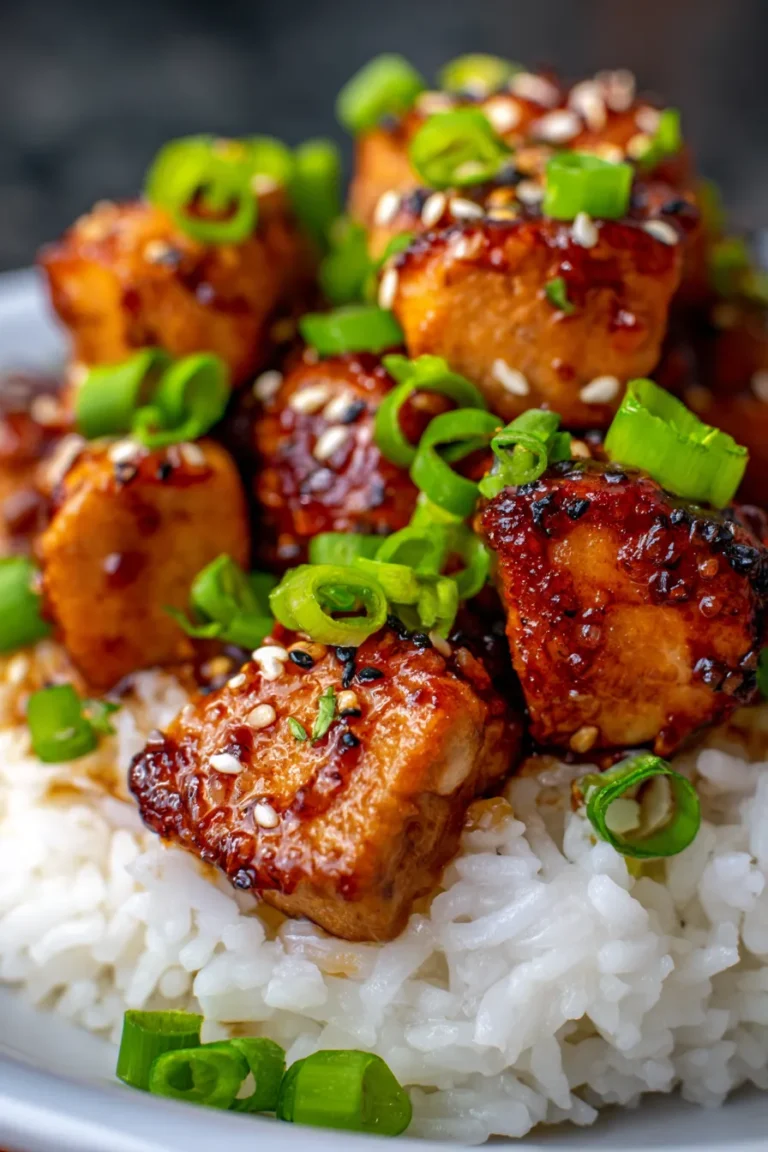
Craving a quick, healthy, and flavorful weeknight dinner? Look no further than Asian chicken stir-fry! It’s a customizable dish that allows you to use your favorite vegetables and sauces, making it a perfect meal for everyone. This article explores ten delicious Asian chicken stir-fry variations, providing inspiration for your next culinary adventure.
Mastering the Basics: Building Your Stir-Fry Foundation
Before diving into specific recipes, let’s cover the essential elements of a fantastic Asian chicken stir-fry. These building blocks ensure a delicious and successful outcome every time.
The Right Chicken Cuts
The best chicken for stir-fry is boneless, skinless chicken breast or thighs. Cut the chicken into uniform, bite-sized pieces – about 1-inch cubes. This allows for even cooking and ensures every piece is perfectly coated with sauce. Chicken thighs tend to stay more moist than breasts, but either works well, depending on your preference.
Preparing the Vegetables
Stir-fries are all about vibrant colors and textures. Choose a variety of vegetables that complement each other and cook at different rates. Here are some popular choices:
- Quick-Cooking Vegetables: Bell peppers (red, yellow, orange), snap peas, snow peas, bean sprouts, sliced mushrooms.
- Medium-Cooking Vegetables: Broccoli florets, sliced carrots, baby corn, bok choy.
- Aromatic Vegetables: Garlic (minced), ginger (grated), scallions (sliced).
Remember to cut your vegetables into similar sizes so they cook evenly. For harder vegetables like carrots or broccoli, consider blanching them briefly before stir-frying to ensure they are tender-crisp.
The Perfect Sauce
The sauce is the heart of any stir-fry, binding all the ingredients together and adding a burst of flavor. A good stir-fry sauce should be balanced, incorporating sweet, savory, and umami notes. Here’s a basic stir-fry sauce recipe you can adapt:
- 2 tablespoons soy sauce (low-sodium is recommended)
- 1 tablespoon oyster sauce (optional, for extra umami)
- 1 tablespoon rice vinegar
- 1 tablespoon honey or brown sugar
- 1 teaspoon cornstarch (to thicken the sauce)
- 1/2 teaspoon sesame oil
- 1/4 teaspoon ground ginger
- 1/4 teaspoon garlic powder
- Pinch of red pepper flakes (optional, for heat)
Mix all ingredients together in a small bowl and set aside. Adjust the sweetness, saltiness, and heat to your liking.
The Cooking Process
High heat is key to a successful stir-fry. Use a wok or a large skillet with high sides. Heat the wok over medium-high to high heat until it is very hot. Add a tablespoon of cooking oil (vegetable, canola, or peanut oil work well). Add the chicken and cook until browned and cooked through. Remove the chicken from the wok and set aside.
Add the aromatic vegetables (garlic, ginger, scallions) to the wok and stir-fry for about 30 seconds, until fragrant. Add the medium-cooking vegetables and stir-fry for 2-3 minutes, until slightly tender. Add the quick-cooking vegetables and stir-fry for another 1-2 minutes, until crisp-tender.
Pour the sauce into the wok and bring to a simmer. Cook for 1-2 minutes, until the sauce thickens. Add the cooked chicken back into the wok and toss to coat with the sauce. Serve immediately over rice or noodles.
10 Delicious Asian Chicken Stir-Fry Ideas
Now that you have the foundation, let’s explore ten exciting Asian chicken stir-fry variations to inspire your next meal.
1. Classic Chicken and Broccoli Stir-Fry
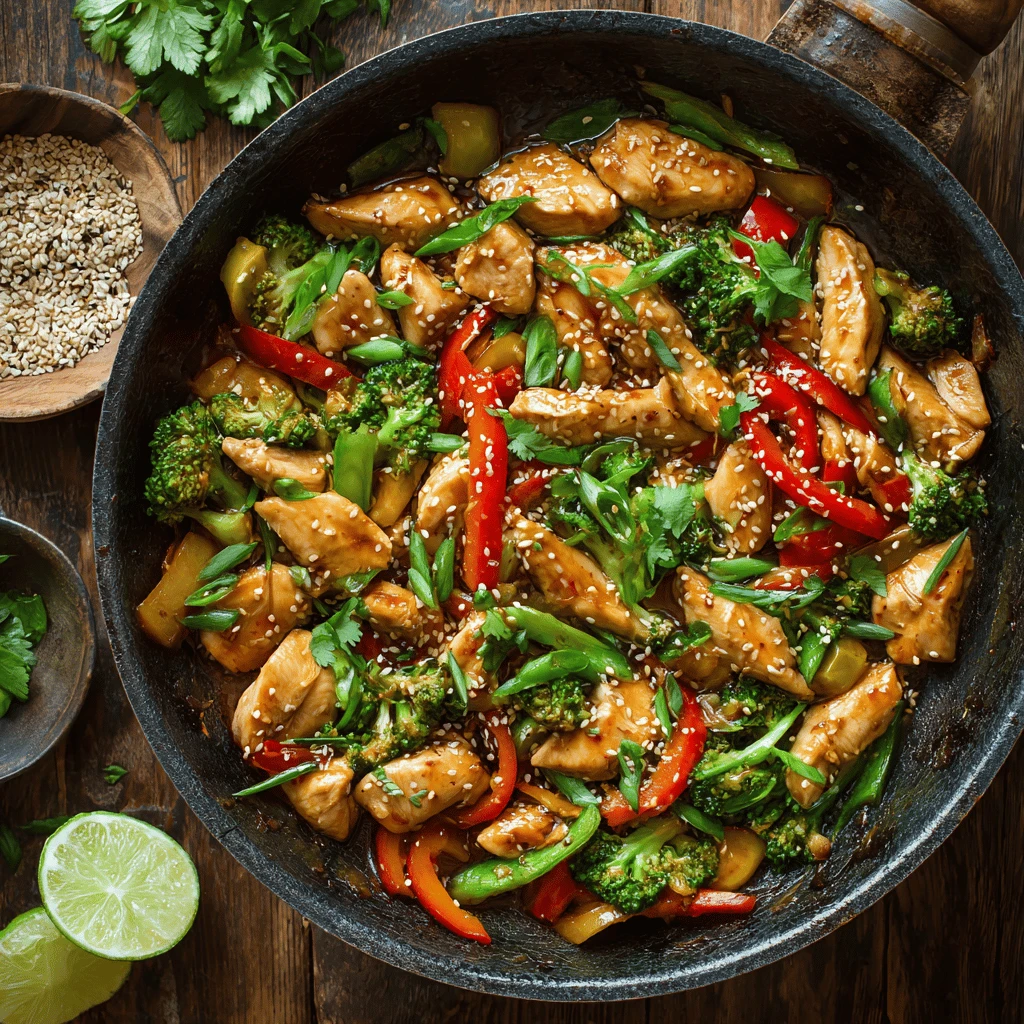
This is a timeless combination that’s both healthy and satisfying. Use the basic stir-fry sauce recipe and add plenty of broccoli florets. Consider adding a sprinkle of toasted sesame seeds for extra flavor and texture.
2. Kung Pao Chicken Stir-Fry
This spicy and savory stir-fry is a Chinese restaurant favorite. Add dried red chilies, peanuts, and Sichuan peppercorns to the basic stir-fry sauce for an authentic Kung Pao flavor. Bell peppers and zucchini are great vegetable additions.
3. Teriyaki Chicken Stir-Fry
For a sweet and savory option, use teriyaki sauce as the base for your stir-fry. Marinate the chicken in teriyaki sauce for at least 30 minutes before cooking. Add pineapple chunks and green onions for a tropical twist.
4. Honey Garlic Chicken Stir-Fry
This sweet and sticky stir-fry is a crowd-pleaser. Increase the amount of honey in the basic stir-fry sauce and add plenty of minced garlic. Snow peas and carrots are excellent vegetable additions.
5. Orange Chicken Stir-Fry
Recreate the popular takeout dish at home. Add orange zest and orange juice to the basic stir-fry sauce for a bright and citrusy flavor. Bread the chicken lightly in cornstarch before stir-frying for a crispy texture.
6. Cashew Chicken Stir-Fry
This stir-fry features crunchy cashews and a flavorful sauce. Add roasted cashews to the wok during the last minute of cooking. Bell peppers and water chestnuts are great vegetable additions.
7. Peanut Chicken Stir-Fry
For a nutty and flavorful stir-fry, add peanut butter to the basic stir-fry sauce. Adjust the consistency with water or chicken broth. Bean sprouts and shredded cabbage are excellent vegetable additions.
8. Black Bean Chicken Stir-Fry
This savory and umami-rich stir-fry uses black bean sauce as the base. Add fermented black beans and minced garlic to the wok for an authentic flavor. Bell peppers and onions are great vegetable additions.
9. Szechuan Chicken Stir-Fry
This spicy and numbing stir-fry is perfect for those who love heat. Add Sichuan peppercorns, chili oil, and doubanjiang (fermented chili bean paste) to the basic stir-fry sauce for an authentic Szechuan flavor.
10. Lemon Chicken Stir-Fry
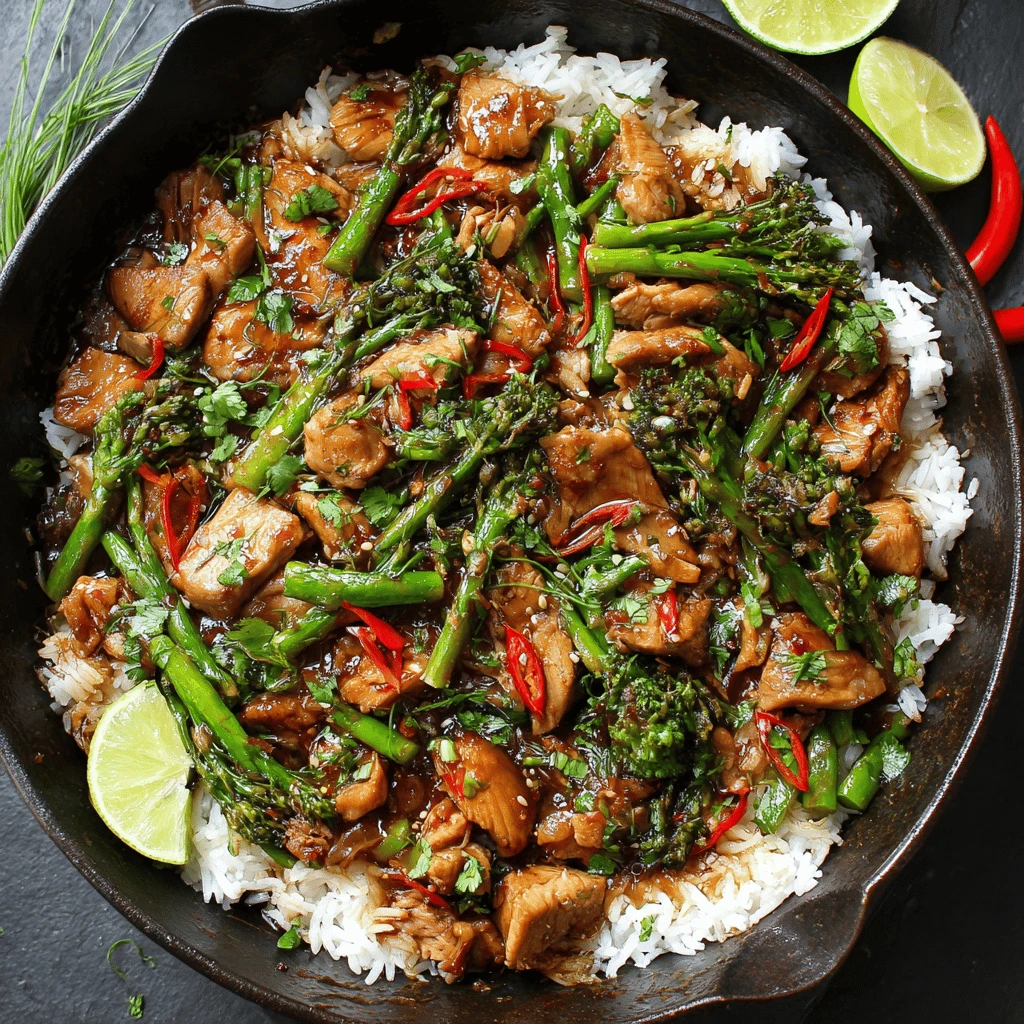
This bright and refreshing stir-fry is perfect for warmer weather. Add lemon juice and lemon zest to the basic stir-fry sauce for a tangy flavor. Asparagus and sugar snap peas are excellent vegetable additions.
Perfecting Your Stir-Fry: Tips and Tricks
To ensure stir-fry success every time, consider these helpful tips and tricks:
Marinating the Chicken
Marinating the chicken before stir-frying adds flavor and tenderness. A simple marinade of soy sauce, rice vinegar, and ginger can make a big difference. Marinate the chicken for at least 30 minutes, or up to overnight in the refrigerator.
Using the Right Oil
Choose a cooking oil with a high smoke point, such as vegetable oil, canola oil, or peanut oil. These oils can withstand the high heat required for stir-frying without burning.
Don’t Overcrowd the Wok
Overcrowding the wok will lower the temperature and cause the vegetables to steam instead of stir-fry. Cook the ingredients in batches if necessary.
Keep Everything Moving
Stir-frying is all about constant movement. Keep the ingredients moving in the wok to ensure even cooking and prevent burning.
Taste and Adjust
Taste the sauce before adding it to the stir-fry and adjust the seasonings to your liking. Add more soy sauce for saltiness, honey for sweetness, or chili flakes for heat.
Serving Suggestions and Accompaniments
Stir-fries are typically served over rice or noodles. Here are some popular options:
- Rice: White rice, brown rice, jasmine rice, or basmati rice.
- Noodles: Lo mein noodles, chow mein noodles, rice noodles, or udon noodles.
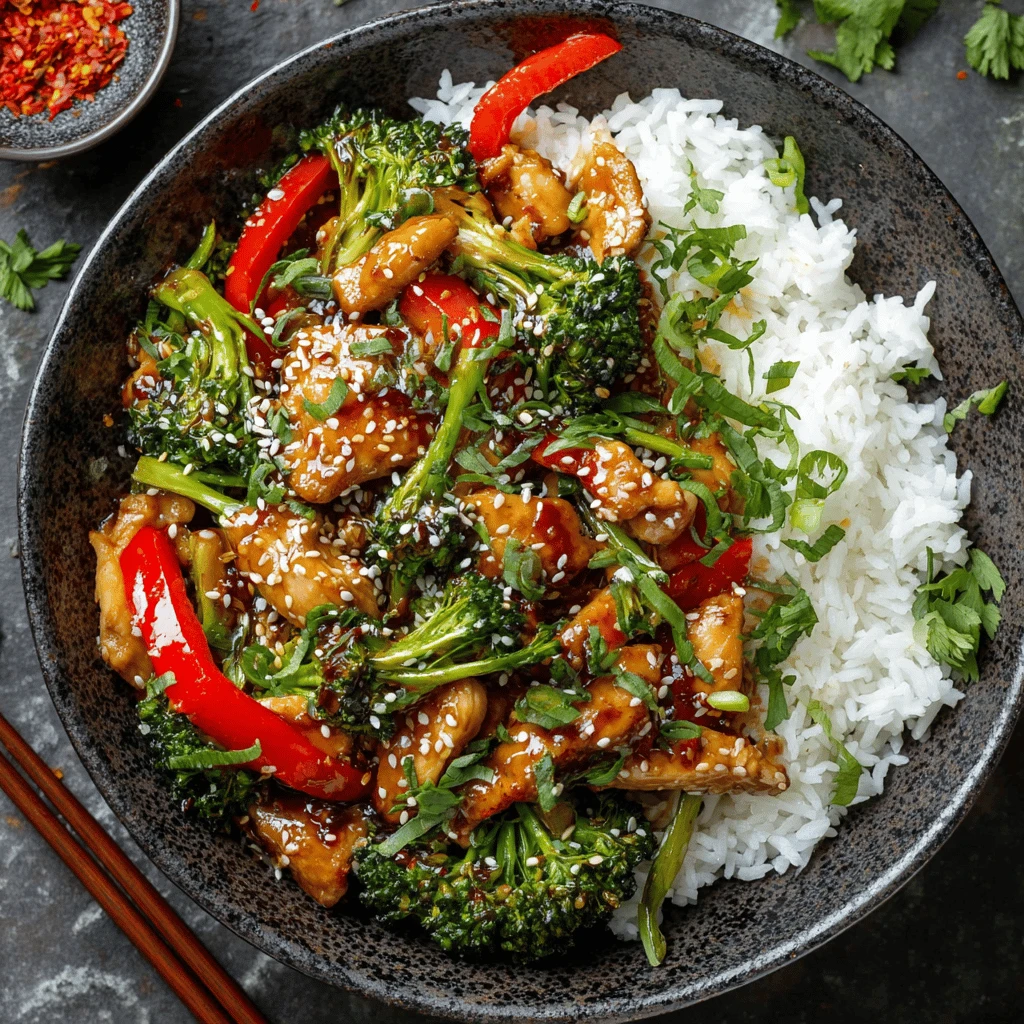
You can also serve stir-fries with a side of steamed vegetables, spring rolls, or egg rolls. Garnish with sesame seeds, chopped scallions, or cilantro for added flavor and visual appeal.
Adapting for Dietary Needs
Stir-fries are easily adaptable to various dietary needs and preferences.
- Gluten-Free: Use gluten-free soy sauce (tamari) and ensure all other ingredients are gluten-free.
- Vegetarian/Vegan: Substitute tofu or tempeh for the chicken and use vegetable broth instead of chicken broth. Omit the oyster sauce or use a vegetarian oyster sauce alternative.
- Low-Sodium: Use low-sodium soy sauce and reduce the amount of salt added to the sauce.
- Low-Carb: Serve the stir-fry over cauliflower rice or zucchini noodles instead of rice or noodles.
Frequently Asked Questions (FAQ)
Here are some frequently asked questions about Asian chicken stir-fry:
1. What is the best way to cut chicken for stir-fry?
Cut the chicken into uniform, bite-sized pieces (about 1-inch cubes). This ensures even cooking and allows the chicken to be easily coated in the sauce.
2. Can I use frozen vegetables in stir-fry?
Yes, you can use frozen vegetables, but keep in mind that they may release more water than fresh vegetables. Thaw the vegetables slightly before stir-frying and pat them dry with paper towels.
3. How do I prevent my stir-fry from being too watery?
Avoid overcrowding the wok and cook the ingredients in batches if necessary. Also, ensure that the sauce is thickened properly with cornstarch.
4. What is oyster sauce, and can I substitute it?
Oyster sauce is a thick, savory sauce made from oyster extracts. It adds a rich umami flavor to stir-fries. If you don’t have oyster sauce, you can substitute it with hoisin sauce or a combination of soy sauce and a small amount of brown sugar. For a vegetarian option, use mushroom-flavored soy sauce.
5. How long does chicken stir-fry last in the refrigerator?
Cooked chicken stir-fry can be stored in the refrigerator for up to 3-4 days. Make sure to store it in an airtight container.