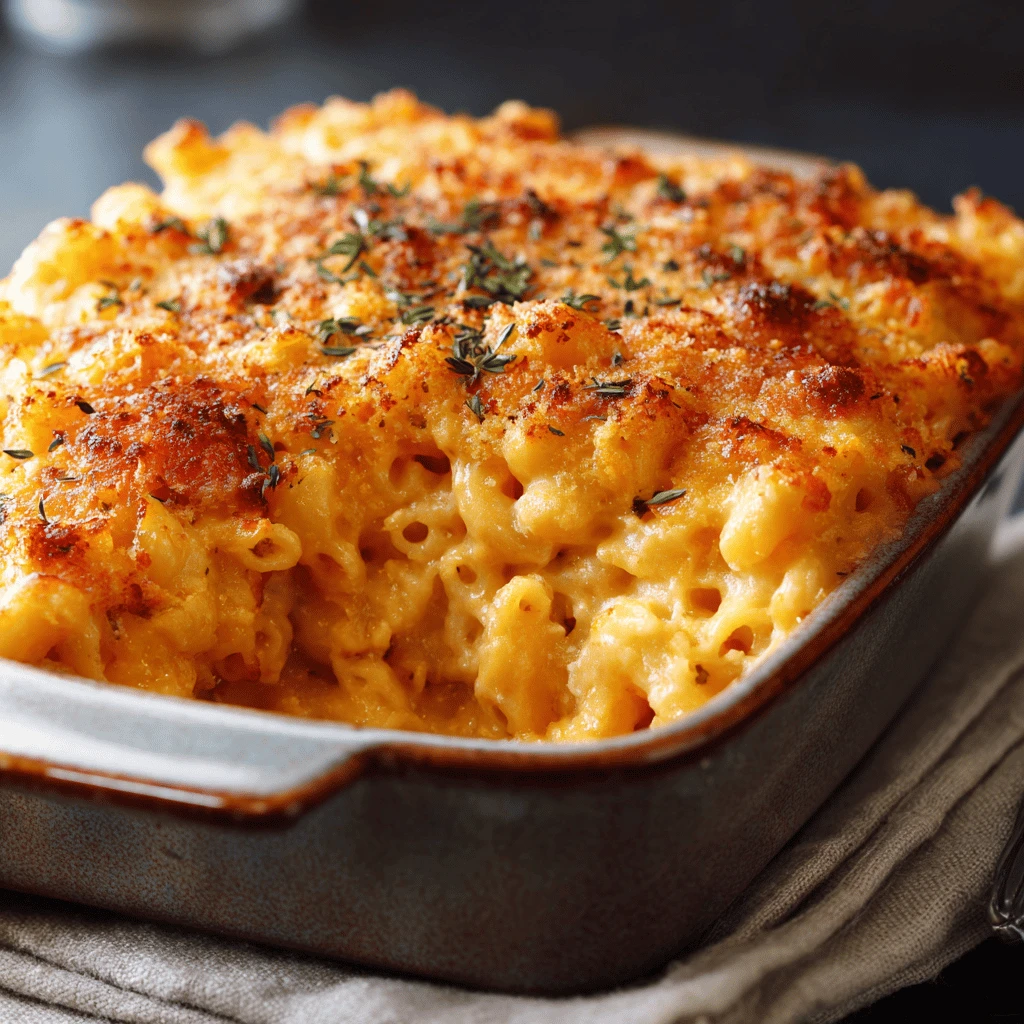
Baked Mac and Cheese: The Ultimate Thanksgiving Dish
Baked mac and cheese is more than just a side dish; it’s a comforting classic, a crowd-pleaser, and a Thanksgiving essential. Creamy, cheesy, and utterly irresistible, it’s the perfect complement to turkey, stuffing, and cranberry sauce. This guide will help you create the perfect baked mac and cheese to impress your guests this holiday season.
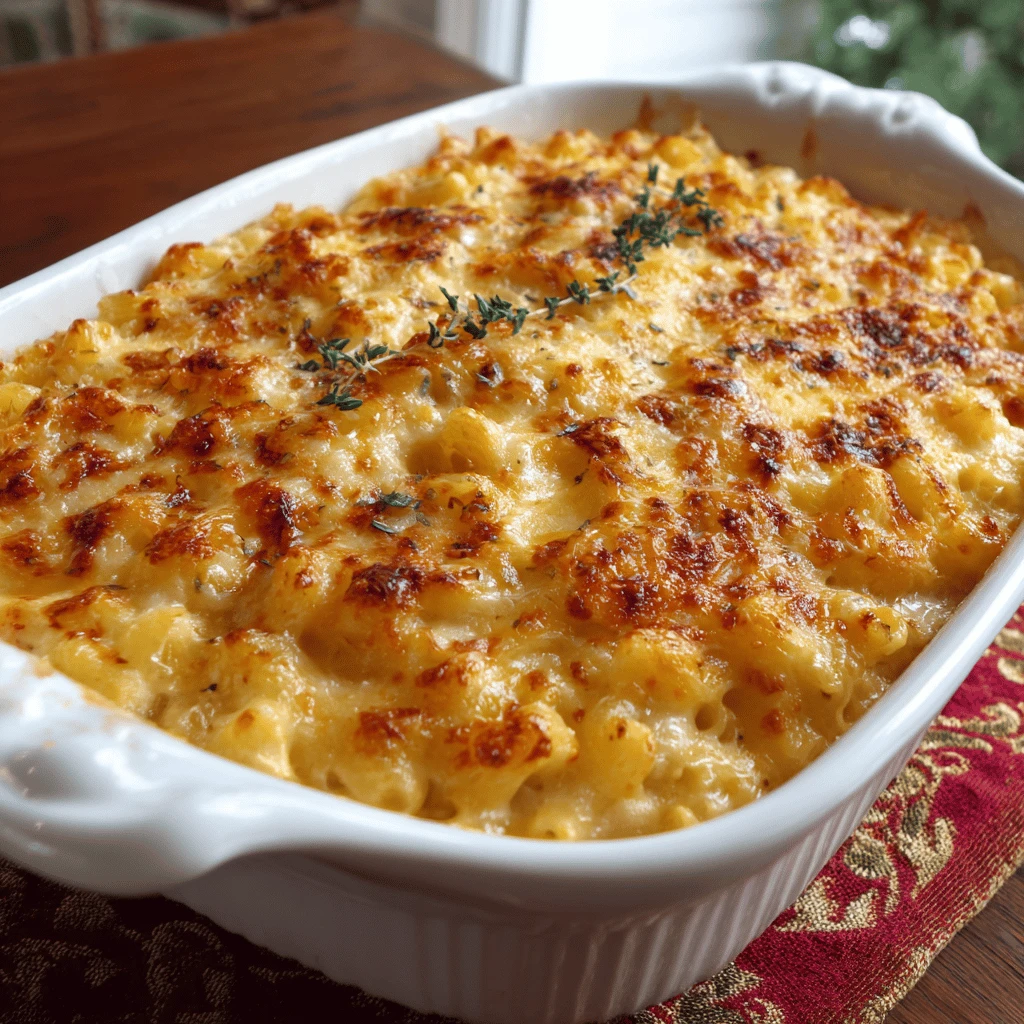
Choosing the Right Cheese for Your Baked Mac and Cheese
The key to truly exceptional baked mac and cheese lies in the cheese selection. Don’t settle for just one; a blend of cheeses creates a depth of flavor that’s simply unmatched.
Classic Cheese Choices
- Cheddar: Sharp cheddar provides that classic mac and cheese flavor we all know and love. Use a medium or sharp cheddar for the best results, and consider using a white cheddar for a slightly different flavor profile.
- Gruyere: This Swiss cheese adds a nutty, slightly earthy flavor that elevates the dish. It melts beautifully and contributes to a smooth, creamy texture.
- Monterey Jack: A mild, creamy cheese that melts well and helps bind the other cheeses together. It adds a subtle sweetness and enhances the overall creaminess.
- Provolone: Another great melting cheese that offers a slightly tangy flavor. It’s a good choice if you want to add a little complexity to your cheese blend.
Adventurous Cheese Options
- Gouda: Smoked gouda can add a wonderful smoky dimension to your mac and cheese. Use it sparingly to avoid overpowering the other flavors.
- Parmesan: Grated parmesan adds a salty, savory note and a slightly granular texture that complements the creamy cheeses.
- Fontina: A semi-soft Italian cheese with a mild, nutty flavor. It melts beautifully and adds a luxurious creaminess.
Cheese Blending Tips
Experiment with different combinations to find your perfect blend. A good starting point is a mix of sharp cheddar, Gruyere, and Monterey Jack. Remember to grate your cheese yourself for the best melting quality. Pre-shredded cheese often contains cellulose, which can prevent it from melting smoothly.
Crafting the Perfect Macaroni Base
The pasta is the foundation of your baked mac and cheese, so choosing the right type and cooking it properly are crucial steps.
Pasta Selection
Elbow macaroni is the traditional choice, but other shapes work well too. Consider using:
- Cavatappi: These corkscrew-shaped noodles have ridges that capture the cheesy sauce beautifully.
- Penne: Another great option with ridges that hold the sauce well.
- Shells: Small or medium shells are perfect for scooping up lots of cheesy goodness.
- Orecchiette: These “little ear” shaped noodles have a unique texture and hold the sauce well.
Cooking the Pasta
Cook the pasta al dente, which means “to the tooth” in Italian. It should be slightly firm to the bite, as it will continue to cook in the oven. Overcooked pasta will become mushy in the finished dish.
- Salt the Water: Use plenty of salt in the boiling water to season the pasta from the inside out.
- Don’t Rinse: Avoid rinsing the cooked pasta, as the starch on the surface helps the sauce adhere to it.
- Slightly Under cook: Since you will be baking it, slightly undercook the pasta. Aim for it to be only barely cooked.
Sauce Preparation: The Key to Creaminess
The sauce is what makes baked mac and cheese so irresistible. A roux-based sauce is the classic approach, providing a rich, creamy texture.
The Roux
A roux is a mixture of butter and flour cooked together to create a thickening agent.
- Butter: Use unsalted butter to control the saltiness of the sauce.
- Flour: All-purpose flour works well. Cook the roux over medium heat for a few minutes until it’s lightly golden and smells nutty. This cooks out the raw flour taste.
Adding the Milk and Cheese
- Milk: Whole milk or a combination of milk and cream will create the richest, creamiest sauce. Add the milk gradually, whisking constantly to prevent lumps from forming.
- Cheese: Once the sauce has thickened, remove it from the heat and stir in the grated cheese until it’s melted and smooth.
Seasoning
Don’t forget to season your sauce properly. Salt, pepper, garlic powder, onion powder, and a pinch of nutmeg are all excellent additions. Taste and adjust the seasonings as needed. You can also add a dash of hot sauce for a little kick.
Enhancements and Variations
While classic baked mac and cheese is delicious on its own, there are many ways to customize it to your liking.
Protein Additions
- Bacon: Crispy bacon adds a smoky, savory flavor.
- Ham: Diced ham is a classic addition.
- Pulled Pork: For a truly decadent mac and cheese, add some tender pulled pork.
- Lobster: For a luxurious twist, try adding cooked lobster meat.
Vegetable Additions
- Roasted Vegetables: Roasted broccoli, cauliflower, or Brussels sprouts add a healthy and flavorful element.
- Spinach: Sautéed spinach adds a boost of nutrients and a subtle earthy flavor.
- Jalapeños: For a spicy kick, add diced jalapeños.
- Sun-dried Tomatoes: These add a burst of intense, savory flavor.
Topping Ideas
The topping adds texture and visual appeal to your baked mac and cheese.
- Breadcrumbs: Use panko breadcrumbs for a crispy, golden topping. Toss them with melted butter and herbs for extra flavor.
- Crushed Crackers: Ritz crackers or other buttery crackers add a salty, crunchy element.
- Extra Cheese: Sprinkle extra cheese on top for an extra cheesy crust.
Baking Instructions
Preheat your oven to 350°F (175°C). Pour the mac and cheese mixture into a greased baking dish. Top with your desired topping and bake for 20-30 minutes, or until the topping is golden brown and the mac and cheese is bubbly. Let it cool for a few minutes before serving.
Tips for the Best Baked Mac and Cheese
- Use high-quality cheese: The better the cheese, the better the mac and cheese.
- Grate your own cheese: Pre-shredded cheese often contains cellulose, which can prevent it from melting smoothly.
- Don’t overcook the pasta: Overcooked pasta will become mushy in the finished dish.
- Season generously: Taste and adjust the seasonings as needed.
- Let it rest: Let the mac and cheese cool for a few minutes before serving to allow the sauce to thicken slightly.
Serving and Storing Your Thanksgiving Mac and Cheese
Baked mac and cheese is best served warm, straight from the oven. It’s a perfect side dish for Thanksgiving, but it’s also great for potlucks, family dinners, or any occasion where you want to impress your guests.
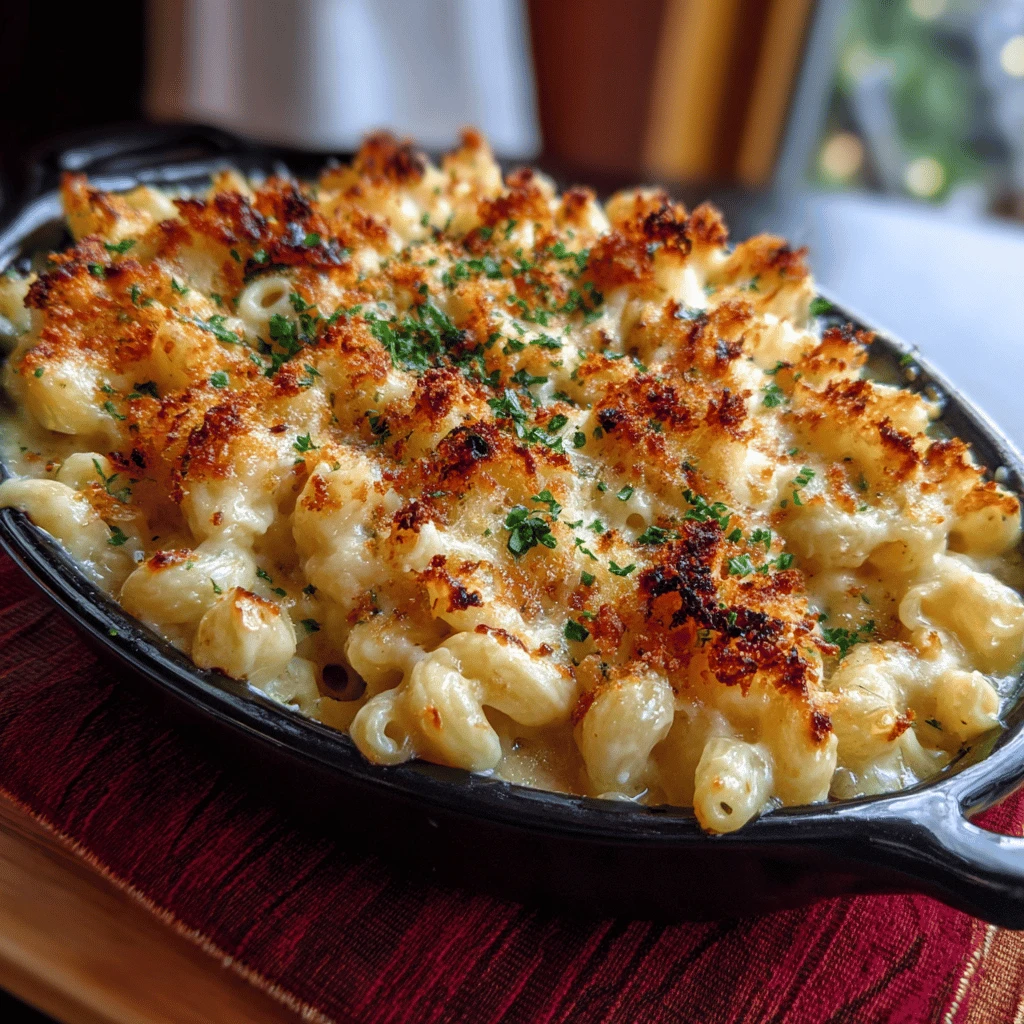
Serving Suggestions
- As a Side Dish: Serve alongside turkey, stuffing, cranberry sauce, and other Thanksgiving favorites.
- As a Main Course: Add protein and vegetables to make it a complete meal.
- With a Salad: A simple green salad provides a refreshing contrast to the richness of the mac and cheese.
Storage Instructions
- Refrigerate: Store leftover mac and cheese in an airtight container in the refrigerator for up to 3 days.
- Reheat: Reheat in the oven at 350°F (175°C) until warmed through. You may need to add a splash of milk or cream to restore the creamy texture.
- Freeze: Mac and cheese can be frozen, but the texture may change slightly upon thawing. To freeze, let the mac and cheese cool completely, then wrap it tightly in plastic wrap and foil. Freeze for up to 2 months. Thaw in the refrigerator overnight before reheating.
FAQs About Baked Mac and Cheese
- What is the best cheese to use for mac and cheese? A blend of cheeses like sharp cheddar, Gruyere, and Monterey Jack is ideal.
- How do you keep mac and cheese from drying out? Use plenty of sauce and avoid overbaking.
- Can I make mac and cheese ahead of time? Yes, you can assemble the mac and cheese ahead of time and bake it just before serving.
- What can I add to mac and cheese to make it better? Bacon, ham, roasted vegetables, and different cheeses can enhance the flavor.
- How long does baked mac and cheese last in the fridge? Up to 3 days.