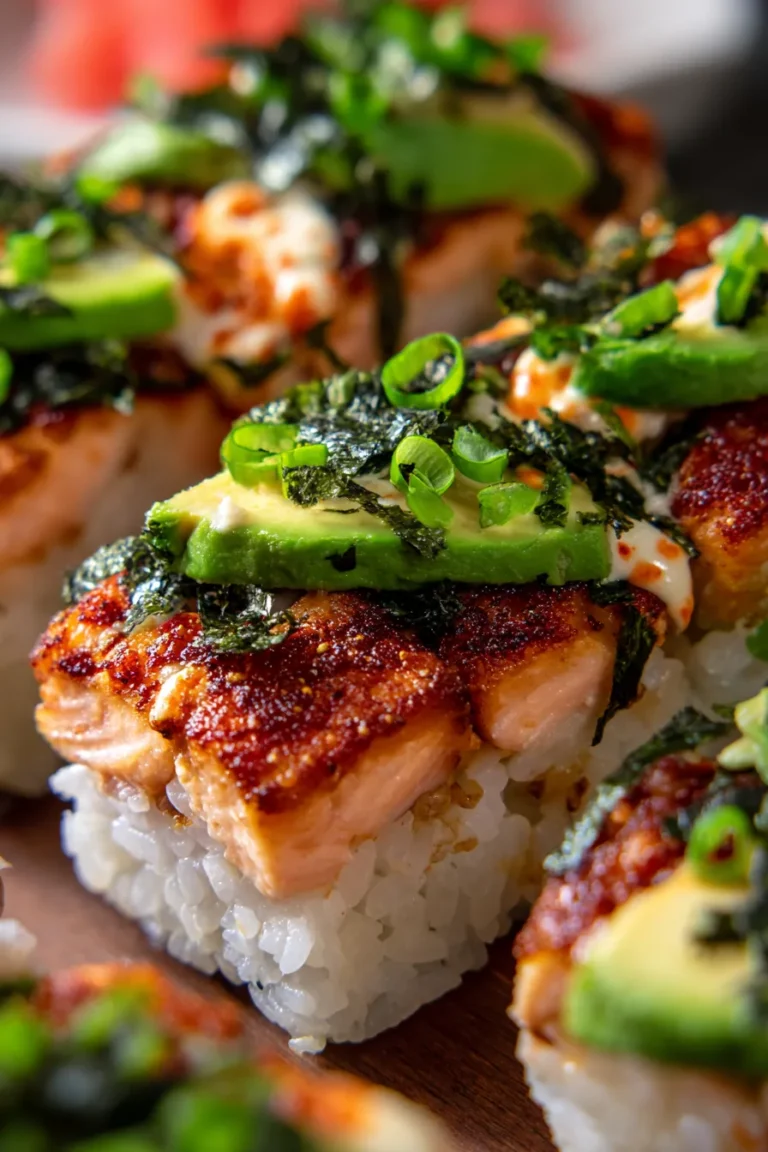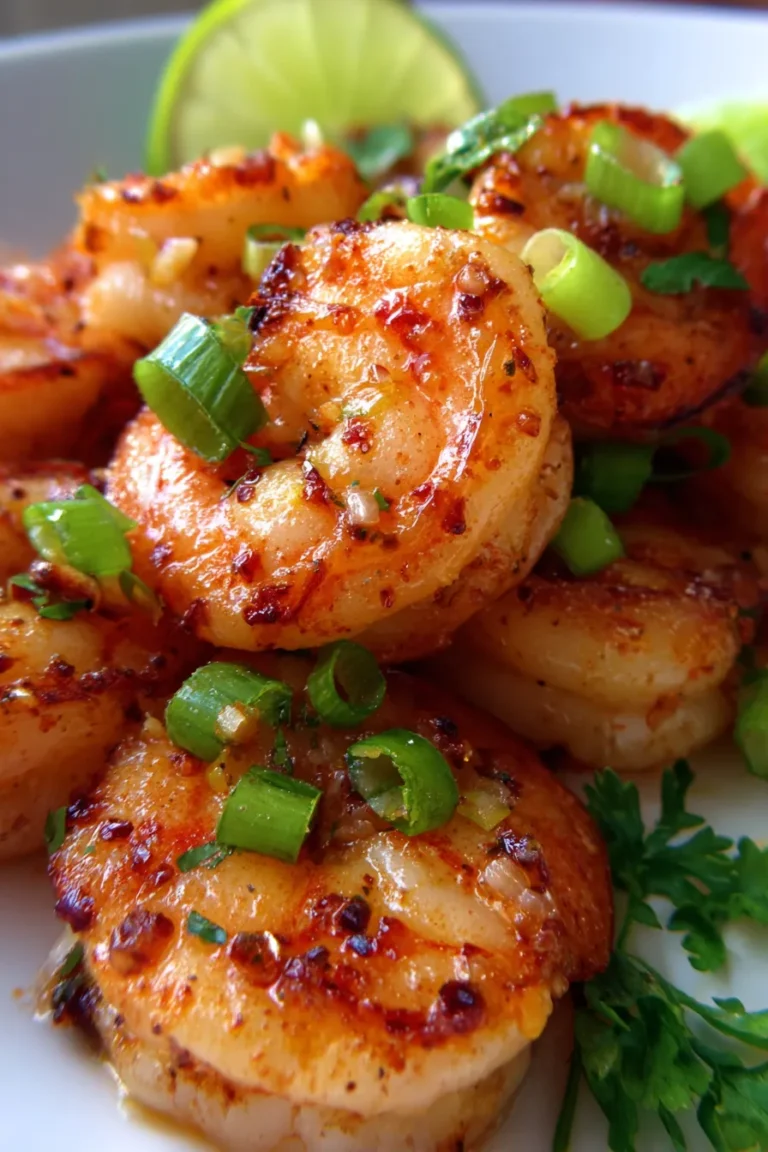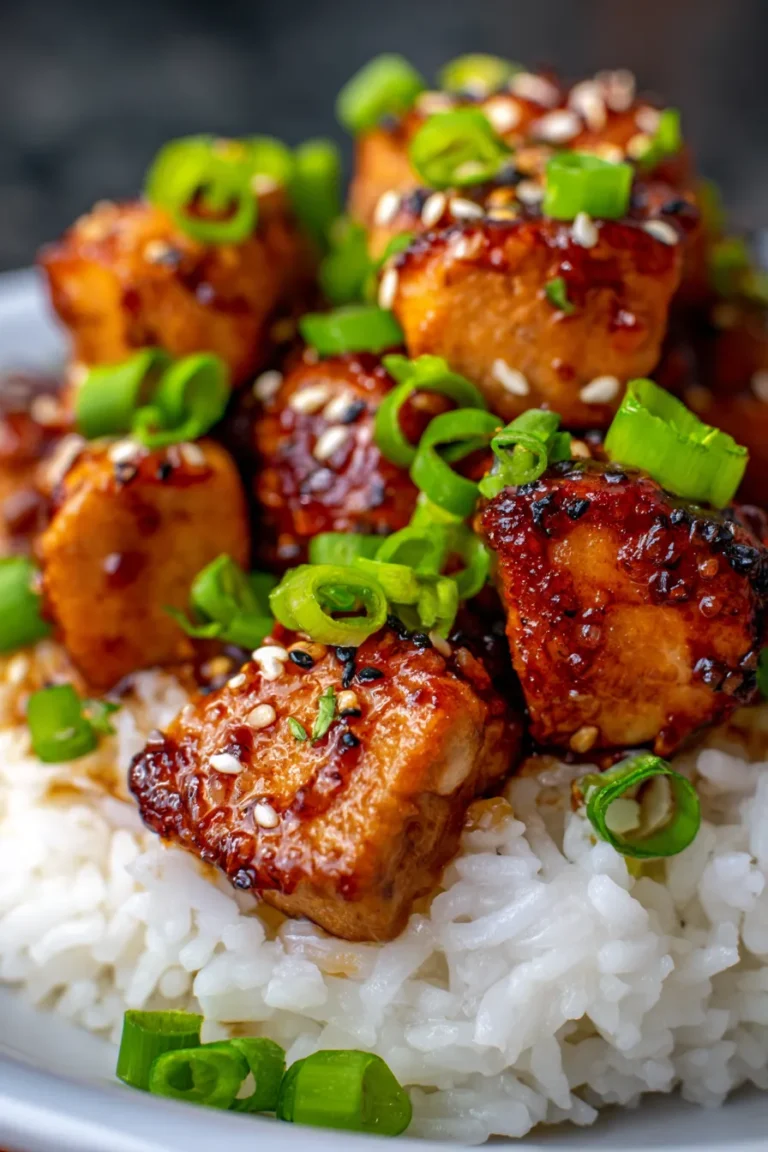
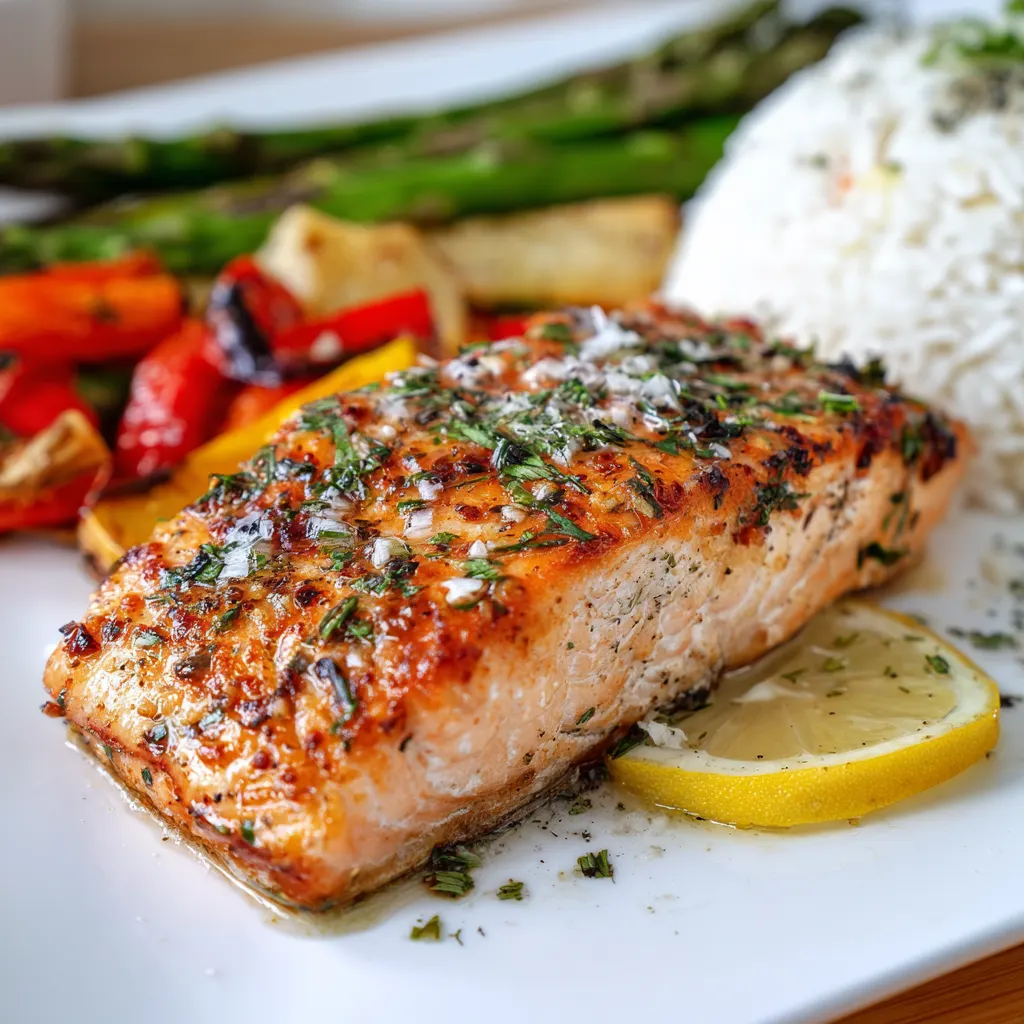
Baked salmon is the undisputed champion of fast, healthy, and impressive weeknight meals. Requiring minimal active prep time and delivering consistently moist, rich results, it transforms a simple piece of fish into a restaurant-quality centerpiece in under 20 minutes. Its inherent richness in Omega-3 fatty acids makes it a nutritional powerhouse, while its versatility ensures it never feels like a mundane rotation dinner. By mastering a few fundamental techniques—namely, the temperature, the timing, and a simple, classic flavoring—you can achieve perfectly tender, flaky salmon every single time, making dinner effortless and delicious.
Ingredients (Classic Lemon Garlic Butter Salmon)
For the Salmon:
-
4 (6-ounce) center-cut salmon fillets, about 1-1.5 inches thick (skin on is recommended)
-
1 teaspoon Kosher salt
-
½ teaspoon freshly ground black pepper
For the Glaze:
-
3 tablespoons unsalted butter, melted (or use olive oil for a dairy-free option)
-
2 teaspoons freshly minced garlic (about 3 cloves)
-
1 tablespoon fresh lemon juice
-
1 teaspoon fresh herbs, chopped (dill or parsley are ideal)
-
Lemon slices and extra fresh parsley, for serving
Step-by-Step Instructions
-
Preheat and Prep: Preheat your oven to 400°F (200°C). Line a rimmed baking sheet with aluminum foil or parchment paper for easy cleanup. If using foil, lightly mist it with cooking spray. Remove the salmon from the refrigerator and let it sit on the counter for 10–15 minutes while the oven preheats; this helps ensure even cooking.
-
Prepare the Glaze: In a small bowl, whisk together the melted butter (or olive oil), minced garlic, and lemon juice.
-
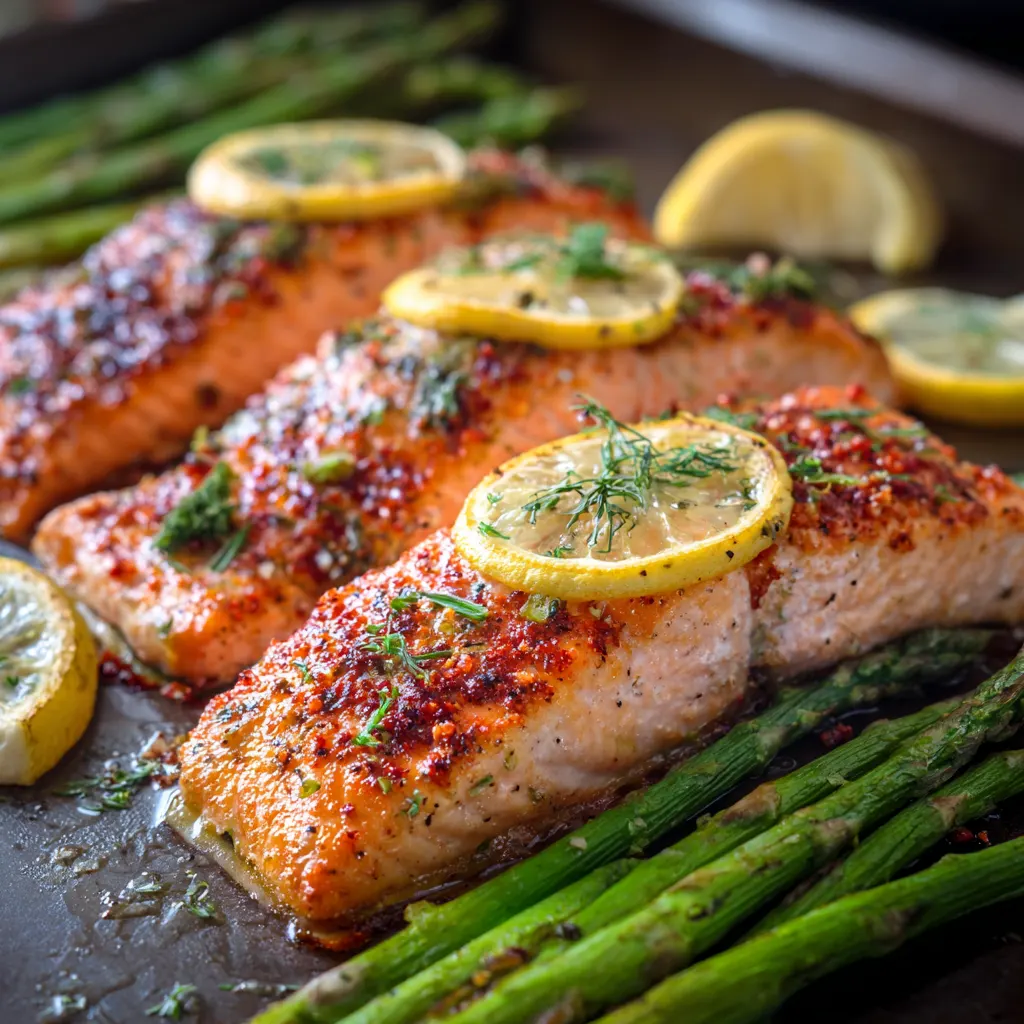
Season and Glaze: Pat the salmon fillets completely dry using a paper towel. Place them on the prepared baking sheet, skin-side down. Sprinkle the fillets evenly with salt and pepper. Spoon the prepared glaze mixture evenly over the top of the salmon, ensuring the surface is well coated. If desired, place thin slices of lemon on top of each fillet.
-
Bake: Bake for 12 to 15 minutes. The exact time depends on the thickness of the fillet and your desired level of doneness. A standard 1-inch thick fillet typically requires 12–14 minutes at 400°F.
-
Check Doneness and Rest: The salmon is done when it flakes easily with a fork at its thickest point, or when it reaches an internal temperature of 125–130°F for medium doneness. Remove the pan from the oven and let the salmon rest on the sheet for 3 minutes.
-
Serve: Garnish the baked salmon with fresh chopped herbs (dill or parsley) and serve immediately.
Choosing and Preparing Your Fillet: The Foundation of Flakiness
Achieving that moist, buttery texture begins long before the salmon hits the heat. The choices you make at the fish counter and the initial preparation steps are crucial to preventing a dry, tough result.
Fresh vs. Frozen: Quality and Convenience
While fresh salmon often seems superior, high-quality frozen salmon is an excellent, convenient, and often more cost-effective option. Many frozen fillets are flash-frozen immediately after harvest, locking in peak freshness.
-
Shopping for Fresh: Look for vibrantly colored flesh that appears moist, not dried out or discolored. The fillet should feel firm to the touch, and it should smell clean, like the sea, not strongly “fishy.”
-
Handling Frozen: If using frozen salmon, always ensure it is fully thawed before baking. The safest method is thawing overnight in the refrigerator. If time is short, place the sealed fish in a bowl under cold running water for 30–60 minutes, changing the water every 10 minutes. Never use hot water, as this compromises the texture.
Skin-On vs. Skin-Off
For baking, skin-on salmon is overwhelmingly recommended. The skin acts as a natural, protective barrier between the delicate flesh and the hot pan or baking sheet.
-
Moisture Retention: The layer of fat under the skin helps keep the fillet moist and prevents the bottom layer from overcooking or sticking.
-
Easy Removal: When the salmon is perfectly cooked, you can simply slide a thin spatula between the flesh and the skin, leaving the skin behind on the pan. For sheet pan meals where crisp skin is not the goal, cooking skin-side down is the best practice.
Essential Pre-Baking Techniques
Two simple steps are frequently overlooked, yet dramatically improve the final outcome:
-
Pat it Dry: Always use paper towels to pat the salmon fillets thoroughly dry. Excess moisture on the surface creates steam, which lowers the cooking temperature and results in a pale, boiled texture rather than a golden, caramelized exterior.
-
Room Temperature: Allowing the salmon to sit on the counter for 10 to 15 minutes before baking removes the chill. Placing cold fish directly into a hot oven results in uneven cooking—the thinner edges will be overcooked by the time the thick center is done.
Mastering the Bake: Temperature, Timing, and The Perfect Finish
Baking salmon is a race against the clock. The goal is to cook the protein just enough until it becomes flaky, but remove it before the muscle fibers seize up, releasing all the moisture and turning it dry. High heat is generally preferred for speed and moisture retention.
The Temperature Debate: 375°F vs. 400°F
While many home cooks favor 375°F (190°C), a temperature of 400°F (200°C) is often the preferred choice for individual fillets.
-
400°F: This higher temperature cooks the fish quickly (12–15 minutes), minimizing the time the outer layer spends in the oven, which in turn maximizes internal moisture. It’s ideal for thinner fillets (1 inch or less).
-
375°F: This slightly lower temperature is a safer choice for much thicker fillets (1.5 inches or more) or a very large side of salmon, as it reduces the chance of the exterior burning before the center cooks through.
Knowing When It’s Done: The Thermometer is Key
Relying solely on visual cues can be risky. An instant-read thermometer is the most reliable tool for achieving perfect doneness.
The Carryover Cook: Because the salmon continues to cook after it is removed from the oven (known as “carryover cooking”), always pull the fish when it is 5–10 degrees below your target temperature. For a perfectly moist medium fillet, remove it at 125°F and let it rest.
The Essential Step: Resting
Just like steak or chicken, salmon needs time to rest. Once removed from the heat, cover the pan loosely with foil. As the fish rests for 3–5 minutes, the residual heat finishes the cooking process, and the internal juices redistribute throughout the flesh, ensuring the texture remains succulent and tender. Skipping this step often results in the juices running onto the plate upon cutting.
Beyond Lemon-Garlic: Four Flavor Profiles for Maximum Versatility
While the classic lemon-garlic butter is a foolproof staple, baked salmon lends itself beautifully to experimentation. Having a rotation of flavor profiles prevents palate fatigue and allows you to tailor the dish to different seasonal sides or dietary needs.
1. The Sweet & Savory Glaze (Honey-Soy)
This profile utilizes the oven’s heat to caramelize a sticky glaze, resulting in a slightly crispy crust and a complex flavor.
-
Base: Whisk together low-sodium soy sauce (or tamari), honey or maple syrup, fresh grated ginger, and a splash of rice vinegar.
-
Application: Brush half of the glaze onto the salmon before baking. Bake for 10 minutes, then brush the remaining glaze on and return to the oven for the final 3–5 minutes. This two-part application prevents the sugar in the honey from burning prematurely.
2. The Robust Rub (Cajun or Southwestern)
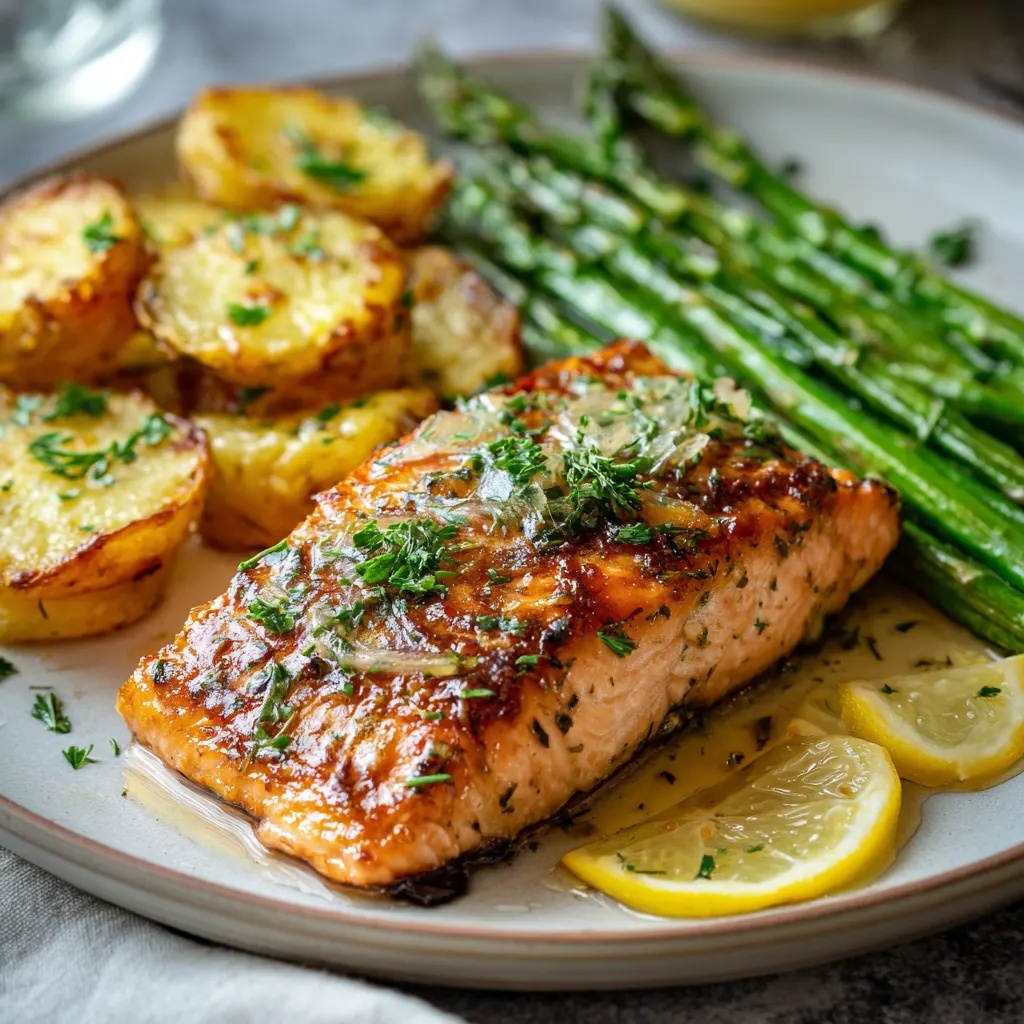
For a bolder flavor and a textural crust, skip the wet glaze and opt for a dry rub. Dry rubs are especially forgiving and minimize the “white stuff” (albumin) that sometimes leaches out of the fish.
-
Base: Mix paprika (sweet or smoked), cayenne pepper, garlic powder, onion powder, dried oregano, thyme, salt, and pepper.
-
Application: Pat the salmon dry, brush lightly with olive oil, then rub the spice mix generously over the top and sides of the fillets. Bake as directed.
3. The Umami-Rich Marinade (Miso)
Japanese-inspired marinades provide deep, savory flavor, perfect when serving with rice or soba noodles.
-
Base: Whisk together white miso paste, sake or mirin, a little sugar, and sesame oil.
-
Application: Marinate the salmon for at least 30 minutes (or up to 4 hours) in the refrigerator. Wipe off most of the marinade before baking to prevent the miso from burning, and then bake at 400°F.
4. The Quick Sheet-Pan Meal
The “easy dinner” concept is perfected when the side dish cooks simultaneously with the salmon.
-
Method: Choose vegetables that cook in roughly the same time frame as salmon (15–20 minutes), such as asparagus, broccoli florets, cherry tomatoes, or thin-sliced zucchini. Toss the vegetables with olive oil, salt, and pepper, and spread them out on the baking sheet. Place the seasoned salmon fillets among the vegetables, and bake at 400°F. If using thicker root vegetables like potatoes, cut them small or pre-roast them for 10 minutes before adding the salmon.
Complete the Meal: Ideal Sides and Storing Leftovers
An easy baked salmon requires an equally easy supporting cast. The best sides are those that offer a contrasting texture or a complimentary flavor profile, and, most importantly, can be prepared with minimal fuss.
Perfect Pairings for Baked Salmon
-
Roasted Asparagus and Green Beans: These fibrous vegetables cook quickly alongside salmon on a sheet pan. Tossed with a little olive oil and salt, they provide a satisfying crisp-tender texture that balances the richness of the fish.
-
Mashed or Roasted Potatoes: A creamy carbohydrate base, like garlic mashed potatoes or herb-roasted potato cubes, is perfect for soaking up any buttery pan juices.
-
Fluffy Grains: Rice (white, brown, or wild), quinoa, or farro provide a light, healthy base for building a complete protein bowl.
-
Simple Salad: For the freshest dinner, serve the hot salmon next to a crisp salad of mixed greens, cucumber, and a light lemon vinaigrette.
Troubleshooting and Storage Tips
-
Why is my salmon oozing white stuff? This white substance is called albumin, a protein pushed out as the muscle fibers contract from the heat. It is harmless, but can be prevented by keeping the baking temperature slightly lower (375°F) or ensuring the salmon is not overcooked. Patting the salmon dry before seasoning can also help minimize this.
-
Preventing Sticking: Always use a non-stick liner, such as foil or parchment paper. If you skip the liner, lightly brush your baking pan with oil before placing the salmon skin-side down.
-
Storing Leftovers: Baked salmon is excellent for meal prep. Store cooked fillets in an airtight container in the refrigerator for 3 to 4 days.
-
Reheating and Repurposing: Avoid reheating salmon in the microwave, as this dries it out and intensifies the odor. Instead, reheat gently in the oven at 275°F (135°C) until warmed through (about 10–15 minutes). Alternatively, leftover cold salmon is fantastic flaked over a Caesar or Niçoise salad, mixed into scrambled eggs, or folded into pasta salad for a quick lunch.