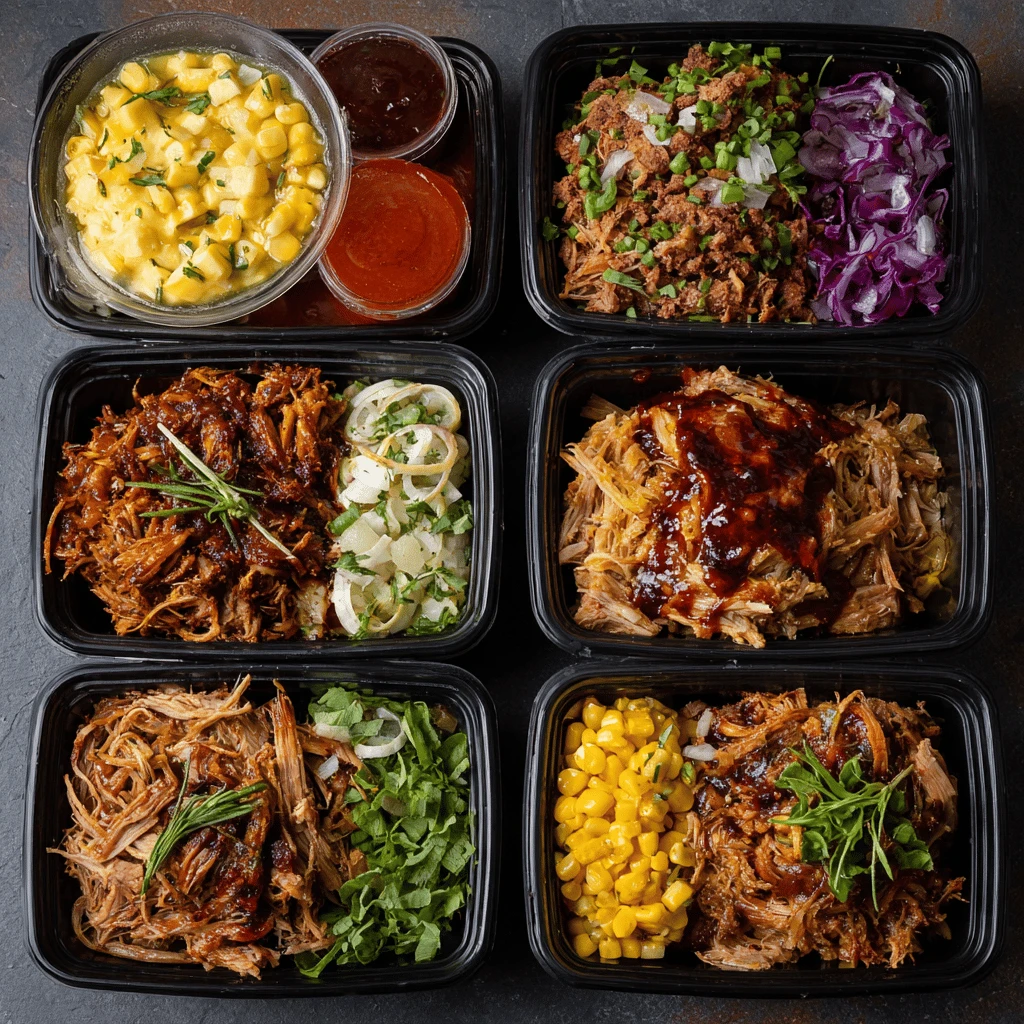
BBQ Pulled Pork Meal Prep: Your Ultimate Guide to Delicious & Easy Meals
Pulled pork is a barbecue classic, and turning it into a meal prep staple is a game-changer. Imagine having delicious, protein-packed lunches and dinners ready to go throughout the week, all thanks to a few hours of cooking and preparation. This guide will walk you through everything you need to know to create amazing BBQ pulled pork meal preps, covering everything from choosing the right cut of pork to creating exciting variations and ensuring proper storage.
Choosing the Right Pork and Mastering the BBQ
The foundation of any great pulled pork meal prep is, of course, the pork itself. Selection and cooking technique are key to success.
Selecting Your Cut: Pork Shoulder vs. Pork Loin
When it comes to pulled pork, pork shoulder (also known as Boston butt) is the undisputed champion. Here’s why:
- Higher Fat Content: Pork shoulder has a generous amount of fat marbling throughout, which renders during the cooking process. This creates incredibly tender and flavorful pulled pork.
- More Forgiving: The fat content also makes pork shoulder more forgiving to cook. It can withstand longer cooking times at lower temperatures without drying out.
- Cost-Effective: Pork shoulder is typically more affordable than other cuts of pork, making it a budget-friendly choice for meal prep.
While pork loin is leaner and can be used, it’s not ideal for pulled pork. It tends to dry out easily and lacks the rich flavor that comes from the fat in pork shoulder. If you do opt for pork loin, be sure to monitor it carefully and baste it frequently to keep it moist.
BBQ Techniques: Slow Cooker, Oven, and Smoker
There are several ways to cook pulled pork, each with its own advantages:
- Slow Cooker: The slow cooker is a hands-off method perfect for busy weeknights. Simply place the pork shoulder in the slow cooker with your favorite BBQ sauce or dry rub, set it on low, and let it cook for 8-10 hours. The slow, consistent heat ensures tender, juicy pulled pork.
- Oven: The oven is another reliable option. Preheat your oven to a low temperature (around 275°F or 135°C) and cook the pork shoulder for 6-8 hours, or until it’s easily shredded with a fork. Using a Dutch oven can help retain moisture.
- Smoker: For an authentic BBQ flavor, the smoker is the way to go. Smoking the pork shoulder at a low temperature (around 225°F or 107°C) for 10-12 hours will impart a rich, smoky flavor that’s hard to beat. Use wood chips like hickory, mesquite, or applewood for added depth.
Dry Rub vs. BBQ Sauce: Flavor Profiles
Before cooking, you’ll need to decide whether to use a dry rub or BBQ sauce. Both can create delicious pulled pork, but they offer different flavor profiles.
- Dry Rub: A dry rub typically consists of a blend of spices, such as paprika, brown sugar, garlic powder, onion powder, chili powder, cumin, and salt and pepper. Applying a dry rub to the pork shoulder before cooking allows the spices to penetrate the meat and create a flavorful crust.
- BBQ Sauce: BBQ sauce adds moisture and sweetness to the pulled pork. You can use your favorite store-bought BBQ sauce or make your own. Popular BBQ sauce flavors include tangy vinegar-based sauces, sweet and smoky sauces, and spicy sauces.
You can also combine both methods by using a dry rub and then adding BBQ sauce during the last hour of cooking. This will give you the best of both worlds: a flavorful crust and a moist, saucy finish.
Building Your Meal Prep: Ingredients and Combinations
Once your pulled pork is cooked and shredded, it’s time to build your meal preps. The possibilities are endless, but here are a few ideas to get you started.
Classic Combinations: Rice, Salad, and Wraps
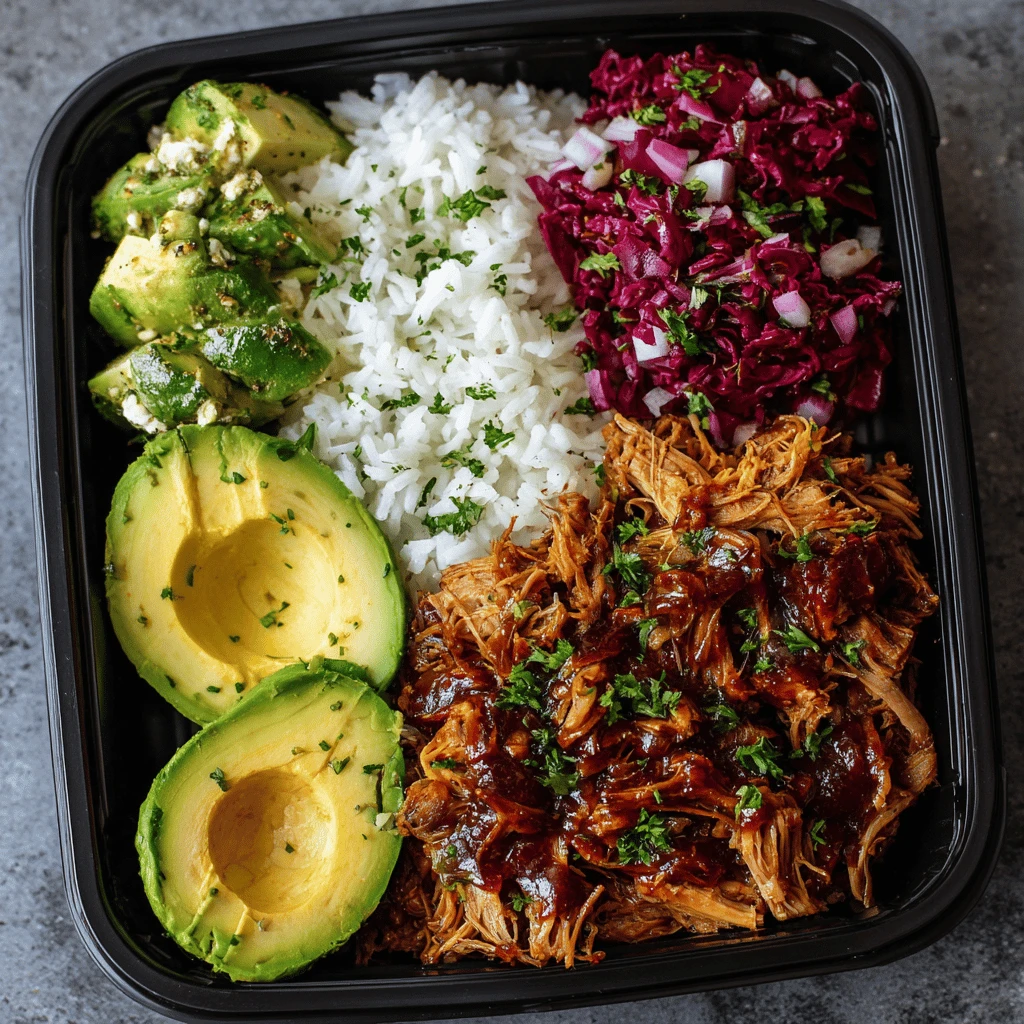
- Pulled Pork Rice Bowls: Combine pulled pork with cooked rice (brown rice, quinoa, or white rice), your favorite veggies (such as corn, black beans, bell peppers, and onions), and a drizzle of BBQ sauce. You can also add a dollop of plain yogurt or sour cream for extra creaminess.
- Pulled Pork Salad: Top a bed of mixed greens with pulled pork, shredded cheese, diced tomatoes, cucumbers, and a light vinaigrette dressing. You can also add crunchy elements like crumbled tortilla chips or toasted nuts.
- Pulled Pork Wraps: Fill whole-wheat tortillas with pulled pork, shredded lettuce, sliced tomatoes, and a drizzle of BBQ sauce or a spicy mayo. You can also add other fillings like coleslaw, avocado, or pickled onions.
Low-Carb Options: Cauliflower Rice and Lettuce Wraps
For those following a low-carb diet, there are plenty of ways to enjoy pulled pork meal preps.
- Pulled Pork Cauliflower Rice Bowls: Replace rice with cauliflower rice and combine it with pulled pork, your favorite low-carb veggies (such as broccoli, zucchini, and mushrooms), and a sugar-free BBQ sauce.
- Pulled Pork Lettuce Wraps: Use large lettuce leaves (such as butter lettuce or romaine lettuce) as wraps and fill them with pulled pork, shredded carrots, diced cucumbers, and a dollop of plain yogurt or sour cream.
Creative Twists: Sweet Potato and Cornbread
- Pulled Pork Stuffed Sweet Potatoes: Bake sweet potatoes until tender and then top them with pulled pork, shredded cheese, and a dollop of plain yogurt or sour cream. This is a hearty and satisfying meal that’s packed with nutrients.
- Pulled Pork Cornbread Bowls: Crumble cornbread into a bowl and top it with pulled pork, coleslaw, and a drizzle of BBQ sauce. This is a Southern-inspired meal that’s perfect for comfort food cravings.
Enhancing Flavor and Texture: Sauces, Sides, and Toppings
To take your pulled pork meal preps to the next level, consider adding flavorful sauces, sides, and toppings.
Homemade BBQ Sauce Variations
Experiment with different BBQ sauce recipes to find your perfect flavor profile. Here are a few ideas:
- Tangy Vinegar-Based BBQ Sauce: Combine apple cider vinegar, ketchup, brown sugar, Worcestershire sauce, and spices for a tangy and flavorful sauce.
- Sweet and Smoky BBQ Sauce: Combine ketchup, molasses, brown sugar, smoked paprika, and liquid smoke for a sweet and smoky sauce.
- Spicy BBQ Sauce: Add chili powder, cayenne pepper, or hot sauce to your favorite BBQ sauce recipe for a spicy kick.
Complementary Sides: Coleslaw, Mac and Cheese, and Baked Beans
Choose sides that complement the flavor of the pulled pork and add variety to your meal prep.
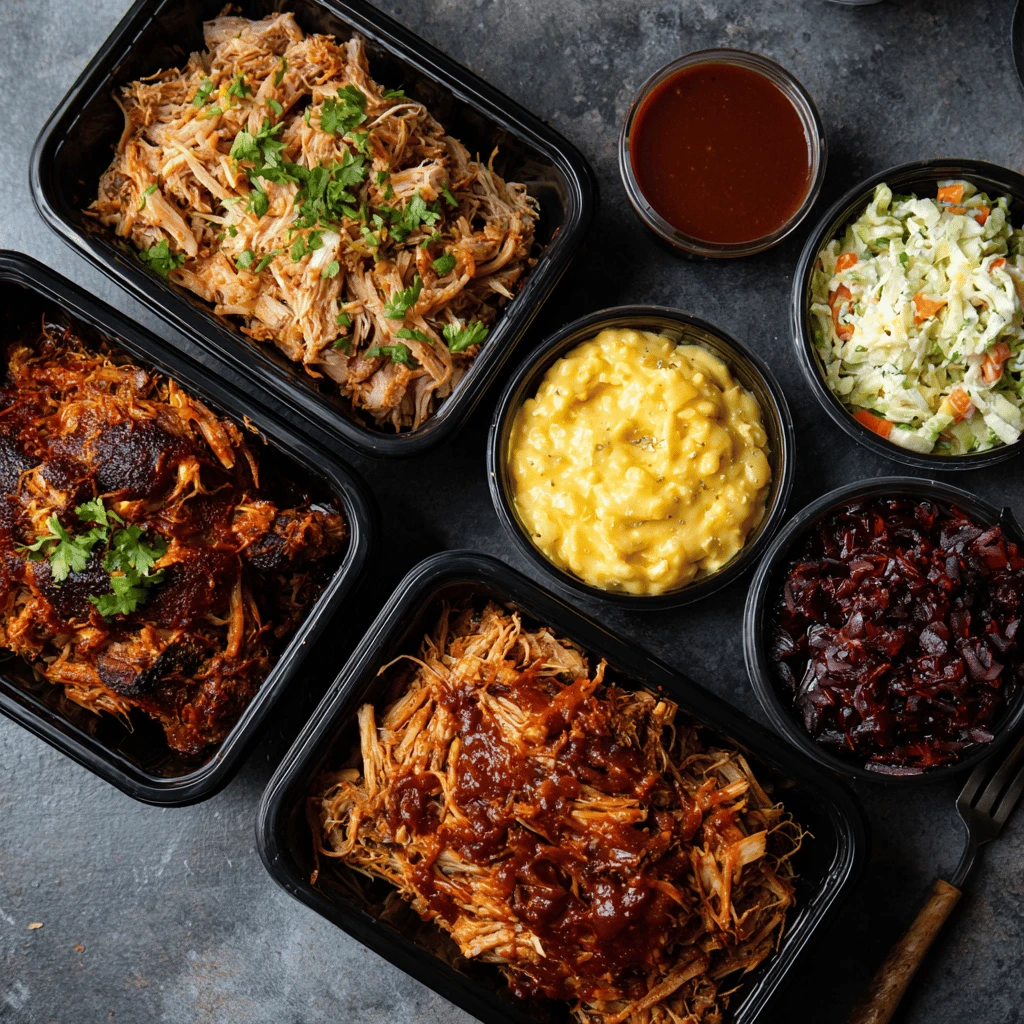
- Coleslaw: A classic BBQ side, coleslaw adds a refreshing crunch to your meal. You can make it with shredded cabbage, carrots, and a creamy or vinegar-based dressing.
- Mac and Cheese: A comfort food favorite, mac and cheese pairs well with pulled pork. You can make it from scratch or use a boxed mix.
- Baked Beans: Another classic BBQ side, baked beans add sweetness and heartiness to your meal. You can make them from scratch or use canned beans.
Flavorful Toppings: Pickled Onions, Jalapeños, and Crunchy Onions
Add toppings to your pulled pork meal preps for extra flavor and texture.
- Pickled Onions: Pickled onions add a tangy and slightly sweet flavor that complements the richness of the pulled pork.
- Jalapeños: Sliced jalapeños add a spicy kick to your meal.
- Crunchy Onions: Crispy fried onions add a satisfying crunch.
Proper Storage and Reheating Techniques
Proper storage and reheating techniques are essential for maintaining the quality and safety of your pulled pork meal preps.
Safe Storage: Refrigeration and Freezing
- Refrigeration: Store cooked pulled pork in an airtight container in the refrigerator for up to 3-4 days. Make sure to cool the pork down to room temperature before refrigerating it to prevent bacterial growth.
- Freezing: For longer storage, freeze the pulled pork in an airtight container or freezer bag for up to 2-3 months. Thaw it in the refrigerator overnight before reheating.
Reheating Methods: Microwave, Oven, and Skillet
- Microwave: Reheat pulled pork in the microwave on medium heat for 1-2 minutes, or until heated through. Add a splash of water or BBQ sauce to prevent it from drying out.
- Oven: Reheat pulled pork in the oven at 300°F (150°C) for 15-20 minutes, or until heated through. Wrap it in foil to prevent it from drying out.
- Skillet: Reheat pulled pork in a skillet over medium heat for 5-7 minutes, or until heated through. Add a splash of water or BBQ sauce to prevent it from drying out.
Troubleshooting and Common Mistakes
Even with the best intentions, things can sometimes go wrong. Here are some common mistakes and how to avoid them:
Dry Pulled Pork: Hydration Tips
- Don’t Overcook: Overcooking is the primary reason for dry pulled pork. Use a meat thermometer and pull the pork when it reaches an internal temperature of around 203°F (95°C).
- Add Moisture: If your pulled pork is dry, add a splash of apple cider vinegar, BBQ sauce, or broth to rehydrate it. You can also add a pat of butter or a drizzle of olive oil.
Bland Flavor: Seasoning and Marinades
- Season Generously: Don’t be afraid to season the pork shoulder generously with your favorite dry rub or BBQ sauce.
- Marinate: Marinating the pork shoulder overnight can help infuse it with flavor and keep it moist.
Tough Pulled Pork: Cooking Time and Temperature
- Cook Low and Slow: Cooking the pork shoulder at a low temperature for a long time is key to breaking down the connective tissue and creating tender pulled pork.
- Be Patient: Don’t rush the cooking process. It may take longer than expected, but the results will be worth it.
Avoiding Soggy Meal Preps
- Separate Wet and Dry Ingredients: When packing your meal preps, keep wet ingredients (like BBQ sauce and coleslaw) separate from dry ingredients (like rice and cornbread) until you’re ready to eat. This will prevent the dry ingredients from becoming soggy.
- Vent Containers: When storing hot food in airtight containers, allow it to cool slightly before sealing the lid. This will prevent condensation from forming and making your meal prep soggy.
FAQ: Answering Your Burning Pulled Pork Questions
Here are some frequently asked questions about BBQ pulled pork meal prep:
- How long does pulled pork last in the fridge? Cooked pulled pork will last for 3-4 days in the refrigerator when stored in an airtight container.
- Can I freeze pulled pork? Yes, you can freeze pulled pork for up to 2-3 months. Thaw it in the refrigerator overnight before reheating.
- What is the best way to reheat pulled pork? You can reheat pulled pork in the microwave, oven, or skillet. Add a splash of water or BBQ sauce to prevent it from drying out.
- What are some good side dishes for pulled pork? Classic sides for pulled pork include coleslaw, mac and cheese, baked beans, and cornbread.
- Can I make pulled pork in an Instant Pot? Yes, you can make pulled pork in an Instant Pot. It’s a faster method than the slow cooker or oven.
- What is the best cut of pork for pulled pork? Pork shoulder (Boston butt) is the best cut of pork for pulled pork because it has a higher fat content, which renders during cooking and creates tender, flavorful results.