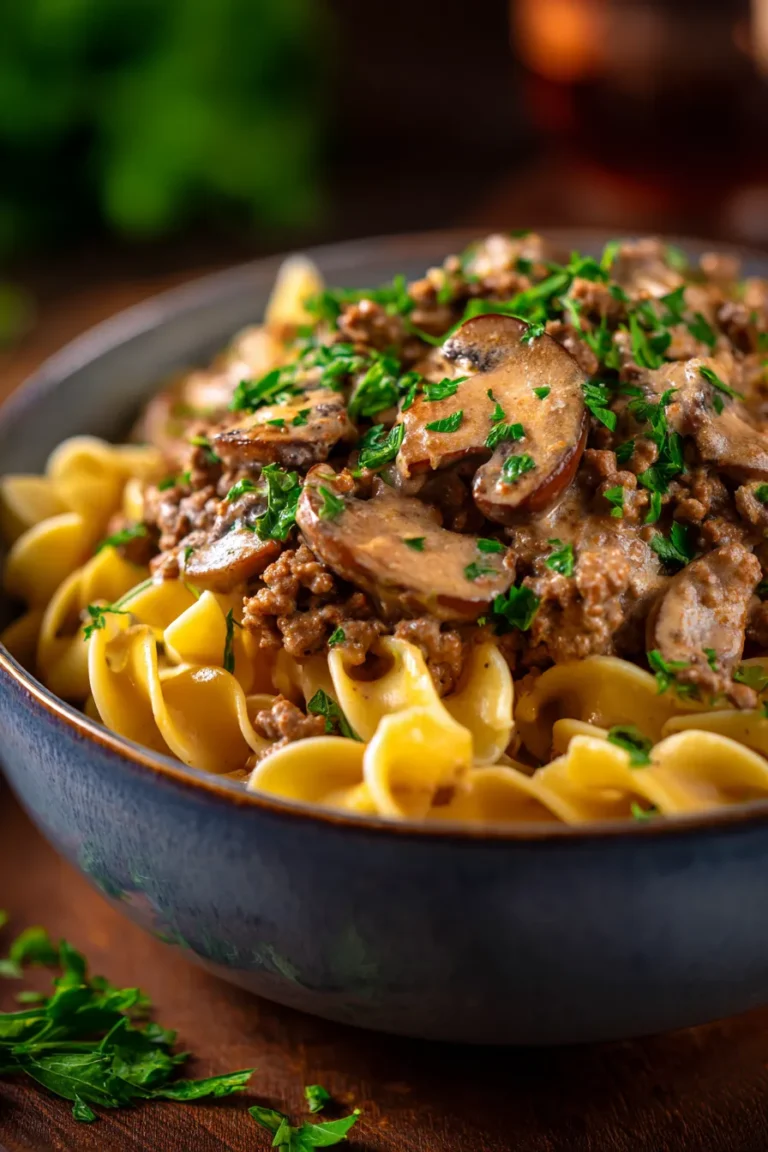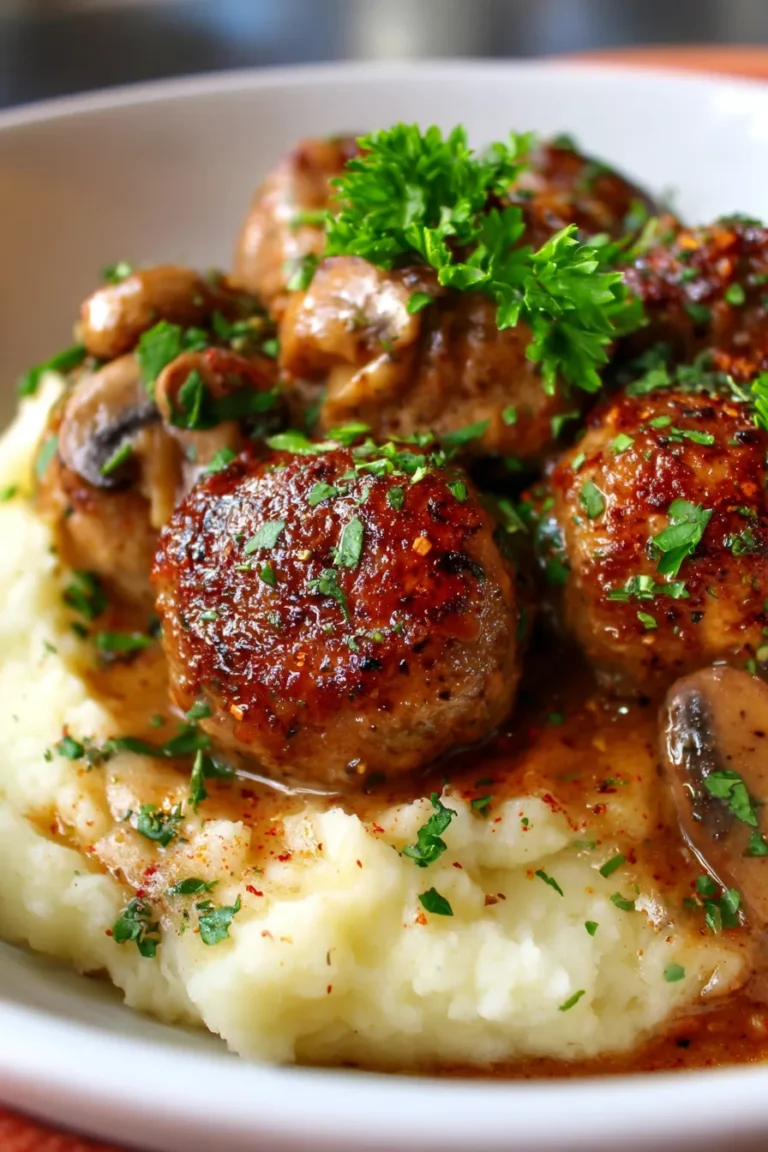
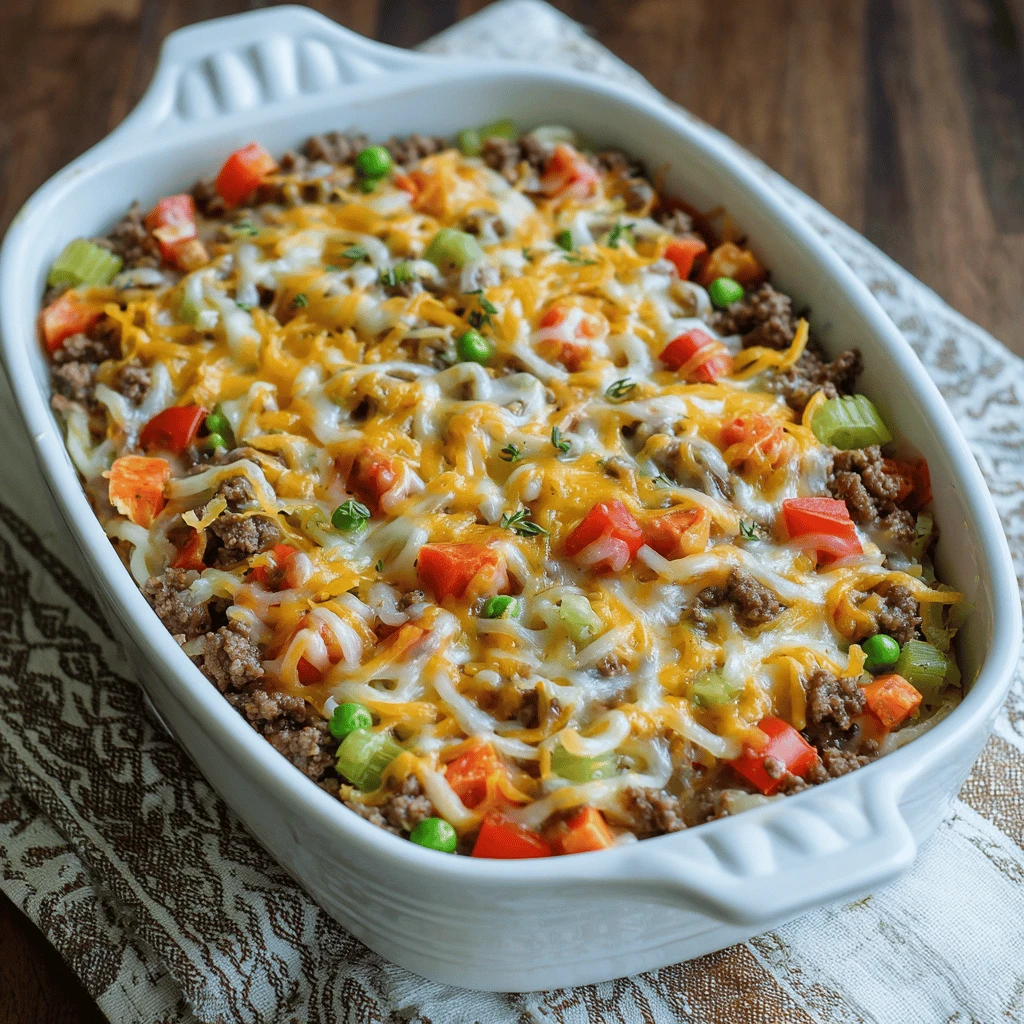
Beef and Vegetable Casserole
Ingredients
- 1 pound ground beef
- 1 large onion, chopped
- 2 carrots, peeled and sliced
- 2 celery stalks, chopped
- 1 (10.75 ounce) can condensed cream of mushroom soup
- 1 (10.75 ounce) can condensed cream of celery soup
- 1 (14.5 ounce) can diced tomatoes, undrained
- 1 cup frozen peas
- 1 cup frozen corn
- 1 teaspoon dried thyme
- 1/2 teaspoon salt
- 1/4 teaspoon black pepper
- 1 cup shredded cheddar cheese (optional)
- 1 cup mashed potatoes (optional topping)
Step-by-Step
1. Preheat oven to 375°F (190°C).
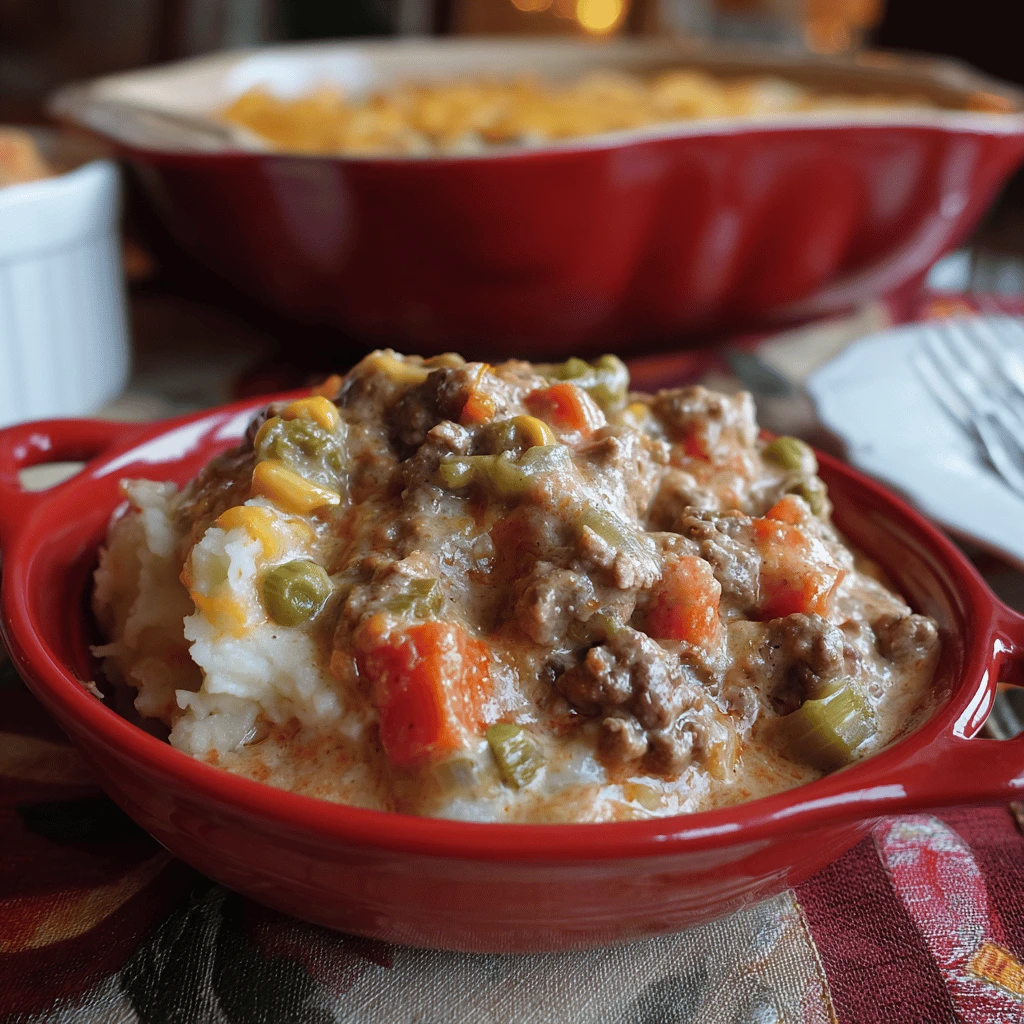
2. In a large skillet, brown the ground beef over medium-high heat. Drain off any excess grease.
3. Add the chopped onion, carrots, and celery to the skillet. Cook until softened, about 5-7 minutes.
4. Stir in the cream of mushroom soup, cream of celery soup, and diced tomatoes.
5. Add the frozen peas, frozen corn, dried thyme, salt, and pepper. Mix well to combine.
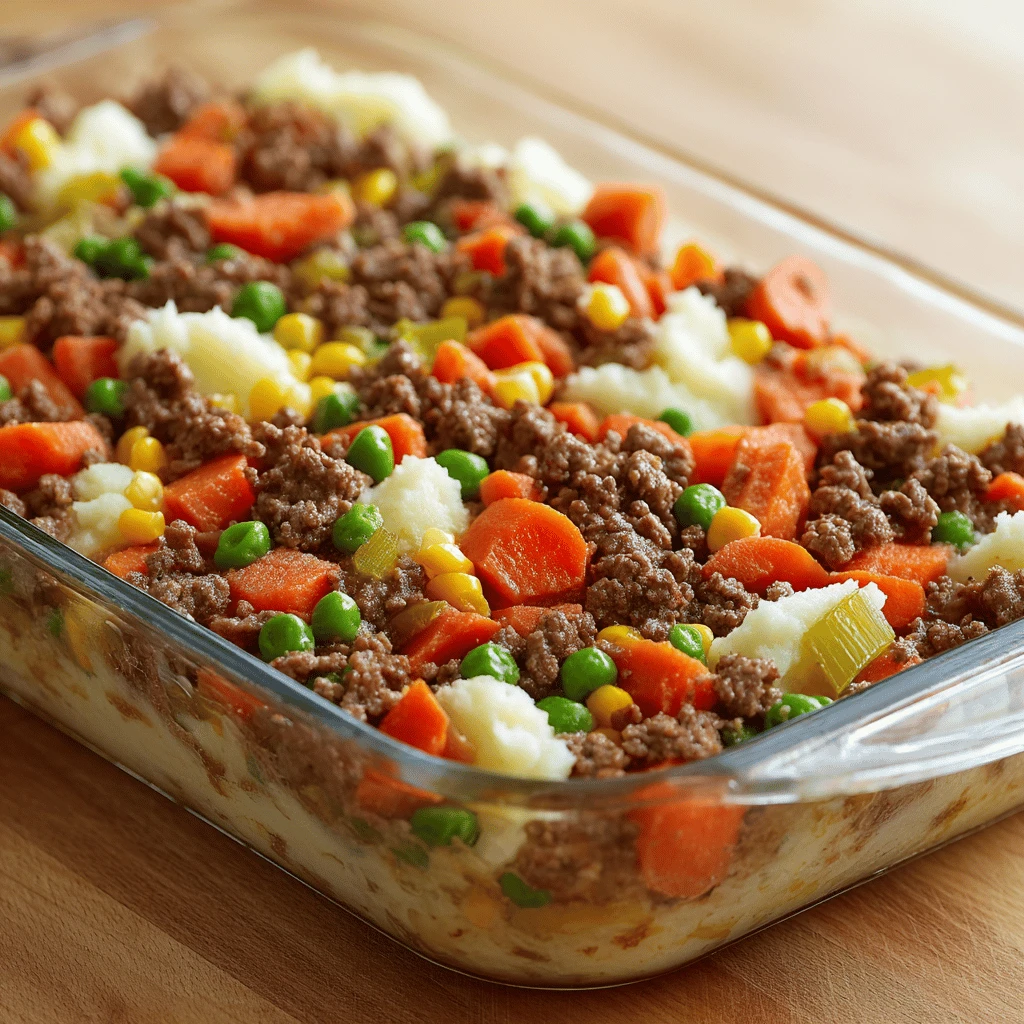
6. Pour the beef and vegetable mixture into a 9×13 inch baking dish.
7. If desired, sprinkle shredded cheddar cheese evenly over the top. Or, spread mashed potatoes evenly for a creamy topping.
8. Bake for 20-25 minutes, or until heated through and bubbly. If using cheese, bake until the cheese is melted and golden brown.
9. Let stand for a few minutes before serving.
The Allure of Beef and Vegetable Casserole
Beef and vegetable casserole: a comforting classic. It is a dish that transcends generations. Few recipes offer such a delightful combination of savory beef, tender vegetables, and creamy textures.
This family-friendly meal is not only delicious, but also incredibly versatile. You can easily adapt it to your personal preferences and dietary needs.
Why This Casserole Reigns Supreme
It is a complete meal in one dish. Protein, vegetables, and even a starch (if you include mashed potatoes) combine for a balanced and satisfying experience. Minimal cleanup is a huge draw for busy weeknights.
Mastering the Beef Component
The beef is the star of this casserole. Choosing the right type and preparing it properly is crucial for success.
Selecting the Best Beef
Ground beef is the most common and affordable choice. Opt for a lean ground beef (85/15) to minimize grease. You can substitute ground turkey or chicken for a healthier alternative. If you want something a little different, try using cubed stew meat, browned before adding to the casserole.
Achieving Perfect Browning
Browning the beef before adding it to the casserole is key to developing rich flavor. Make sure not to overcrowd the pan. Overcrowding will steam the beef rather than brown it. Drain off any excess grease after browning to prevent a greasy final product.
Flavor Enhancements for the Beef
Consider adding a splash of Worcestershire sauce to the beef while it’s browning. This adds depth and umami. A pinch of smoked paprika also enhances the savory notes. A bay leaf simmered with the beef during the initial cooking stage will also add depth of flavor, but remember to remove it before assembling the casserole.
Veggie Variety: Building Flavor and Nutrition
The vegetable component of this casserole is where you can truly get creative. Experiment with different combinations to find your perfect blend.
Choosing Your Vegetables
Classic choices like carrots, celery, peas, and corn are always a safe bet. Green beans, broccoli florets, or mushrooms can also add a pleasant texture and flavor. Roasting your vegetables before adding them to the casserole brings out sweetness and complexity.
Fresh vs. Frozen vs. Canned
Fresh vegetables offer the best flavor and texture. However, frozen vegetables are a convenient and nutritious alternative. Canned vegetables work in a pinch, but be sure to drain them well to avoid a soggy casserole.
Seasoning the Vegetables
Don’t underestimate the power of seasoning. A simple blend of salt, pepper, and dried thyme is a good starting point. Garlic powder, onion powder, or Italian seasoning can add extra layers of flavor. Fresh herbs like rosemary or parsley elevate the dish even further.
Creamy Dreamy: The Sauce That Binds
The sauce is what brings all the components of the casserole together. The right sauce creates a cohesive and comforting dish.
Soup-Based Sauces
Condensed cream of mushroom or cream of celery soup are classic choices for a reason. They are easy to use and provide a creamy, comforting base. You can substitute cream of chicken or cream of cheddar soup for different flavor profiles.
Making Your Own Sauce
For a healthier option, make your own sauce from scratch. A simple roux (butter and flour) whisked with milk or broth creates a creamy base. Season with salt, pepper, and your favorite herbs. Cheese sauces also add a flavorful boost.
Adjusting the Consistency
If your sauce is too thick, add a little milk or broth to thin it out. If it’s too thin, simmer it uncovered to reduce the liquid. A cornstarch slurry (cornstarch mixed with cold water) can also be used to thicken the sauce.
Toppings and Variations: Adding Your Personal Touch
The topping is the finishing touch that elevates the casserole to the next level. Don’t be afraid to experiment and find your favorite.
Cheese, Please!
Shredded cheddar cheese is a classic topping choice. Monterey Jack, mozzarella, or a blend of cheeses also work well. Sprinkle the cheese evenly over the top of the casserole before baking.
Potato Power
Mashed potatoes are a hearty and satisfying topping. You can use homemade or store-bought mashed potatoes. For a crispy topping, pipe the mashed potatoes onto the casserole before baking. Scalloped potatoes can also be used as a topping.
Crumbly Goodness
A breadcrumb topping adds texture and crunch. Combine breadcrumbs with melted butter and your favorite herbs. Panko breadcrumbs offer a particularly satisfying crunch. Crushed crackers or even potato chips can add a unique twist.
Creative Variations
Try adding different types of beans, like kidney or black beans, for a heartier casserole. Add a layer of cooked rice or pasta to the bottom of the baking dish. Top with a sprinkle of fresh parsley or chives before serving. Use leftover roast beef or chicken instead of ground beef.
Tips, Tricks, and Serving Suggestions
Achieving casserole perfection is within reach with a few helpful tips. Serving it right enhances the whole dining experience.
Preparation Ahead of Time
Assemble the casserole ahead of time and store it in the refrigerator until ready to bake. This is a great way to save time on busy weeknights. Add the topping just before baking to prevent it from getting soggy.
Baking to Perfection
Bake the casserole until it is heated through and bubbly. The cheese should be melted and golden brown (if using). If the topping is browning too quickly, cover the casserole with foil.
Serving Suggestions
Serve the casserole with a simple side salad or some crusty bread. A dollop of sour cream or plain yogurt adds a cooling contrast. Garnish with fresh herbs for visual appeal.
FAQ: Your Beef and Vegetable Casserole Questions Answered
Can I freeze beef and vegetable casserole?
Yes, beef and vegetable casserole freezes well. Allow it to cool completely, then wrap it tightly in plastic wrap and foil. Freeze for up to 3 months. Thaw overnight in the refrigerator before baking.
How do I prevent the casserole from being too watery?
Drain the beef well after browning. Also, drain canned vegetables thoroughly. If using frozen vegetables, cook them slightly before adding them to the casserole.
Can I make this casserole vegetarian?
Absolutely! Substitute the ground beef with lentils, beans, or plant-based ground. Use vegetable broth instead of beef broth.
What is the best cheese to use for beef and vegetable casserole?
Cheddar cheese is a classic choice, but Monterey Jack, mozzarella, or a blend of cheeses also work well. Experiment to find your favorite flavor.
Can I add different vegetables to the casserole?
Definitely! Feel free to add any vegetables you like. Green beans, broccoli florets, mushrooms, or bell peppers are all great options.