Beef and Veggie Stir-Fry Meal Prep: Your Guide to Delicious & Healthy Weekday Meals
Stir-fries are a fantastic way to get a healthy and flavorful meal on the table quickly. But what if you could prep everything in advance, making those busy weeknights even easier? Enter the beef and veggie stir-fry meal prep – a delicious, nutritious, and time-saving solution for your meal planning woes. This article will guide you through creating the perfect beef and veggie stir-fry meal prep, from choosing the right ingredients to storing it properly for maximum freshness.
Why Beef and Veggie Stir-Fry is Perfect for Meal Prep
Beef and veggie stir-fry lends itself beautifully to meal prepping for several reasons:
- Versatility: The combinations of beef and vegetables are endless. You can easily customize the recipe to your liking and dietary needs.
- Nutrient-Rich: Stir-fries are packed with protein from the beef and vitamins and minerals from the vegetables.
- Reheats Well: Unlike some meals that lose their flavor and texture upon reheating, stir-fries often taste even better the next day as the flavors meld together.
- Time-Saving: Prepping all the ingredients in advance significantly cuts down on cooking time during the week.
- Cost-Effective: Buying ingredients in bulk and preparing multiple meals at once can save you money compared to eating out or buying pre-made meals.
Crafting Your Perfect Beef and Veggie Stir-Fry: Ingredients and Preparation
The success of any stir-fry lies in the quality of its ingredients and the proper preparation. Let’s break down the key components:
Choosing Your Beef
- Cut: Lean cuts like sirloin, flank steak, or top round work best. These cuts are relatively tender and cook quickly in a stir-fry. Look for cuts that are evenly marbled for extra flavor.
- Preparation: Slice the beef thinly against the grain. This ensures tenderness and helps the beef cook evenly. Partially freezing the beef for about 30 minutes before slicing can make this process easier.
- Quantity: For a week’s worth of meal prep (5 servings), aim for about 1.5-2 pounds of beef. Adjust according to your serving size.
Selecting Your Vegetables
Variety is the spice of life! Choose a colorful array of vegetables that will provide a range of nutrients and textures. Great options include:
- Broccoli: Provides a good source of vitamins C and K. Cut into florets.
- Bell Peppers: Available in various colors (red, yellow, orange, green), each offering different nutrients. Slice into strips.
- Carrots: Adds sweetness and crunch. Slice into matchsticks or rounds.
- Snap Peas: Offers a crisp, sweet flavor. Trim the ends and remove the string.
- Mushrooms: Provides umami flavor and a meaty texture. Slice thinly.
- Onions: Adds a savory base flavor. Slice thinly.
- Garlic: Essential for aroma and flavor. Mince finely.
- Ginger: Adds a warm, spicy flavor. Grate or mince finely.
Feel free to experiment with other vegetables like zucchini, bok choy, or asparagus. Aim for about 2-3 cups of vegetables per serving.
Crafting a Flavorful Sauce
The sauce is what ties everything together. Here’s a classic stir-fry sauce recipe that you can customize to your taste:
- Soy Sauce: Provides a salty, umami base. Use low-sodium soy sauce to control the salt content.
- Oyster Sauce (Optional): Adds a rich, savory depth of flavor. If you’re vegetarian, you can substitute with a mushroom-based sauce.
- Sesame Oil: Adds a nutty aroma and flavor. Use sparingly, as it’s quite potent.
- Cornstarch: Thickens the sauce, creating a glossy coating on the beef and vegetables.
- Brown Sugar or Honey: Adds a touch of sweetness to balance the savory flavors.
- Rice Vinegar: Adds a tangy note that brightens the sauce.
- Garlic and Ginger (Minced): Infuse the sauce with aromatic flavors.
- Red Pepper Flakes (Optional): Adds a touch of heat.
Whisk all the sauce ingredients together in a bowl until the cornstarch is dissolved. Taste and adjust the seasonings as needed. For 5 servings, you’ll likely need about 1-1.5 cups of sauce.
The Rice or Noodles
To complete your meal prep, you’ll need a carbohydrate source. Cooked rice or noodles are the most common options:
- Rice: Brown rice is a healthier option than white rice, providing more fiber and nutrients. Cook according to package directions. Jasmine or basmati rice also work well.
- Noodles: Choose from a variety of noodles, such as egg noodles, rice noodles, or udon noodles. Cook according to package directions.
Cook your rice or noodles ahead of time and portion them into your meal prep containers.
Assembling Your Beef and Veggie Stir-Fry Meal Prep
Now comes the fun part: putting everything together! Here’s a step-by-step guide:
1. Cook the Beef: Heat a large wok or skillet over high heat. Add a tablespoon of oil (such as avocado oil or canola oil). Add the sliced beef in a single layer (you may need to do this in batches to avoid overcrowding the pan). Sear the beef for 1-2 minutes per side, until browned but still slightly pink inside. Remove the beef from the pan and set aside.
2. Sauté the Vegetables: Add another tablespoon of oil to the pan. Add the onions and garlic and sauté for 1-2 minutes, until softened. Add the remaining vegetables and stir-fry for 5-7 minutes, until tender-crisp.
3. Combine and Simmer: Return the beef to the pan with the vegetables. Pour the sauce over the mixture and stir to coat. Bring the sauce to a simmer and cook for 2-3 minutes, until the sauce has thickened and the beef is cooked through.
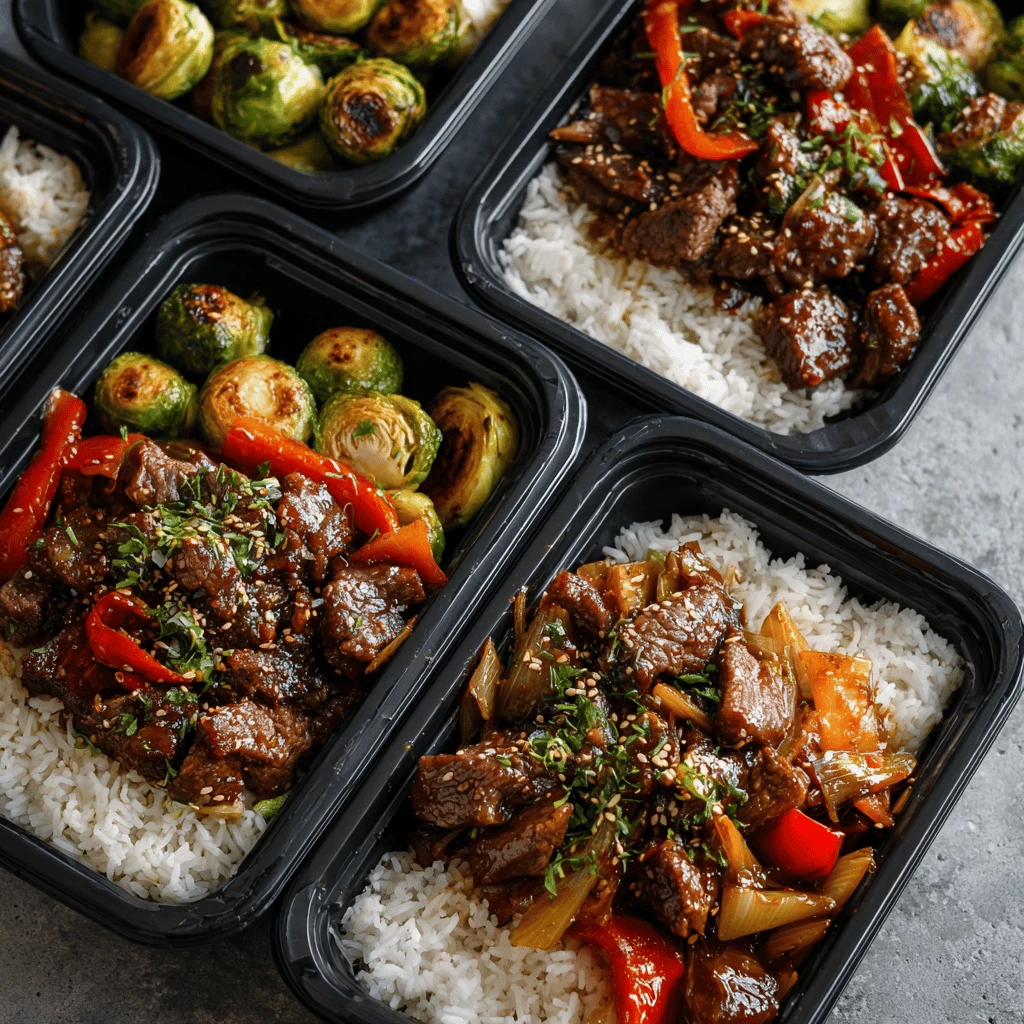
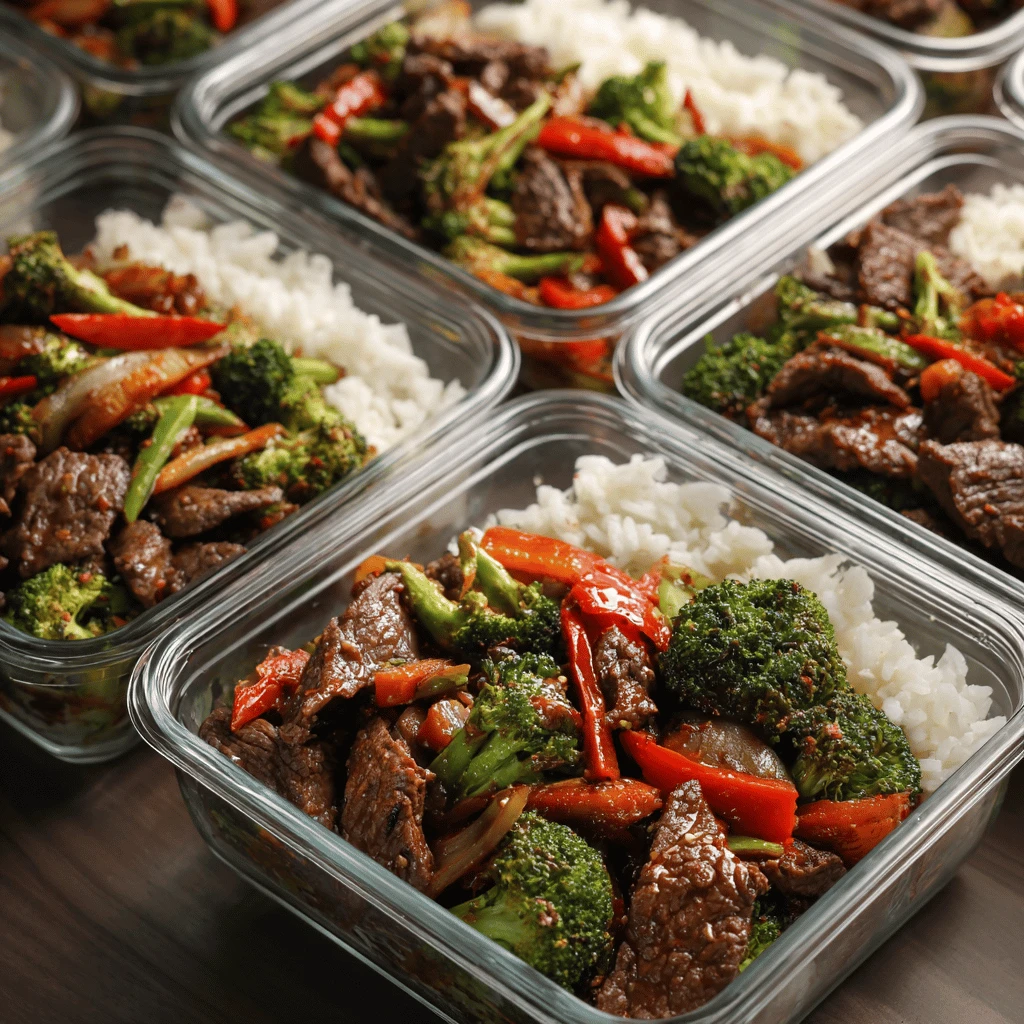
4. Portion into Containers: Divide the beef and veggie stir-fry evenly among your meal prep containers. Portion the cooked rice or noodles into separate containers or alongside the stir-fry.
Storing and Reheating Your Meal Prep
Proper storage is crucial to maintaining the freshness and quality of your beef and veggie stir-fry meal prep.
- Cool Completely: Allow the stir-fry and rice/noodles to cool completely before storing them in the refrigerator. This prevents condensation from forming, which can lead to spoilage.
- Airtight Containers: Use airtight containers to prevent the food from drying out and absorbing odors from the refrigerator. Glass or BPA-free plastic containers are good options.
- Refrigeration: Store the meal prep containers in the refrigerator for up to 4-5 days.
- Reheating: Reheat the stir-fry and rice/noodles in the microwave or on the stovetop. If microwaving, add a tablespoon of water to the stir-fry to prevent it from drying out. If reheating on the stovetop, add a splash of oil to the pan. Reheat until heated through.
Tips for Optimal Freshness:
- Store the sauce separately from the beef and vegetables until just before reheating. This helps prevent the vegetables from becoming soggy.
- Don’t overcook the vegetables during the initial stir-fry. They will continue to cook slightly during reheating.
- If you’re not planning to eat the meal prep within 4-5 days, consider freezing it. Freeze in individual portions for easy thawing and reheating.
Variations and Customization Options
The beauty of beef and veggie stir-fry is its versatility. Here are some ideas for customizing the recipe to your liking:
- Protein Variations: Substitute chicken, shrimp, or tofu for the beef.
- Vegetable Variations: Use any vegetables you enjoy or have on hand.
- Spice Level: Adjust the amount of red pepper flakes in the sauce to control the heat level. You can also add a dash of chili garlic sauce for extra flavor and spice.
- Sauce Variations: Experiment with different sauces, such as teriyaki sauce, hoisin sauce, or black bean sauce.
- Toppings: Garnish with sesame seeds, chopped green onions, or crushed peanuts for added flavor and texture.
- Low-Carb Option: Serve the stir-fry over cauliflower rice or zucchini noodles instead of regular rice or noodles.
- Make it Gluten-Free: Use tamari instead of soy sauce and ensure all other ingredients are gluten-free.
Frequently Asked Questions (FAQs)
Q: Can I freeze beef and veggie stir-fry?
A: Yes, you can freeze beef and veggie stir-fry. Make sure to cool it completely before transferring it to airtight freezer-safe containers or bags. It can be stored in the freezer for up to 2-3 months. When ready to eat, thaw it in the refrigerator overnight and reheat thoroughly.
Q: How long does beef and veggie stir-fry last in the fridge?
A: When properly stored in an airtight container, beef and veggie stir-fry can last in the fridge for up to 4-5 days. Be sure to refrigerate it within two hours of cooking to prevent bacterial growth.
Q: What are the best vegetables to use in a stir-fry?
A: The best vegetables for a stir-fry are those that maintain their texture when cooked quickly. Good options include broccoli, bell peppers, carrots, snap peas, mushrooms, onions, and zucchini.
Q: How do I prevent my stir-fry from being soggy?
A: To prevent a soggy stir-fry, avoid overcrowding the pan, cook the ingredients in batches if necessary, and don’t overcook the vegetables. Also, make sure your wok or skillet is hot enough before adding the ingredients. Adding cornstarch to your sauce will also help it to thicken properly.
Q: What’s the best cut of beef for stir-fry?
A: Lean and tender cuts of beef like sirloin, flank steak, or top round are excellent for stir-fry. These cuts cook quickly and remain tender when sliced thinly against the grain.