Hearty & Soul-Warming: The Ultimate Slow-Simmered Beef Stew with Tender Chunks of Beef
There’s nothing quite like the embrace of a warm, homemade meal on a chilly evening. I still remember those crisp autumn Sundays at my grandmother’s house, the air thick with the promise of a delicious dinner. The aroma of simmering beef and vegetables would waft from her kitchen, a comforting scent that signaled pure contentment.
That feeling of warmth, security, and absolute deliciousness is precisely what this Slow-Simmered Beef Stew with Tender Chunks of Beef brings to my own table. It’s a tried-and-true family favorite, perfected over many years, and guaranteed to become your go-to comfort food recipe. Get ready for an easy dinner that nourishes both body and soul.
This recipe isn’t just about feeding hungry bellies; it’s about creating memories and savoring moments. The tender beef, rich gravy, and perfectly cooked vegetables make it the ideal hearty meal for any occasion. It’s truly the ultimate answer to those “what’s for dinner?” dilemmas, promising a deeply satisfying experience every time.
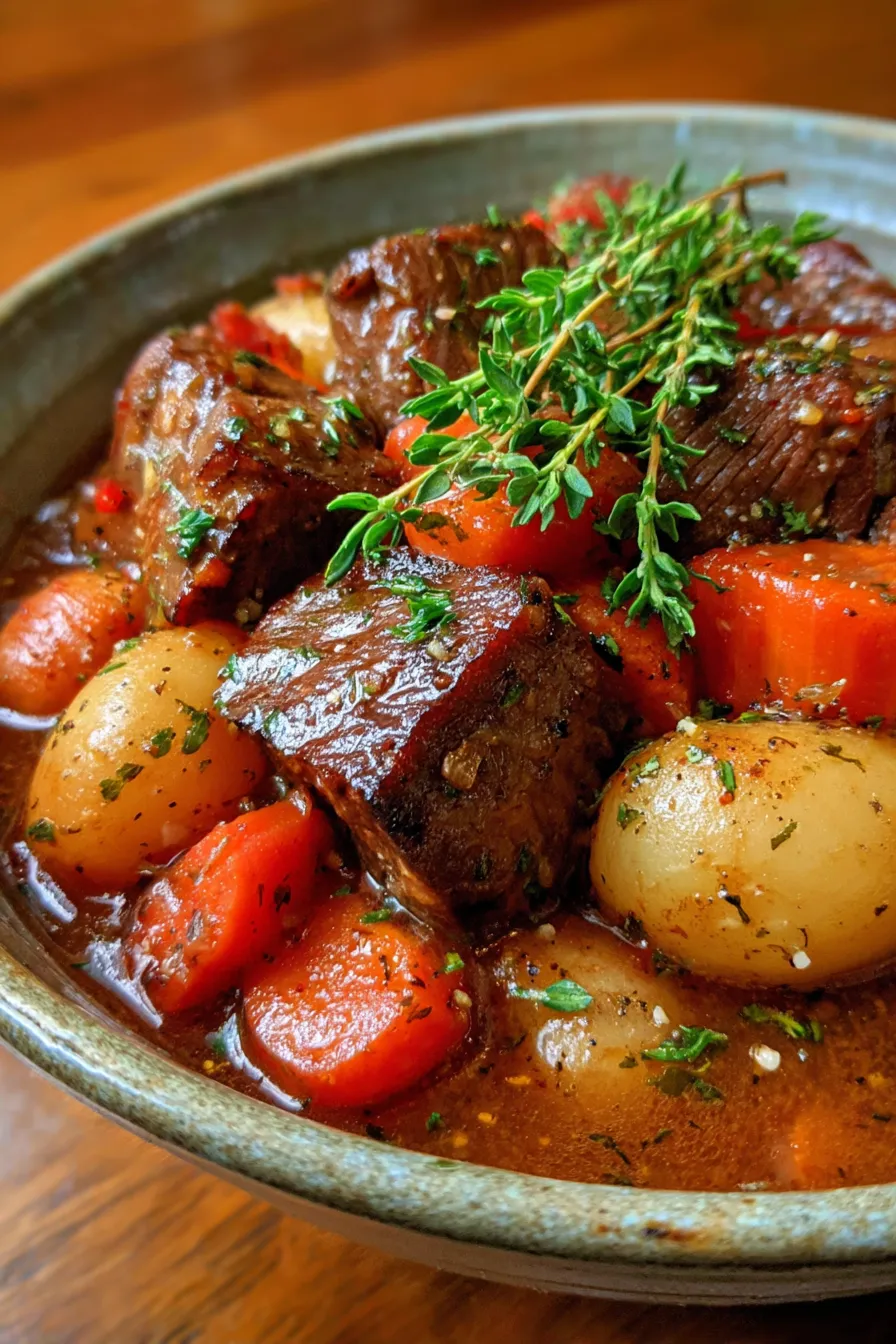
Why You’ll Love This Recipe
- ❤️ Unrivaled Tenderness: We’re talking fall-apart, melt-in-your-mouth beef! The slow simmering process breaks down the toughest cuts, transforming them into incredibly tender chunks that barely need chewing. This technique ensures every bite is pure bliss.
- ❤️ Rich, Deep Flavor: From perfectly browned beef to aromatic vegetables and a robust broth, every layer of flavor builds upon itself. The long cook time allows all the ingredients to meld beautifully, creating an incredibly complex and satisfying gravy that you’ll want to sop up with crusty bread.
- ❤️ Simple, Wholesome Ingredients: You won’t find any complicated or hard-to-find items here. This recipe relies on everyday pantry staples and fresh, readily available produce. It’s real food, made with simple goodness that truly shines.
- ❤️ Effortless Comfort Food: While it takes time to simmer, the actual hands-on prep work is minimal. Once everything is in the pot, your kitchen does most of the heavy lifting. It’s the perfect set-it-and-forget-it meal for busy weekends or even a luxurious weeknight dinner.
- ❤️ Crowd-Pleaser & Family Favorite: This stew is universally loved! It’s hearty enough to satisfy the biggest appetites and comforting enough to bring a smile to everyone’s face, from toddlers to grandparents. It’s a guaranteed hit at any gathering or family dinner.
- ❤️ Make-Ahead & Freezer Friendly: This stew tastes even better the next day as the flavors deepen and develop overnight. Plus, it freezes beautifully, making it an excellent option for meal prep or having a delicious, homemade dinner ready in a flash on those hectic days.
- ❤️ Versatile & Adaptable: Easily customize it with your favorite vegetables, adjust the spices, or even make it gluten-free. This recipe serves as a fantastic base for endless culinary creativity, allowing you to truly make it your own based on what you have on hand or what you’re craving.
What You Need
You only need a few simple pantry staples and fresh ingredients for this incredibly delicious recipe! Check the full printable recipe card below for detailed measurements and a complete list of what you’ll need.
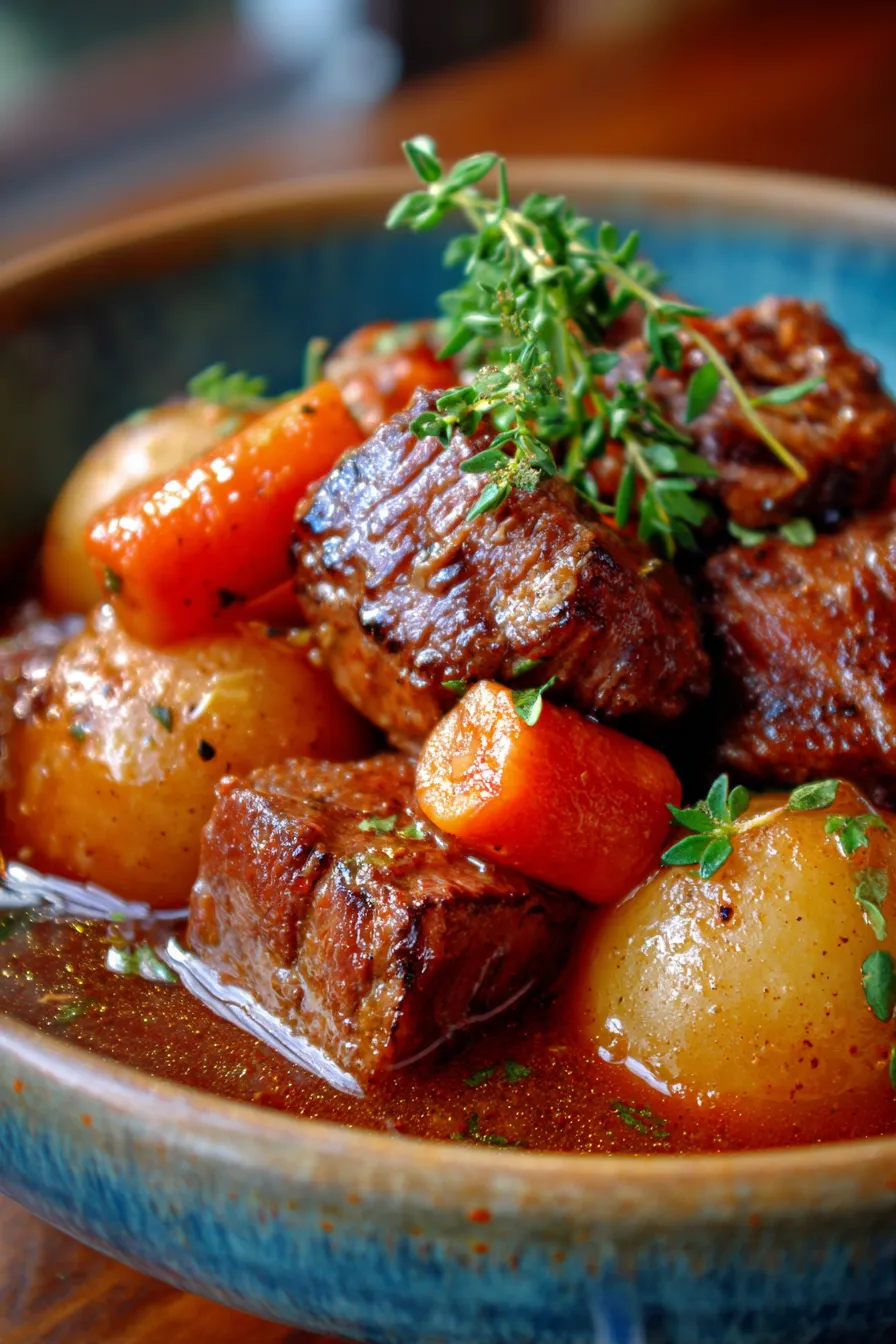
Expert Tips
- 💡 Brown Your Beef Properly: Don’t rush this step! Browning the beef in batches creates a beautiful crust and develops deep, rich, complex flavors through the Maillard reaction. This caramelization is absolutely crucial for the stew’s overall taste, so take your time and ensure a good, dark sear on all sides.
- 💡 Deglaze for Flavor: After browning the beef, use a splash of red wine or beef broth to scrape up all those delicious browned bits (fond) from the bottom of the pot. This fond is packed with concentrated flavor that will infuse into your stew, adding incredible depth to the gravy.
- 💡 Choose the Right Cut: Chuck roast or beef stew meat (which is often pre-cut chuck) is ideal for slow simmering. It’s well-marbled, meaning it has enough fat and connective tissue to break down into succulent, tender pieces during the long cooking process. Avoid leaner cuts, as they tend to dry out.
- 💡 Low and Slow is Key: Patience is a virtue here. Cooking the stew at a gentle simmer, either on the stovetop or in the oven, allows the tough collagen in the beef to slowly break down into gelatin. This is what gives you that incredibly tender, fall-apart texture and thickens the sauce naturally.
- 💡 Control Your Salt: Always season the beef before browning, and add salt in layers as you build the stew. However, be mindful of your beef broth’s sodium content. It’s always easier to add more salt later than to fix an overly salty dish. Taste and adjust towards the end of cooking.
- 💡 Vegetable Timing Matters: For perfectly tender-crisp vegetables, add root vegetables like carrots and potatoes during the last hour or so of cooking. If added too early, they can become mushy. Onions and celery, which form the aromatic base, go in much earlier to soften and release their flavors.
- 💡 Thicken Naturally (or Enhance): The stew should naturally thicken as the beef breaks down and the liquid reduces. For a thicker gravy, you can create a slurry of cornstarch and cold water, or flour and cold water, and whisk it into the simmering stew during the last 15-20 minutes. Cook until the desired consistency is reached.
- 💡 Taste and Adjust: Before serving, always taste your stew! Does it need more salt, pepper, or a pinch of sugar to balance the acidity from the tomato paste or wine? A fresh squeeze of lemon juice or a dash of vinegar at the end can also brighten all the flavors.
- 💡 Don’t Forget the Herbs: Fresh herbs, especially parsley or thyme added at the very end, can elevate the stew’s aroma and visual appeal. They provide a fresh counterpoint to the rich, savory flavors. Bay leaves are crucial for simmering, but remove them before serving.
- 💡 Rest Before Serving: Like a good steak, letting the stew rest off the heat for 10-15 minutes allows the flavors to meld further and the sauce to settle. This brief resting period truly makes a difference in the overall harmony of the dish.
Variations & Substitutions
- Gluten-Free Option: To make this stew gluten-free, simply skip dusting the beef with flour. Instead, use a cornstarch slurry (1-2 tablespoons cornstarch mixed with an equal amount of cold water) to thicken the stew at the end. Ensure your beef broth is also gluten-free.
- Add More Vegetables: Feel free to customize your stew with other hearty vegetables. Parsnips, turnips, mushrooms, green beans (added closer to the end), or even frozen peas can be wonderful additions. Sauté mushrooms with the onions for extra umami.
- Spice It Up: For a touch of warmth, add a pinch of smoked paprika, a dash of Worcestershire sauce, or even a tiny amount of red pepper flakes along with the other seasonings. These additions can deepen the flavor profile beautifully.
- Herb Power: Experiment with different herbs! Rosemary pairs wonderfully with beef. You can also add a bouquet garni (a bundle of herbs tied together, like thyme, parsley, and bay leaf) for easy removal. Fresh herbs always provide a brighter finish than dried.
- Different Beef Cuts: While chuck roast is ideal, short ribs can also be used for an even richer stew, though they may require slightly longer cooking times. Oxtail is another fantastic, albeit more specialized, option for an incredibly gelatinous and flavorful stew.
- Dairy-Free Creaminess: If you want a hint of creaminess without dairy, a splash of full-fat coconut milk (the unsweetened kind) can be stirred in at the very end. It adds a subtle richness that complements the savory notes.
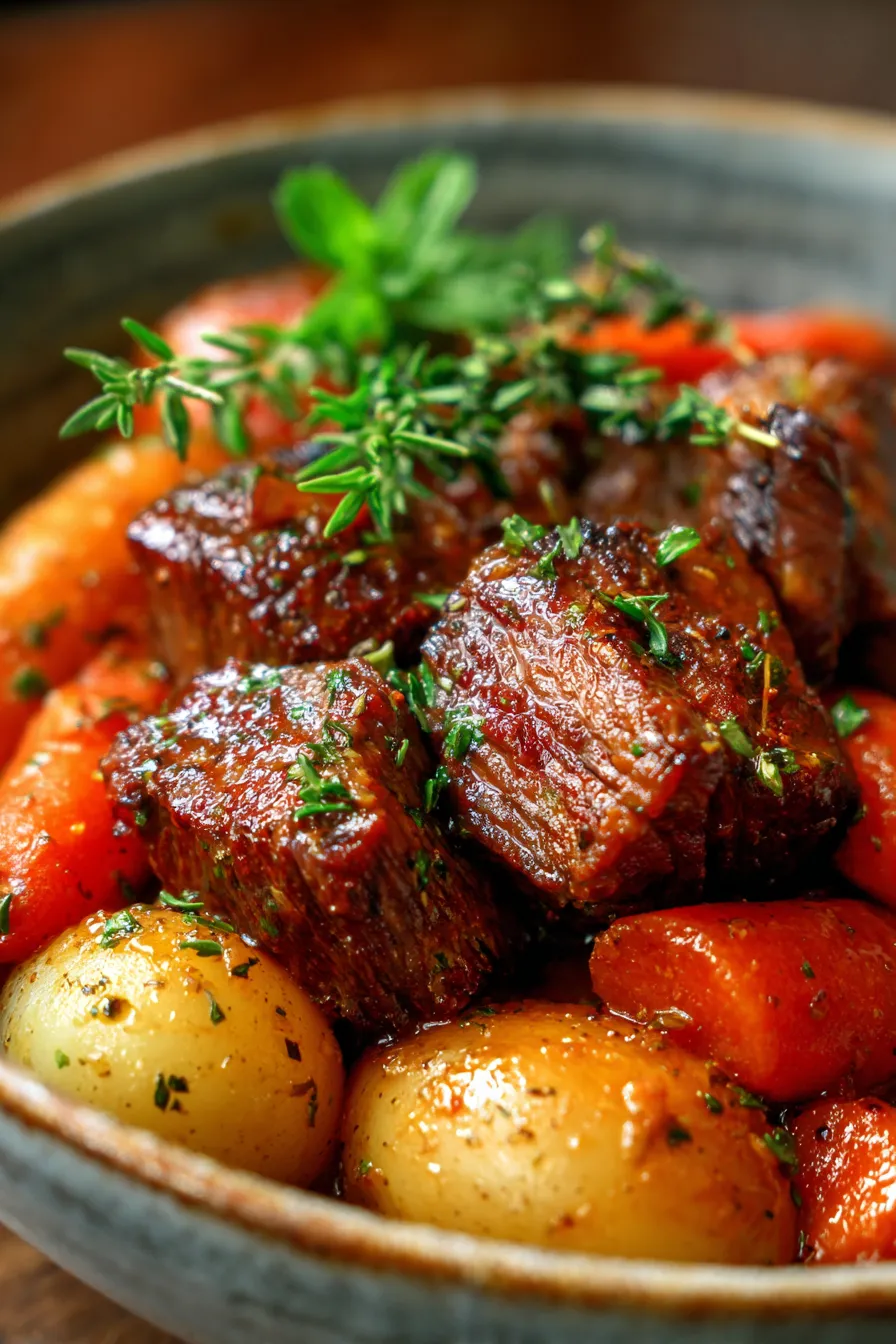
Storage & Freezing
This Slow-Simmered Beef Stew is fantastic for meal prep, as it tastes even better the next day!
- Refrigeration: Allow the stew to cool completely. Transfer it to an airtight container and store in the refrigerator for up to 3-4 days. The flavors will deepen beautifully overnight.
- Freezing: This stew freezes exceptionally well. Once cooled, ladle individual portions or the entire batch into freezer-safe containers or heavy-duty freezer bags. Remove as much air as possible to prevent freezer burn. It can be stored in the freezer for up to 3 months.
- Thawing & Reheating: To thaw, simply transfer frozen stew to the refrigerator overnight. Reheat gently on the stovetop over medium-low heat, stirring occasionally, until warmed through. You may need to add a splash of beef broth or water to adjust the consistency if it has thickened too much.
FAQ
Q: What is the best cut of beef for stew?
A: Chuck roast (also labeled as chuck eye roast, shoulder steak, or beef stew meat) is absolutely the best! Its generous marbling and connective tissue break down beautifully during slow cooking, yielding incredibly tender, flavorful results. Avoid leaner cuts like sirloin, which can become dry.
Q: How can I thicken my beef stew?
A: There are a few ways! Dusting the beef with flour before browning adds a gradual thickener. If it’s still too thin at the end, make a slurry: whisk 1-2 tablespoons of cornstarch with an equal amount of cold water until smooth, then stir it into the simmering stew. Cook for a few minutes until thickened. You can also mash some cooked potatoes from the stew against the side of the pot.
Q: Can I make this Slow-Simmered Beef Stew in a slow cooker?
A: Absolutely! You’ll still want to brown the beef and sauté the aromatics (onions, celery) on the stovetop first for maximum flavor. Then, transfer everything to your slow cooker and cook on low for 6-8 hours or on high for 3-4 hours, or until the beef is fork-tender. Add the more delicate vegetables like carrots and potatoes during the last 2-3 hours of cooking on low, or 1-1.5 hours on high.
Q: Why isn’t my beef tender? It’s still tough!
A: The most common reason for tough stew beef is insufficient cooking time. Beef stew needs to cook low and slow for several hours to allow the connective tissues to break down. If your beef is still tough, simply continue simmering it until it reaches that desired fork-tender stage. Resist the urge to crank up the heat; patience is key!
Q: Can I add red wine to my beef stew?
A: Yes, and it’s highly recommended for an extra layer of richness and depth! After sautéing the aromatics and before adding the broth, pour in about 1/2 to 1 cup of dry red wine (like Cabernet Sauvignon or Merlot). Let it simmer and reduce for a few minutes, scraping up any browned bits from the bottom of the pot, before proceeding with the rest of the liquid ingredients.
There you have it – the ultimate guide to creating a Slow-Simmered Beef Stew that will warm you from the inside out. This isn’t just a recipe; it’s an experience, a memory in the making, and a hug in a bowl. Gather your loved ones, set the table, and prepare to bask in the delicious glory of this comforting classic.
Don’t forget to pin this recipe for later so you can revisit this cozy deliciousness whenever a craving strikes! Happy cooking, my friends!
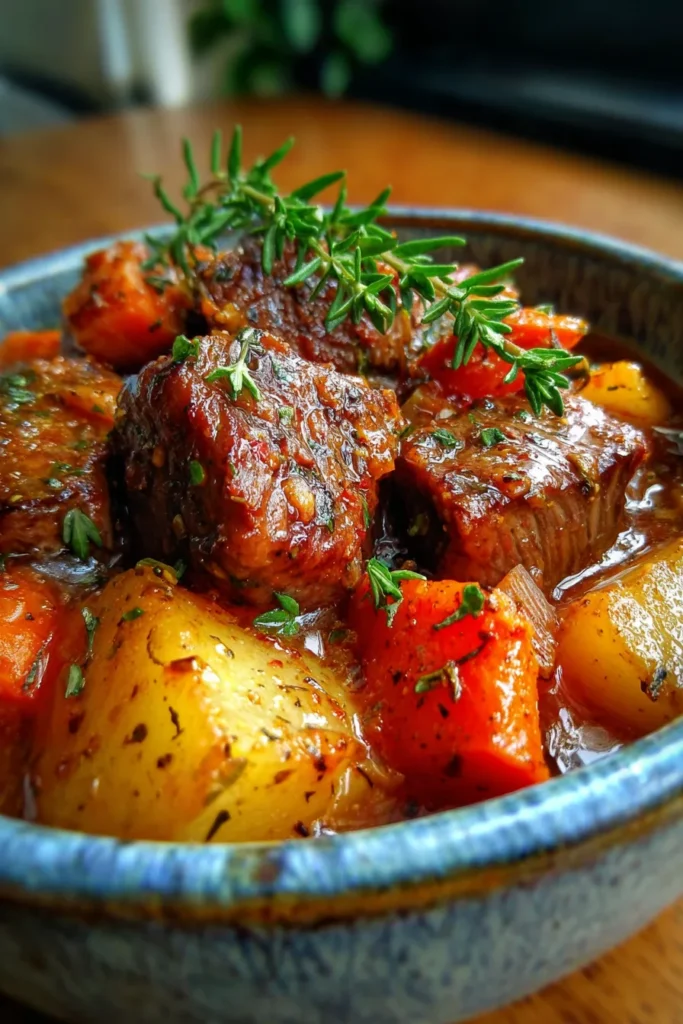
Best Slow-Simmered Beef Stew | Ultimate Comfort Food Recipe
Ingredients
- 2-3 lbs beef chuck, cut into 1.5-inch cubes
- 2 tbsp olive oil
- 1 large yellow onion, chopped
- 3 carrots, peeled and roughly chopped
- 2 celery stalks, roughly chopped
- 3 cloves garlic, minced
- 1/4 cup all-purpose flour (or GF alternative)
- 1 cup dry red wine (optional)
- 4 cups beef broth
- 1 (14.5 oz) can diced tomatoes, undrained
- 2 tbsp tomato paste
- 1 tsp dried thyme
- 2 bay leaves
- 1.5 lbs Yukon Gold potatoes, peeled and quartered
- Salt and freshly ground black pepper to taste
- Fresh parsley, chopped, for garnish
Instructions
- Step 1 Pat beef dry with paper towels and season generously with salt and pepper. Dredge beef cubes in flour, shaking off excess.
- Step 2 Heat olive oil in a large Dutch oven or heavy-bottomed pot over medium-high heat. Brown beef in batches until deeply caramelized on all sides. Remove beef and set aside.
- Step 3 Add chopped onion, carrots, and celery to the pot. Sautu00e9 for 5-7 minutes until softened. Add minced garlic and cook for another minute until fragrant.
- Step 4 If using, pour in red wine to deglaze the pot, scraping up any browned bits from the bottom. Simmer until the liquid is reduced by half.
- Step 5 Stir in tomato paste, dried thyme, and bay leaves. Cook for 1 minute.
- Step 6 Return the browned beef to the pot. Pour in beef broth and diced tomatoes. Bring to a simmer, then reduce heat to low, cover, and cook for 2 hours.
- Step 7 Add the quartered potatoes to the pot. Stir gently. Continue to simmer, covered, for another 1 to 1.5 hours, or until beef is fork-tender and potatoes are cooked through.
- Step 8 Remove bay leaves. Taste and adjust seasoning with salt and pepper as needed. If desired, thicken with a cornstarch slurry (1 tbsp cornstarch + 1 tbsp cold water) for a thicker gravy.
- Step 9 Let the stew rest for 10-15 minutes before serving. Garnish with fresh chopped parsley.
- Step 10 Serve hot with crusty bread or over rice/noodles.