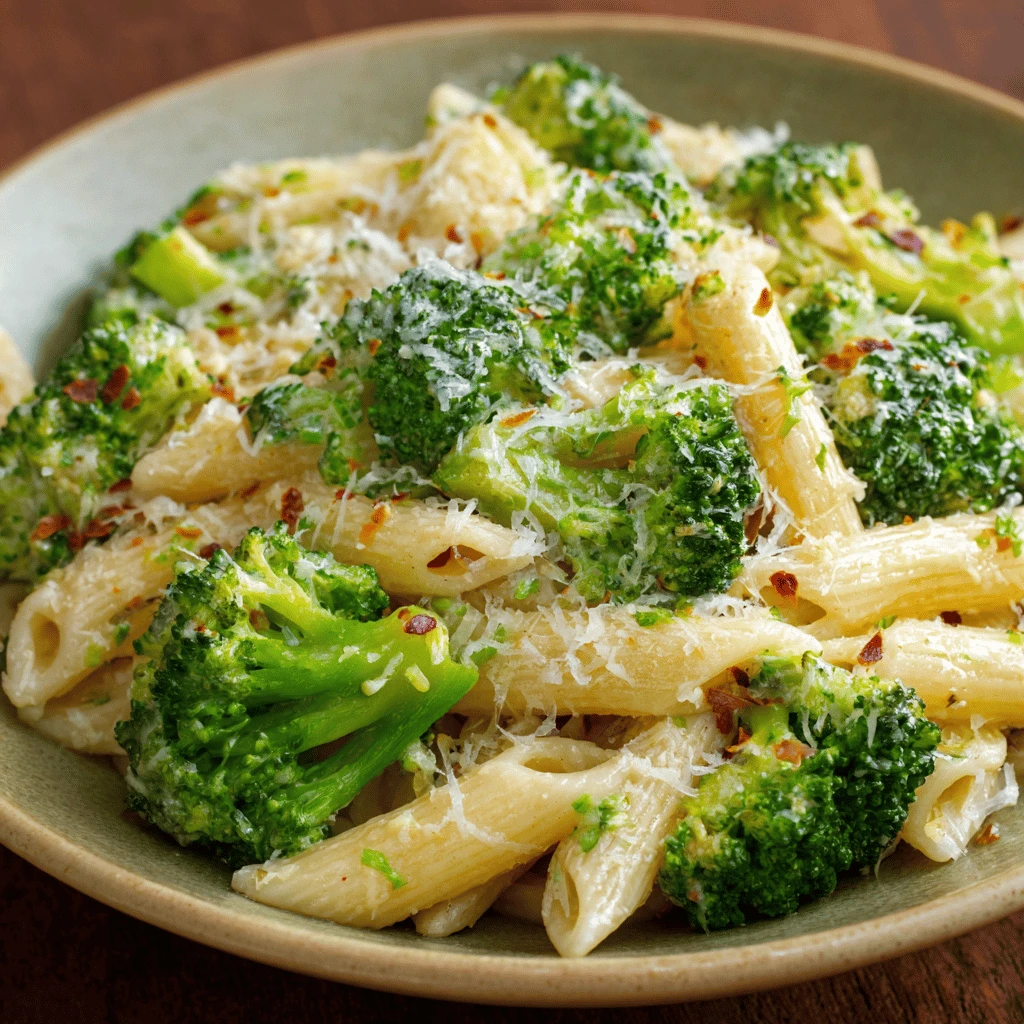
Broccoli and Cheese Pasta: A Comfort Food Classic
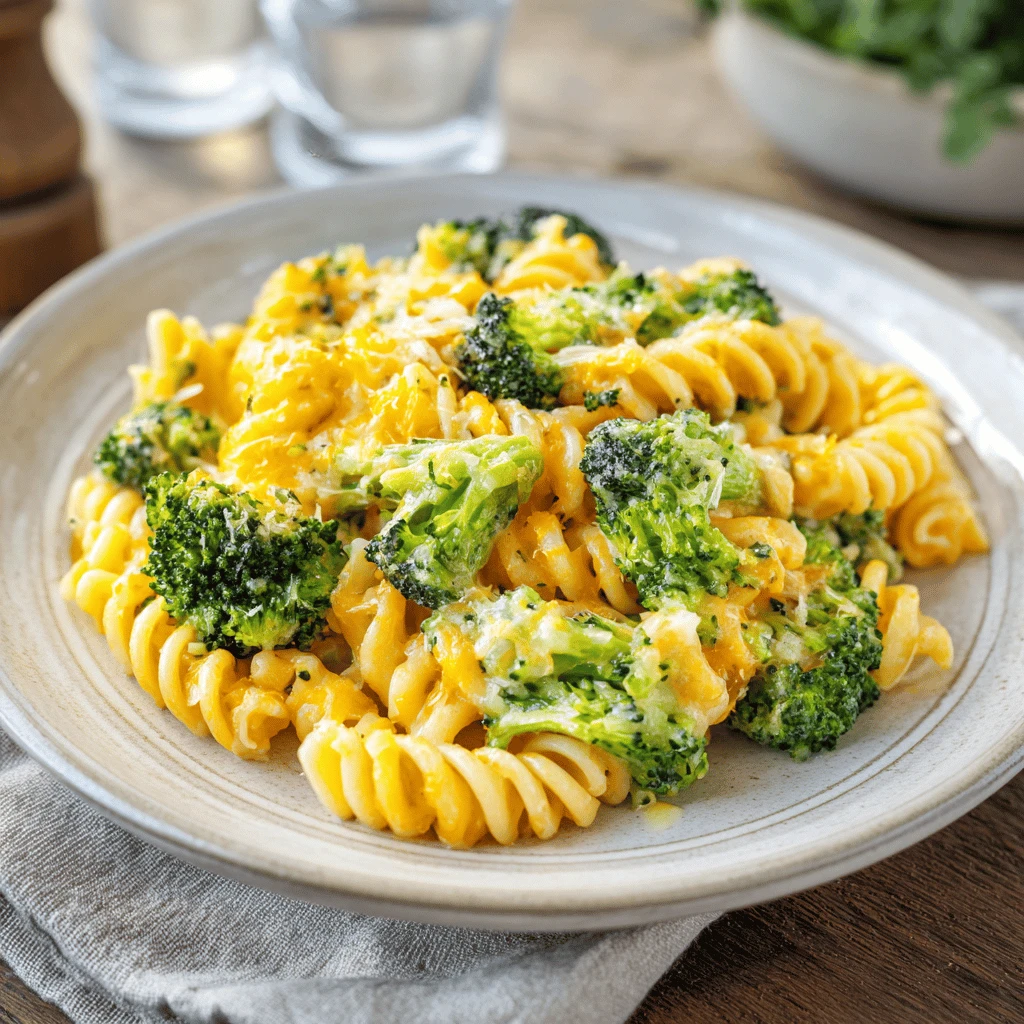
Broccoli and cheese pasta. The very name conjures images of warm, comforting goodness. This dish, a staple in many households, is more than just a simple meal; it’s a canvas for culinary creativity, a quick weeknight dinner solution, and a guaranteed crowd-pleaser. Whether you’re a seasoned chef or a kitchen novice, mastering broccoli and cheese pasta is an essential step towards culinary confidence.
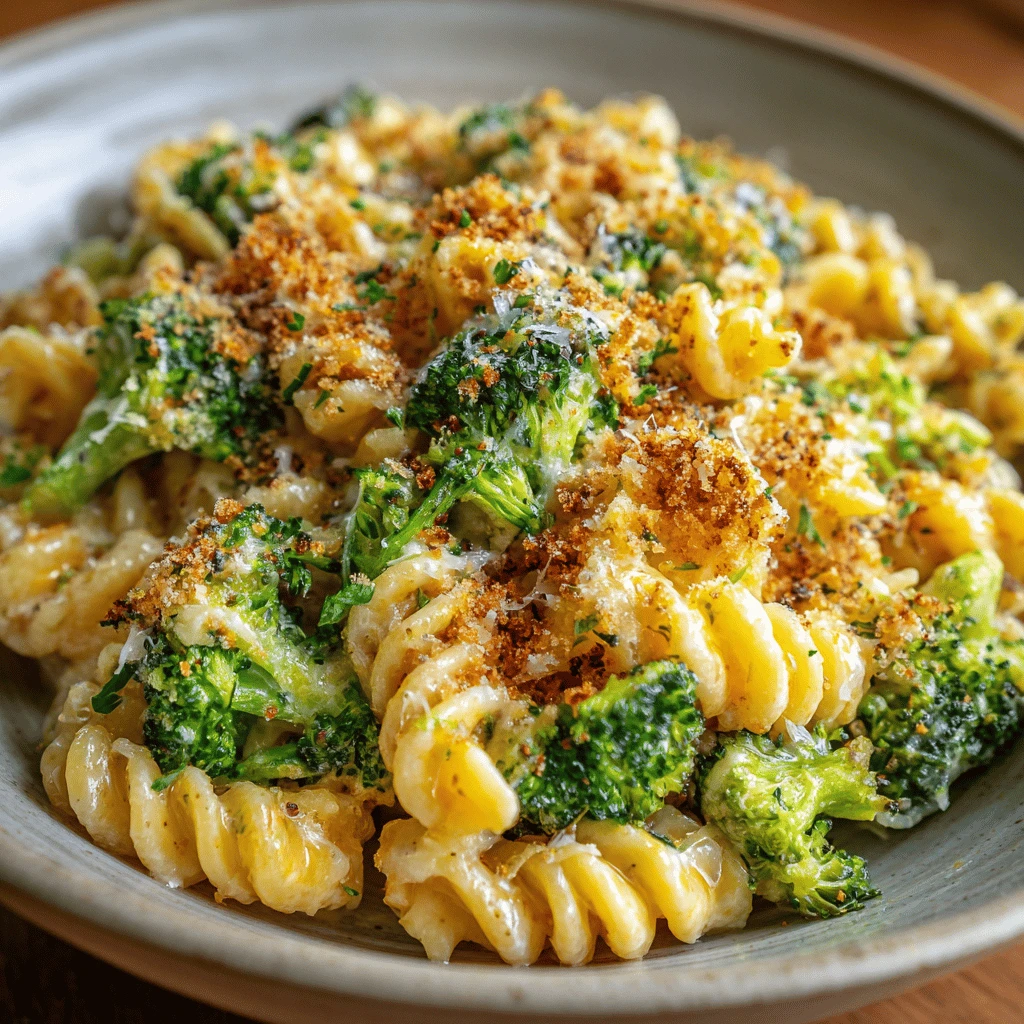
The Allure of Broccoli and Cheese Pasta
The magic of broccoli and cheese pasta lies in its simplicity. It combines the wholesome earthiness of broccoli with the rich, creamy indulgence of cheese, all nestled within perfectly cooked pasta. This combination creates a symphony of flavors and textures that is both satisfying and comforting. Furthermore, the dish is incredibly versatile, allowing for endless variations and customizations to suit individual tastes and dietary preferences. From adding grilled chicken or shrimp for extra protein to experimenting with different cheeses and spices, the possibilities are truly limitless.
Beyond its taste and versatility, broccoli and cheese pasta is also a practical choice for busy weeknights. It requires minimal ingredients, is quick to prepare, and can be easily adapted to use up leftovers. This makes it a valuable addition to any recipe repertoire, providing a reliable and delicious meal option that everyone will enjoy. It’s also a great way to sneak some vegetables into meals for picky eaters!
Mastering the Basics: A Step-by-Step Guide
Creating the perfect broccoli and cheese pasta starts with mastering the fundamentals. Here’s a detailed guide to help you achieve pasta perfection:
1. Selecting Your Ingredients:
- Pasta: Choose a pasta shape that will effectively capture the sauce. Penne, rotini, fusilli, and shells are excellent choices due to their ridges and curves. Consider the cooking time of the pasta you choose and adjust accordingly.
- Broccoli: Opt for fresh broccoli florets that are firm and green. Frozen broccoli can be used as a convenient alternative, but be sure to thaw and drain it thoroughly before cooking to prevent a watery sauce.
- Cheese: The cheese is the star of the show! Cheddar cheese is a classic choice, but feel free to experiment with other varieties like Gruyere, Monterey Jack, or even a blend of cheeses for a more complex flavor profile. Pre-shredded cheese melts easily, but freshly grated cheese often provides a smoother, creamier sauce.
- Base: The sauce base can vary. A classic roux of butter and flour provides a rich, creamy foundation. Alternatively, you can use heavy cream, milk, or even a combination of cream cheese and milk for a lighter, tangier sauce.
2. Cooking the Pasta and Broccoli:
- Bring a large pot of salted water to a boil. Adding salt to the water seasons the pasta from the inside out.
- Add the pasta to the boiling water and cook according to the package directions until al dente – firm to the bite.
- While the pasta is cooking, steam or boil the broccoli until tender-crisp, about 5-7 minutes. Overcooking the broccoli will result in a mushy texture. If using frozen broccoli, reduce the cooking time.
3. Creating the Cheese Sauce:
- Melt butter in a saucepan over medium heat. Whisk in flour to create a roux, and cook for 1-2 minutes to remove the raw flour taste.
- Gradually whisk in milk or cream until the sauce is smooth and thickened. Be patient and whisk constantly to prevent lumps from forming.
- Reduce the heat to low and stir in the cheese until melted and smooth. Season with salt, pepper, and any other desired spices.
4. Combining and Serving:
- Drain the pasta and add it to the cheese sauce.
- Add the cooked broccoli to the pasta and sauce.
- Toss everything together gently until the pasta and broccoli are evenly coated in the cheese sauce.
- Serve immediately, garnished with extra cheese, fresh parsley, or a sprinkle of red pepper flakes.
Elevating Your Broccoli and Cheese Pasta: Flavor Variations and Add-Ins
The beauty of broccoli and cheese pasta lies in its adaptability. Here are some ideas to take your dish to the next level:
1. Protein Power-Ups:
- Chicken: Grilled, baked, or shredded chicken adds a hearty and flavorful protein boost.
- Shrimp: Sautéed shrimp provides a delicate seafood element that complements the creamy sauce.
- Sausage: Italian sausage, andouille sausage, or even chorizo can add a spicy kick.
- Bacon: Crispy bacon crumbles are always a welcome addition, adding a smoky and savory flavor.
2. Cheese Combinations:
- Sharp Cheddar: Adds a tangy and assertive flavor.
- Gruyere: Provides a nutty and slightly sweet taste.
- Monterey Jack: Offers a mild and creamy texture.
- Parmesan: Adds a salty and savory depth.
- Gouda: Offers a sweet and nutty flavor.
3. Spicy Additions:
- Red Pepper Flakes: Adds a subtle heat that balances the richness of the cheese sauce.
- Hot Sauce: A few dashes of your favorite hot sauce can provide a more intense spicy kick.
- Jalapeños: Diced jalapeños add a fresh and vibrant heat.
4. Vegetable Variations:
- Cauliflower: Roasted cauliflower florets add a nutty and slightly sweet flavor.
- Peas: Frozen peas add a pop of sweetness and color.
- Spinach: Wilted spinach adds a boost of nutrients and a subtle earthy flavor.
- Mushrooms: Sautéed mushrooms add a savory and umami-rich element.
5. Herbaceous Touches:
- Fresh Parsley: Adds a bright and fresh flavor.
- Fresh Chives: Provide a mild oniony flavor.
- Dried Thyme: Adds a warm and earthy note.
- Dried Oregano: Offers a classic Italian flavor.
Experimenting with these variations and add-ins will allow you to create a broccoli and cheese pasta dish that is perfectly tailored to your individual preferences.
Tips and Tricks for Perfect Pasta Every Time
While the recipe itself is straightforward, here are some additional tips and tricks to ensure pasta perfection:
- Salt the Pasta Water: This seasons the pasta from the inside out, enhancing its flavor.
- Cook Pasta Al Dente: Overcooked pasta will become mushy and unappetizing. Aim for al dente, which means “to the tooth” in Italian – the pasta should be firm to the bite.
- Don’t Rinse the Pasta: Rinsing removes the starch that helps the sauce adhere to the pasta.
- Reserve Pasta Water: Before draining the pasta, reserve about a cup of the starchy cooking water. This can be used to thin out the cheese sauce if it becomes too thick.
- Grate Your Own Cheese: Pre-shredded cheese often contains cellulose, which can prevent it from melting smoothly. Freshly grated cheese will create a creamier sauce.
- Don’t Overcook the Cheese Sauce: Overcooking can cause the cheese sauce to become grainy and separated. Cook over low heat and stir constantly until the cheese is melted and smooth.
- Taste and Adjust Seasoning: Before serving, taste the pasta and adjust the seasoning as needed. You may need to add more salt, pepper, or other spices to achieve your desired flavor.
- Keep it Warm: Serve the pasta immediately to prevent it from becoming cold and sticky. If you need to keep it warm for a longer period, you can place it in a slow cooker on the warm setting or in a preheated oven at a low temperature.
- Bake It: To make it into a casserole, pour the mixture into a baking dish, top with breadcrumbs and cheese, and bake until bubbly and golden.
- Make it Gluten Free: Use gluten-free pasta and gluten-free flour to create a delicious and safe dish for those with gluten sensitivities.
Frequently Asked Questions (FAQ)
Q: Can I use frozen broccoli?
A: Yes, frozen broccoli is a convenient alternative to fresh broccoli. Be sure to thaw and drain it thoroughly before cooking to prevent a watery sauce. You may also need to adjust the cooking time, as frozen broccoli tends to cook more quickly than fresh.
Q: What kind of cheese is best for broccoli and cheese pasta?
A: Cheddar cheese is a classic choice, but you can experiment with other varieties like Gruyere, Monterey Jack, or a blend of cheeses for a more complex flavor profile.
Q: How can I make the cheese sauce smoother?
A: Use freshly grated cheese, cook the sauce over low heat, and whisk constantly to prevent lumps from forming. If the sauce becomes too thick, add a little reserved pasta water or milk to thin it out.
Q: Can I add meat to broccoli and cheese pasta?
A: Absolutely! Grilled chicken, sautéed shrimp, Italian sausage, or crispy bacon are all excellent additions.
Q: How can I make broccoli and cheese pasta healthier?
A: Use whole wheat pasta, low-fat cheese, and add extra vegetables like spinach or cauliflower. You can also lighten the sauce by using milk instead of cream or by incorporating Greek yogurt for added protein.
Q: Can I prepare broccoli and cheese pasta in advance?
A: While it’s best served fresh, you can prepare it ahead of time. Store it in the refrigerator and reheat gently on the stovetop or in the oven, adding a little milk or water to prevent it from drying out.
Q: How long does broccoli and cheese pasta last in the refrigerator?
A: Properly stored in an airtight container, broccoli and cheese pasta can last for 3-4 days in the refrigerator.