
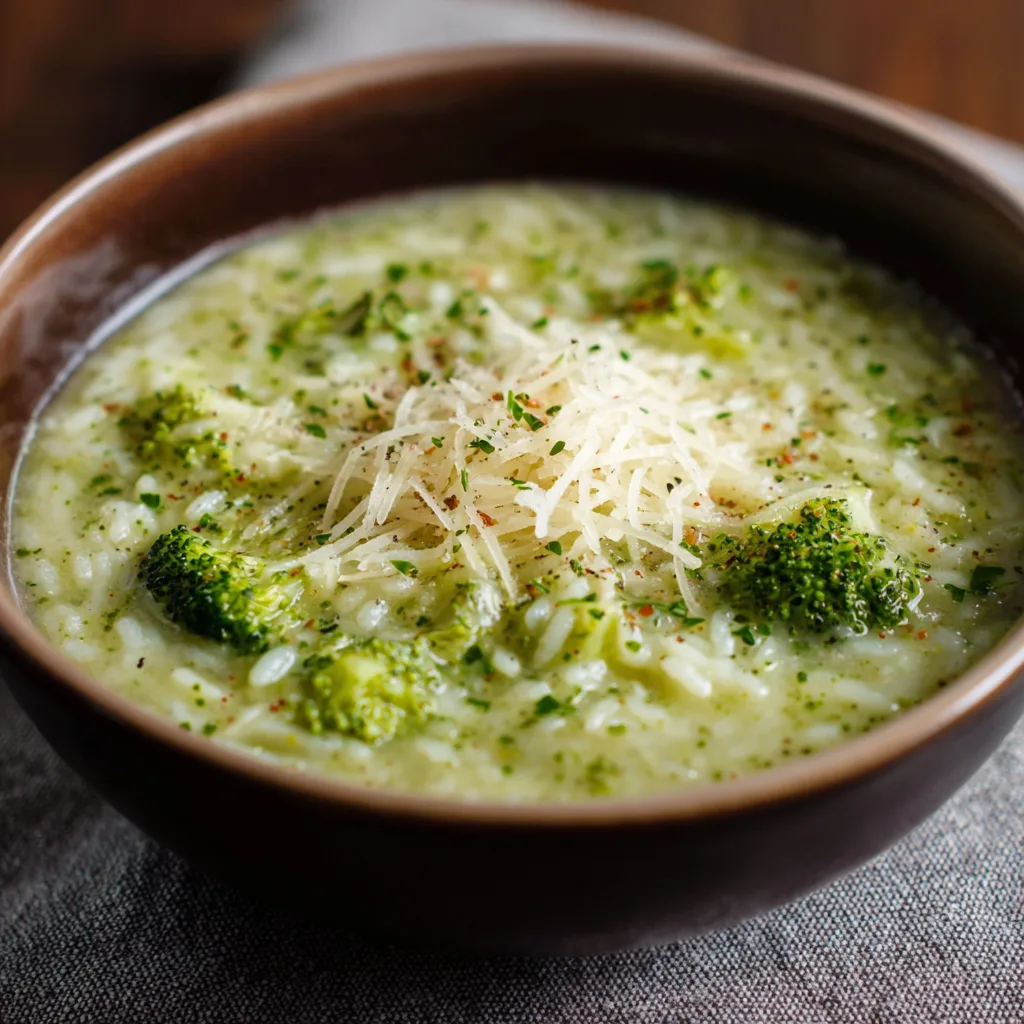
This creamy, satisfying soup is the quintessential expression of comfort food, marrying the earthy, slightly bitter notes of fresh broccoli with the sharp, salty richness of quality cheese and the deep aromatic heat of sautéed garlic. Far more complex and satisfying than its popular counterparts, the addition of rice elevates the dish from a simple starter to a complete, hearty meal. This recipe offers both deep flavor and rich texture, perfect for warming up a chilly evening while delivering a significant nutritional boost. The key to its success lies in careful ingredient selection and mastering the gentle art of the roux and the low-heat cheese incorporation.
Ingredients
Yields: 6-8 servings | Prep Time: 15 minutes | Cook Time: 40 minutes
For the Soup Base:
-
4 tablespoons unsalted butter
-
1 large yellow onion, finely diced
-
1 cup carrots, finely diced (about 2 medium)
-
½ cup celery, finely diced (about 2 stalks)
-
4 cloves garlic, minced
-
¼ cup all-purpose flour
-
6 cups chicken or vegetable broth (low sodium preferred)
-
2 cups milk (whole milk or half-and-half recommended)
-
1 teaspoon dried thyme
-
½ teaspoon ground nutmeg
-
Salt and freshly ground black pepper, to taste
For the Core Ingredients:
-
4 cups fresh broccoli florets and chopped stems (from about 1 large crown)
-
1 ½ cups cooked white rice (Basmati or long-grain is ideal)
-
Note: Rice must be cooked separately and chilled before adding.
-
-
2 cups freshly grated Sharp Cheddar cheese
-
½ cup freshly grated Parmesan cheese
Optional Enhancements:
-
1 teaspoon Dijon mustard
-
A pinch of cayenne pepper or crushed red pepper flakes

Instructions (Step-by-Step Method)
1. Sauté the Aromatics: In a large Dutch oven or soup pot, melt the butter over medium heat. Add the diced onion, carrots, and celery. Sauté for 8–10 minutes, stirring occasionally, until the vegetables are tender but not browned. Season lightly with salt and pepper.
2. Infuse the Garlic and Create the Roux: Add the minced garlic and cook for 1 minute until fragrant. Sprinkle the ¼ cup of flour over the vegetables and stir constantly for 1–2 minutes, creating a smooth paste (the roux). This cooks out the raw flour taste.
3. Build the Liquid Base: Slowly whisk in the broth, pouring in a small amount first to dissolve the roux completely and prevent lumps. Continue whisking in the remaining broth until the mixture is smooth. Stir in the milk (or half-and-half), thyme, nutmeg, and Dijon mustard (if using). Bring the mixture to a gentle simmer.
4. Cook the Broccoli: Add the chopped broccoli florets and stems to the simmering liquid. Reduce the heat to low, cover, and let the soup simmer for 15–20 minutes, or until the broccoli is very tender.
5. Incorporate the Rice and Cheese: Remove the pot from the heat completely to prevent the cheese from clumping or separating. Add the pre-cooked rice. Gradually add the grated Cheddar and Parmesan cheese, a small handful at a time, stirring continuously until each addition is fully melted and incorporated before adding the next. This gentle, low-heat method ensures a smooth, velvety texture.
6. Adjust and Serve: Taste the soup and adjust the seasonings with additional salt and pepper as needed. If the soup is too thick, stir in a little more milk or broth until the desired consistency is reached. Serve immediately, garnished with fresh herbs or a sprinkle of additional cheese.
The Art of the Base: Choosing Broth, Rice, and Cream
The foundation of any exceptional soup lies in the quality and preparation of its base ingredients. In Broccoli and Rice Soup, the character is defined by three critical components: the liquid, the starch, and the thickening agent.
Selecting the Optimal Liquid Foundation
While vegetable broth is the standard choice for a true vegetarian version, chicken broth or bone broth is frequently recommended by chefs for maximum depth of flavor. A rich chicken or turkey stock provides savory umami that balances the richness of the cheese and the slight bitterness of the broccoli. Using high-quality bone broth not only enhances flavor but also adds natural protein and collagen, boosting the nutritional profile. Regardless of your choice, opting for a low-sodium variety is crucial, as the salt content in the cheese can quickly over-season the final dish.
The Rice Debate: Cook Ahead vs. Cook in the Pot
The key differentiating factor between a successful soup and a cheesy broccoli-rice casserole is often how the rice is handled. Rice, particularly brown or white long-grain rice, is highly absorbent.
-
Pre-Cooking (Recommended Method): Cooking the rice separately and adding it at the end (as instructed in the recipe) is the professional choice. This prevents the grains from swelling excessively in the soup broth and absorbing all the liquid, which results in a thick, stodgy consistency, especially upon refrigeration. Basmati or Jasmine rice works well due to their non-sticky texture.
-
Cooking in the Soup: While some quick recipes recommend cooking the rice directly in the broth, this dramatically increases the soup’s viscosity and limits its shelf life. If you choose this path, be prepared to add significantly more liquid (broth or milk) upon reheating.
-
Wild Rice Blends: For a heartier, nuttier flavor and a more rustic texture, a pre-cooked wild rice blend is an excellent substitution. It holds its texture better than white rice and adds complexity.
Achieving Velvety Creaminess
Creaminess is essential for this soup. The most reliable method is the roux, a cooked mixture of butter and flour. This technique suspends the fat and starch, allowing the liquid to thicken evenly without separating.
-
Dairy Choice: For the richest texture, half-and-half or heavy cream is unparalleled. However, whole milk offers a substantial creaminess while reducing the fat content. Using skim milk often requires increasing the flour in the roux or partially pureeing the soup to maintain the desired thickness.
-
Non-Dairy Alternatives: For lactose-free versions, full-fat canned coconut milk provides luxurious richness, though it imparts a subtle flavor. Unsweetened soy or cashew milk works best among other alternatives, though almond milk may result in a slightly thinner soup.
Achieving Perfect Texture and Flavor Depth
A truly great Broccoli and Rice Soup is defined by a delicate balance between smoothness and textural contrast, achieved through smart cooking techniques and strategic flavor layering.
The Two-Part Broccoli Approach
To maximize flavor and texture, use both parts of the broccoli crown:
-
Stems: The thick, fibrous stems require a longer cook time and contribute flavor and substance. Peel the tough outer skin, dice the remaining core finely, and add them to the pot with the initial mirepoix (onions, carrots, celery). This ensures they soften completely.
-
Florets: The delicate florets should be cut into bite-sized pieces and added later, after the broth has come to a simmer, allowing them to become tender without turning mushy or losing their vibrant green color. Some chefs recommend keeping a quarter of the florets aside, lightly steaming them, and adding them right before serving to provide a bright green color and a slight bite.
Garlic Mastery and Aromatic Layering
Garlic is a defining flavor of this dish, and its timing is crucial.
-
Timing: Always add the minced fresh garlic after the initial sauté of the onions and carrots, and cook it for only about 60 seconds. Adding it too early risks burning, which produces a bitter taste that permeates the entire soup.
-
Preparation: While fresh, finely minced garlic provides the best flavor, garlic powder can be used to add a milder, background flavor. If using powder, add it with the dried herbs. The recipe should always include fresh garlic for the signature aromatic foundation.
-
The Mirepoix: The initial sautéing of onions, carrots, and celery (the classic French mirepoix) is non-negotiable. This process, which can take 8 to 10 minutes over medium heat, caramelizes the sugars in the vegetables, building a fundamental savory base that cannot be achieved by simply boiling the ingredients.
The Cheese Factor: Smooth Melting Guaranteed
The melting of the cheese is often the most critical and temperamental step. The wrong technique can result in a grainy, separated, or oily soup.
-
Grate Freshly: This is the most important rule. Pre-shredded cheeses are coated in starches and anti-caking agents (like cellulose powder) that prevent clumping in the bag but hinder smooth melting in liquids, causing a gritty texture.
-
Low and Slow: Never add cheese to boiling or rapidly simmering liquid. High heat causes the milk solids and fat in the cheese to separate, resulting in an oily, broken soup. Always remove the pot from the heat or reduce the stove to the absolute lowest setting before adding cheese.
-
Cheese Blends: While sharp Cheddar is the traditional star, blending cheeses creates complexity. Incorporating Parmesan adds a salty, nutty bite. Other excellent melting cheeses include Gruyère (for richness and earthiness) or Monterey Jack (for stretch and mildness). A small amount of Velveeta is sometimes used for a guaranteed smooth, nostalgic texture, but a freshly-grated blend is recommended for optimal flavor.
Nutritional Value and Smart Variations
Beyond its comforting qualities, this soup is a nutrient-dense meal that is highly adaptable to various dietary needs and flavor preferences.
The Health Benefits
The primary components of this soup offer substantial health advantages:
-
Broccoli Power: Broccoli is a cruciferous powerhouse, exceptionally rich in Vitamin C (for immunity), Vitamin K (for bone health), and dietary fiber, which aids digestion and promotes satiety. The inclusion of stems means less food waste and more fiber.
-
Hearty Grains: Rice provides essential complex carbohydrates, which are the body’s primary source of energy. Opting for brown rice increases the fiber content and adds beneficial minerals like magnesium.
-
Protein and Calcium: The dairy base and cheese deliver high levels of protein and calcium. A single bowl offers a significant source of these nutrients, crucial for muscle and bone health.
Adapting the Soup for Specific Diets
The basic recipe framework allows for easy modifications:
-
Vegetarian and Vegan:
-
Vegetarian: Simply ensure a high-quality vegetable stock is used instead of chicken broth.
-
Vegan: Replace the butter with olive oil or vegan butter. Substitute dairy milk/cream with a thick, unsweetened non-dairy option (cashew cream or full-fat coconut milk). For the cheese, use a high-quality vegan cheddar alternative that is known to melt well, or use nutritional yeast (about 1/4 cup) mixed with a tablespoon of lemon juice to achieve a distinctly cheesy flavor without the dairy.
-
-
Gluten-Free: Substitute the all-purpose flour in the roux with an equal amount of certified gluten-free flour blend, or use cornstarch or tapioca starch (slurried with cold liquid before adding) as a thickener.
-
Keto/Low-Carb: This version requires the removal of rice. Increase the broccoli quantity, use heavy cream, and consider pureeing the soup more heavily to achieve thickness. Cauliflower rice can be added sparingly at the end for texture.
Flavor Enhancers and Savory Swaps
A few simple additions can elevate the soup’s complexity:
-
Tang and Spice: A teaspoon of Dijon mustard cuts through the richness of the cheese and cream, brightening the overall flavor profile. A pinch of nutmeg adds a traditional warmth often found in cream sauces. For a slight kick, crushed red pepper flakes introduced alongside the garlic provide gentle background heat.
-
Acidity: A final splash of lemon juice or a dash of lemon zest just before serving is an optional but highly effective trick. The acidity counteracts the fattiness of the cheese, making the entire dish feel lighter and more vibrant.
-
Adding Protein: To make the soup even more substantial, cubed cooked ham, shredded rotisserie chicken, or crumbled cooked bacon can be stirred in during the final stages of cooking.
Serving, Storage, and Troubleshooting
The enjoyment of this soup extends beyond its preparation; how it’s served and stored dictates its lasting appeal.
Optimal Serving and Garnishes
The final presentation should complement the soup’s texture and flavor:
-
Garnishes: Simple garnishes can transform the dish. Consider fresh herbs like finely chopped parsley or chives, a swirl of olive oil, a quick dusting of smoked paprika for color and a subtle smoky note, or a final sprinkle of freshly grated Parmesan or black pepper.
-
Crunch Factor: The creamy nature of the soup begs for texture. Serve it with homemade sourdough croutons, crisp garlic bread slices, or a side of crusty, artisanal bread for dipping.
-
Pairings: This is a rich, hearty soup. Pairing it with a light, simple side—such as a crisp green salad dressed with a bright vinaigrette—provides a refreshing contrast that makes the meal feel balanced.
Storage and Reheating (The Casserole Effect)
Proper storage addresses the issue of residual rice absorption:
-
The Problem: When refrigerated, the pre-cooked rice continues to absorb the liquid over time, often turning the soup into a dense, risotto-like consistency (“the casserole effect”).
-
The Solution: When storing leftovers, leave them in an airtight container for up to four days. When reheating, always do so on the stovetop over low heat, not in the microwave, which can encourage separation. Stir in additional liquid—either broth, milk, or half-and-half—a quarter cup at a time until the soup returns to its desired fluid consistency. The added liquid helps restore both the texture and the original creaminess.
Troubleshooting Common Issues
Two main issues often trip up home cooks when making this soup:
-
Lumpy Soup: Lumps are almost always caused by an improperly mixed roux. Ensure that when you add the broth, you whisk slowly, adding the liquid in stages to dissolve the flour-butter paste completely before adding more. Lumps can sometimes be fixed by pushing the finished soup through a fine-mesh sieve, or using an immersion blender to briefly smooth out the base before adding the cheese.
-
Oily or Grainy Cheese: This occurs when the heat is too high, causing the fat and protein in the cheese to separate. If the soup appears oily, turn the heat off, remove the pot, and whisk vigorously. If the soup is salvageable, you can sometimes rescue it by whisking in a small amount of cold milk or a tiny ice cube; the shock of cold can sometimes re-emulsify the fats. In the future, always grate cheese fresh and ensure the soup is removed from the heat before incorporating the cheese.
By following these principles, you ensure a creamy, flavorful, and perfectly balanced bowl of Broccoli and Rice Soup with Cheese and Garlic every time.