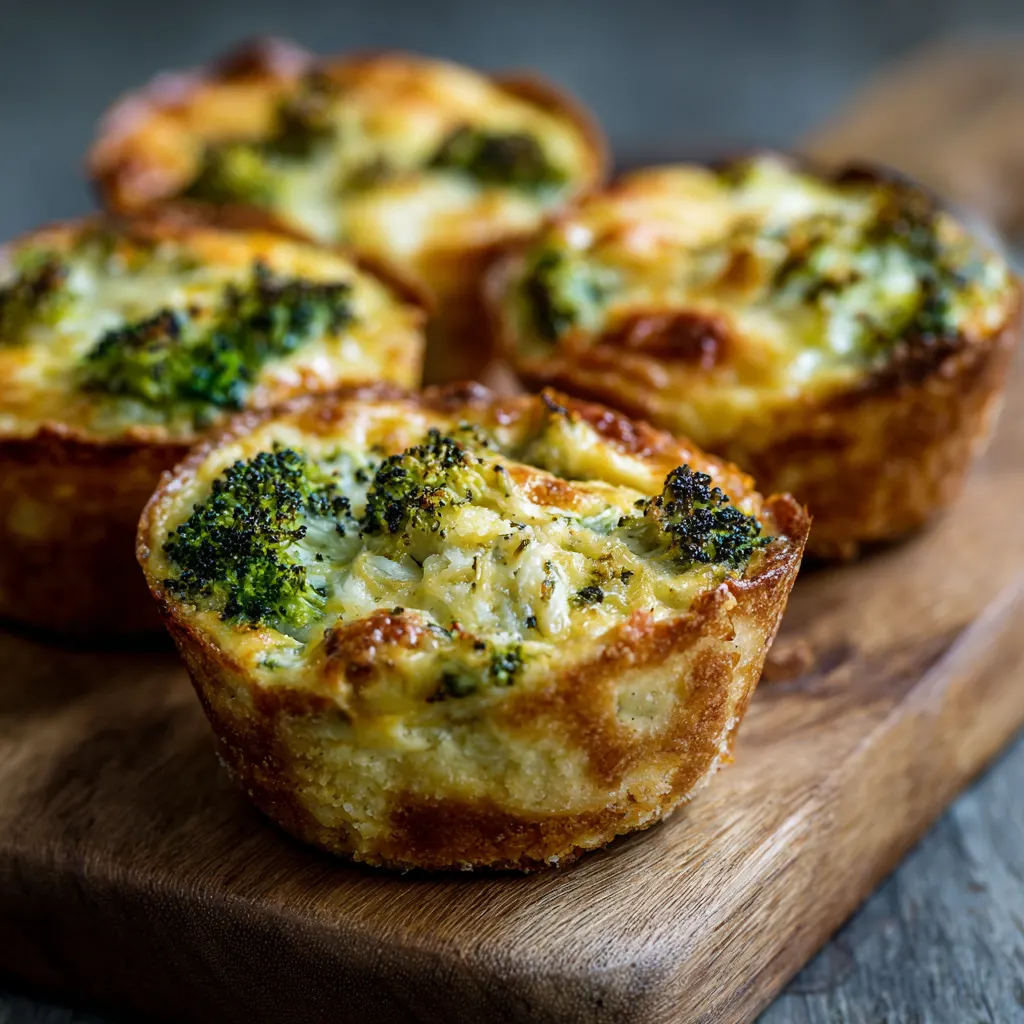
Mini quiches stand out as the ultimate culinary multitasker, seamlessly transitioning from elegant brunch fare to hearty, protein-packed weekday snacks. The classic pairing of savory broccoli and sharp cheddar cheese, encased in a delicate crust or baked crustless for a lighter bite, offers a perfect balance of texture and flavor. Individual portions baked in a standard muffin tin make them incredibly convenient for entertaining and essential for efficient meal preparation, providing a delicious, handheld answer to breakfast, lunch, or appetizer dilemmas. Whether you are a seasoned baker or a kitchen novice, these diminutive delights are remarkably straightforward to execute, provided you follow a few essential techniques for achieving a fluffy custard and crisp filling.
The Essential Ingredients (Makes 12 Mini Quiches)
-
For the Pastry (Optional, use a store-bought crust or omit for crustless):
-
1 (14.1-ounce) package refrigerated pie crust (or 2 discs of homemade dough)
-
-
For the Filling:
-
8 Large Eggs
-
1/2 cup Heavy Cream or Whole Milk (heavy cream provides a richer texture)
-
1/2 teaspoon Kosher Salt
-
1/4 teaspoon Freshly Ground Black Pepper
-
1/4 teaspoon Ground Nutmeg (optional, but highly recommended for traditional quiche flavor)
-
1 cup Sharp Cheddar Cheese, shredded
-
1 1/2 cups Cooked Broccoli Florets, finely chopped
-
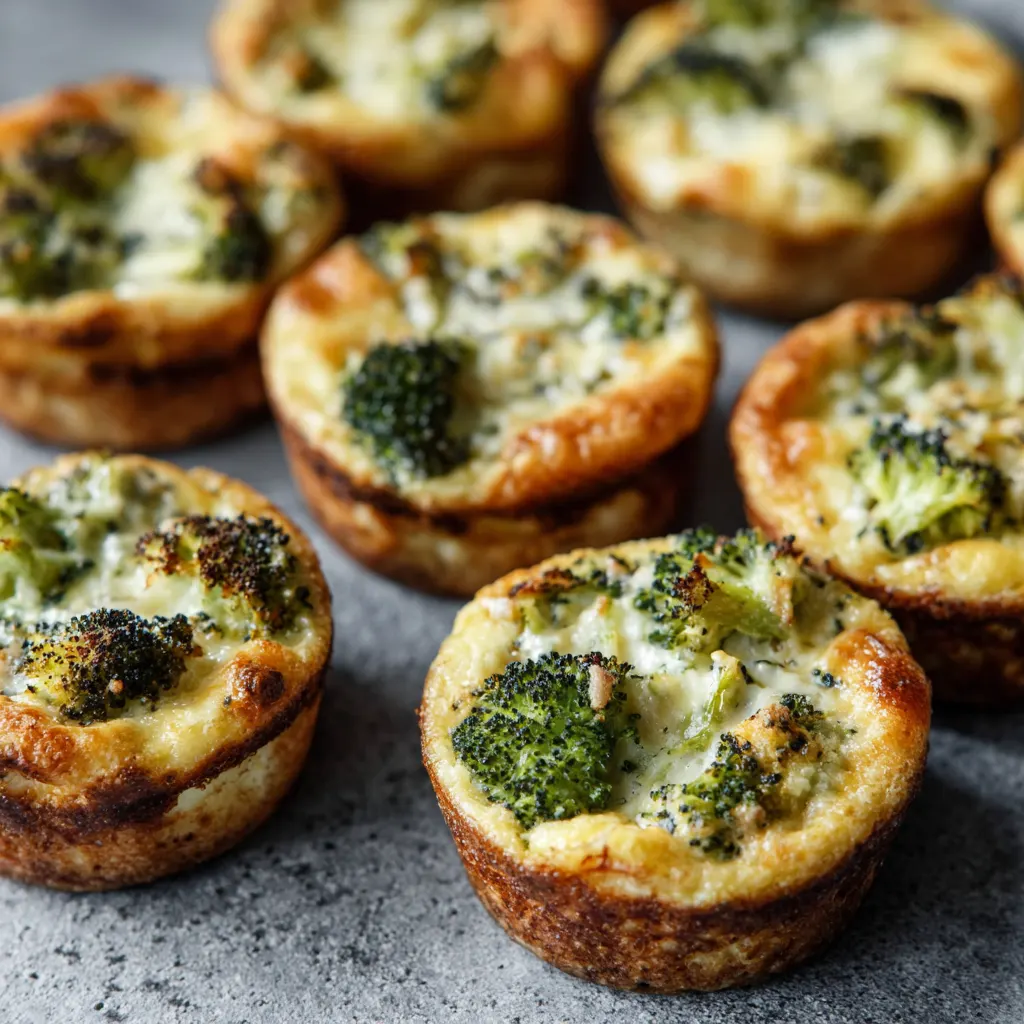
Step-by-Step Baking Guide
Preparation: The Foundation (15 minutes)
-
Preheat and Prep Broccoli: Preheat your oven to 375°F (190°C). Cook the broccoli florets (by steaming, boiling, or microwaving) until tender-crisp. Immediately chop them into very small pieces. Crucial Step: Pat the chopped broccoli thoroughly dry using a clean kitchen towel or paper towels. Removing excess moisture is vital to prevent a watery quiche filling. Let cool completely.
-
Prepare the Muffin Tin: If using a crust, lightly flour your work surface and roll out the pie dough. Use a 3- to 4-inch round cutter (or a drinking glass) to cut 12 circles. Press each dough round gently into the cups of a standard 12-cup muffin tin, forming a miniature crust. Prick the bottoms of the crusts a few times with a fork. If making them crustless, generously grease the muffin tin cups with non-stick spray or melted butter, or utilize silicone baking cups.
-
Blind Bake (Crust Only): If using a crust, bake the empty crusts for 8 to 10 minutes until lightly set. Remove from the oven. This step prevents a soggy bottom crust.
Assembly and Baking: The Core (30-35 minutes)
-
Make the Custard: In a medium bowl with a spout (or a large liquid measuring cup), whisk together the eggs, heavy cream (or milk), salt, pepper, and nutmeg until the mixture is light yellow and uniform.
-
Distribute the Solids: Divide the chopped, dried broccoli and the shredded cheddar cheese evenly among the prepared muffin cups (crusted or crustless). Fill the cups about half-full with the solid ingredients, ensuring they are evenly distributed.
-
Pour the Custard: Carefully pour the egg mixture over the broccoli and cheese in each cup, filling them about three-quarters of the way full. Avoid overfilling, which can cause sticking and overflowing.
-
Bake: Place the muffin tin in the preheated oven. Bake for 20 to 25 minutes (crustless) or 25 to 30 minutes (crusted), or until the tops are golden, the filling is puffed, and a knife inserted near the center comes out clean.
-
Cool and Serve: Allow the mini quiches to cool in the pan for 5 to 10 minutes. This cooling period helps them set and makes removal significantly easier. Run a small, offset spatula or a butter knife around the edge of each quiche before gently lifting them out. Serve warm or at room temperature.
The Quest for the Perfect Quiche Custard
The heart of any quiche, large or small, is its creamy, flavorful custard. Achieving the ideal texture—light, fluffy, and firm without being rubbery—is a science rooted in balancing eggs and dairy, and crucially, managing moisture.
Understanding the Egg-to-Dairy Ratio
While some recipes use a simple egg-and-milk blend, the most indulgent mini quiches rely on a higher fat content to achieve a luxurious mouthfeel.
-
Richer Texture: Using heavy cream, or a mixture of whole milk and heavy cream, results in a rich, traditional French quiche texture that holds its form beautifully upon cooling. The high-fat content ensures a silky finish.
-
Lighter Option: For a health-conscious alternative, using whole eggs with skim or low-fat milk, or even evaporated milk, produces a firm, high-protein mini quiche, often preferred for crustless variations. Some recipes even incorporate an extra egg yolk or two to enhance the richness and binding properties without adding more liquid volume.
The Critical Role of Moisture Management
The primary pitfall in making broccoli quiches is a “weeping” or watery filling, which often results in a soft, destabilized custard. This almost always stems from the broccoli. Broccoli, whether fresh or frozen, holds a surprising amount of water. As the quiches bake, this moisture releases into the egg mixture.
-
Pre-Cooking is Key: Always cook the broccoli beforehand until it is tender-crisp. Do not use raw florets.
-
The Pat-Down: After cooking and chopping the broccoli, it must be drained thoroughly, cooled, and then aggressively patted dry. This simple step is the single most important factor in ensuring a firm, delicious quiche.
-
Frozen Broccoli: If using frozen broccoli, thaw it completely first, then squeeze out the excess water before chopping and patting dry.
Flavoring the Custard
Beyond salt and pepper, the custard is the perfect canvas for subtle aromatics. A small dash of freshly grated nutmeg is a classic addition that enhances the savory flavor profile of the eggs and dairy, providing an authentic quiche taste. Alternatively, garlic powder, a pinch of cayenne, or a touch of onion powder can be used to deepen the flavor.
Crust or Crustless: Customizing Your Mini Quiches
The decision between a traditional flaky crust and a modern crustless version dictates the mini quiche’s suitability for different dietary needs and occasions.
The Convenience of Crustless
Crustless mini quiches (often called “egg bites” or “egg muffins”) have surged in popularity for several reasons:
-
Low-Carb and Gluten-Free: By eliminating the pastry, they become inherently suitable for keto, low-carb, and gluten-free diets, while maximizing protein and vegetable intake.
-
Speed and Simplicity: Prep time is significantly reduced, making them a true weeknight wonder or a rapid meal prep solution.
-
Achieving Easy Release: The crustless method requires attention to the muffin tin preparation. Using silicone muffin molds is the easiest method for guaranteed release. If using a metal pan, liberal greasing with cooking spray, butter, or even a light dusting of flour after greasing, is essential to ensure they pop out cleanly.
Mastering the Traditional Crust
If the flaky, buttery texture of pastry is non-negotiable, there are ways to ensure your mini crust remains crisp and is never soggy.
-
Store-Bought vs. Homemade: Refrigerated store-bought pie crusts are an excellent shortcut, providing consistent results. For homemade, a butter and cream cheese dough (known for its tenderness) is a favorite for quiche applications.
-
The Par-Bake Technique (Blind Baking): This is the secret to preventing a soggy bottom (or “soggy-bottom syndrome”). By baking the empty crusts for 8-10 minutes before adding the filling, you set the gluten structure and dry out the dough, creating a moisture barrier against the wet custard.
-
Forming the Shells: When placing dough rounds into the muffin cups, press them firmly against the bottom and sides to eliminate air pockets. If you use too much dough, the crust around the edges may be overly thick, so trimming excess pastry is advisable.
Beyond the Basics: Flavor Optimization and Add-ins
While broccoli and cheddar is a winning combination, the beauty of the mini quiche format lies in its flexibility. By optimizing the two star ingredients and introducing complementary additions, you can elevate the standard recipe into a signature creation.
Selecting the Perfect Cheddar
The type of cheddar used profoundly affects the final taste:
-
Sharp vs. Mild: Opting for sharp cheddar provides a more complex, punchy flavor that cuts through the richness of the egg and cream, ensuring the cheese flavor doesn’t get lost. Mild cheddar is softer and creamier but less assertive.
-
Block vs. Pre-Shredded: Whenever possible, purchase a block of quality cheddar and shred it yourself. Pre-shredded cheeses often contain anti-caking agents (like potato starch or cellulose) that can prevent the cheese from melting smoothly and result in a slightly grainy texture in the final custard. Freshly shredded cheese melts uniformly and integrates better.
Savory Variations and Enhancements
The muffin tin allows for individual customization, perfect for accommodating different preferences. Consider adding one or two of these ingredients alongside the broccoli and cheddar:
-
Protein Boosts: Diced, fully cooked bacon, finely crumbled sausage, or small cubes of diced ham are popular additions that transform the quiche into a full meal.
-
Aromatic Vegetables: Finely minced onion or sautéed red bell pepper add a touch of sweetness and depth. Sautéing these ingredients beforehand is essential to soften them and remove excess moisture.
-
Alternative Cheeses: Swap out half the cheddar for another complementary cheese:
-
Parmesan: Adds a nutty, salty bite.
-
Monterey Jack: Provides superior meltiness.
-
Goat Cheese or Feta: Offers a tangy contrast.
-
-
Green Substitutions: If you desire more greens, sautéed spinach or kale (squeezed absolutely dry) or finely chopped asparagus tips work beautifully.
Pro Tip for Distribution: Mix the primary filling ingredients (broccoli, cheese, and any additions) together in a separate bowl. Distribute these solids into the muffin cups first, ensuring each quiche has an equal amount of solids before pouring the liquid custard over the top. This prevents all the heavy ingredients from sinking to the bottom.
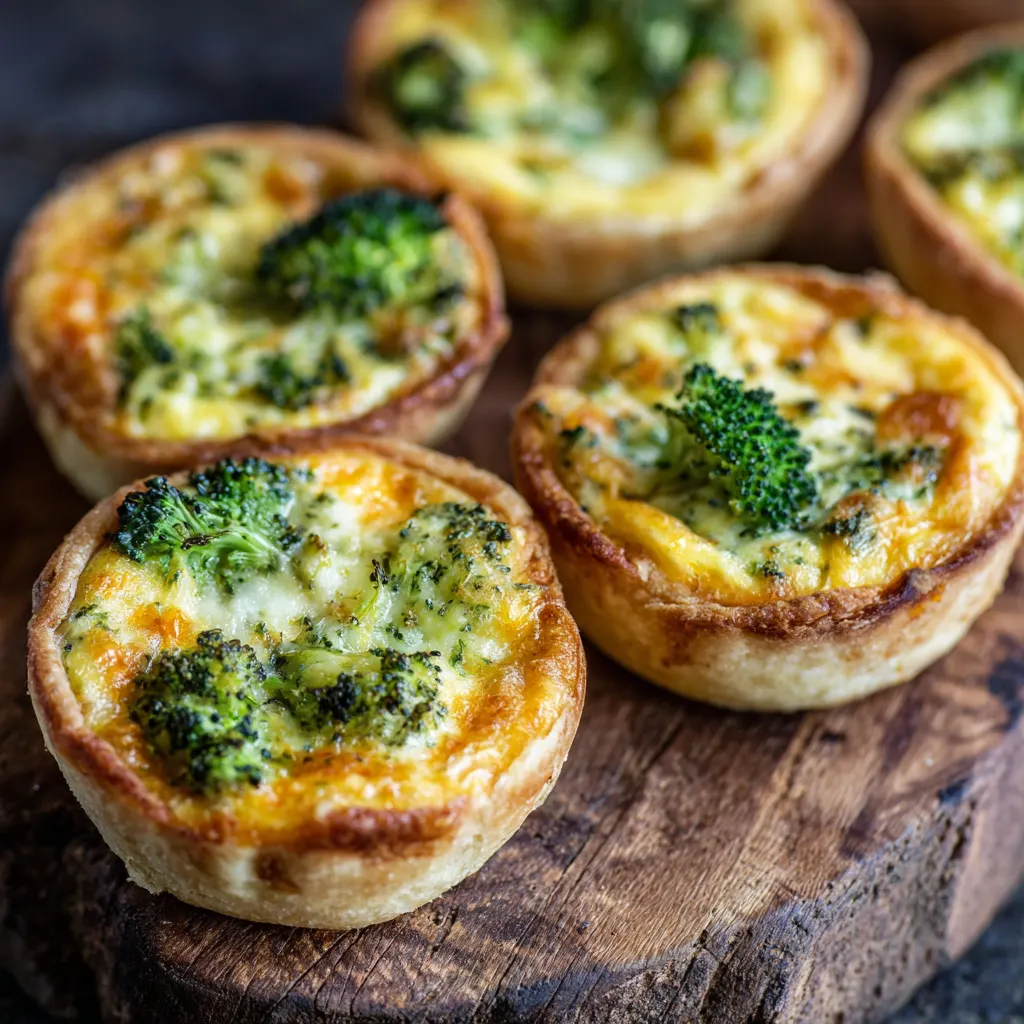
Meal Prep Mastery: Storage, Freezing, and Serving
The individual size and robust nature of broccoli and cheddar mini quiches make them unparalleled contenders for effective meal preparation and make-ahead cooking.
Make-Ahead and Storage
Mini quiches are highly stable and can be prepared days in advance, ready for quick heating:
-
Refrigeration: Once fully cooled, store the mini quiches in an airtight container in the refrigerator for up to 4 days. Layer them with parchment paper to prevent sticking.
-
Freezing for Longevity: For long-term storage, mini quiches are ideal, maintaining quality for up to 3 months.
-
Method: Allow the quiches to cool completely on a wire rack. Place them on a baking sheet and freeze for 1 to 2 hours until solid. Transfer the frozen quiches to a freezer-safe, air-tight bag or container. This prevents them from sticking together.
-
-
Reheating:
-
From Refrigerator: Reheat in a microwave for 30–60 seconds, or in a 350°F (175°C) oven for 5–10 minutes until warmed through.
-
From Freezer: Reheat in a preheated 325°F (160°C) oven for 20–30 minutes, or use the microwave’s defrost setting followed by a short burst on high. Reheating gently prevents the egg from overcooking and becoming tough.
-
Versatile Serving Suggestions
These mini quiches are adaptable to almost any meal setting:
-
Breakfast/Brunch: Serve alongside a fresh fruit salad, crispy hash browns, or a side of avocado toast.
-
Appetizer: When serving as finger food, pair them with a light dip, such as a chive sour cream, a dollop of pepper jelly, or simply a light dusting of paprika.
-
Lunch: They are perfect cold or warm for a lunchbox. Pair with a simple green salad or a cup of soup for a balanced midday meal.
Nutritional Insights and Final Thoughts
Broccoli and cheddar mini quiches offer a delicious path to incorporating high-quality protein and essential nutrients into your diet, especially when optimizing the ingredients.
Maximizing Health Benefits
-
Protein Power: Eggs are a complete protein source, and combined with cheese, these mini quiches provide sustained energy, making them excellent for starting the day or fueling a workout.
-
Fiber and Vitamins: Broccoli delivers significant amounts of fiber, Vitamin C, and Vitamin K. The small portions make it easy to boost vegetable intake, particularly for picky eaters.
-
Dietary Adaptability: As noted, the crustless version offers a low-carb and gluten-free solution without sacrificing flavor. Substituting high-fat dairy with evaporated milk or low-fat milk further reduces the fat and calorie count, while retaining the protein-rich core.
The miniature format naturally encourages portion control and flexibility. By mastering the fundamentals—particularly proper broccoli preparation and mindful crust selection—you unlock a staple recipe that is not just delicious and comforting, but also highly efficient for any modern kitchen routine.