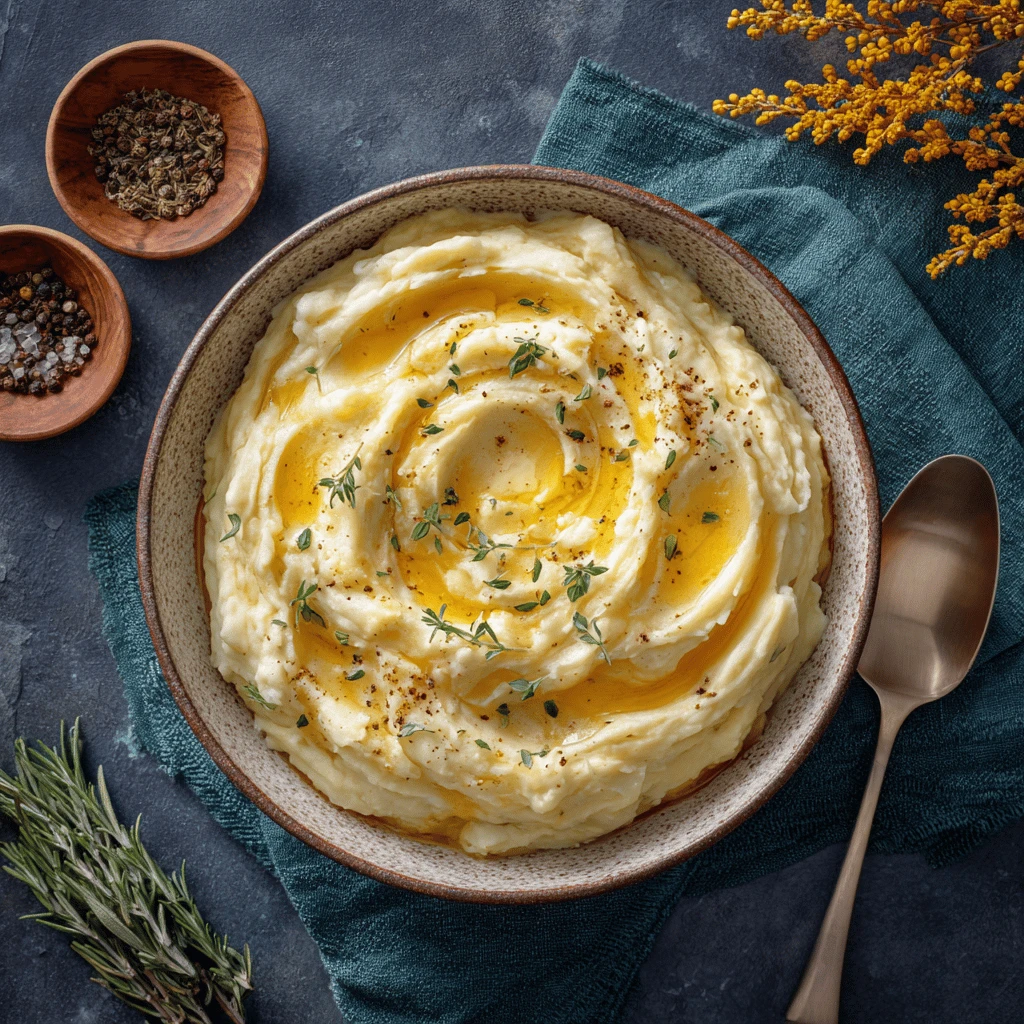
Buttery Mashed Potatoes for Thanksgiving
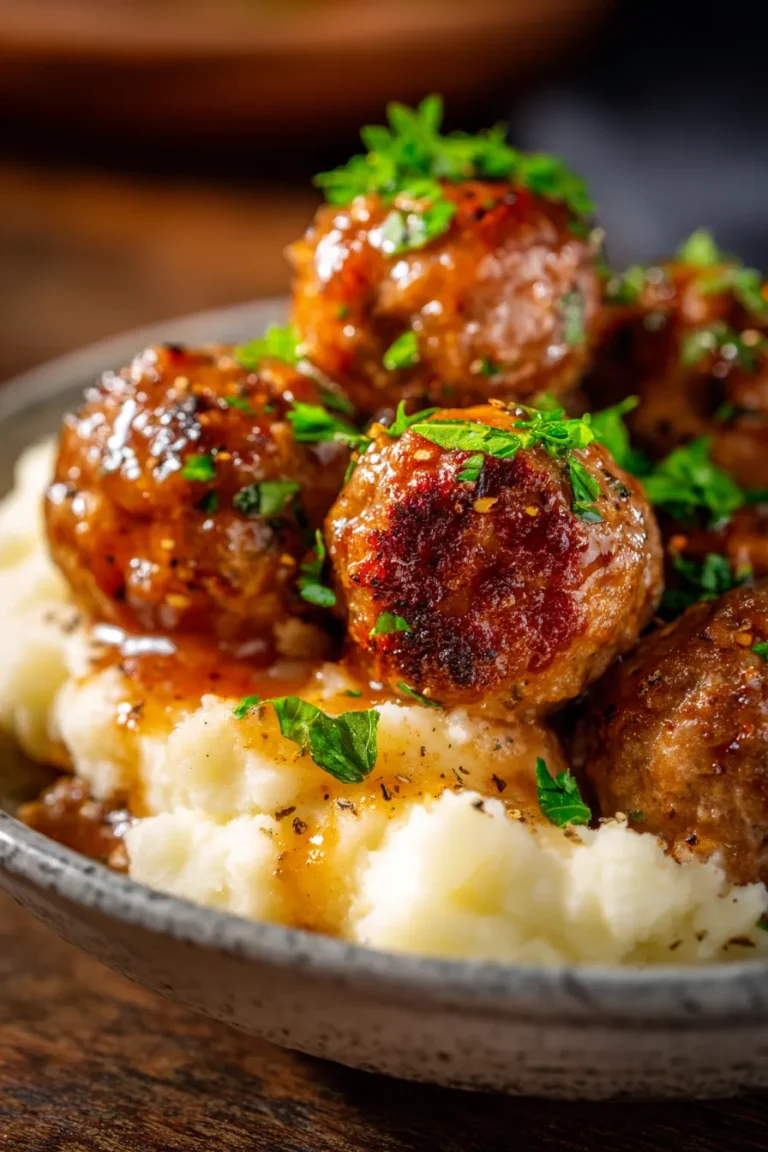
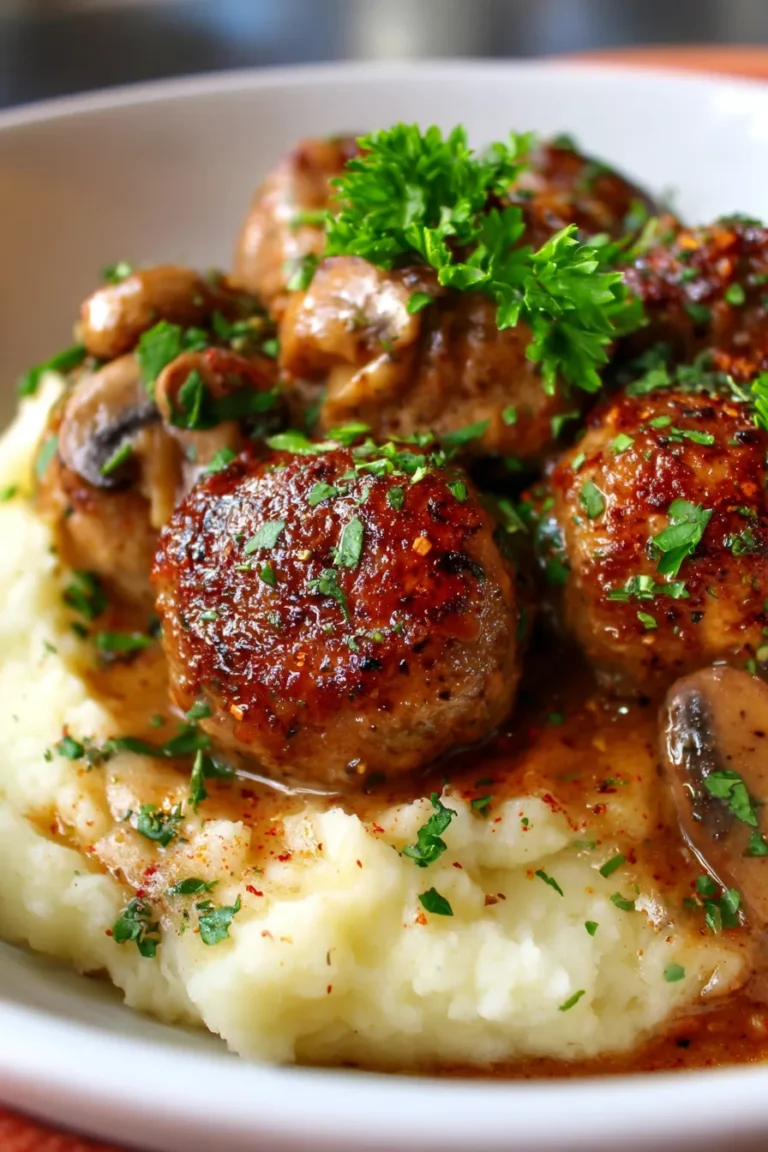
Thanksgiving is a holiday synonymous with comfort food, and no Thanksgiving table is complete without a generous serving of creamy, buttery mashed potatoes. This guide will help you create the ultimate mashed potato dish that will be the star of your Thanksgiving feast. We’ll cover everything from potato selection to achieving the perfect texture and flavor.
Choosing the Right Potatoes
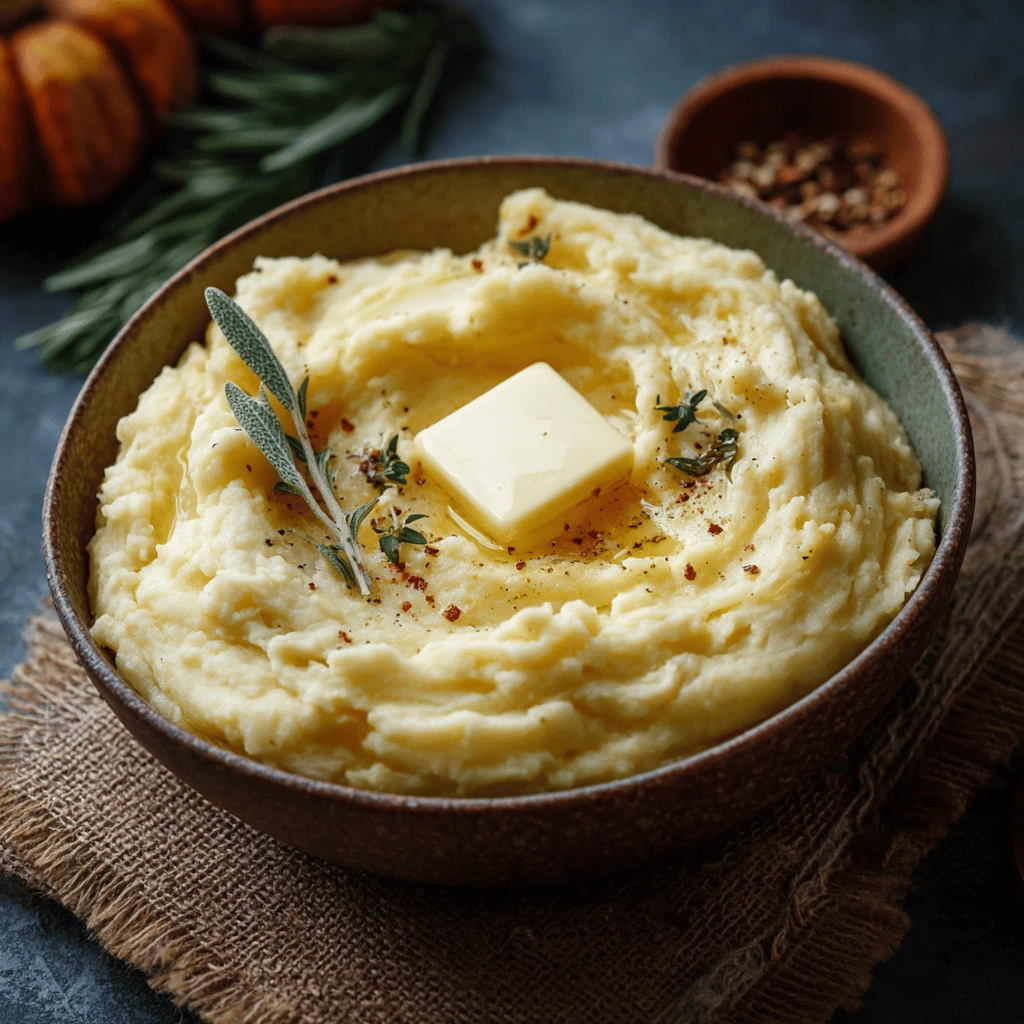
The foundation of exceptional mashed potatoes lies in selecting the right type of potato. Different varieties offer distinct characteristics that impact the final result.
Russet Potatoes: The Fluffy Choice
Russet potatoes are known for their high starch content and low moisture. This combination results in a light, fluffy texture when mashed. However, they can become gluey if overmixed, so handle them with care. Russets are a great choice if you prefer a more traditional, voluminous mashed potato.
Yukon Gold Potatoes: The Creamy Dream
Yukon Gold potatoes are prized for their naturally buttery flavor and creamy texture. They have a medium starch content, offering a balance between fluffiness and richness. Their thin skin also means you can leave it on for added texture and nutrients, although most prefer peeling for ultimate smoothness. Yukon Golds are an excellent choice for a luxurious and flavorful mash.
Red Potatoes: A Waxy Alternative
Red potatoes have a lower starch content and a higher moisture content than russets or Yukon Golds. This results in a denser, waxier texture. While not ideal for traditional fluffy mashed potatoes, they can be used for a chunkier, more rustic mash. If using red potatoes, be careful not to overwork them, as they can become gummy.
Achieving the Perfect Texture
Once you’ve selected your potatoes, the next step is to ensure they are cooked and mashed to perfection.
Cooking the Potatoes
The cooking process significantly impacts the final texture of your mashed potatoes.
1. Peel and Cut: Peel the potatoes (unless using Yukon Golds and opting for skin-on) and cut them into even-sized chunks. This ensures uniform cooking. Aim for pieces about 1-2 inches in size.
2. Cold Water Start: Place the potatoes in a large pot and cover them with cold water. Add a generous amount of salt – this seasons the potatoes from the inside out.
3. Gentle Simmer: Bring the water to a boil, then reduce the heat to a gentle simmer. Cook until the potatoes are fork-tender, meaning a fork easily pierces through the center without resistance. This usually takes about 15-20 minutes.
4. Drain Thoroughly: Once cooked, drain the potatoes thoroughly in a colander. Return them to the pot and let them sit for a minute or two to allow any excess moisture to evaporate. This helps prevent watery mashed potatoes.
Mashing Techniques
The method you use to mash your potatoes will also affect the texture.
- Potato Ricer: A potato ricer creates the smoothest, fluffiest mashed potatoes. It forces the cooked potatoes through small holes, resulting in a light and airy texture. This is the preferred method for achieving restaurant-quality mashed potatoes.
- Potato Masher: A potato masher is a more traditional tool. It allows for a chunkier texture, if desired. Be careful not to overmash, as this can lead to gluey potatoes.
- Electric Mixer (Use with Caution): While an electric mixer can be used, it’s easy to overmix the potatoes, resulting in a gummy texture. If using a mixer, use it sparingly and on low speed.
- Food Processor (Avoid): Avoid using a food processor, as it will almost certainly result in a gluey, undesirable texture.
Enhancing the Flavor
The right additions can elevate your mashed potatoes from ordinary to extraordinary.
Butter: The Key Ingredient
Butter is essential for creating rich, buttery mashed potatoes. Use high-quality unsalted butter to control the saltiness of the dish. Brown butter adds a nutty depth of flavor that complements the potatoes beautifully. To brown butter, melt it in a saucepan over medium heat, stirring constantly until it turns a golden-brown color and has a nutty aroma. Be careful not to burn it.
Cream and Milk: Achieving the Right Consistency
Cream and milk add moisture and richness to the mashed potatoes. Whole milk or heavy cream will create the most decadent texture. Warm the milk or cream before adding it to the potatoes to help them absorb the liquid more easily and prevent them from cooling down.
Seasonings: Salt, Pepper, and Beyond
Salt and pepper are essential seasonings, but don’t be afraid to experiment with other flavors.
- Garlic: Roasted garlic or garlic powder adds a savory depth of flavor.
- Fresh Herbs: Chives, parsley, or thyme add a fresh, aromatic touch.
- Cheese: A sprinkle of Parmesan or Gruyere cheese adds a salty, umami flavor.
- Sour Cream or Cream Cheese: These add a tangy richness to the mashed potatoes.
A Note on Salt
Salt is crucial for bringing out the natural flavors of the potatoes and other ingredients. Don’t be shy with the salt, but always taste and adjust as needed.
A Step-by-Step Recipe for Buttery Mashed Potatoes
Here’s a detailed recipe to guide you through making the perfect buttery mashed potatoes for Thanksgiving.
Ingredients:
- 2 pounds Yukon Gold potatoes, peeled and cut into 1-2 inch chunks
- 1 cup heavy cream, warmed
- 1/2 cup unsalted butter, melted (or browned)
- Salt and freshly ground black pepper, to taste
- Optional: 2 cloves garlic, roasted, or 1 teaspoon garlic powder
- Optional: 2 tablespoons chopped fresh chives or parsley
Instructions:
1. Place the potatoes in a large pot and cover with cold water. Add 1 tablespoon of salt.
2. Bring the water to a boil, then reduce heat and simmer for 15-20 minutes, or until the potatoes are fork-tender.
3. Drain the potatoes thoroughly and return them to the pot. Let them sit for a minute to allow any excess moisture to evaporate.
4. Mash the potatoes using a potato ricer or masher until smooth.
5. Gradually add the warmed heavy cream and melted butter (or browned butter), mixing until well combined.
6. Stir in the salt, pepper, and any optional ingredients, such as roasted garlic, garlic powder, or fresh herbs.
7. Taste and adjust seasonings as needed.
8. Serve immediately and enjoy!
Troubleshooting Common Issues
Even with the best intentions, sometimes things can go wrong. Here are some common issues and how to fix them.
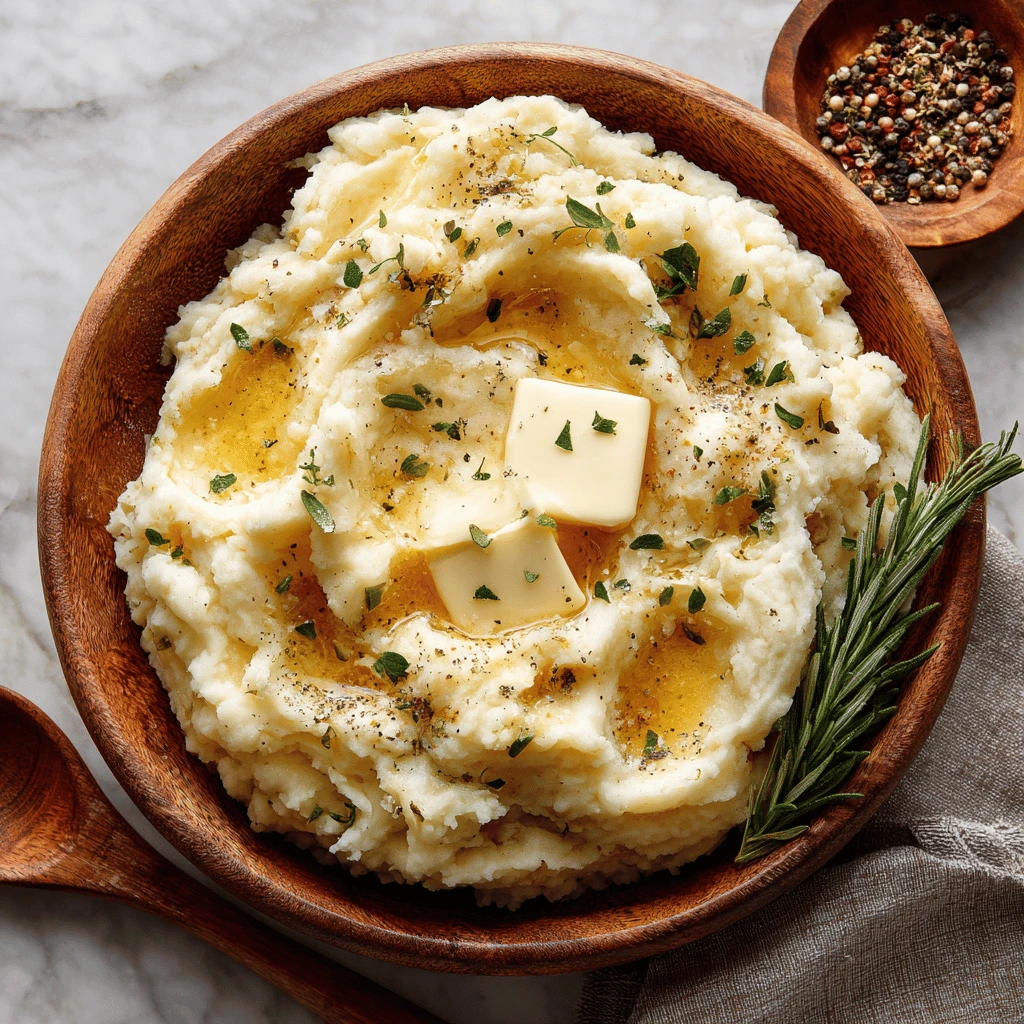
Gluey Mashed Potatoes
- Cause: Overmixing the potatoes.
- Solution: Unfortunately, once potatoes are gluey, there’s no going back. Prevent this by using a potato ricer or masher and avoiding overmixing. If using an electric mixer, use it sparingly and on low speed.
Watery Mashed Potatoes
- Cause: Potatoes not drained thoroughly or too much liquid added.
- Solution: Drain the potatoes thoroughly and let them sit in the pot for a minute or two to evaporate excess moisture. Add warmed milk or cream gradually, stopping when the desired consistency is reached. To thicken watery mashed potatoes, heat them over low heat, stirring constantly, to evaporate some of the excess liquid.
Bland Mashed Potatoes
- Cause: Insufficient seasoning.
- Solution: Taste and adjust seasonings as needed. Add more salt, pepper, or other desired spices until the flavor is to your liking. A pinch of umami seasonings like mushroom powder can also help.
Lumpy Mashed Potatoes
- Cause: Potatoes not cooked evenly or not mashed thoroughly.
- Solution: Ensure the potatoes are cut into even-sized pieces for uniform cooking. Use a potato ricer or masher to thoroughly mash the potatoes. If lumps persist, you can try passing the potatoes through a fine-mesh sieve for an ultra-smooth texture.
Frequently Asked Questions (FAQ)
-
- What kind of potatoes are best for mashed potatoes?
Yukon Gold potatoes are often considered the best for their creamy texture and naturally buttery flavor. Russet potatoes are a good alternative for a fluffier texture.
-
- How do you keep mashed potatoes warm for a long time?
You can keep mashed potatoes warm in a slow cooker on the "warm" setting, or in a double boiler. Stir occasionally and add a little milk or cream if they start to dry out.
-
- How do you make mashed potatoes ahead of time?
Prepare the mashed potatoes according to the recipe, but slightly undercook them. Cool them quickly and store them in an airtight container in the refrigerator for up to 2 days. When ready to serve, reheat them gently in a saucepan over low heat, stirring frequently, or in the microwave. Add a little milk or cream to restore their creamy texture.
-
- What can I add to mashed potatoes to make them taste better?
Consider adding roasted garlic, fresh herbs like chives or parsley, grated cheese, sour cream or cream cheese, or browned butter to enhance the flavor of your mashed potatoes.
-
- Why are my mashed potatoes gummy?
Gummy mashed potatoes are usually caused by overmixing, which releases too much starch from the potatoes. Avoid using a food processor or electric mixer on high speed. Use a potato ricer or masher instead.