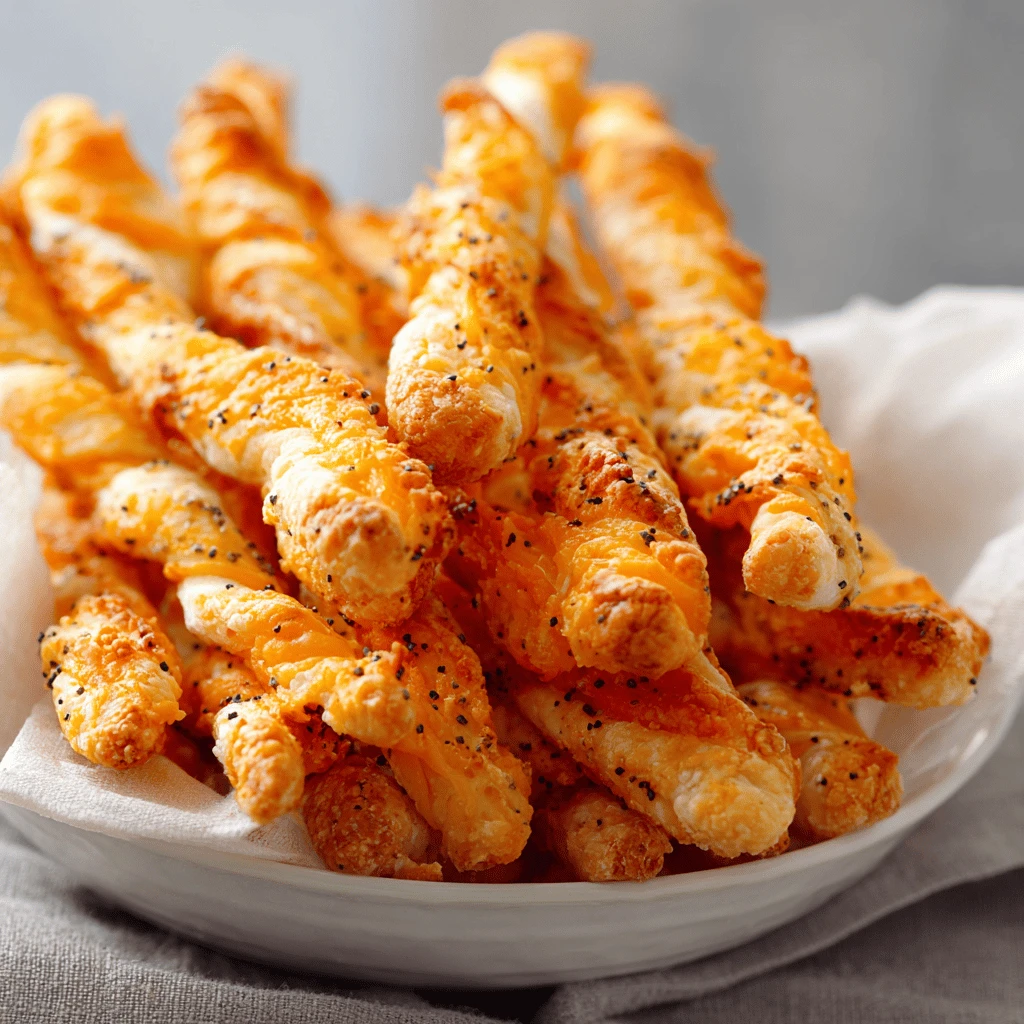
Cheddar Cheese Straws Thanksgiving Appetizers
Ingredients
- 1 cup (2 sticks) unsalted butter, cold and cubed
- 3 cups all-purpose flour
- 1 teaspoon salt
- 1/2 teaspoon cayenne pepper (optional, for a little kick)
- 4 cups (16 ounces) sharp cheddar cheese, shredded
- 1/4 cup ice water, or more as needed
- Optional toppings: sesame seeds, poppy seeds, everything bagel seasoning
Step-by-Step
1. Preheat your oven to 375°F (190°C). Line two baking sheets with parchment paper.
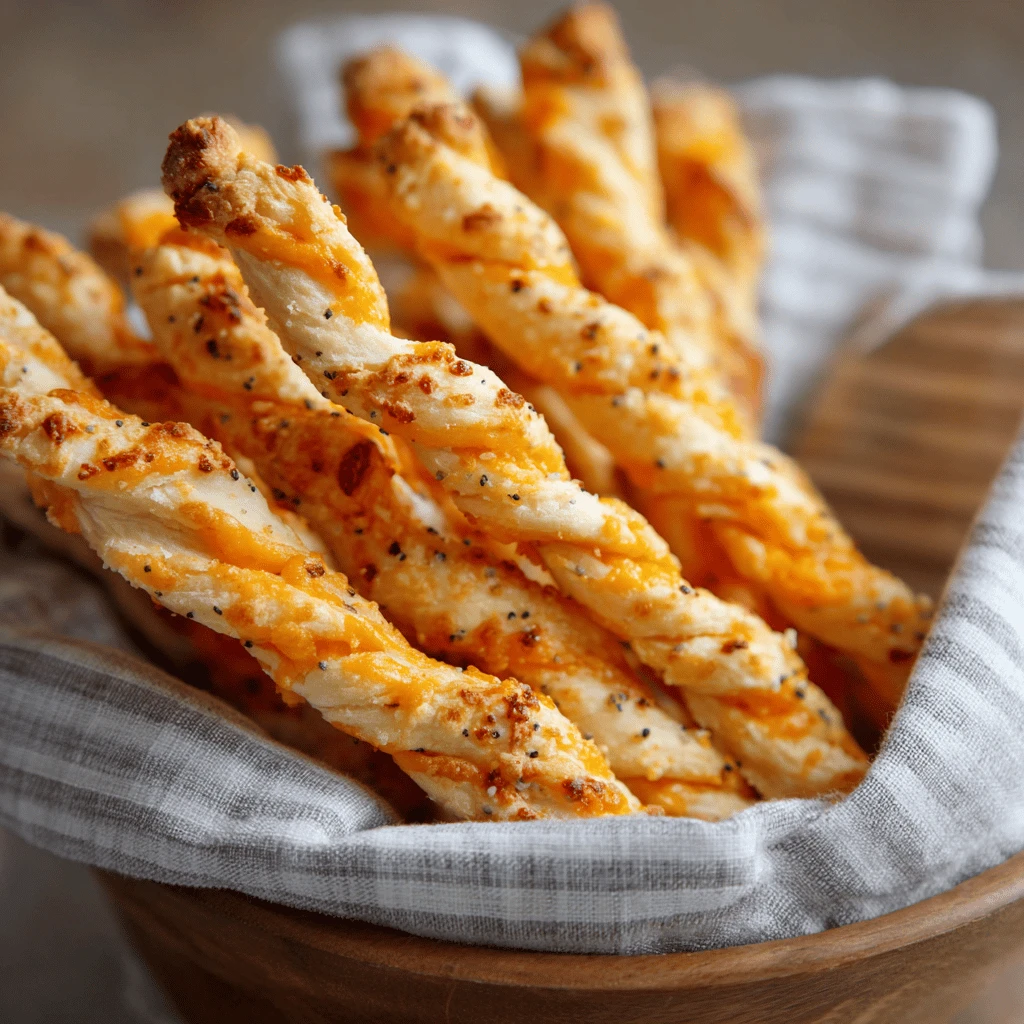
2. In a large bowl or the bowl of a food processor, combine the flour, salt, and cayenne pepper (if using).
3. Add the cold, cubed butter to the flour mixture. Cut the butter into the flour using a pastry blender or pulse in the food processor until the mixture resembles coarse crumbs.
4. Add the shredded cheddar cheese to the bowl. Mix or pulse until the cheese is evenly distributed.
5. Gradually add the ice water, one tablespoon at a time, mixing or pulsing after each addition, until the dough just comes together. Be careful not to overmix.
6. Turn the dough out onto a lightly floured surface. Form it into a disc.
7. Roll out the dough to about 1/4-inch thickness.
8. Using a pizza cutter or sharp knife, cut the dough into thin strips, about 1/4-inch wide and 4-6 inches long.
9. Carefully transfer the cheese straws to the prepared baking sheets, leaving a little space between each straw.
10. If desired, brush the cheese straws with a little melted butter or egg wash and sprinkle with sesame seeds, poppy seeds, or everything bagel seasoning.
11. Bake for 12-15 minutes, or until the cheese straws are golden brown and crisp.
12. Let the cheese straws cool on the baking sheets for a few minutes before transferring them to a wire rack to cool completely.
13. Store in an airtight container at room temperature for up to 3 days.
The Perfect Thanksgiving Appetizer: Cheddar Cheese Straws
Thanksgiving is a time for family, friends, and, of course, delicious food.
While the turkey and stuffing take center stage, appetizers are crucial for keeping guests happy while they wait for the main event.
Cheddar cheese straws are a perfect choice for a Thanksgiving appetizer because they are easy to make, incredibly flavorful, and can be prepared in advance.
They offer a savory, cheesy bite that complements the richer dishes of the holiday feast. Plus, they’re always a crowd-pleaser!
Why Choose Cheese Straws?
Cheese straws are more than just a tasty snack.
They offer several advantages as a Thanksgiving appetizer.
First, they can be made ahead of time. This is a huge benefit when you have a busy Thanksgiving schedule. Second, they are relatively inexpensive to make. Third, they are easy to customize with different cheeses, spices, and toppings.
Finally, they are naturally gluten-free if you use gluten-free flour.
Flavor Profiles and Variations
The classic cheddar cheese straw is always a hit. However, you can easily adjust the flavor profile to suit your tastes and preferences.
Consider adding a pinch of cayenne pepper for a little heat. Smoked paprika can add a smoky depth to the flavor. Garlic powder or onion powder can also enhance the savory notes.
Experiment with different types of cheese, such as Gruyere, Parmesan, or even a mix of cheeses, for a more complex flavor.
Adding herbs like rosemary, thyme, or sage can also create a more sophisticated and festive flavor profile, perfect for Thanksgiving.
Tips and Tricks for the Best Cheese Straws
Making cheese straws is simple, but there are a few key tips and tricks to ensure the best results.
Cold ingredients are essential for a flaky, tender texture. Don’t overmix the dough, as this can lead to tough cheese straws.
Proper baking is also important. Watch the cheese straws carefully and remove them from the oven when they are golden brown and crisp around the edges.
Working with the Dough
The key to perfect cheese straws starts with the dough.
Make sure your butter and cheese are cold to prevent the dough from becoming greasy.
Cut the butter into the flour using a pastry blender or food processor until the mixture resembles coarse crumbs. This creates pockets of butter that will create a flaky texture when baked.
Add the ice water gradually, just until the dough comes together. Avoid overmixing, as this will develop the gluten in the flour and make the cheese straws tough.
Cutting and Baking
Rolling out the dough to an even thickness is important for consistent baking.
Use a pizza cutter or sharp knife to cut the dough into thin strips.
Place the cheese straws on a baking sheet lined with parchment paper to prevent sticking.
Bake until golden brown and crisp, usually around 12-15 minutes.
Let the cheese straws cool completely on the baking sheet before transferring them to a wire rack. This will prevent them from breaking.
Make-Ahead Tips and Storage Instructions
One of the best things about cheese straws is that they can be made ahead of time, making them an ideal Thanksgiving appetizer.
You can prepare the dough up to 2 days in advance and store it in the refrigerator, tightly wrapped in plastic wrap.
You can also bake the cheese straws ahead of time and store them in an airtight container at room temperature for up to 3 days.
Freezing for Later
For longer storage, you can freeze the cheese straws.
Place the baked and cooled cheese straws in a single layer on a baking sheet and freeze for about 30 minutes, or until solid.
Then, transfer the frozen cheese straws to a freezer bag or airtight container. They can be stored in the freezer for up to 2 months.
To thaw, simply remove the desired number of cheese straws from the freezer and let them sit at room temperature for a few minutes.
You can also re-crisp them in a preheated oven at 350°F (175°C) for a few minutes.
Serving Suggestions
Cheese straws are delicious on their own, but they can also be served with dips or spreads.
Consider serving them with a creamy cheese dip, a spicy pepper jelly, or a tangy cranberry sauce.
They also pair well with soups and salads.
Arrange the cheese straws on a platter with other appetizers, such as olives, nuts, and crackers, for a festive and appealing presentation.
Pairing Cheese Straws with Thanksgiving Flavors
Cheese straws complement a wide range of Thanksgiving flavors.
The savory, cheesy taste pairs well with the sweetness of cranberry sauce, the earthiness of roasted vegetables, and the richness of turkey and gravy.
Consider incorporating cheese straws into your Thanksgiving table setting for a touch of elegance and flavor.
Complementary Flavors
The sharp cheddar cheese in the cheese straws provides a nice contrast to the sweeter elements of the Thanksgiving meal, such as sweet potato casserole or pumpkin pie.
The addition of cayenne pepper or smoked paprika adds a subtle heat that balances the richness of the other dishes.
Herbs like rosemary, thyme, or sage can enhance the savory flavors of the Thanksgiving meal and create a cohesive culinary experience.
Creating a Balanced Appetizer Platter
When creating a Thanksgiving appetizer platter, consider including a variety of textures and flavors.
In addition to cheese straws, include fresh vegetables, such as carrot sticks, celery sticks, and cucumber slices.
Add some dips, such as hummus, guacamole, or a creamy cheese dip. Include some cured meats, such as prosciutto or salami, for added protein and flavor.
Arrange the appetizers attractively on a platter and serve with a selection of beverages, such as sparkling cider, wine, or beer.
Troubleshooting Common Issues
Even with the best recipes, sometimes things don’t go as planned.
Here are some common issues you might encounter when making cheese straws and how to troubleshoot them.
Dough is Too Dry
If your dough is too dry and crumbly, it may be difficult to roll out and cut.
This can happen if you use too much flour or not enough liquid.
To fix this, add a tablespoon of ice water at a time, mixing or pulsing after each addition, until the dough just comes together. Be careful not to add too much water, as this can make the dough sticky.
Dough is Too Sticky
If your dough is too sticky, it will be difficult to handle and may stick to the rolling pin and cutting tools.
This can happen if you use too much liquid or if the butter is not cold enough.
To fix this, add a tablespoon of flour at a time, mixing or pulsing after each addition, until the dough is easier to handle.
Wrap the dough in plastic wrap and chill it in the refrigerator for at least 30 minutes to firm it up.
Cheese Straws are Not Crispy
If your cheese straws are not crispy, it may be because they were not baked long enough or the oven temperature was too low.
To fix this, bake the cheese straws for a few more minutes, or until they are golden brown and crisp around the edges.
You can also increase the oven temperature slightly, but be careful not to burn the cheese straws.
Make sure to let the cheese straws cool completely on the baking sheet before transferring them to a wire rack. This will allow them to crisp up further.
FAQ
Can I make cheese straws ahead of time?
Yes, you can make cheese straws ahead of time. Baked cheese straws can be stored in an airtight container at room temperature for up to 3 days or frozen for up to 2 months. You can also prepare the dough up to 2 days in advance and store it in the refrigerator.
What kind of cheese is best for cheese straws?
Sharp cheddar cheese is a classic choice for cheese straws, but you can also use other types of cheese, such as Gruyere, Parmesan, or a mix of cheeses. Experiment with different cheeses to find your favorite flavor combination.
How do I prevent cheese straws from sticking to the baking sheet?
Line your baking sheet with parchment paper to prevent the cheese straws from sticking. You can also use a non-stick baking sheet.
How do I make cheese straws gluten-free?
Substitute all-purpose flour with a gluten-free flour blend. Make sure to use a blend that is designed for baking and contains xanthan gum to help bind the ingredients together.
Can I add spices to cheese straws?
Yes, you can add spices to cheese straws to customize the flavor. Consider adding cayenne pepper, smoked paprika, garlic powder, onion powder, rosemary, thyme, or sage.