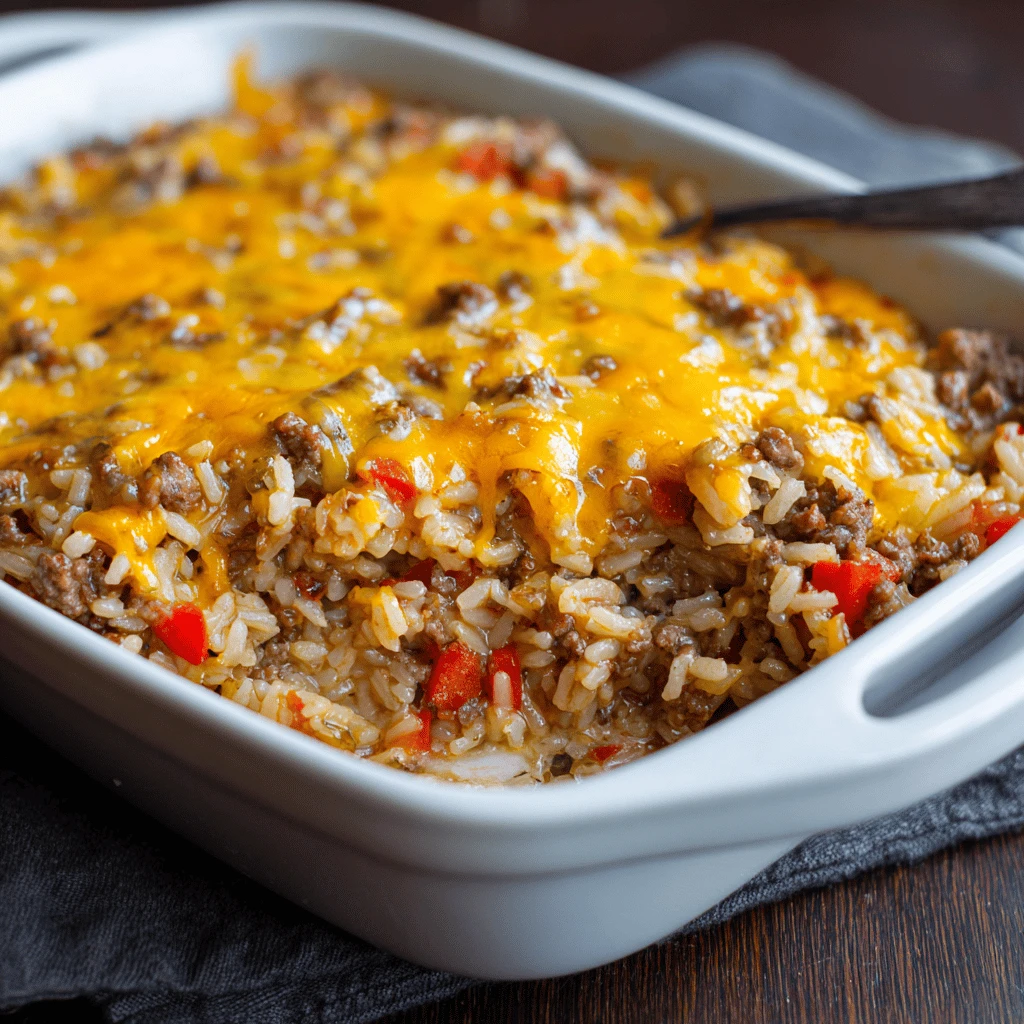
Cheesy Beef and Rice Casserole: Comfort Food Perfection
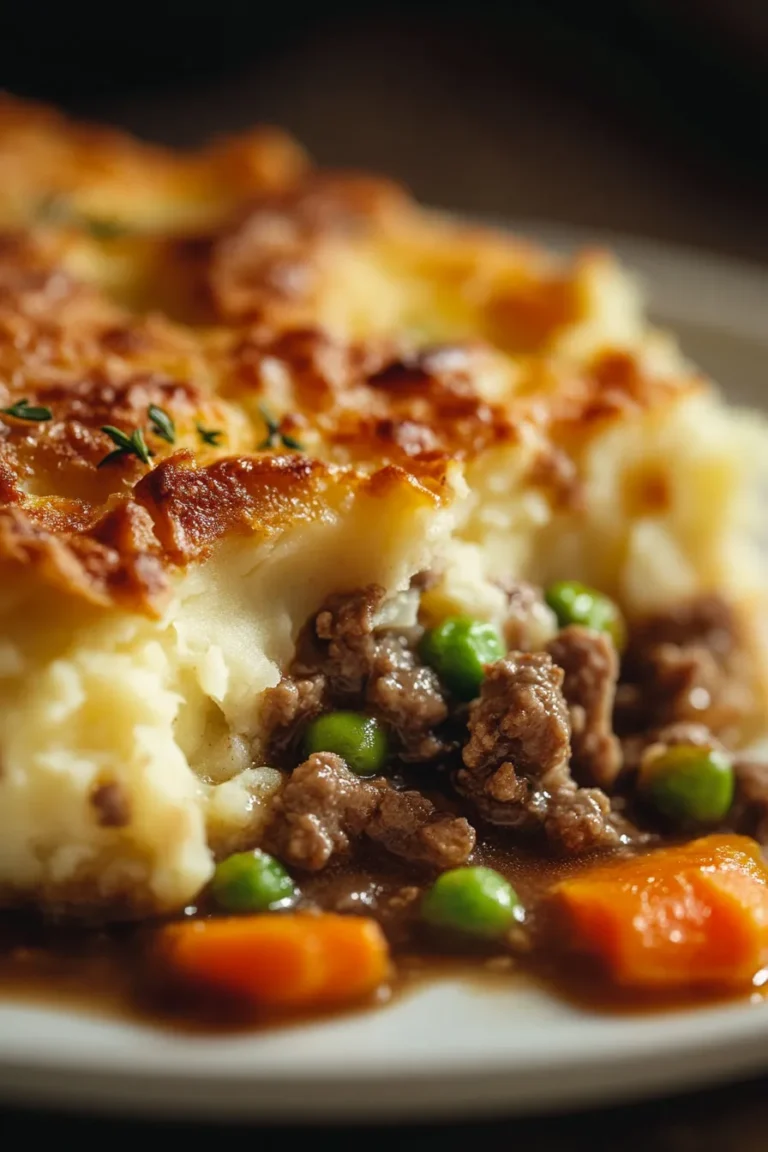
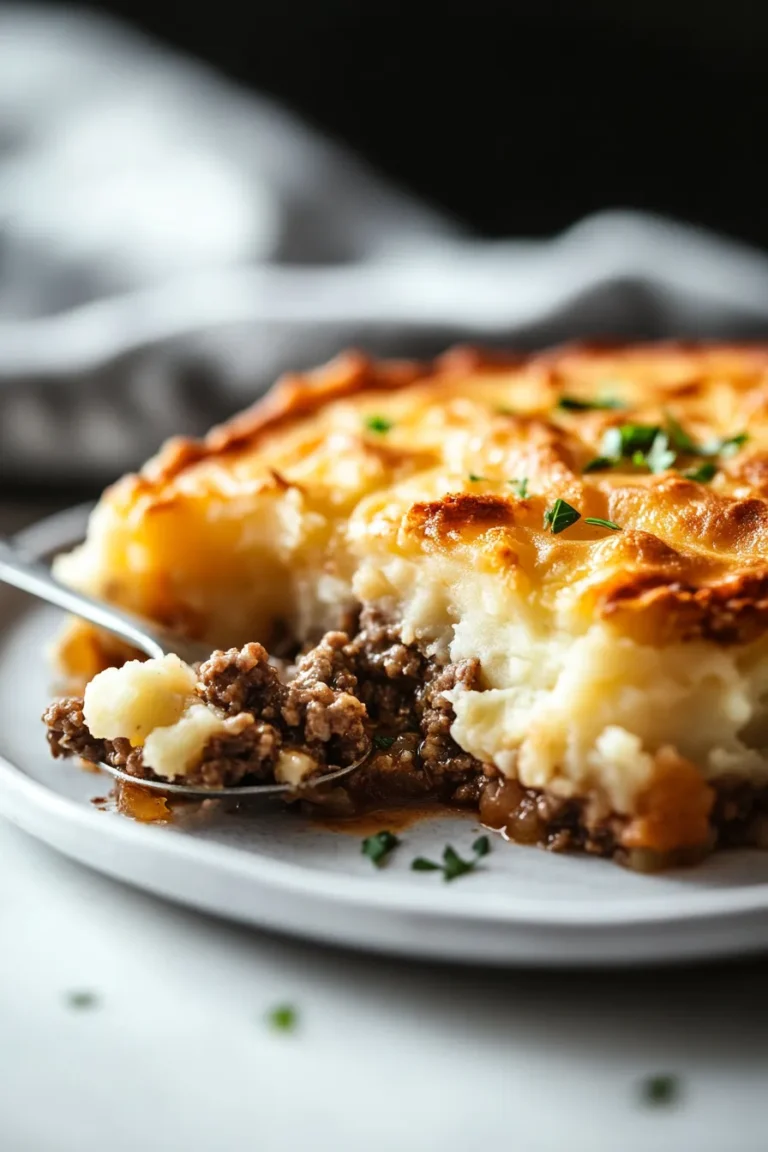
Cheesy Beef and Rice Casserole. The name itself evokes feelings of warmth, comfort, and satisfaction. This classic dish is a staple in many households, offering a delicious and hearty meal that’s easy to prepare and pleasing to even the pickiest eaters. This article will explore the secrets to creating the perfect cheesy beef and rice casserole, from selecting the right ingredients to mastering the baking process.

The Foundation: Ground Beef and Rice
The heart of any good cheesy beef and rice casserole lies in its two core components: ground beef and rice. Choosing high-quality ingredients here is crucial for achieving the best flavor and texture.
Selecting the Perfect Ground Beef
When it comes to ground beef, the fat content is a key consideration. While leaner ground beef (90/10 or 93/7) is a healthier option, it can sometimes result in a drier casserole. Opting for a ground beef with a slightly higher fat content (80/20 or 85/15) will contribute to a richer, more flavorful dish. Remember to drain off any excess grease after browning the beef to prevent a greasy final product.
Beyond the fat content, consider the grind of the beef. A medium grind is generally ideal, as it provides a good balance between texture and tenderness. Coarse grinds can be a bit too chewy, while fine grinds may become mushy.
For an even deeper flavor, consider using ground sirloin or ground chuck. These cuts tend to have a more robust flavor profile than standard ground beef.
Rice Right: Choosing the Best Rice for Casseroles
The type of rice you use can significantly impact the texture of your casserole. Long-grain rice, such as converted rice (like Uncle Ben’s) or brown rice, is the most popular choice for casseroles. This is because it holds its shape well during baking and doesn’t become overly sticky. Converted rice is especially forgiving and resistant to overcooking, making it a great option for beginners.
Medium-grain rice, like Arborio, is generally not recommended for casseroles, as it tends to release more starch and can make the casserole too creamy. Similarly, short-grain rice is best reserved for dishes where a sticky texture is desired.
Brown rice adds a nutty flavor and a boost of fiber to your casserole, but it requires a longer cooking time than white rice. Be sure to adjust the baking time accordingly if using brown rice.
Finally, avoid using instant rice in your casserole. While convenient, instant rice tends to become mushy and lacks the texture needed to hold the casserole together.
Building Flavor: The Sauce and Vegetable Base
Beyond the beef and rice, the sauce and vegetable base are what truly elevate this casserole from simple to spectacular.
Creating a Creamy, Cheesy Sauce
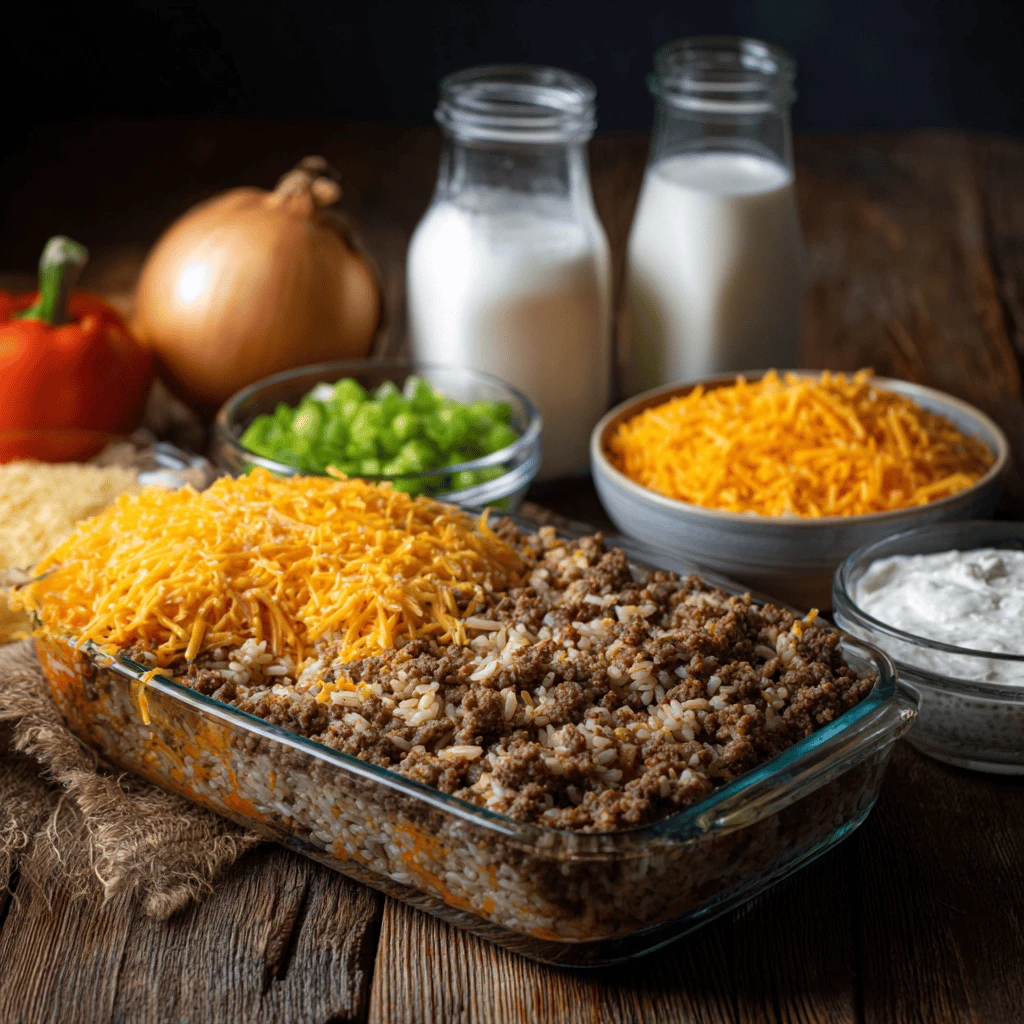
The sauce is the glue that holds everything together and contributes significantly to the overall flavor profile. A classic cheesy beef and rice casserole sauce typically consists of a combination of cream of mushroom soup, milk or cream, and plenty of cheese.
For a richer, more decadent sauce, consider using heavy cream instead of milk. You can also add a dollop of sour cream or cream cheese for extra tang and creaminess.
The type of cheese you use is also crucial. Cheddar cheese is a popular choice, but you can experiment with other varieties like Monterey Jack, Colby Jack, or even a blend of cheeses for a more complex flavor.
To prevent a grainy sauce, make sure the cheese is fully melted before adding the other ingredients. You can also add a small amount of cornstarch or flour to the milk or cream to help thicken the sauce.
Vegetables: Adding Texture and Nutrition
Incorporating vegetables into your cheesy beef and rice casserole not only adds flavor and texture but also boosts its nutritional value.
Onions and bell peppers are classic additions, providing a savory and slightly sweet note. You can also add mushrooms, celery, carrots, or even frozen mixed vegetables for a more diverse flavor profile.
Sauté the vegetables before adding them to the casserole to soften them and bring out their natural sweetness. This will also prevent them from becoming soggy during baking.
For an extra layer of flavor, consider adding a can of diced tomatoes or tomato sauce to the vegetable base. This will add a touch of acidity that balances the richness of the cheese and beef.
Assembling and Baking Your Casserole
Once you have prepared the individual components, it’s time to assemble and bake your cheesy beef and rice casserole.
Layering Techniques for Optimal Results
The key to a well-structured casserole is proper layering. Start by spreading a thin layer of the rice mixture on the bottom of the baking dish. This will prevent the beef from sticking to the bottom and ensure that the casserole holds its shape when sliced.
Next, add a layer of the browned ground beef, followed by the sautéed vegetables.
Pour the cheesy sauce over the beef and vegetables, making sure to coat everything evenly.
Top with a generous layer of shredded cheese. This will create a golden-brown, bubbly crust that is both visually appealing and delicious.
Baking to Perfection: Temperature and Time
Bake the casserole in a preheated oven at 350°F (175°C) for 30-45 minutes, or until the cheese is melted and bubbly and the casserole is heated through.
To prevent the cheese from burning, you can cover the casserole with aluminum covering during the first half of the baking time. Remove the covering during the last 15-20 minutes to allow the cheese to brown.
Let the casserole rest for 10-15 minutes before serving. This will allow the flavors to meld together and make it easier to slice.
Variations and Creative Twists
The beauty of cheesy beef and rice casserole is that it’s incredibly versatile and can be easily adapted to suit your taste preferences.
Spice It Up: Adding Heat and Zest
For those who like a little kick, consider adding a pinch of red pepper flakes or a dash of hot sauce to the sauce. You can also use a spicy cheese, such as pepper jack, to add heat.
Another way to add zest is to incorporate some fresh herbs, such as cilantro or parsley, into the vegetable base.
Global Flavors: Taking Your Casserole Around the World
Experiment with different flavor profiles by incorporating ingredients from around the world. For a Mexican-inspired casserole, add black beans, corn, salsa, and chili powder. For an Italian twist, use Italian sausage instead of ground beef and add marinara sauce and mozzarella cheese.
Healthier Options: Lighter Takes on a Classic
To make your cheesy beef and rice casserole healthier, you can use lean ground beef, brown rice, and low-fat cheese. You can also add more vegetables and reduce the amount of sauce.
Another option is to use cauliflower rice instead of regular rice. This will significantly reduce the carbohydrate content of the casserole.
Serving and Storing Your Masterpiece
Cheesy beef and rice casserole is a complete meal in itself, but it can also be served with a side salad or steamed vegetables.
Serving Suggestions for a Complete Meal
A simple green salad with a vinaigrette dressing is a great way to balance the richness of the casserole. Steamed broccoli, green beans, or asparagus are also good choices.
For a heartier meal, you can serve the casserole with a side of mashed potatoes or garlic bread.
Storage and Reheating Tips
Leftover cheesy beef and rice casserole can be stored in the refrigerator for up to 3-4 days. To reheat, simply microwave individual portions or bake the entire casserole in a preheated oven at 350°F (175°C) until heated through.
The casserole can also be frozen for longer storage. Wrap it tightly in aluminum covering or place it in an airtight container. Thaw in the refrigerator overnight before reheating.
FAQ Section
- Can I use Minute Rice in this recipe? While convenient, instant rice isn’t recommended. It tends to get mushy and lacks the texture needed for a good casserole. Long-grain converted rice (like Uncle Ben’s) or brown rice are better choices.
- How can I prevent the casserole from being too dry? Make sure to use a ground beef with some fat (80/20 or 85/15). Also, don’t overbake the casserole. Check for doneness after 30 minutes and adjust the time as needed. Ensure there’s enough sauce to keep things moist.
- What’s a good substitute for cream of mushroom soup? You can use cream of celery or cream of chicken soup. Alternatively, you can make your own cream sauce with milk, flour, butter, and your favorite herbs.
- Can I add other vegetables to this casserole? Absolutely! Feel free to add your favorites like carrots, celery, peas, corn, or zucchini. Sauté them before adding to the casserole to ensure they’re tender.
- How do I prevent the cheese from burning? Cover the casserole with aluminum covering during the first half of the baking time. Remove the covering during the last 15-20 minutes to allow the cheese to brown without burning.