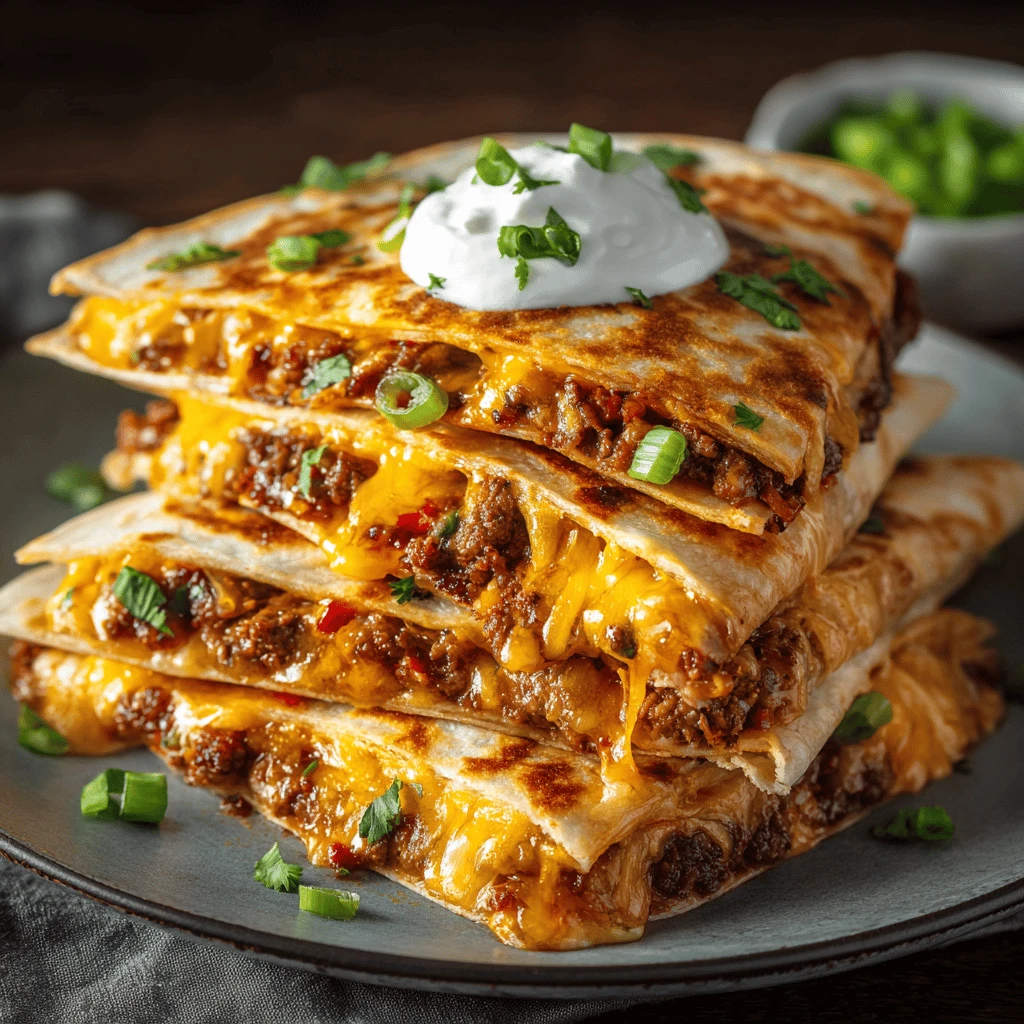
Cheesy Beef Quesadillas: A Quick & Delicious Recipe
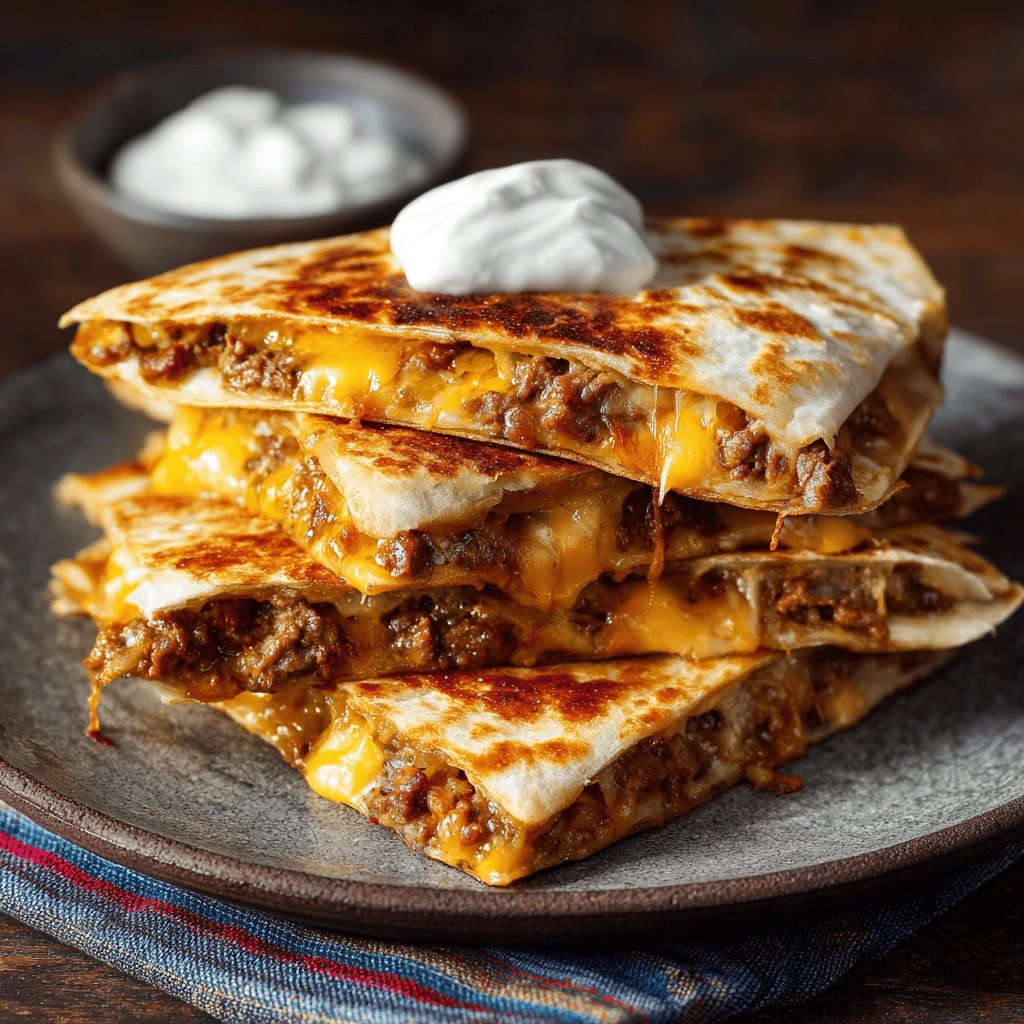
Quesadillas are a culinary chameleon, easily adapted to suit any taste and a fantastic way to use up leftovers. But few variations rival the satisfying combination of savory beef and melted cheese nestled inside a crispy tortilla. This recipe for Cheesy Beef Quesadillas delivers a quick, flavorful, and crowd-pleasing meal perfect for busy weeknights or casual gatherings. Get ready to experience cheesy, beefy goodness in every bite!
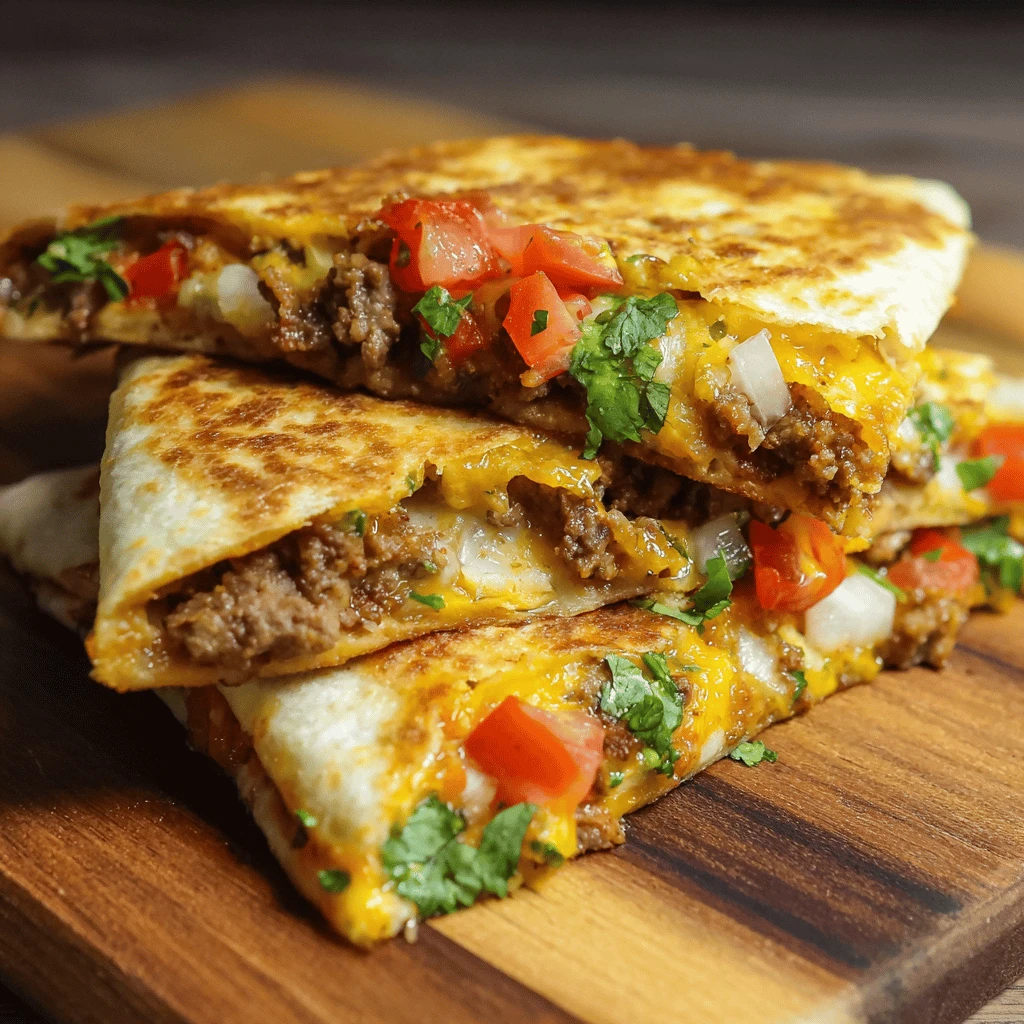
The Foundation: Building Flavorful Beef
The success of any beef quesadilla hinges on the quality and flavor of its filling. While pre-cooked or leftover ground beef can be a time-saver, taking a few extra minutes to prepare the beef from scratch elevates the entire dish.
Choosing Your Beef
Ground beef is the most common and convenient choice. Opt for a lean-to-fat ratio of 80/20 or 85/15 to avoid excessive grease while still retaining enough flavor. Alternatively, shredded beef, such as leftover roast beef or barbacoa, provides a richer, more complex flavor profile. For a spicier kick, consider using chorizo or seasoned ground sausage.
Seasoning the Beef: A Flavor Fiesta
The seasoning is where you can truly customize your quesadilla. A classic blend of chili powder, cumin, garlic powder, onion powder, and smoked paprika creates a warm, smoky flavor that complements the beef perfectly. For a spicier version, add a pinch of cayenne pepper or a dash of your favorite hot sauce. Consider adding a touch of Mexican oregano for an authentic flavor boost.
To prepare the beef, simply brown it in a skillet over medium heat. Drain off any excess grease, then stir in your chosen seasonings. Add a splash of water or beef broth to help the spices bloom and create a more cohesive sauce. Simmer for a few minutes, allowing the flavors to meld together. Taste and adjust the seasoning as needed. This is your opportunity to make the beef truly your own!
Pro-Tip: Caramelized Onions and Peppers
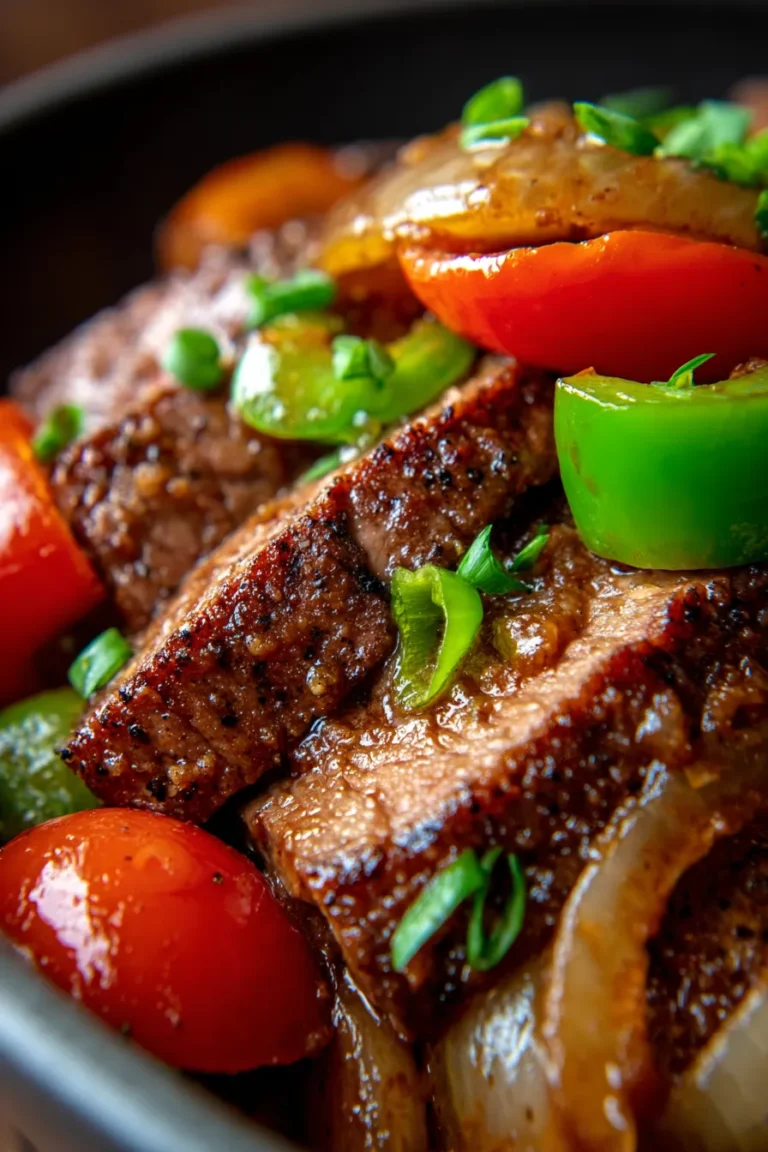
Want to take your beef filling to the next level? Sauté sliced onions and bell peppers in the skillet before adding the beef. The caramelized sweetness of the vegetables adds another layer of flavor and texture that complements the savory beef beautifully.
Choosing the Right Cheese and Tortillas
With a flavorful beef filling in hand, it’s time to consider the other essential components: cheese and tortillas. These seemingly simple ingredients can significantly impact the final result.
The Cheesy Center: Selecting Your Cheese
The choice of cheese is crucial for achieving that gooey, satisfying melt. Cheddar cheese is a classic option, providing a sharp and tangy flavor that pairs well with beef. Monterey Jack cheese offers a milder, creamier melt, while a blend of cheddar and Monterey Jack creates a balanced flavor profile. For a spicier kick, consider using pepper jack cheese.
Other cheese options to consider include:
- Queso Oaxaca: A stringy, mild cheese commonly used in Mexican cuisine.
- Asadero: A semi-hard cheese with a smooth, buttery flavor.
- Mozzarella: Provides a stretchy, mild melt.
Experiment with different cheeses to find your perfect combination. Remember that some cheeses melt better than others, so it’s important to choose varieties that are known for their melting properties.
Tortilla Time: Choosing the Right Size and Type
Flour tortillas are the traditional choice for quesadillas, offering a soft and pliable texture that crisps up nicely when cooked. Corn tortillas can also be used, but they are more prone to cracking and breaking, especially when filled with a generous amount of beef and cheese.
Choose tortillas that are appropriately sized for your skillet. Smaller tortillas are easier to handle and cook evenly, while larger tortillas allow for more filling. Look for tortillas that are fresh and pliable, as stale tortillas can become brittle and crack easily.
Warm It Up: Making Tortillas More Pliable
To prevent cracking and ensure even cooking, warm the tortillas slightly before assembling the quesadillas. You can do this by heating them in a dry skillet for a few seconds per side or microwaving them briefly, wrapped in a damp paper towel. This will make them more pliable and easier to fold.
Assembling and Cooking Your Quesadilla
With the beef filling, cheese, and tortillas prepared, it’s time to assemble and cook your masterpiece. This is where the magic happens, transforming simple ingredients into a delicious and satisfying meal.
The Assembly Line: Layering Your Ingredients
Lay a tortilla flat on a clean surface. Sprinkle a generous layer of cheese over one half of the tortilla. Top the cheese with a layer of the cooked beef filling, spreading it evenly. Add another layer of cheese on top of the beef.
Folding the Quesadilla:
Fold the empty half of the tortilla over the filling, creating a half-moon shape. Gently press down on the quesadilla to ensure the filling is evenly distributed and the cheese is in contact with the tortilla.
Cooking to Perfection: Achieving Golden-Brown Crispiness
Heat a lightly oiled skillet over medium heat. Place the assembled quesadilla in the skillet and cook for 3-4 minutes per side, or until the tortilla is golden brown and crispy and the cheese is melted and gooey.
Tips for Even Cooking:
- Avoid overcrowding the skillet. Cook one quesadilla at a time to ensure even heating.
- If the tortilla is browning too quickly, reduce the heat slightly.
- Use a spatula to gently press down on the quesadilla while it’s cooking, ensuring even contact with the skillet.
Alternative Cooking Methods: Grilling and Baking
While skillet cooking is the most common method, quesadillas can also be grilled or baked. Grilling adds a smoky flavor, while baking is a convenient option for cooking multiple quesadillas at once.
- Grilling: Preheat a grill to medium heat. Grill the quesadillas for 2-3 minutes per side, or until the tortilla is golden brown and the cheese is melted.
- Baking: Preheat oven to 375°F (190°C). Place assembled quesadillas on a baking sheet and bake for 10-12 minutes, or until the tortilla is golden brown and the cheese is melted.
Toppings and Serving Suggestions
A great quesadilla is delicious on its own, but the right toppings can elevate it to a whole new level. Consider these serving suggestions to create a truly memorable meal.
Classic Toppings: Sour Cream, Salsa, and Guacamole
Sour cream, salsa, and guacamole are the quintessential quesadilla toppings. They provide a cool, creamy, and tangy contrast to the savory beef and cheese. Choose your favorite salsa, from mild to hot, or make your own fresh guacamole for a truly authentic experience.
Beyond the Basics: Creative Topping Ideas
- Pico de Gallo: A fresh and flavorful salsa made with diced tomatoes, onions, cilantro, jalapeños, and lime juice.
- Chopped Cilantro: Adds a fresh and herbaceous note.
- Diced Onions: Provides a sharp and pungent flavor.
- Hot Sauce: For those who like a fiery kick.
- Pickled Jalapeños: Adds a tangy and spicy bite.
Serving Suggestions: Making it a Meal
- Side Salad: A simple green salad with a light vinaigrette provides a refreshing contrast to the rich quesadilla.
- Mexican Rice and Beans: A classic combination that complements the flavors of the quesadilla.
- Corn on the Cob: A sweet and savory side dish that’s perfect for summer.
Presentation Matters: Cutting and Arranging
Cut the quesadilla into wedges using a pizza cutter or sharp knife. Arrange the wedges on a plate and garnish with your chosen toppings. A sprig of cilantro or a dollop of sour cream adds a visual appeal.
Frequently Asked Questions
Can I use leftover cooked beef for quesadillas?
Absolutely! Leftover cooked beef, such as roast beef, steak, or shredded beef, is a great option for quesadillas. Just make sure to heat it through before adding it to the tortilla.
What’s the best way to store leftover quesadillas?
Leftover quesadillas can be stored in the refrigerator for up to 3 days. Reheat them in a skillet, oven, or microwave until heated through.
Can I freeze quesadillas?
Yes, quesadillas can be frozen for up to 2 months. Wrap them individually in plastic wrap and then place them in a freezer bag. Thaw them in the refrigerator overnight before reheating.
How can I prevent my quesadilla from being soggy?
To prevent sogginess, avoid overfilling the quesadilla and cook it over medium heat to ensure the tortilla crisps up properly. You can also lightly brush the tortilla with oil or butter before cooking.
What kind of cheese melts best in quesadillas?
Cheddar, Monterey Jack, Queso Oaxaca, and Asadero are all excellent choices for quesadillas. They melt well and provide a delicious flavor.