Classic Chicken Noodle Soup
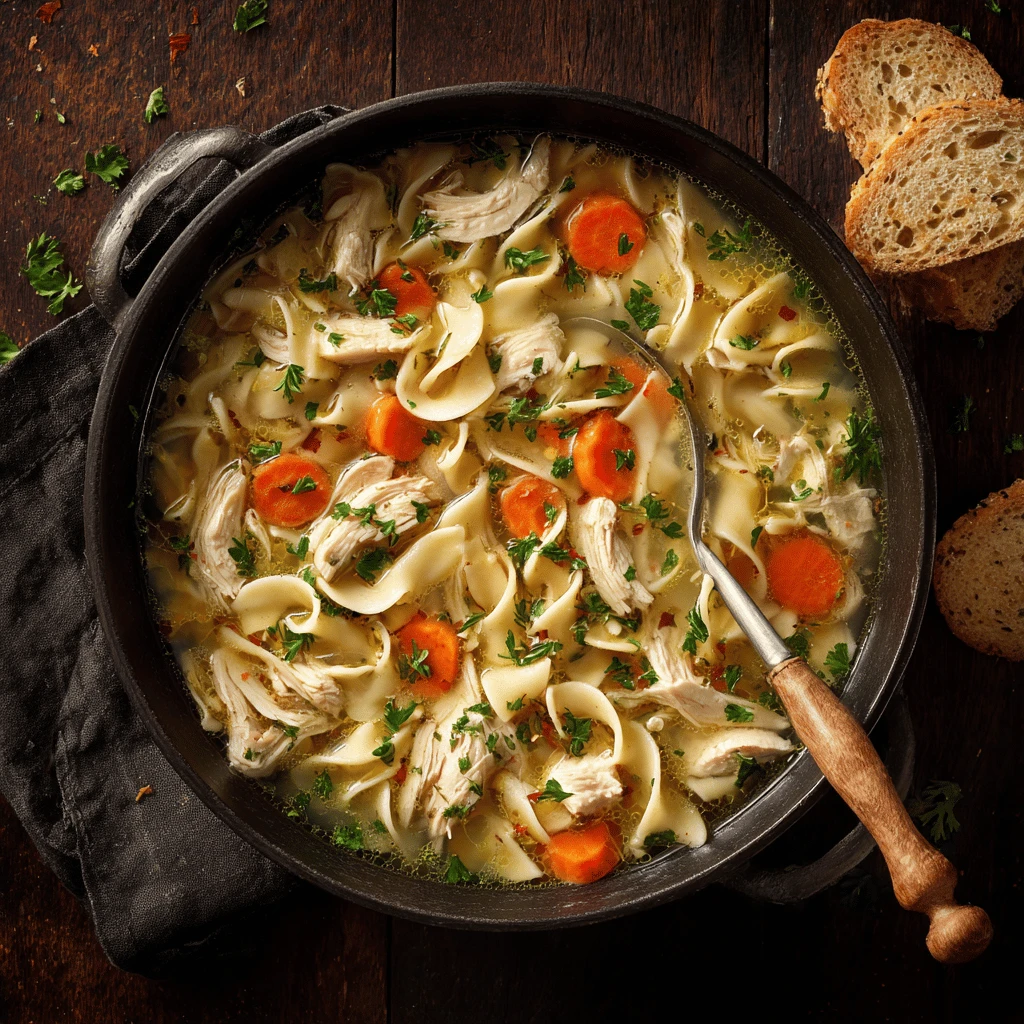
Chicken noodle soup. The ultimate comfort food. A remedy for the common cold. A taste of home. This simple soup, with its savory broth, tender chicken, and perfectly cooked noodles, is a timeless classic enjoyed around the world. But what makes a classic chicken noodle soup, and how can you create the perfect bowl in your own kitchen? Let’s dive into the secrets of this beloved dish.
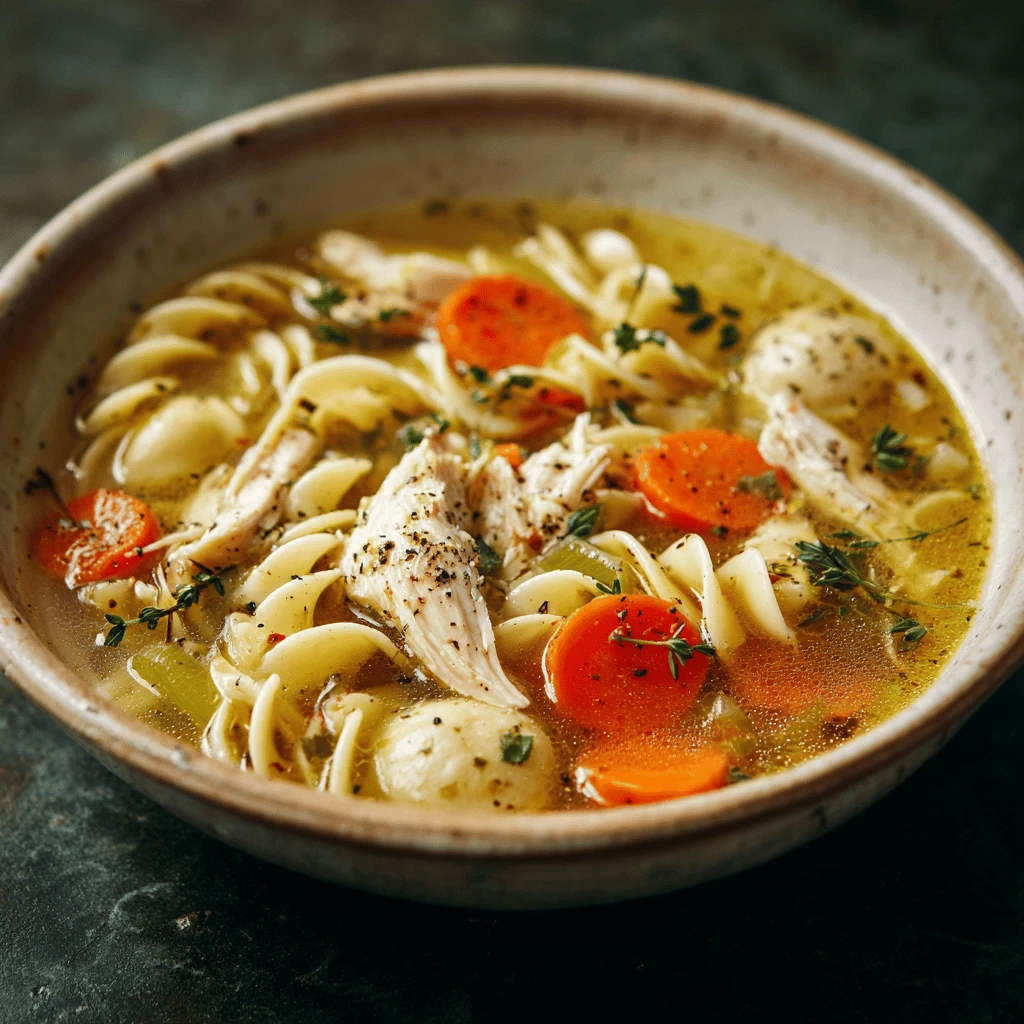
The Foundation: A Rich and Flavorful Broth
The heart and soul of any good chicken noodle soup is the broth. A lackluster broth will result in a lackluster soup. To achieve that depth of flavor, you have several options:
- Homemade Chicken Stock: This is the gold standard. Roasting a whole chicken, or even just the bones and scraps from a previous meal, provides the richest, most complex flavor. Simmer the roasted chicken with aromatic vegetables like onions, carrots, and celery (mirepoix) along with herbs like thyme, parsley, and bay leaf for several hours. Strain the solids, and you’ll be left with a liquid gold that will elevate your soup.
- Store-Bought Chicken Broth or Stock: If you don’t have time to make your own, a high-quality store-bought broth or stock is a perfectly acceptable alternative. Look for low-sodium options to control the salt level in your soup. Some brands offer “bone broth,” which tends to have a richer flavor than standard broth. Consider enhancing the flavor with bouillon cubes or chicken base.
- Using a Rotisserie Chicken: For a shortcut, you can use the carcass from a rotisserie chicken. The meat is already cooked and flavorful, and the bones will still impart plenty of richness to the broth. Simply simmer the carcass with vegetables and herbs, as you would with a raw chicken.
Regardless of which method you choose, remember that a long, slow simmer is key to extracting maximum flavor from the ingredients. Skim off any foam or impurities that rise to the surface during simmering for a clearer broth.
The Star: Tender and Juicy Chicken
The chicken in your noodle soup should be tender, juicy, and flavorful. Here are a few tips for achieving the perfect chicken:
- Poach the Chicken Directly in the Broth: This method infuses the chicken with the broth’s flavor while keeping it moist. Place bone-in, skin-on chicken breasts or thighs directly into the simmering broth. Cook until the chicken is cooked through. Remove the chicken from the broth and shred or dice it before adding it back to the soup.
- Use Leftover Cooked Chicken: If you have leftover roasted chicken or grilled chicken, it can be a convenient and delicious addition to your soup. Simply shred or dice the cooked chicken and add it to the soup towards the end of the cooking process.
- Pre-Cook the Chicken Separately: If you prefer, you can pre-cook the chicken by baking, grilling, or poaching it separately. This allows you to control the cooking time and ensure that the chicken is perfectly cooked before adding it to the soup.
- Dark Meat vs. White Meat: Both dark meat (thighs and drumsticks) and white meat (breasts) work well in chicken noodle soup. Dark meat is generally more flavorful and stays moister during cooking, while white meat is leaner and more delicate. Use a combination of both for the best of both worlds.
No matter which method you choose, avoid overcooking the chicken, as it will become dry and tough.
The Supporting Cast: Vegetables and Noodles
While the broth and chicken are the stars of the show, the vegetables and noodles play important supporting roles.
- The Classic Mirepoix: The foundation of most classic chicken noodle soups is a mirepoix – a combination of diced onions, carrots, and celery. These vegetables add sweetness, depth, and aroma to the broth. Saute them in a little butter or oil before adding them to the broth to soften them and enhance their flavor.
- Other Vegetables: Feel free to add other vegetables to your soup, such as parsnips, potatoes, peas, corn, or spinach. Consider the cooking time of each vegetable and add them accordingly. Heartier vegetables like potatoes and parsnips should be added earlier, while delicate vegetables like spinach should be added towards the end.
- Noodles: Egg noodles are the traditional choice for chicken noodle soup, but other types of noodles, such as pasta, ditalini, or even rice noodles, can also be used. Consider the cooking time of the noodles and add them accordingly. Overcooked noodles will become mushy, so be sure to cook them until they are al dente. Some people prefer to cook the noodles separately to avoid making the soup cloudy with starch.
Seasoning and Finishing Touches
The right seasonings and finishing touches can take your chicken noodle soup from good to great.
- Salt and Pepper: These are the essential seasonings for any soup. Start with a small amount of salt and pepper and adjust to taste. Remember that the broth will become more concentrated as it simmers, so taste frequently and adjust the seasoning as needed.
- Herbs: Fresh herbs, such as parsley, thyme, and dill, add a bright, fresh flavor to the soup. Add them towards the end of the cooking process to preserve their flavor. Dried herbs can also be used, but use them sparingly, as their flavor is more concentrated.
- Lemon Juice: A squeeze of fresh lemon juice adds a touch of acidity that brightens the flavors of the soup. Add it just before serving.
- Hot Sauce: For those who like a little heat, a dash of hot sauce or a pinch of red pepper flakes can add a pleasant kick to the soup.
- Garnish: A sprinkle of fresh parsley or a dollop of sour cream or yogurt can add a touch of elegance to your soup.
Tips and Tricks for the Perfect Bowl
- Don’t Overcrowd the Pot: If you’re making a large batch of soup, use a large pot to avoid overcrowding. Overcrowding can lower the temperature of the broth and prevent the vegetables and chicken from cooking evenly.
- Simmer, Don’t Boil: Simmering the soup gently allows the flavors to meld together without making the broth cloudy.
- Skim the Broth: As the soup simmers, foam and impurities will rise to the surface. Skim them off with a spoon to keep the broth clear.
- Cook Noodles Separately (Optional): To prevent the noodles from absorbing too much broth and becoming mushy, you can cook them separately and add them to the soup just before serving.
- Adjust the Consistency: If the soup is too thick, add more broth or water to thin it out. If it’s too thin, simmer it for longer to reduce the liquid.
- Taste and Adjust: The most important tip is to taste the soup frequently and adjust the seasonings as needed. Add more salt, pepper, herbs, or lemon juice to suit your taste.
Variations on a Theme
While the classic chicken noodle soup is a beloved dish in its own right, there are endless variations that you can try.
- Spicy Chicken Noodle Soup: Add a pinch of red pepper flakes, a dash of hot sauce, or some chopped jalapeños to add a kick to your soup.
- Lemon Chicken Noodle Soup: Add extra lemon juice and zest for a bright, citrusy flavor.
- Creamy Chicken Noodle Soup: Stir in a splash of cream or half-and-half for a richer, more decadent soup.
- Chicken and Rice Soup: Substitute rice for noodles for a different texture and flavor.
- Vegetarian “Chicken” Noodle Soup: Use vegetable broth and substitute tofu or chickpeas for the chicken.
Storage and Reheating
Chicken noodle soup can be stored in the refrigerator for up to 3-4 days. Reheat it gently on the stovetop or in the microwave. If the noodles have absorbed too much broth during storage, add a little more broth or water when reheating.
The soup can also be frozen for longer storage. Allow it to cool completely before transferring it to freezer-safe containers. Thaw it in the refrigerator overnight before reheating. Be aware that the noodles may become slightly softer after freezing and thawing.
Nutritional Benefits
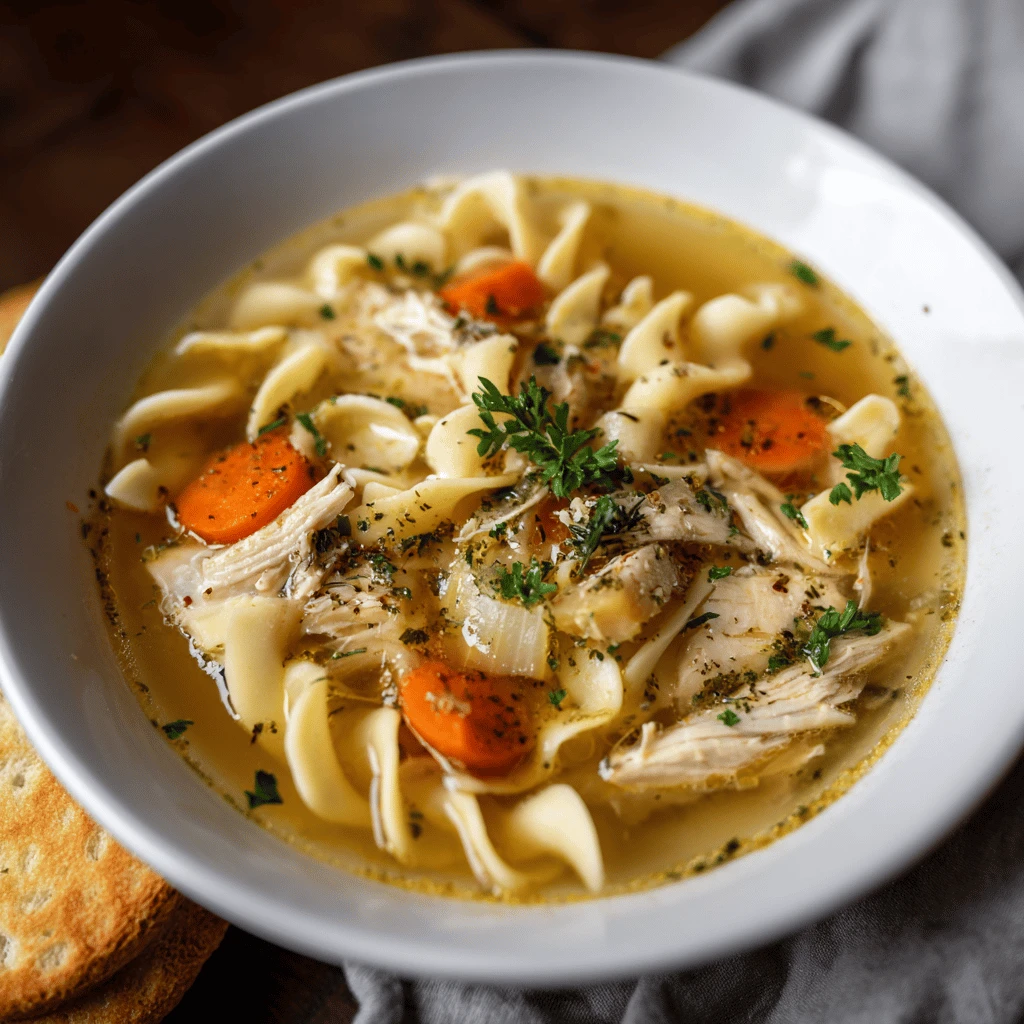
Beyond its comforting qualities, chicken noodle soup offers several nutritional benefits:
- Hydration: The broth provides fluids that help keep you hydrated, especially important when you’re feeling under the weather.
- Electrolytes: The broth contains electrolytes like sodium and potassium, which can help replenish those lost through illness or dehydration.
- Nutrients: Chicken, vegetables, and noodles provide essential vitamins, minerals, and carbohydrates.
- Easy to Digest: Chicken noodle soup is easy to digest, making it a good choice when you’re feeling nauseous or have a sensitive stomach.
FAQ: Frequently Asked Questions
- What kind of noodles are best for chicken noodle soup? Egg noodles are the most common, but you can also use pasta, ditalini, or even rice noodles.
- How do I keep my noodles from getting mushy? Cook the noodles separately and add them to the soup just before serving. Or, add the noodles to the soup during the last 10-15 minutes of cooking, watching them closely to avoid overcooking.
- Can I use frozen vegetables in chicken noodle soup? Yes, frozen vegetables are a convenient option. Add them towards the end of the cooking process, as they will cook quickly.
- How can I make my chicken noodle soup healthier? Use low-sodium broth, add plenty of vegetables, and use whole-wheat noodles or brown rice.
- Can I make chicken noodle soup in a slow cooker? Yes, slow cooker chicken noodle soup is a great option for a hands-off meal. Simply combine all the ingredients (except the noodles) in the slow cooker and cook on low for 6-8 hours or on high for 3-4 hours. Add the noodles during the last 30 minutes of cooking.
- How long does chicken noodle soup last in the fridge? Chicken noodle soup can be stored in the refrigerator for up to 3-4 days.
- Can I freeze chicken noodle soup? Yes, chicken noodle soup can be frozen for longer storage. Be aware that the noodles may become slightly softer after freezing and thawing.
- Why is my chicken noodle soup bland? The broth may not be flavorful enough. Use homemade chicken stock or a high-quality store-bought broth. Add more salt, pepper, herbs, or other seasonings to taste.
- How do I thicken my chicken noodle soup? Simmer the soup for longer to reduce the liquid. Alternatively, you can whisk together a tablespoon of cornstarch with a tablespoon of cold water and stir it into the soup. Bring to a simmer and cook until thickened.
- How do I make chicken noodle soup taste better? Use high-quality ingredients, don’t skimp on the seasonings, and add a squeeze of lemon juice just before serving.