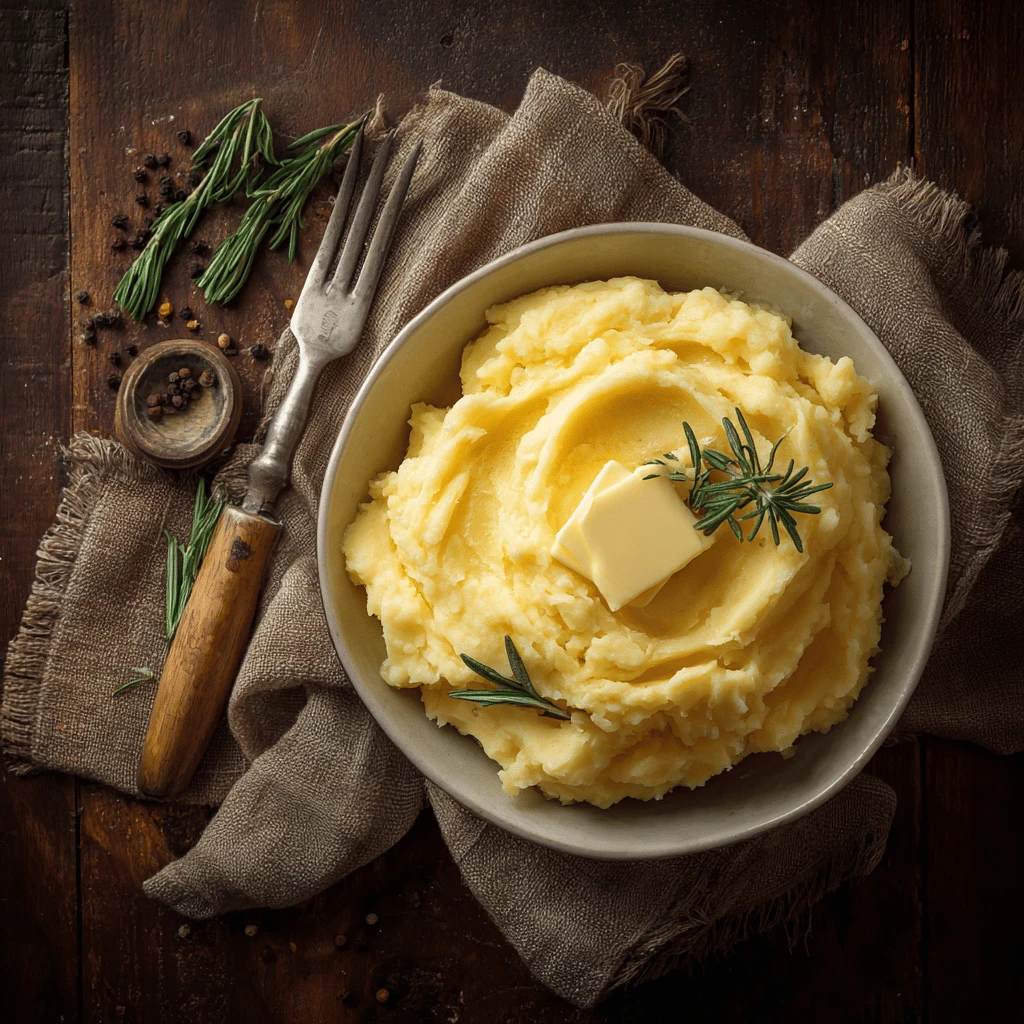
Classic Mashed Potatoes for Thanksgiving
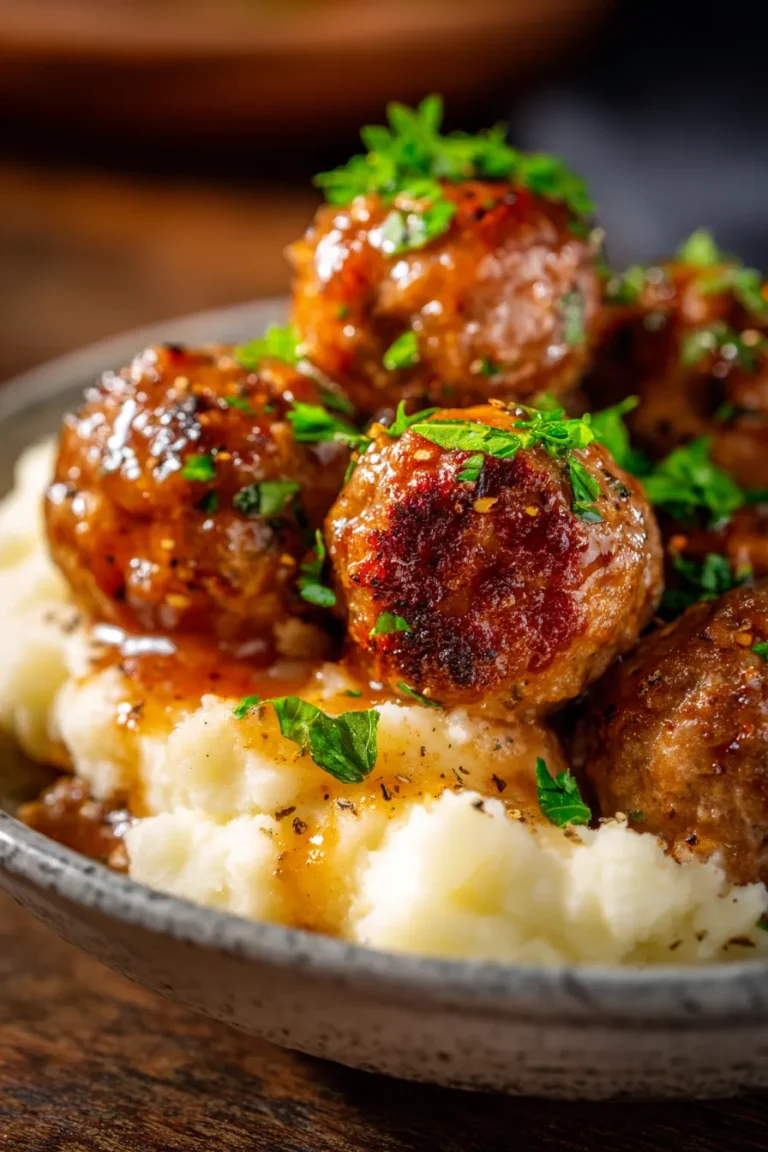
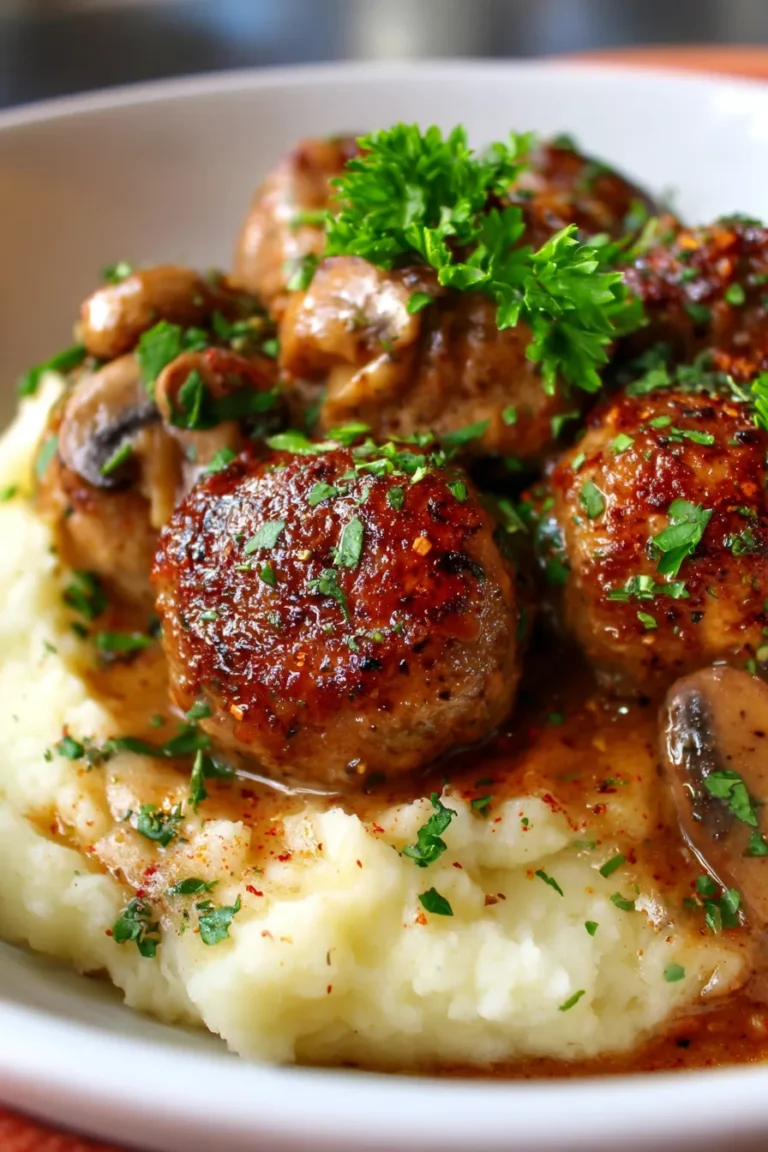
Thanksgiving wouldn’t be complete without a creamy, comforting bowl of mashed potatoes. This classic side dish is a crowd-pleaser and surprisingly easy to make. This guide will walk you through creating the perfect mashed potatoes for your holiday feast, ensuring a smooth, flavorful, and unforgettable addition to your Thanksgiving spread.
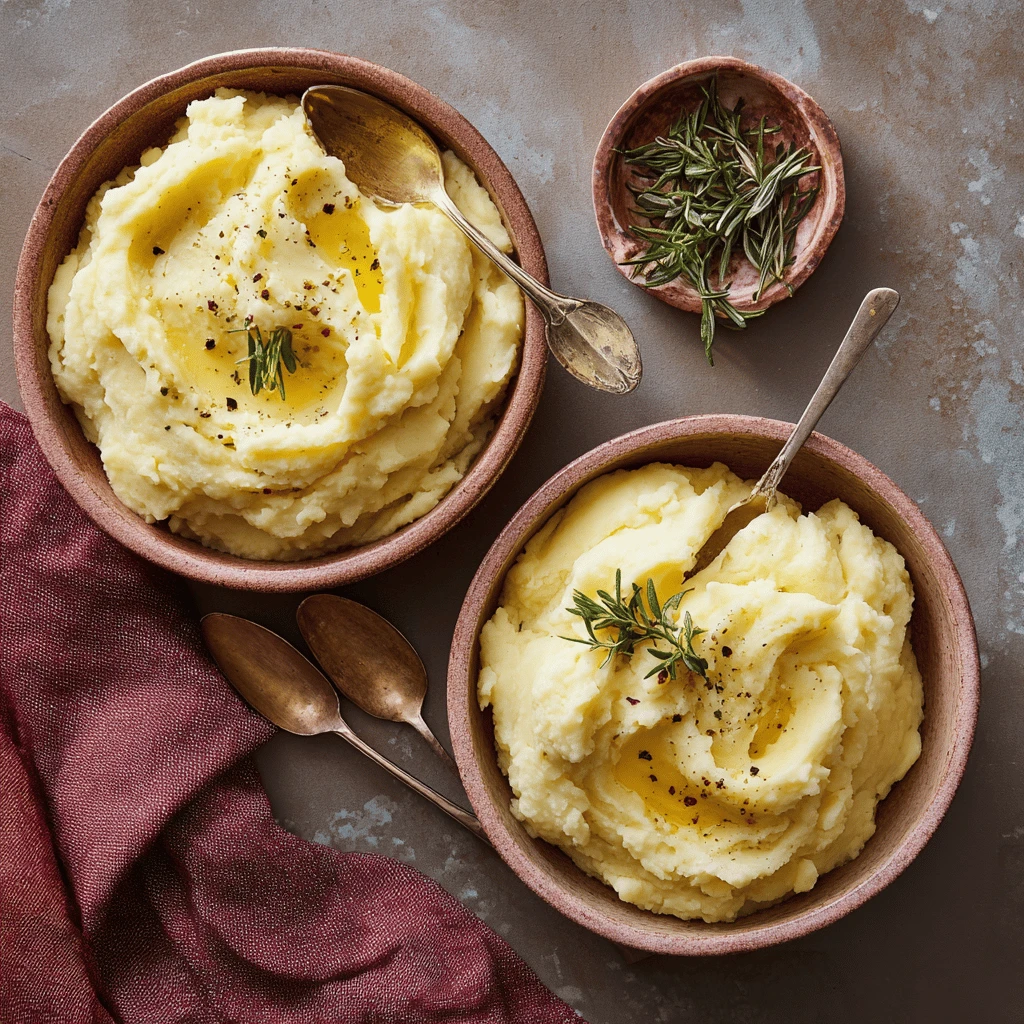
Choosing the Right Potatoes for Mashing
The foundation of exceptional mashed potatoes starts with selecting the right type of potato. While various options exist, certain varieties excel in texture and flavor when mashed.
Russet Potatoes: The Fluffy Choice
Russet potatoes, known for their high starch content, produce light and fluffy mashed potatoes. Their texture readily absorbs butter and cream, creating a smooth consistency. However, be mindful not to overmix russets, as this can result in a gluey texture due to the released starch.
Yukon Gold Potatoes: Creamy and Buttery
Yukon Gold potatoes offer a naturally buttery flavor and creamy texture. Their lower starch content compared to russets makes them less prone to becoming gluey. They also tend to hold their shape well during cooking, contributing to a more consistent final product. Yukon Golds are a fantastic choice if you prefer a richer, more flavorful mashed potato.
Mixing Potato Varieties: The Best of Both Worlds
Consider combining russet and Yukon Gold potatoes for a balanced texture and flavor. This allows you to achieve the fluffiness of russets with the creaminess and buttery notes of Yukon Golds. A 50/50 blend typically works well, but feel free to adjust the ratio based on your preference.
Mastering the Mashing Process
The mashing process is just as crucial as the potato selection. Proper cooking and mashing techniques are key to achieving the desired consistency and preventing common pitfalls.
Preparing the Potatoes: Peeling and Cutting
Start by thoroughly washing and peeling your chosen potatoes. Cut them into roughly equal-sized pieces, about 1-2 inches in diameter. This ensures even cooking and prevents some pieces from becoming overcooked while others remain undercooked. Smaller pieces cook faster, streamlining the overall process.
Cooking the Potatoes: Boiling vs. Steaming
Boiling is the most common method for cooking potatoes for mashing. Place the cut potatoes in a large pot and cover them with cold water. Add a generous pinch of salt to the water, which seasons the potatoes from the inside out. Bring the water to a boil and then reduce the heat to a gentle simmer. Cook until the potatoes are fork-tender, meaning a fork easily pierces through the center without resistance. This usually takes about 15-20 minutes.
Steaming is an alternative method that helps retain more of the potatoes’ nutrients and flavor. Place the potatoes in a steamer basket over boiling water. Cover and steam until fork-tender, typically around 20-25 minutes.
Mashing Techniques: Manual vs. Electric
Once the potatoes are cooked, drain them thoroughly in a colander. Return them to the pot and let them sit for a minute or two to allow any excess moisture to evaporate.
For manual mashing, use a potato masher to gently break down the potatoes. Avoid overmashing, as this can lead to a gluey texture, especially with russet potatoes. Work in sections, ensuring all pieces are mashed evenly.
An electric mixer can also be used, but exercise caution. Start on low speed and gradually increase to medium speed. Overmixing is more likely with an electric mixer, so watch the consistency carefully. Avoid using a food processor, as it will almost certainly result in gluey potatoes.
Adding Flavor and Creaminess
Now comes the fun part: adding flavor and creaminess to your mashed potatoes. The choice of ingredients and the order in which they are added can significantly impact the final result.
Butter: The Foundation of Flavor
Butter is a must-have ingredient for classic mashed potatoes. Use unsalted butter to control the overall saltiness of the dish. Melt the butter slightly before adding it to the potatoes, which helps it incorporate more smoothly. Start with a generous amount, about 4-6 tablespoons per 2 pounds of potatoes, and adjust to taste.
Cream and Milk: Achieving the Perfect Consistency
Cream and milk add richness and moisture to mashed potatoes. Whole milk, half-and-half, or heavy cream can be used, depending on your desired level of decadence. Warm the cream or milk slightly before adding it to the potatoes, which prevents them from cooling down and helps them absorb more easily. Add the liquid gradually, a few tablespoons at a time, until you reach the desired consistency.
Seasoning: Salt, Pepper, and Beyond
Salt and freshly ground black pepper are essential seasonings for mashed potatoes. Start with a teaspoon of salt and a quarter teaspoon of pepper per 2 pounds of potatoes, and adjust to taste. Consider adding other seasonings to enhance the flavor, such as garlic powder, onion powder, or dried herbs like rosemary or thyme. A pinch of nutmeg can also add a warm, subtle note.
Optional Additions: Elevating Your Mashed Potatoes
Beyond the basic ingredients, consider adding other elements to elevate your mashed potatoes. Roasted garlic, caramelized onions, or grated cheese can add depth and complexity to the flavor. Fresh herbs like chives, parsley, or dill can add a bright, fresh element. For a touch of richness, stir in a dollop of sour cream or cream cheese.
Tips and Tricks for Perfect Mashed Potatoes
Achieving mashed potato perfection requires attention to detail. Here are some additional tips and tricks to ensure your Thanksgiving mashed potatoes are a resounding success.
Prevent Gluey Potatoes: Avoid Overmixing
The most common mistake when making mashed potatoes is overmixing, which releases excess starch and results in a gluey texture. Be gentle with the mashing process, whether you’re using a manual masher or an electric mixer. Stop as soon as the potatoes are smooth and creamy.
Keep Potatoes Warm: Prevent Cooling
Mashed potatoes tend to cool down quickly. To keep them warm until serving, place them in a heat-safe bowl and cover with a lid. You can also keep them warm in a slow cooker on the “warm” setting. If using a slow cooker, stir occasionally to prevent a skin from forming on top.
Make-Ahead Options: Streamline Your Thanksgiving Prep
To streamline your Thanksgiving prep, you can make mashed potatoes ahead of time. Prepare them as directed, but slightly undercook them. Store them in an airtight container in the refrigerator for up to two days. When ready to serve, reheat them gently in a saucepan over low heat, adding a splash of milk or cream to restore their creaminess. You can also reheat them in a microwave or oven, but be sure to cover them to prevent them from drying out.
Adjusting Consistency: Thinning or Thickening
If your mashed potatoes are too thick, add a little more warmed milk or cream until you reach the desired consistency. If they are too thin, you can cook them over low heat for a few minutes to evaporate some of the excess moisture. Be careful not to scorch the potatoes.
Frequently Asked Questions (FAQ)
Q: What is the best type of potato for mashed potatoes?
A: Yukon Gold potatoes offer a naturally buttery flavor and creamy texture, while Russet potatoes produce light and fluffy mashed potatoes. A mix of both is a great option.
Q: How do I prevent my mashed potatoes from becoming gluey?
A: Avoid overmixing the potatoes. Overmixing releases too much starch, leading to a gluey texture.
Q: Can I make mashed potatoes ahead of time?
A: Yes, you can make mashed potatoes up to two days in advance. Store them in an airtight container in the refrigerator and reheat them gently before serving.
Q: What can I add to mashed potatoes to make them more flavorful?
A: Butter, cream, salt, pepper, garlic powder, onion powder, fresh herbs, and cheese are all great additions to mashed potatoes.
Q: How do I keep mashed potatoes warm until serving?
A: Keep mashed potatoes warm in a heat-safe bowl covered with a lid, in a slow cooker on the “warm” setting, or in a warm oven.