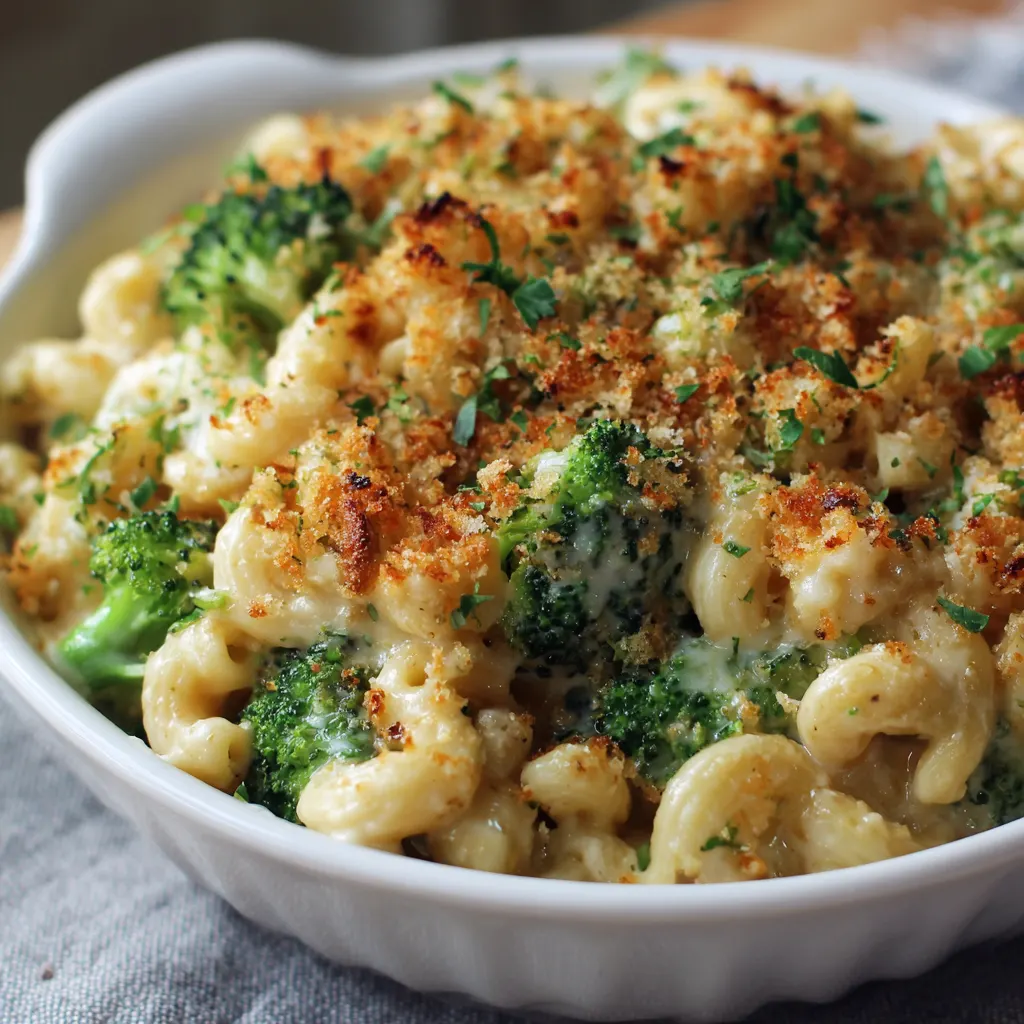
Macaroni and cheese is the quintessential comfort food, but when broccoli is introduced, this classic casserole transforms into a perfectly balanced, complete weeknight meal. The subtle, earthy bitterness of tender-crisp broccoli florets cuts through the decadence of a rich, velvety cheese sauce, delivering a dish that is deeply satisfying and deceptively easy to make. This recipe is designed to eliminate the common pitfalls of homemade mac and cheese—namely, grainy sauce and bland flavor—by utilizing expert techniques and the freshest ingredients, guaranteeing a lusciously creamy result every time.
Ingredients
For the Pasta and Broccoli:
-
1 pound (16 oz) short pasta (elbow macaroni, medium shells, or rotini)
-
2 cups fresh broccoli florets, cut into small, bite-sized pieces
-
Kosher salt, for boiling water
For the Cheese Sauce (Béchamel Base):
-
4 tablespoons unsalted butter
-
¼ cup all-purpose flour
-
3 cups dairy liquid (A mixture of 2 cups whole milk and 1 cup half-and-half or heavy cream is recommended for optimal richness)
-
1 teaspoon dry mustard powder (or 1 tablespoon Dijon mustard)
-
½ teaspoon paprika (smoked paprika is excellent for depth)
-
½ teaspoon garlic powder
-
Salt and freshly ground black pepper to taste
-
3 cups (12 oz) sharp cheddar cheese, freshly shredded from a block
-
4 ounces (½ block) cream cheese, cut into cubes (optional, but highly recommended for superior creaminess)
Step-by-Step Instructions
-
Prepare Pasta and Broccoli: Bring a large pot of salted water to a rolling boil. Add the pasta and cook until it is al dente (about 1-2 minutes shy of the package directions). During the last 3 to 4 minutes of cooking, add the broccoli florets to the boiling water with the pasta. Drain the pasta and broccoli immediately, reserving at least 1 cup of the starchy pasta water. Set aside.
-
Make the Roux: In the same large pot or a heavy-bottomed Dutch oven, melt the butter over medium heat. Once melted, gradually whisk in the flour to form a smooth paste, or roux. Cook the roux for 1 to 2 minutes, stirring constantly. The color should lighten slightly but should not brown significantly (a blonde roux). This step cooks out the raw flour taste.
-
Build the Béchamel: Slowly pour in the milk and half-and-half, whisking continuously to prevent lumps. The sauce will look thin at first. Bring the mixture to a low simmer, whisking occasionally. Once it reaches a gentle bubble, reduce the heat to low and allow it to cook for 3 to 5 minutes, or until the sauce is thick enough to coat the back of a spoon. If the sauce becomes too thick, whisk in a tablespoon or two of the reserved pasta water.
-
Season and Cheese: Remove the pot from the heat completely—this is crucial for a smooth sauce. Stir in the mustard powder, paprika, garlic powder, salt, and pepper. Gradually add the shredded cheddar and cubed cream cheese (if using) a handful at a time, stirring gently with a rubber spatula or wooden spoon until each addition is fully melted and incorporated before adding the next. If the cheese sauce needs a little help melting, return the pot to the lowest possible heat setting.
-
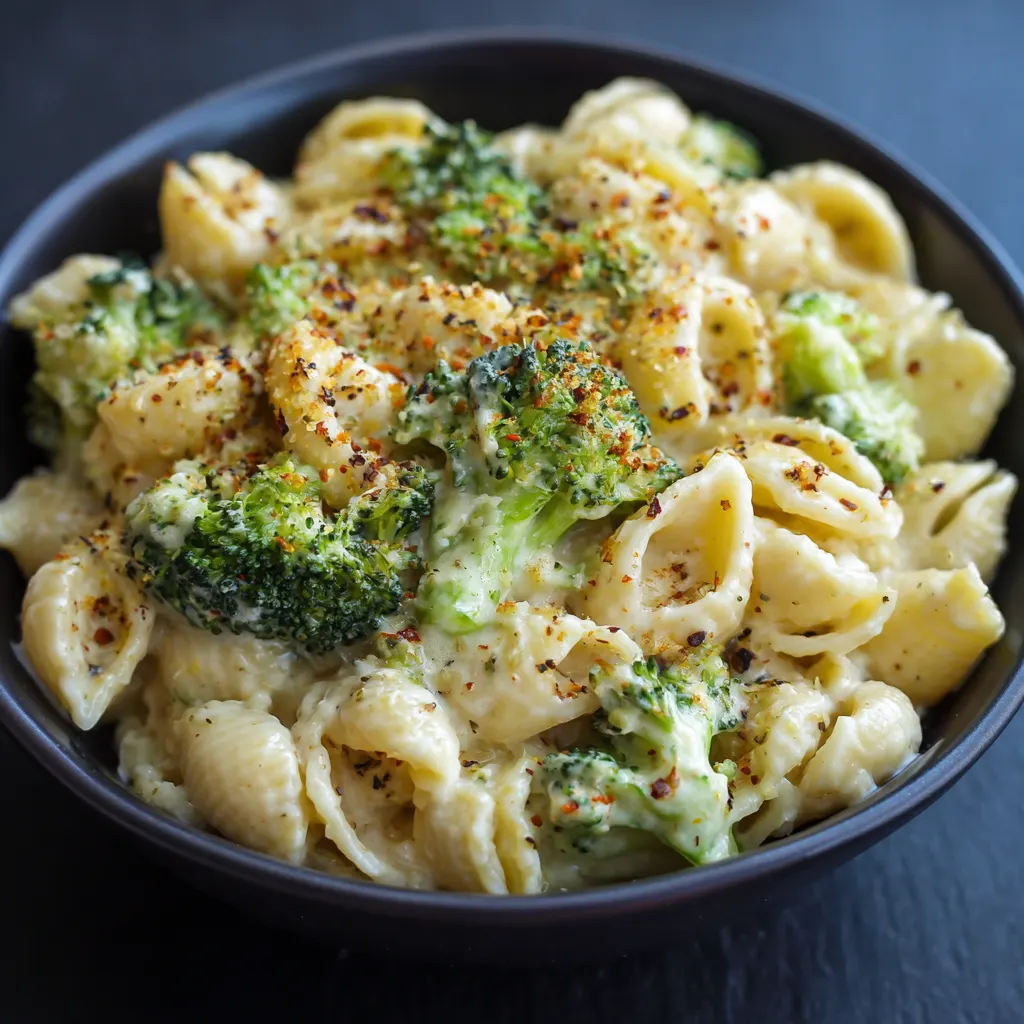
Combine and Serve: Add the drained pasta and broccoli mixture back into the pot with the finished cheese sauce. Stir gently to ensure everything is evenly coated. Adjust seasonings if necessary. Serve immediately, or transfer to a casserole dish for an optional bake or broil finish.
Mastering the Silky-Smooth Cheese Sauce: Roux vs. One-Pot
The quality of any mac and cheese article hinges entirely on the sauce. The two primary methods for achieving creaminess are the classic Béchamel-based roux and the modern, time-saving one-pot technique. Understanding the science behind each method is key to perfecting your dish.
The Roux Method (Ultimate Control)
The traditional method begins with a roux, a cooked mixture of equal parts fat (butter) and flour. The flour acts as a binding agent, stabilizing the sauce and preventing the milk from separating when the cheese is added.
The Golden Rules for Creaminess:
-
Shred Your Own Cheese: This cannot be overstated. Pre-shredded cheeses are dusted with cellulose or other anti-caking agents that prevent clumping in the bag, but they also prevent the cheese from melting properly, often resulting in a grainy, oily sauce. Always shred high-quality block cheese at home.
-
Temperature Control is King: Cheese, which is composed of milk proteins, fat, and water, begins to separate and clump when exposed to excessive heat. Always remove the sauce from the heat before adding the cheese. Introduce the cheese gradually, allowing it to melt into the warm sauce gently. If the sauce cools too much, briefly return it to the lowest heat setting.
-
Introduce an Emulsifier: Ingredients like cream cheese or a small amount of Sodium Citrate (or even evaporated milk) act as emulsifiers, binding the fat and protein components of the cheese sauce and preventing separation, resulting in a supremely stable and smooth sauce, even upon reheating.
The One-Pot Method (Speed and Flavor)
Many modern recipes utilize a “one-pot” technique, which bypasses the traditional roux. In this method, the pasta is cooked directly in a mixture of broth, milk, and water. The starch released from the pasta naturally thickens the liquid into a sauce.
This technique is favored for its ease and the deep flavor infusion achieved by cooking the pasta in broth. However, it requires careful monitoring to ensure the liquid reduces correctly. Ingredients like heavy cream or cream cheese are often folded in at the end to provide the necessary richness and stability that a roux typically provides. If pursuing this method, using bone broth or chicken broth is essential for maximum flavor impact.
The Best Broccoli Preparation: Texture, Flavor, and Hidden Veggie Tricks
The goal of adding broccoli to mac and cheese is to incorporate flavor and nutrients without introducing mushy texture or excess water that dilutes the sauce. The preparation method dictates the final result.
Maintaining Texture and Color
The optimal texture for broccoli in this dish is tender-crisp—cooked through but still retaining a slight bite (al dente).
-
The Pasta Water Blanch (Recommended): The most efficient method is to add the broccoli florets directly to the boiling pasta water during the last three to four minutes of cooking. This blanches the broccoli, ensuring it is perfectly tender and vibrant green without dirtying an extra pot. Immediately drain the pasta and broccoli together.
-
Roasting for Depth: For an enhanced depth of flavor, consider roasting the broccoli separately. Toss florets with olive oil, salt, and pepper, and roast at 425°F (220°C) for 10–15 minutes until the edges are slightly caramelized. This preparation introduces a smoky, savory dimension that pairs exceptionally well with sharp cheddar. Add the roasted broccoli directly to the finished sauce.
-
Frozen Broccoli: If using frozen broccoli, steam it separately according to package directions, then pat it thoroughly dry before folding it into the sauce. Excess moisture from frozen vegetables is the fastest way to ruin a creamy cheese sauce.
Incorporating for Picky Eaters
If the goal is to sneak vegetables past particularly resistant diners, consider one of these techniques:
-
Micro-Chopping: Use a food processor to pulse the florets into very small pieces, nearly the size of rice grains. These tiny pieces melt almost invisibly into the thick sauce, adding color and nutrients without noticeable texture.
-
Broccoli Purée: Steam the broccoli until very soft, then purée it with a little bit of the warm milk required for the sauce. Stir the purée into the Béchamel or broth base before adding the cheese. This gives the sauce a pale green hue and boosts nutrition dramatically.
Elevating Your Dish: Essential Flavor Boosters and Gourmet Cheese Blends
A truly optimized mac and cheese goes beyond just sharp cheddar and milk. Professional chefs rely on specific seasonings and cheese combinations to create deep, complex, and memorable flavor profiles.
Key Flavor Boosters
The classic mac and cheese sauce requires acidity and pungency to balance the richness of the dairy.
-
Mustard: Whether using dry mustard powder or a teaspoon of Dijon mustard, this ingredient is non-negotiable. It doesn’t make the dish taste like mustard; rather, it activates the savory notes in the cheddar cheese, making the overall flavor bolder and more complex.
-
Acidity: A dash of Worcestershire sauce or a splash of hot sauce (like Frank’s RedHot) can provide a welcome tang and depth, cutting through the heavy creaminess.
-
Aromatics: Sautéing minced garlic, shallots, or onion (or using their powdered forms) in the butter before adding the flour builds a strong aromatic foundation for the sauce.
-
Spice: A pinch of cayenne pepper or white pepper adds warmth without overwhelming the dish. White pepper is often preferred for its cleaner taste profile in light-colored sauces.
-
Make-Ahead Method (For Baking):
-
Follow the recipe through Step 4, making the sauce slightly thinner than you would for immediate serving (add an extra ¼ cup of milk).
-
Combine the sauce, pasta, and broccoli, then transfer the mixture to a greased baking dish.
-
Cool completely, cover tightly, and refrigerate for up to 2 days.
-
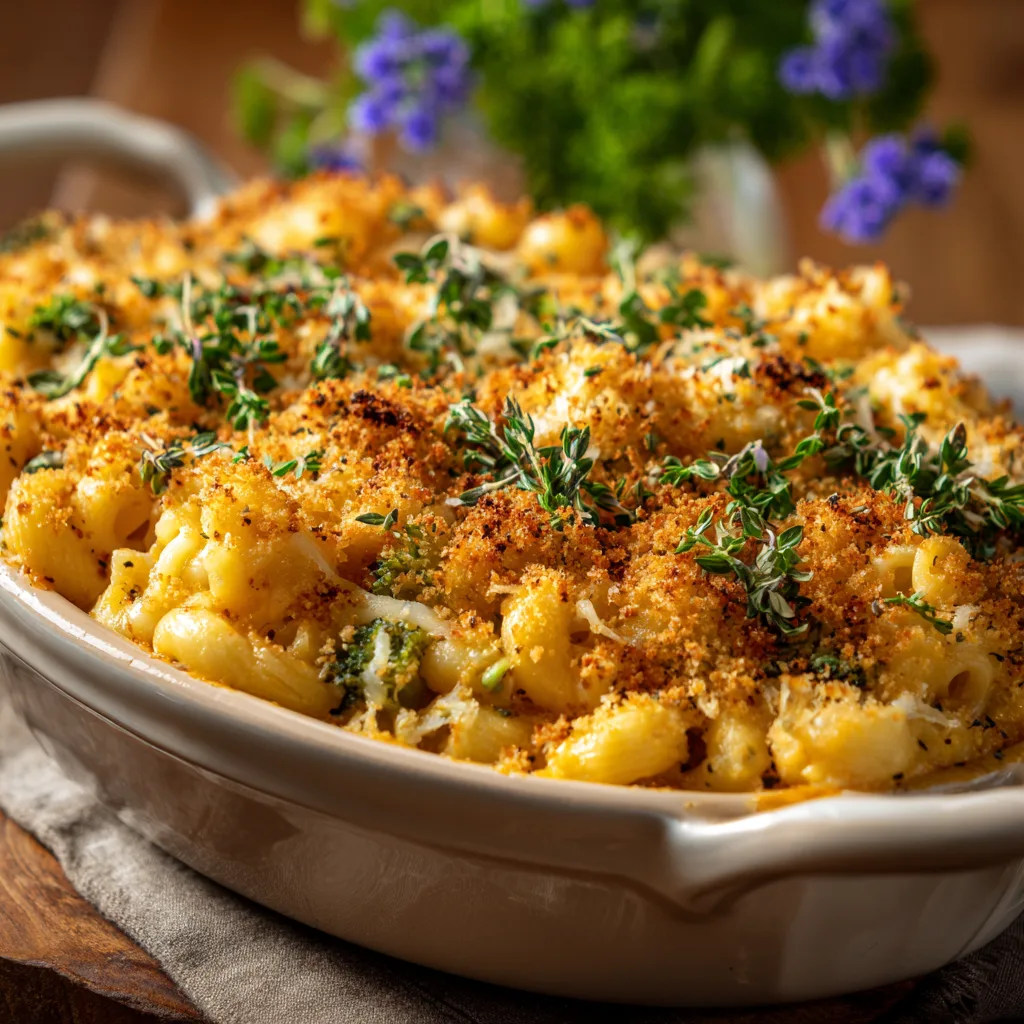
To bake, let it sit at room temperature for 30 minutes. Bake at 350°F (175°C) for 20 minutes, then uncover, top with buttered panko breadcrumbs or extra cheese, and bake for another 10–15 minutes until bubbling and golden.
Reheating Leftovers (Stovetop or Microwave):
-
Stovetop (Best Quality): Place the mac and cheese in a saucepan over medium-low heat. Add 1-2 tablespoons of milk, half-and-half, or broth per cup of mac and cheese. Stir constantly, covering the pan if necessary, until it becomes creamy and reheated. The added liquid is essential to rehydrate the sauce.
-
Freezing: Mac and cheese freezes well only if it contains stabilizing ingredients like cream cheese or evaporated milk. Freeze in small, airtight portions. Thaw overnight in the refrigerator and reheat using the stovetop method, adding extra liquid as needed.
-