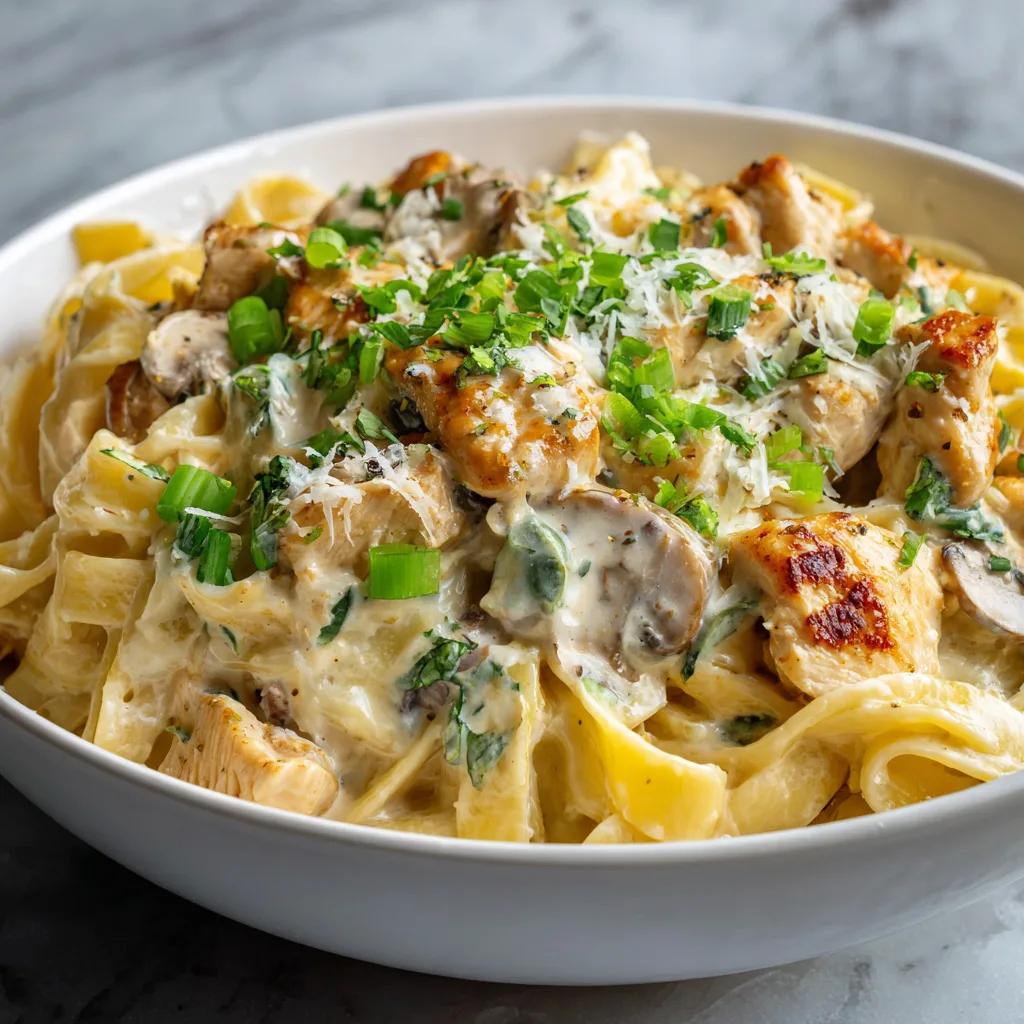
The Ultimate Creamy Chicken Alfredo: A Simple 30-Minute Dinner Guide
There are few dishes that capture the essence of comfort food quite like a bowl of velvet-smooth Chicken Alfredo. Whether you are navigating a hectic weeknight or looking to impress guests with a restaurant-quality meal, this classic Italian-American staple delivers a rich, satisfying experience with minimal effort. The beauty of a truly great Alfredo lies in its simplicity—relying on the synergy of high-quality dairy, pungent garlic, and perfectly seared protein to create a dish that is far superior to anything found in a jar. By mastering a few fundamental techniques, you can transform pantry staples into a decadent masterpiece that your family will request time and time again.
Ingredients
-
Pasta: 1 pound (16 oz) fettuccine noodles
-
Chicken: 1.5 pounds boneless, skinless chicken breasts, sliced into bite-sized pieces or thin cutlets
-
Butter: 1/2 cup unsalted butter (one stick)
-
Heavy Cream: 2 cups heavy whipping cream
-
Parmesan Cheese: 1 1/2 cups freshly grated Parmesan cheese (avoid the canned variety for the best melt)
-
Garlic: 3–4 cloves, minced
-
Seasoning: 1 teaspoon garlic powder, 1 teaspoon onion powder, salt, and freshly cracked black pepper to taste
-
Oil: 1 tablespoon olive oil (for searing the chicken)
-
Garnish: Freshly chopped parsley and extra Parmesan cheese
Step-by-Step Instructions
-
Prepare the Pasta: Bring a large pot of salted water to a rolling boil. Cook the fettuccine according to the package directions until it reaches “al dente” (firm to the bite). Before draining, reserve about one cup of the starchy pasta water. Drain the rest and set the noodles aside.
-
Sear the Chicken: While the water boils, season your chicken pieces with salt, pepper, garlic powder, and onion powder. In a large skillet or pan, heat the olive oil over medium-high heat. Add the chicken in a single layer and cook until golden brown and cooked through (about 5–7 minutes). Remove the chicken from the pan and set it aside on a plate, keeping it warm.
-
Build the Sauce Base: In the same skillet used for the chicken, reduce the heat to medium and add the butter. Once melted, stir in the minced garlic and sauté for about one minute until fragrant, being careful not to let it brown or burn.
-
Simmer the Cream: Pour the heavy whipping cream into the skillet. Whisk the mixture constantly and allow it to come to a gentle simmer. Let it cook for 3 to 5 minutes until it begins to thicken slightly.
-
Emulsify the Cheese: Reduce the heat to low and gradually whisk in the freshly grated Parmesan cheese. Continue stirring until the cheese is completely melted and the sauce is smooth and glossy. If the sauce appears too thick, whisk in a splash of the reserved pasta water until you reach your desired consistency.
-
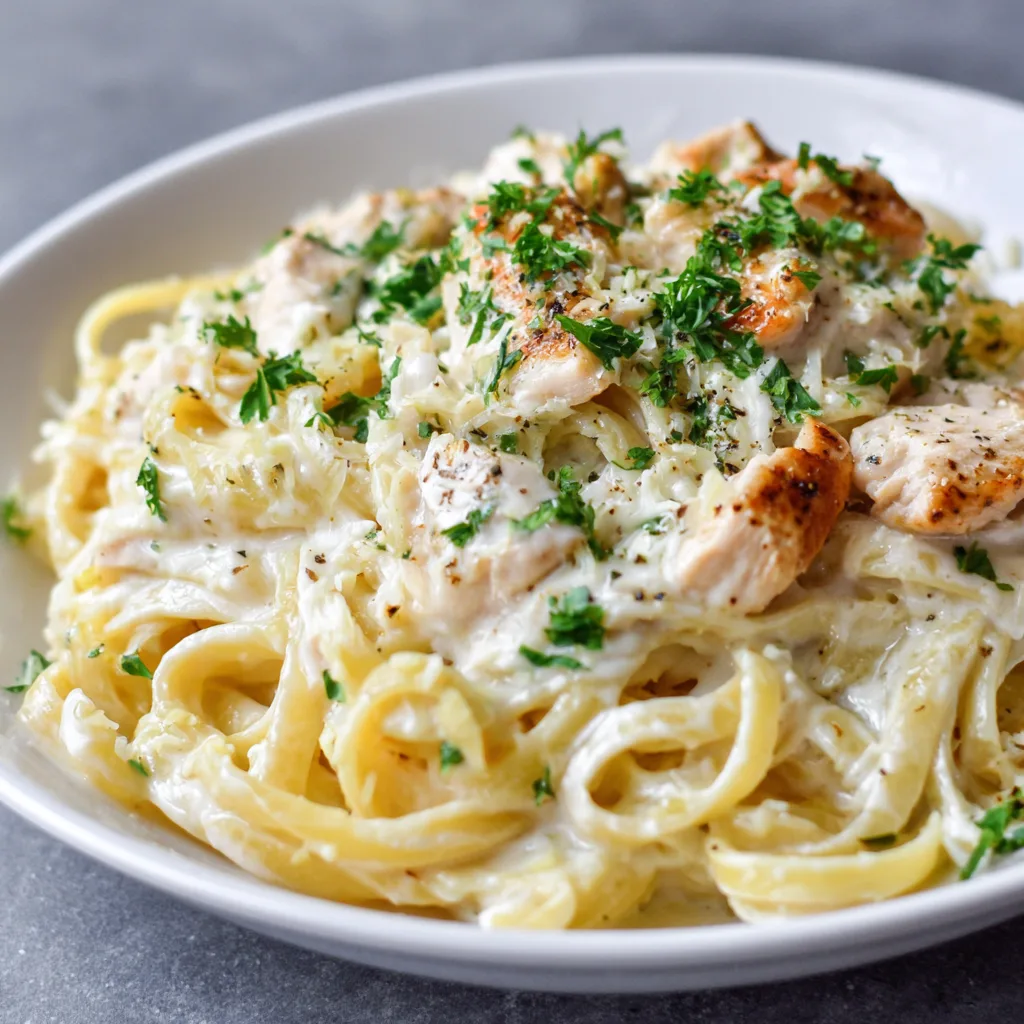
Combine and Serve: Add the cooked fettuccine and the seared chicken back into the skillet. Toss everything together with tongs until every strand of pasta is coated in the creamy sauce. Season with additional salt and pepper if needed. Garnish with fresh parsley and serve immediately.
Secrets to a Flawless, Restaurant-Quality Sauce
The difference between a mediocre Alfredo and a spectacular one often comes down to the quality of the ingredients and the temperature control. The most common mistake home cooks make is using pre-shredded cheese from a bag. These products are coated in potato starch or cellulose to prevent clumping in the package, which unfortunately prevents the cheese from melting smoothly into the sauce, often resulting in a grainy or “broken” texture. For the silkiest results, purchase a wedge of Parmigiano-Reggiano and grate it yourself just before cooking.
Temperature management is equally vital. If you add your cheese to a sauce that is boiling too vigorously, the proteins in the cheese can seize, leading to a rubbery or oily mess. Always lower the heat to a minimum before introducing the dairy. Furthermore, the “pasta water secret” used by professional chefs cannot be overstated. The starch released by the pasta into the boiling water acts as a natural emulsifier, helping the sauce cling to the noodles rather than sliding off to the bottom of the bowl.
Enhancements and Flavor Variations
While the classic version is iconic, the versatility of Creamy Chicken Alfredo makes it an excellent canvas for culinary experimentation. To add a nutritional boost and a pop of color, many chefs recommend incorporating steamed broccoli florets, sautéed mushrooms, or a few handfuls of fresh baby spinach during the final tossing stage. These vegetables cut through the richness of the cream and provide a balanced textural contrast.
For those who enjoy a bit of heat, adding a pinch of red pepper flakes to the garlic and butter stage provides a subtle back-end warmth that complements the savory Parmesan. If you want to lean into a more “blackened” profile, you can season the chicken heavily with cajun spices before searing. Another popular variation is the addition of sun-dried tomatoes and a teaspoon of lemon zest, which introduces a bright acidity that lifts the entire flavor profile of the dish.
Mastering the Art of Reheating and Storage
Because of its high dairy content, Alfredo sauce can be notoriously difficult to reheat without the fat separating from the solids. If you have leftovers, store them in an airtight container in the refrigerator for up to three days. When you are ready to eat, avoid the microwave if possible, as it tends to heat the oil too quickly and break the sauce.
The best method for reheating is on the stovetop over low heat. Add a splash of milk, heavy cream, or even a tablespoon of water to the pan along with the leftovers. Stir gently and continuously as it warms up; the extra moisture will help re-emulsify the sauce and bring back that original velvety texture. If you must use a microwave, do so in 30-second intervals at 50% power, stirring between each session to ensure even heating.
Perfect Pairings for a Complete Meal
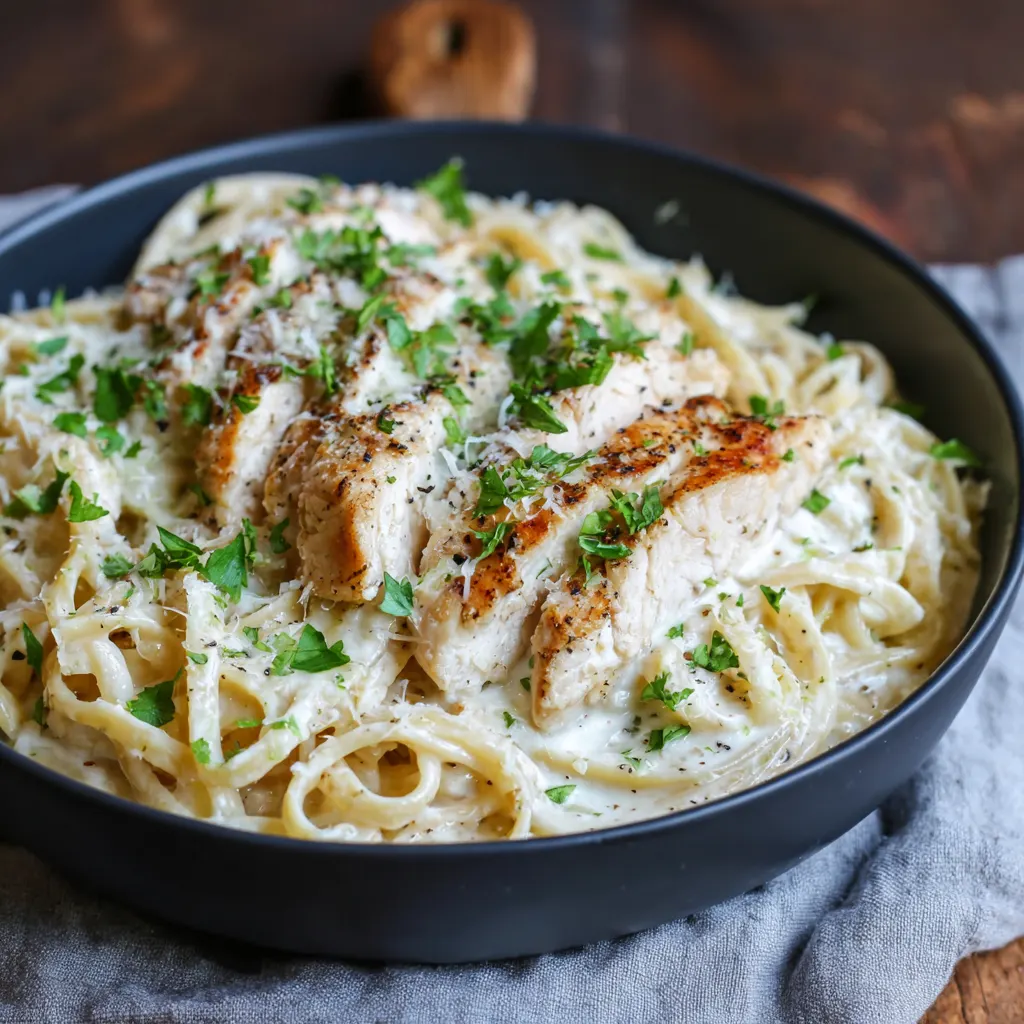
To turn this dish into a well-rounded dinner experience, consider the sides that best complement the heavy, creamy nature of the pasta. A crisp, acidic green salad with a lemon vinaigrette or a light balsamic dressing acts as a perfect palate cleanser. Roasted vegetables, such as asparagus with a squeeze of lemon or balsamic-glazed Brussels sprouts, offer an earthy bitterness that balances the saltiness of the Parmesan.
No Chicken Alfredo dinner is complete without a side of bread to soak up the extra sauce. Garlic knots or a toasted baguette brushed with herb butter are traditional favorites. If you are serving wine, look for a crisp, dry white like a Pinot Grigio or a lightly oaked Chardonnay. The acidity in these wines cuts through the fat of the cream, ensuring that every bite feels as fresh and indulgent as the first. Using these tips and the simple recipe provided, you can bring the luxury of fine Italian dining into your own kitchen any night of the week.