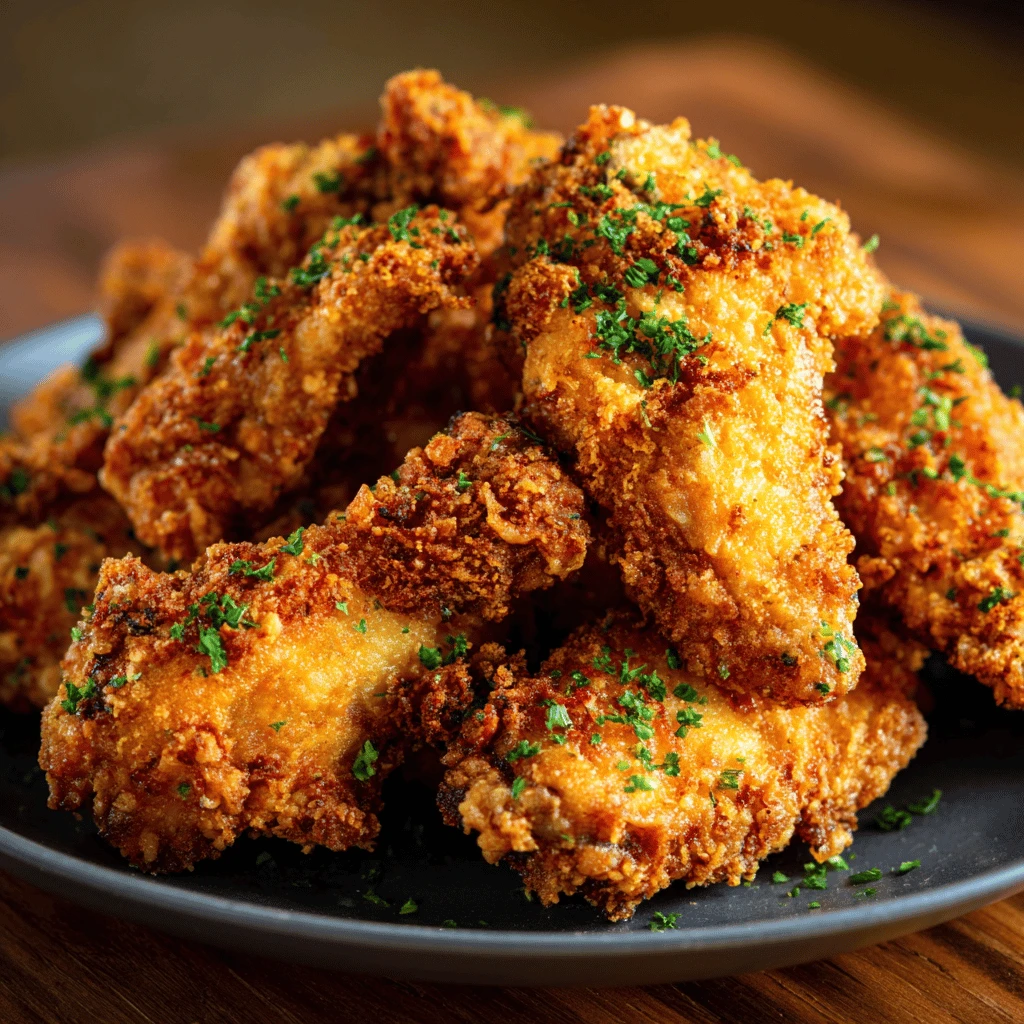
Crispy Fried Chicken Wings: The Ultimate Guide to Perfect Wings at Home
Crispy fried chicken wings are a crowd-pleasing appetizer, snack, or even a main course. Achieving that perfect balance of juicy, tender meat and shatteringly crisp skin at home might seem daunting, but with the right techniques and ingredients, it’s entirely achievable. This guide will walk you through everything you need to know, from choosing the best wings to mastering the frying process.
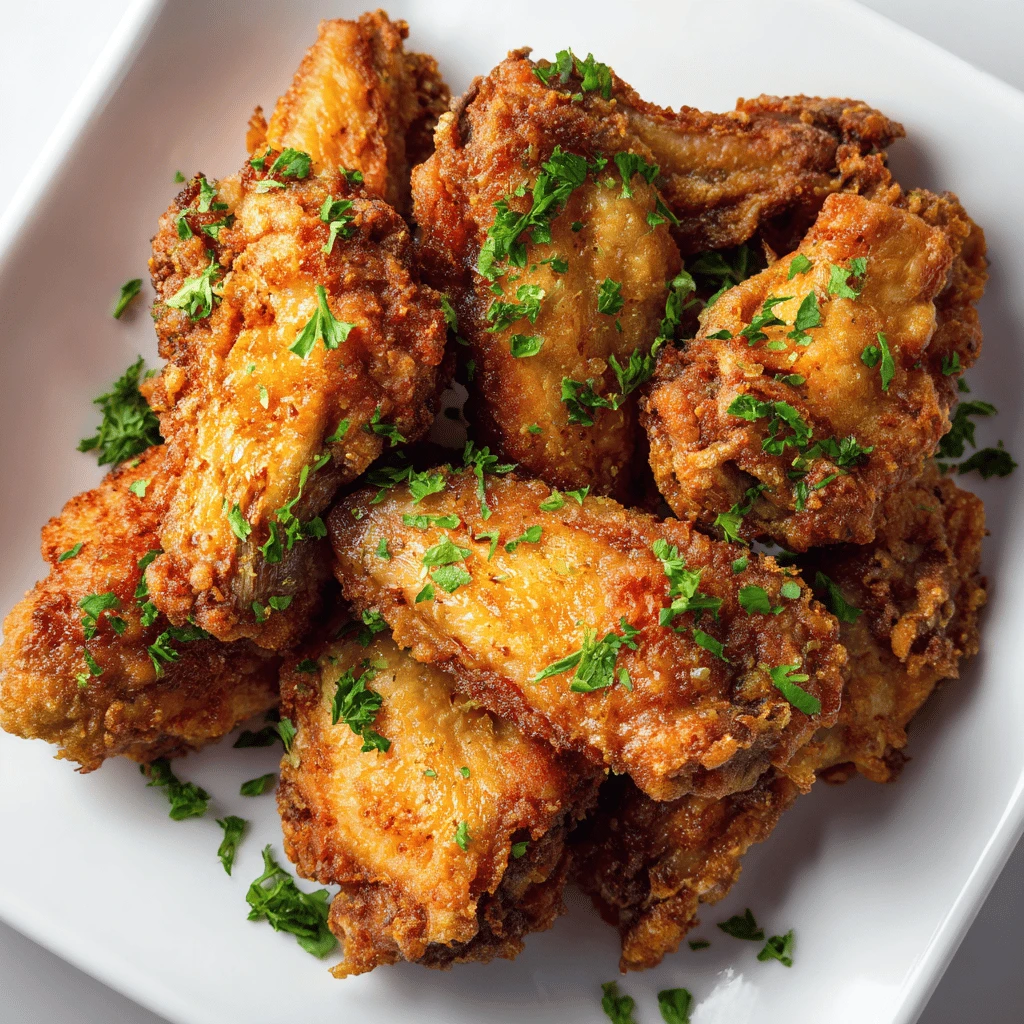
Choosing the Right Wings and Preparing Them for Frying
The foundation of incredible fried chicken wings lies in the quality of the wings themselves. Opt for fresh, plump wings whenever possible. Frozen wings work in a pinch, but require thorough thawing to ensure even cooking.
Fresh vs. Frozen Wings
Fresh wings offer the best flavor and texture. Look for wings that are firm to the touch and have a pinkish hue. Avoid wings that appear slimy or have a strong odor. Frozen wings are often more readily available and budget-friendly. Thaw them completely in the refrigerator for at least 24 hours before cooking. Proper thawing is critical to prevent uneven cooking and soggy results.
Wing Anatomy and Preparation
A whole chicken wing consists of three parts: the drumette, the wingette (or flat), and the tip. The tip is mostly skin and bone and doesn’t offer much meat, so it’s often discarded. You can cut the wings at the joints to separate the drumette and wingette, or leave them whole. Separating them allows for more even cooking and a better surface area for crisping. Patting the wings dry with paper towels is a crucial step. Removing excess moisture ensures that the wings will fry properly and develop a crispy skin.
To Brine or Not to Brine?
Brining is a technique that involves soaking the wings in a saltwater solution. This adds moisture and flavor, resulting in juicier, more flavorful wings. A simple brine can consist of water, salt, and sugar. Some recipes incorporate additional flavorings like garlic, herbs, or spices. Brining requires planning ahead, as the wings need to soak for at least a few hours, or preferably overnight. If you’re short on time, you can skip the brining step, but it’s highly recommended for superior results.
Mastering the Art of the Coating: Dry Rubs, Marinades, and Batters
The coating is what creates that desirable crispy crust. There are several approaches, each offering a unique flavor and texture.
Dry Rubs for Simple Flavor
A dry rub is a mixture of spices that’s applied directly to the wings before frying. This is a simple and effective way to add flavor and create a crispy skin. Common ingredients include salt, pepper, paprika, garlic powder, onion powder, cayenne pepper, and chili powder. Experiment with different combinations to find your favorite flavor profile.
Marinades for Deep Flavor Infusion
Marinades not only add flavor but also help to tenderize the wings. A marinade typically consists of an acidic ingredient (like vinegar or lemon juice), oil, and seasonings. Popular marinade ingredients include soy sauce, honey, ginger, garlic, and hot sauce. Marinate the wings for at least 30 minutes, or preferably several hours, to allow the flavors to penetrate.
Batter Up: Achieving Maximum Crispiness
A batter creates a thicker, more substantial crust. There are many variations, but a basic batter usually consists of flour, cornstarch, and seasonings. Some recipes include baking powder for extra lightness and crispiness. Dip the wings in the batter just before frying to prevent the batter from becoming soggy. Double-dredging the wings in the batter can create an even thicker and crispier coating.
The Frying Process: Temperature, Oil, and Technique
Frying is where the magic happens. Maintaining the correct oil temperature and using the right technique are crucial for achieving perfectly cooked, crispy wings.
Choosing the Right Oil
The best oils for frying have a high smoke point and a neutral flavor. Peanut oil, canola oil, and vegetable oil are all good choices. Avoid oils with strong flavors, like olive oil, as they can overpower the taste of the wings. Use enough oil to fully submerge the wings. A deep fryer is ideal, but a large, heavy-bottomed pot or Dutch oven works well too.
Maintaining the Perfect Temperature
The ideal oil temperature for frying chicken wings is between 325°F and 350°F (160°C and 175°C). Use a thermometer to monitor the temperature and adjust the heat as needed. Adding too many wings to the oil at once will lower the temperature, resulting in greasy, undercooked wings. Fry the wings in batches, being careful not to overcrowd the pot.
Frying Technique: Two-Stage Frying for Ultimate Crispness
A two-stage frying process is the key to achieving incredibly crispy wings. The first fry, at a lower temperature (around 300°F/150°C), cooks the chicken through without burning the outside. The second fry, at a higher temperature (around 350°F/175°C), crisps the skin to golden-brown perfection. This technique ensures that the wings are fully cooked and incredibly crispy. Allow the wings to cool slightly between the two frying stages.
Safety First: Frying Precautions
Frying with hot oil can be dangerous. Always use caution and follow these safety tips: Never leave hot oil unattended. Use a thermometer to monitor the oil temperature. Avoid adding wet or frozen ingredients to the hot oil, as this can cause splattering. If the oil starts to smoke or catch fire, turn off the heat immediately and cover the pot with a lid. Never pour water on a grease fire.
Sauce It Up: Classic Flavors and Creative Combinations
Once the wings are fried to perfection, it’s time to add the sauce. From classic Buffalo to sweet and tangy Asian-inspired flavors, the possibilities are endless.
Buffalo Wings: The Classic Choice
Buffalo wings are a quintessential wing flavor, known for their spicy, tangy kick. The classic Buffalo sauce consists of hot sauce, butter, and vinegar. Adjust the amount of hot sauce to control the heat level. Serve with blue cheese or ranch dressing and celery sticks for a classic pairing.
BBQ Wings: Sweet and Smoky
BBQ wings offer a sweet and smoky flavor that’s sure to please. Use your favorite BBQ sauce, or make your own. For a deeper flavor, brush the wings with BBQ sauce during the last few minutes of frying.
Asian-Inspired Flavors: Sweet, Spicy, and Savory
Experiment with Asian-inspired sauces like teriyaki, honey garlic, or sweet chili. These sauces offer a unique blend of sweet, spicy, and savory flavors. Garnish with sesame seeds and chopped green onions for an authentic touch.
Dry-Rubbed Wings: Keeping it Simple
Sometimes, the best flavors are the simplest. For dry-rubbed wings, toss the fried wings with your favorite spice blend. Consider adding a touch of brown sugar for a hint of sweetness.
Serving and Storing Crispy Fried Chicken Wings
Proper serving and storage are essential to maintain the quality and flavor of your crispy fried chicken wings.
Serving Suggestions
Serve the wings hot and fresh for the best flavor and texture. Arrange them on a platter and garnish with chopped herbs, sesame seeds, or a drizzle of sauce. Offer a variety of dipping sauces to cater to different tastes. Pair the wings with sides like French fries, coleslaw, or onion rings for a complete meal.
Storing Leftovers
If you have leftover wings, store them in an airtight container in the refrigerator. They will keep for up to 3-4 days. Reheat the wings in the oven or air fryer to restore their crispness. Avoid microwaving them, as this can make them soggy.
Reheating for Maximum Crispness
To reheat the wings and restore their crispness, preheat your oven or air fryer to 350°F (175°C). Place the wings on a baking sheet lined with parchment paper and bake for 10-15 minutes, or until heated through and crispy. The air fryer is particularly effective at reheating wings, as it circulates hot air around the wings, ensuring even crisping.
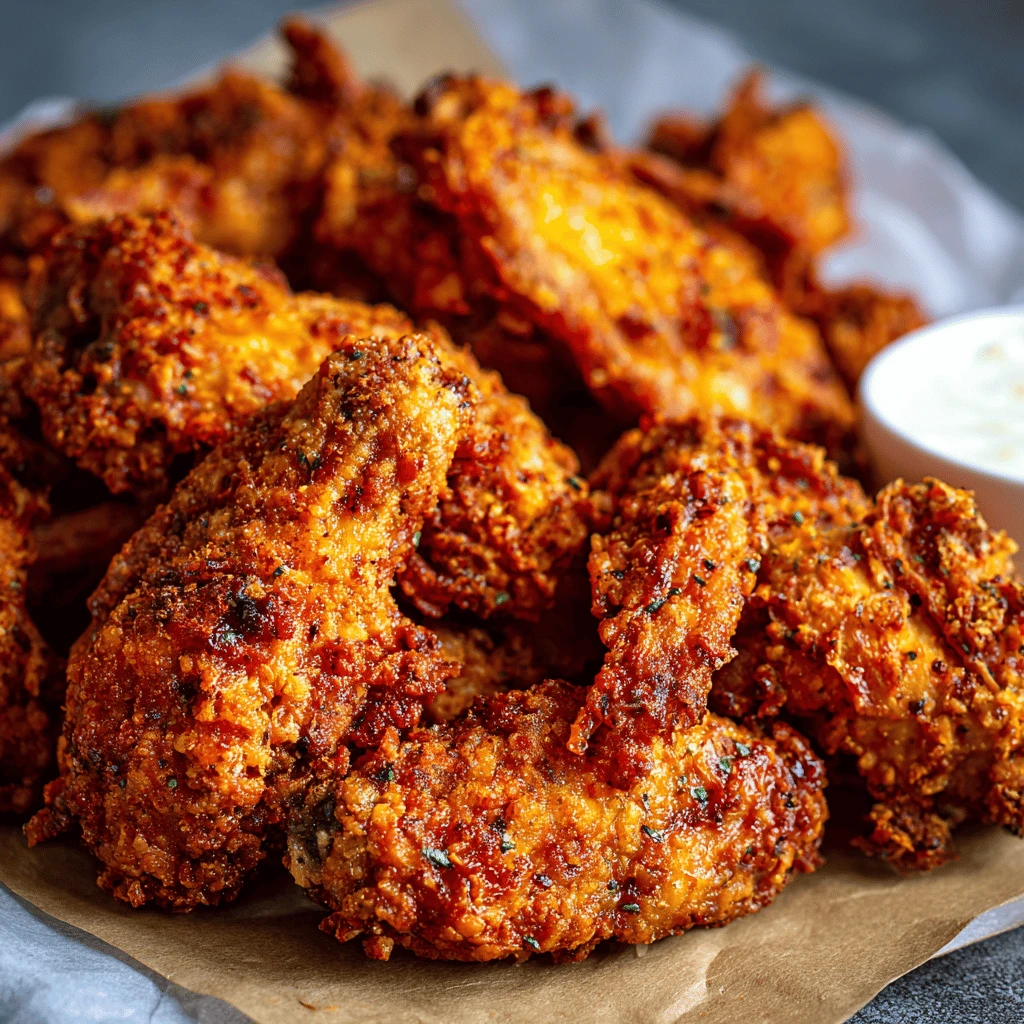
Frequently Asked Questions (FAQs) About Crispy Fried Chicken Wings
- Why are my fried chicken wings not crispy? Several factors can contribute to soggy wings, including using wings that aren’t properly dried, frying at too low of a temperature, overcrowding the pot, or using the wrong type of oil. Make sure to pat the wings dry before frying, maintain the correct oil temperature, fry in batches, and use an oil with a high smoke point.
- What temperature should I fry chicken wings at? The ideal oil temperature for frying chicken wings is between 325°F and 350°F (160°C and 175°C).
- How long should I fry chicken wings? Fry the wings for approximately 8-10 minutes per batch during the first fry, then for another 2-3 minutes during the second fry, or until they are golden brown and cooked through. Cooking time may vary depending on the size of the wings and the temperature of the oil.
- Can I fry chicken wings in an air fryer? Yes, air frying is a great alternative to deep frying. Preheat your air fryer to 400°F (200°C) and cook the wings for 20-25 minutes, flipping halfway through, until they are golden brown and crispy.
- What’s the best sauce for chicken wings? The best sauce is a matter of personal preference. Popular options include Buffalo sauce, BBQ sauce, teriyaki sauce, honey garlic sauce, and sweet chili sauce. Experiment with different flavors to find your favorite.
- Do I need to brine chicken wings before frying? Brining is not essential, but it’s highly recommended for juicier, more flavorful wings. A simple brine can consist of water, salt, and sugar.
- How do I keep fried chicken wings warm? To keep fried chicken wings warm, place them on a baking sheet in a preheated oven at 200°F (93°C). You can also use a warming tray or a chafing dish.