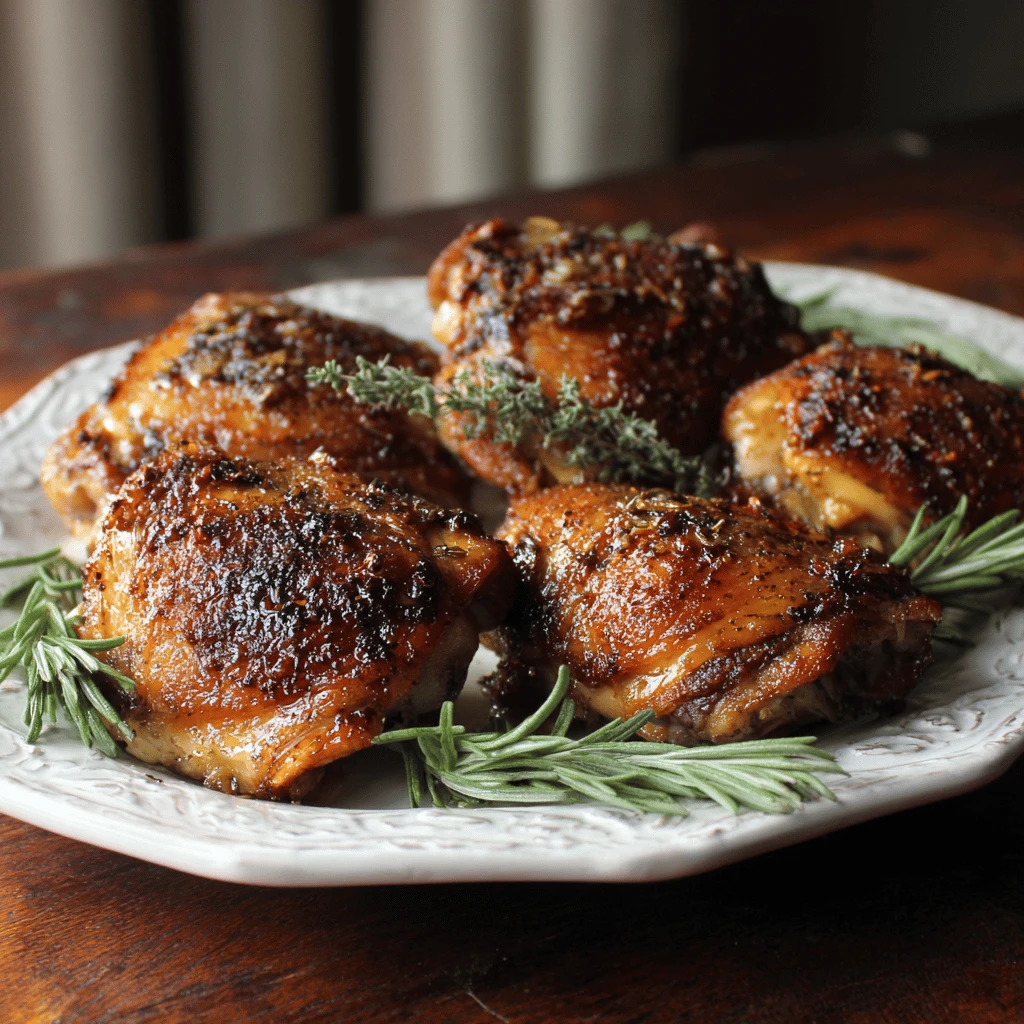
Crispy Roast Turkey Thighs: A Thanksgiving Special
Thanksgiving is synonymous with turkey, but preparing a whole bird can be daunting. For a smaller gathering or if you simply prefer dark meat, crispy roast turkey thighs are a delicious and stress-free alternative. This guide will walk you through creating a flavorful, perfectly cooked turkey thigh that will be the star of your Thanksgiving table.
Why Choose Turkey Thighs?
Turkey thighs offer several advantages over roasting a whole turkey or even turkey breast.
- Flavor: Thigh meat is naturally more flavorful and juicy than breast meat due to its higher fat content.
- Ease of Preparation: Roasting thighs is significantly easier and faster than dealing with a whole bird. No wrestling with stuffing cavities or worrying about drying out the breast.
- Cost-Effective: Turkey thighs are often more economical than a whole turkey, making them a budget-friendly option.
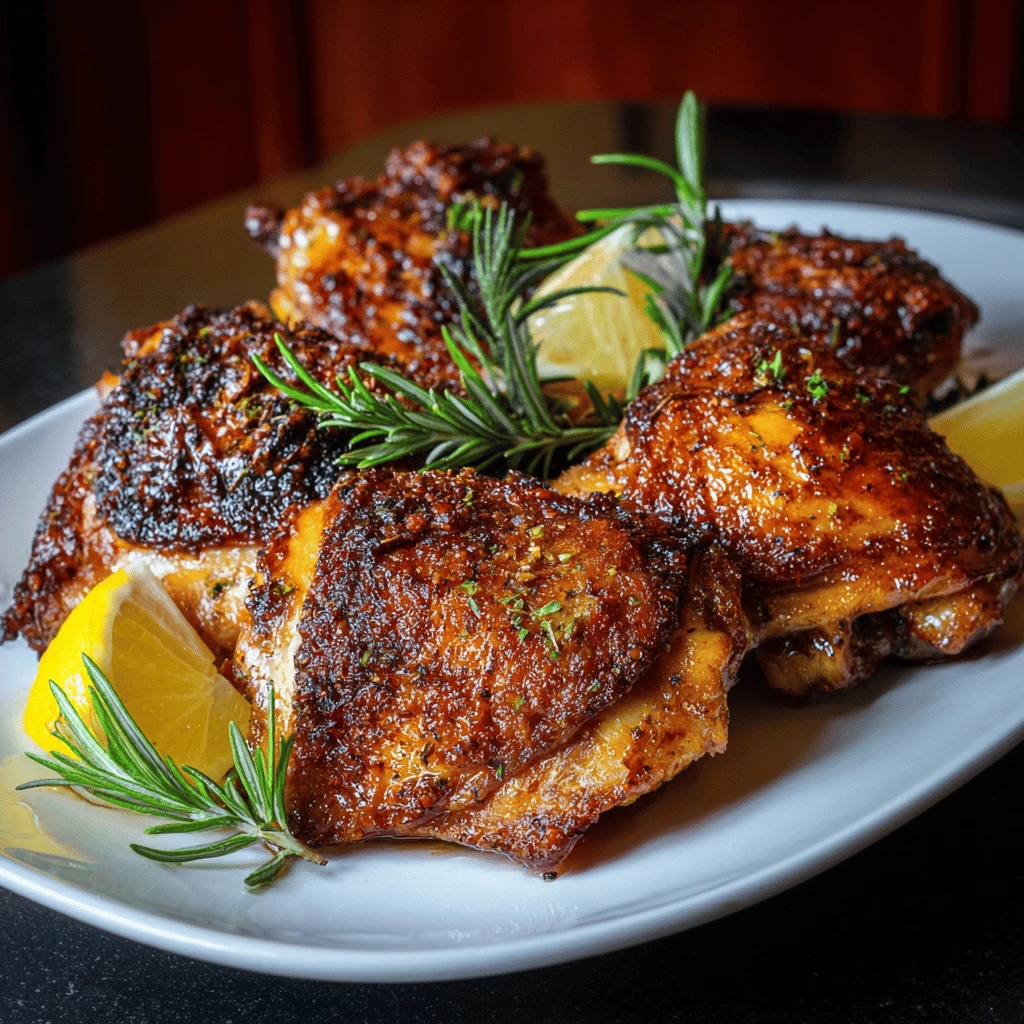
- Crispy Skin: The shape and skin coverage of turkey thighs lend themselves perfectly to achieving incredibly crispy skin.
Achieving Perfectly Crispy Skin and Juicy Meat
The secret to truly exceptional roast turkey thighs lies in a few key techniques:
Dry Brining for Maximum Flavor
Dry brining, also known as pre-salting, involves rubbing the turkey thighs with salt and letting them rest in the refrigerator for 24-72 hours. This process draws moisture out of the skin, allowing it to crisp up beautifully during roasting. The salt also penetrates the meat, seasoning it from the inside out and resulting in a more flavorful and juicy final product.
To dry brine:
1. Pat the turkey thighs dry with paper towels. This is crucial for achieving crispy skin.
2. Combine kosher salt with your favorite herbs and spices (see seasoning suggestions below). Aim for about 1 teaspoon of kosher salt per pound of turkey.
3. Rub the salt mixture evenly over the entire surface of the turkey thighs, including under the skin if possible.
4. Place the thighs on a wire rack set inside a baking sheet and refrigerate, uncovered, for 24-72 hours.
Roasting at the Right Temperature
The roasting temperature is critical for ensuring both crispy skin and properly cooked meat. Start with a high temperature to crisp the skin, then lower it to finish cooking the thighs through without drying them out.
1. Preheat your oven to 450°F (232°C).
2. Place the dry-brined turkey thighs, skin-side up, on a roasting pan fitted with a rack.
3. Roast at 450°F (232°C) for 20-30 minutes, or until the skin is golden brown and crispy.
4. Reduce the oven temperature to 325°F (163°C) and continue roasting until the internal temperature reaches 175-180°F (80-82°C). Use a meat thermometer inserted into the thickest part of the thigh, being careful not to touch the bone.
Basting (Optional but Recommended)
While the turkey thighs are roasting at the lower temperature, basting them with pan juices or melted butter every 20-30 minutes can add extra flavor and help keep the skin moist (in a good way, preventing burning).
Flavor Variations and Seasoning Ideas
The beauty of roast turkey thighs is their versatility. You can easily adapt the seasonings to suit your personal preferences. Here are a few ideas:
- Classic Thanksgiving: Combine salt, pepper, garlic powder, onion powder, dried thyme, dried rosemary, and dried sage.
- Citrus Herb: Combine salt, pepper, lemon zest, orange zest, dried thyme, dried oregano, and a pinch of red pepper flakes.
- Smoked Paprika: Combine salt, pepper, smoked paprika, garlic powder, onion powder, and a pinch of cayenne pepper.
- Maple Glazed: Baste the turkey thighs during the last 30 minutes of roasting with a mixture of maple syrup, Dijon mustard, and apple cider vinegar.
Serving Suggestions and Sides
Crispy roast turkey thighs pair perfectly with all the classic Thanksgiving sides. Here are a few suggestions:
- Mashed Potatoes: Creamy mashed potatoes are a must-have for soaking up the delicious pan drippings.
- Stuffing: Whether you prefer bread stuffing or cornbread stuffing, it’s an essential Thanksgiving side.
- Green Bean Casserole: A classic and comforting dish.
- Cranberry Sauce: The tartness of cranberry sauce complements the richness of the turkey.
- Roasted Vegetables: Roasted Brussels sprouts, carrots, or sweet potatoes are healthy and flavorful additions to the meal.
- Gravy: Don’t forget the gravy! Use the pan drippings from the turkey thighs to make a delicious homemade gravy.
Making Gravy:
1. After removing the turkey thighs from the roasting pan, pour off any excess fat.
2. Place the roasting pan over medium heat on the stovetop.
3. Whisk in 2 tablespoons of flour and cook for 1-2 minutes, until lightly browned.
4. Gradually whisk in 2 cups of chicken broth (or turkey broth, if you have it).
5. Bring to a simmer and cook, whisking constantly, until the gravy has thickened to your desired consistency.
6. Season with salt and pepper to taste.
Storing and Reheating Leftovers
Leftover roast turkey thighs can be stored in the refrigerator for up to 3-4 days. To reheat, place the thighs in a baking dish with a little broth or water and cover with foil. Bake at 325°F (163°C) until heated through. You can also reheat the thighs in a microwave, but be careful not to overcook them.
Frequently Asked Questions (FAQs)
What temperature should turkey thighs be cooked to?
The internal temperature of turkey thighs should reach 175-180°F (80-82°C).
How long does it take to cook turkey thighs?
The cooking time will vary depending on the size of the thighs and the oven temperature. A good rule of thumb is to roast them for about 20-30 minutes at 450°F (232°C) followed by 45-60 minutes at 325°F (163°C). Always use a meat thermometer to ensure they are cooked to the proper temperature.
Can I cook turkey thighs from frozen?
It is not recommended to cook turkey thighs from frozen. They will not cook evenly, and the skin will not crisp up properly. Be sure to thaw them completely in the refrigerator before roasting.
How do I know if my turkey thighs are done?
The most reliable way to tell if turkey thighs are done is to use a meat thermometer. Insert the thermometer into the thickest part of the thigh, being careful not to touch the bone. The internal temperature should reach 175-180°F (80-82°C).
Can I use bone-in or boneless turkey thighs?
Either bone-in or boneless turkey thighs can be used for this recipe. Bone-in thighs will generally be more flavorful and take slightly longer to cook.
What if my turkey skin isn’t crispy enough?
If the turkey skin isn’t crispy enough after roasting, you can increase the oven temperature to 450°F (232°C) for the last 5-10 minutes of cooking, keeping a close watch to prevent burning.
Can I make this recipe ahead of time?
You can dry-brine the turkey thighs up to 3 days in advance. You can also roast the turkey thighs a day ahead of time and reheat them before serving.
Do I need to rest the turkey thighs after cooking?
Yes, it’s always a great recommendation to rest any kind of meat that has been cooked. Let them rest for at least 10-15 minutes before carving. This allows the juices to redistribute, resulting in a more tender and flavorful product.