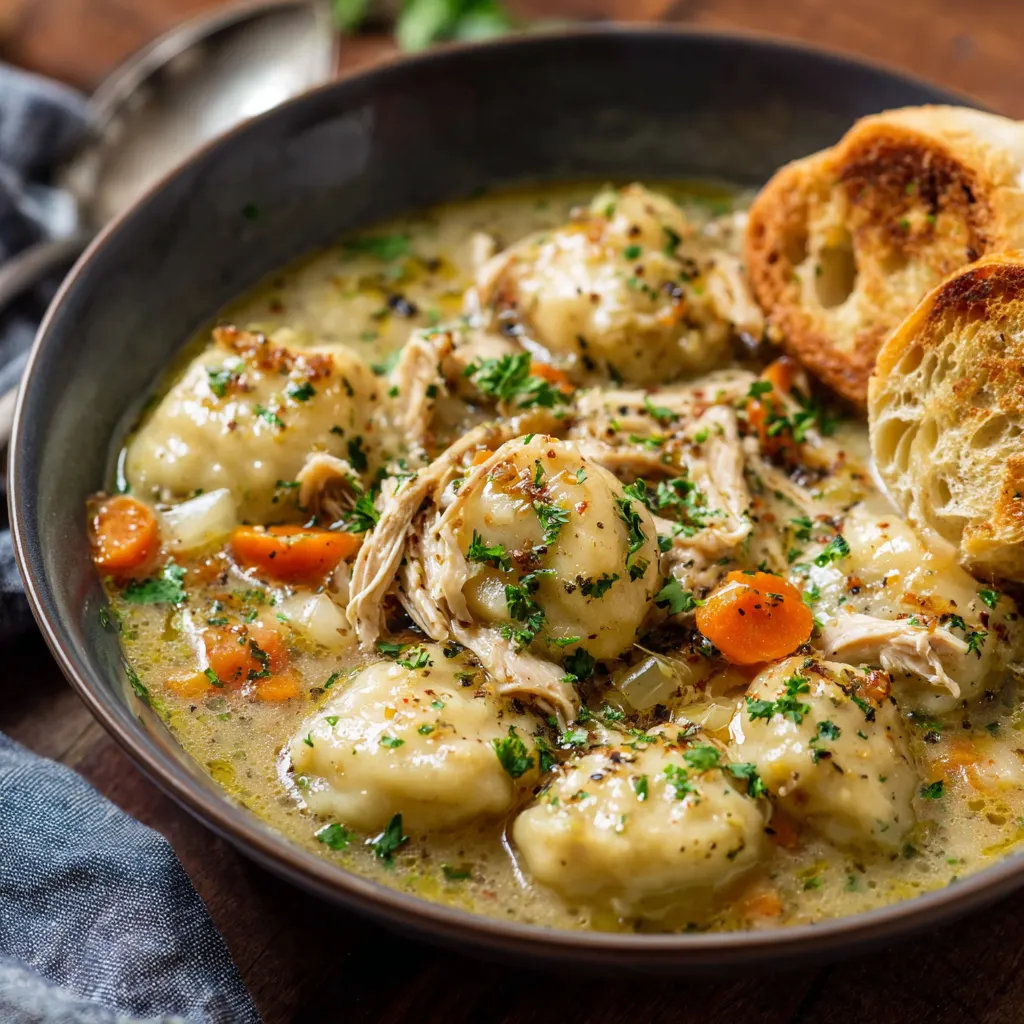
The Ultimate Slow Cooker Chicken and Dumpling Soup: A Comfort Food Classic Made Easy
There is nothing quite as soul-soothing as a bowl of rich, creamy chicken and dumpling soup. While traditional recipes often demand hours of simmering on the stovetop, the crockpot transforms this comfort food into a weeknight miracle. By allowing the flavors to meld slowly and the chicken to reach fall-apart tenderness, the slow cooker delivers maximum flavor with minimal effort, making it the perfect vehicle for this deeply satisfying dish.
Ingredients
For the Slow Cooker Stew:
-
2 lbs boneless, skinless chicken breasts or thighs
-
1 medium yellow onion, finely diced
-
1 cup carrots, sliced or diced
-
1 cup celery, sliced or diced
-
2 cloves garlic, minced
-
4 cups low-sodium chicken broth
-
1 (10.5 oz) can cream of chicken soup OR 1 cup half-and-half
-
1 tsp dried thyme
-
1 tsp dried parsley
-
1 tsp salt, plus more to taste
-
½ tsp black pepper
-
2 Tbsp cornstarch (for thickening, optional)
-
1 cup frozen peas (added in the last hour)
For the Scratch Drop Dumplings:
-
2 cups all-purpose flour
-
1 Tbsp baking powder
-
1 tsp salt
-
4 Tbsp cold unsalted butter, cut into small cubes (or 2 Tbsp vegetable oil)
-
¾ cup whole milk
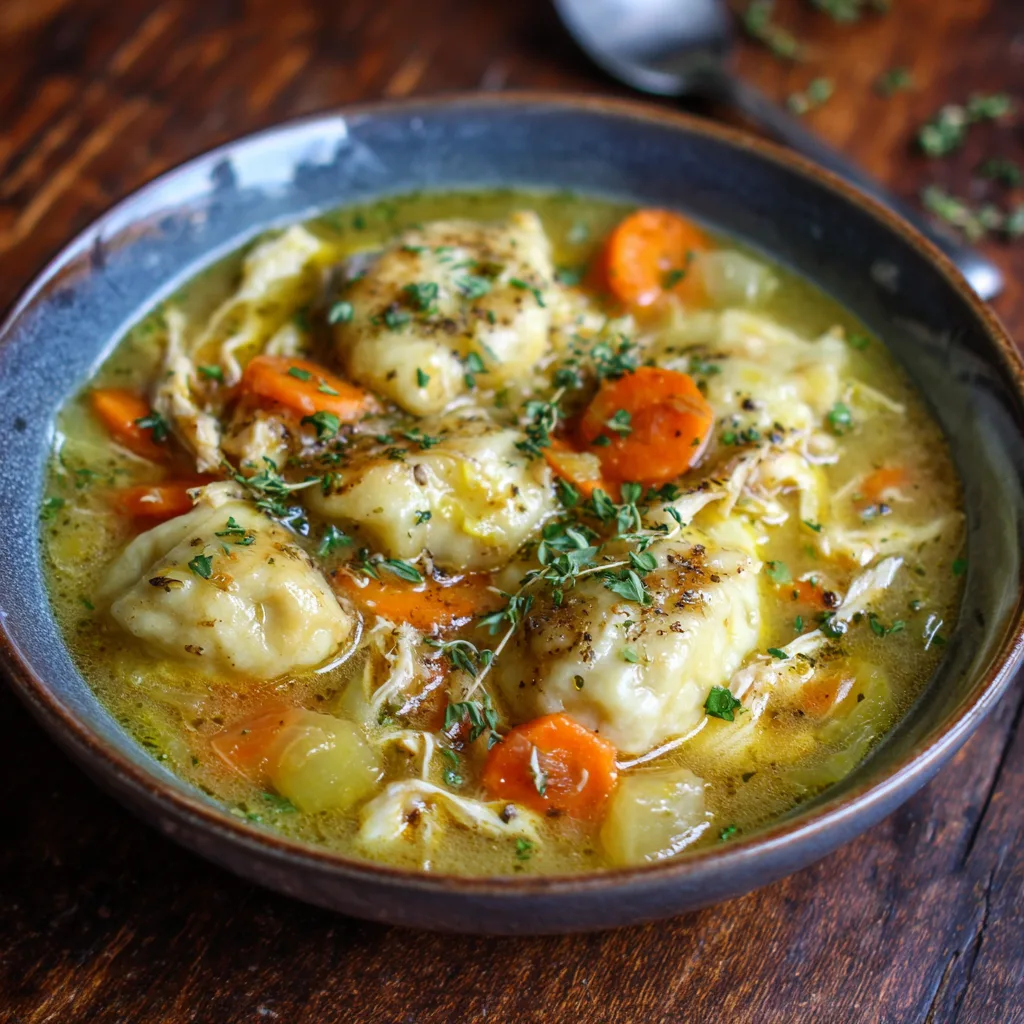
Instructions
1. Set the Foundation: Add the diced onion, carrots, celery, and minced garlic to the bottom of a 6-quart slow cooker. Place the chicken breasts or thighs on top of the vegetables.
2. Add Liquids and Seasonings: In a separate bowl, whisk together the chicken broth, cream of chicken soup (or half-and-half), dried thyme, dried parsley, salt, and pepper. Pour this mixture over the chicken and vegetables in the slow cooker, ensuring the chicken is mostly submerged.
3. Slow Cook: Cover the slow cooker and cook on LOW for 6 to 8 hours or on HIGH for 3 to 4 hours. The chicken is done when it is fork-tender and shreds easily.
4. Shred and Thicken: Remove the cooked chicken from the slow cooker and place it on a cutting board. Shred the chicken using two forks, then return the shredded meat to the slow cooker. If the stew is not as thick as desired, whisk 2 tablespoons of cornstarch with 2 tablespoons of cold water to create a slurry. Stir the slurry into the stew until combined.
5. Prepare the Dumplings: While the stew is simmering on HIGH (if using a low setting, switch it to HIGH now for the final hour), prepare the dumpling dough. In a medium bowl, whisk together the flour, baking powder, and salt. Cut in the cold butter (or mix in the oil) using a pastry blender or your fingers until the mixture resembles coarse crumbs. Gently stir in the milk until a soft, slightly sticky dough forms. Do not overmix.
6. Cook the Dumplings: Drop the dumpling dough by the tablespoonful directly onto the simmering stew, spacing them slightly apart. Stir in the frozen peas.
7. The “No-Peek” Finish: Immediately cover the slow cooker again and cook on HIGH for 60 to 90 minutes, or until the dumplings are light, fluffy, and cooked through. Crucially, do not lift the lid during this time. The dumplings rely on the steam generated inside the crockpot to cook properly. Check for doneness by inserting a toothpick into the center of a dumpling; if it comes out clean, they are ready. Serve immediately.
The Foundation: Building a Flavorful Broth Base
The depth of flavor in chicken and dumpling soup rests almost entirely on the quality of its creamy, seasoned broth. Achieving this savory liquid gold in a slow cooker requires understanding the role of each component, from the protein to the thickener.
The Best Chicken for Slow Cooking
While boneless, skinless chicken breasts are a lean and popular choice, boneless, skinless chicken thighs often yield a richer, more flavorful, and less dry result in the slow cooker due to their higher fat content. Using a mix of both breasts and thighs offers a balance of texture and richness. For maximum flavor impact, especially if you have an insert that can be used on the stovetop, lightly searing the chicken before adding the liquids can create a layer of fond—caramelized bits of protein—that, when deglazed with the broth, adds substantial depth.
Liquid Base: Richness vs. Simplicity
Top recipes often fall into two camps regarding the liquid base:
-
The Convenience Base: This relies on condensed creamy soups (like Cream of Chicken or Cream of Celery). These add instant creaminess, salt, and thickening without any extra steps, making it the fastest method.
-
The Scratch Base: This uses pure chicken broth, sometimes fortified with a little water or bouillon, and relies on an added dairy component like half-and-half or heavy cream (added toward the end) to achieve richness, along with a cornstarch or flour slurry for thickening. While requiring slightly more effort, this approach allows for greater control over sodium and flavor purity.
For an optimized balance, using a mix of broth and a single can of condensed soup, or using a full scratch base and thickening with a cornstarch slurry and a touch of cream at the end, provides a superior, tailor-made result. The addition of aromatic vegetables—the classic mirepoix (onion, carrot, celery)—is non-negotiable for traditional flavor.
Mastering the Dumplings: Scratch vs. Canned Convenience
The “dumpling” component of this soup defines the dish, and deciding between homemade drop dumplings and the popular canned biscuit shortcut is the recipe’s biggest choice. Both offer unique textures, but the true culinary experience often points to scratch-made dough.
The Art of the Scratch Drop Dumpling
Scratch dumplings are typically lighter, softer, and absorb the soup’s flavor more completely. The key is in the preparation:
-
Cold Fat: Using cold butter, cut into small pieces and cut into the flour, prevents it from melting and helps create steam pockets during cooking, leading to a tender, fluffy interior.
-
Minimal Mixing: Over-mixing the dough develops gluten, resulting in tough, dense dumplings. Mix only until the wet and dry ingredients are just combined. A shaggy, soft dough is the goal.
-
Dough Texture: The dough should be soft enough to drop easily by the spoonful but firm enough to hold its shape. If it’s too stiff, add a tiny splash more milk; too wet, add a teaspoon of flour.
The Canned Biscuit Shortcut
The refrigerated biscuit method is unbeatable for speed and convenience, popular in many high-ranking recipes. To ensure they cook through and absorb the broth properly, follow these critical steps:
-
Flatten and Cut: Do not simply drop whole biscuits into the stew. Unroll each biscuit, flatten it slightly, and cut it into four to eight smaller pieces. This increases the surface area for cooking and absorption.
-
Avoid Flaky Varieties: Opt for plain buttermilk, country, or homestyle biscuits. Flaky varieties tend to separate and can dissolve or become unevenly cooked in the slow cooker environment.
The Crucial “No-Peek” Rule
Regardless of the dumpling type chosen, the “No-Peek” rule is essential for success. Dumplings cook via steaming, not boiling. Lifting the slow cooker lid releases heat and steam, dropping the internal temperature significantly. This loss of heat can cause the dumplings to collapse, become gummy, or fail to cook through. Once the dumplings are added, keep the lid firmly in place for the entire cook time (60 to 90 minutes).
Essential Slow Cooker Techniques and Timing
The slow cooker is a tool of convenience, but precise timing is necessary for the final, delicate stage of cooking the dumplings. Proper temperature management and thickening are the keys to a perfect, hearty soup rather than a watery stew.
Optimizing the Cook Cycle
The initial long cook time (4-8 hours) is for breaking down the chicken and allowing the base flavors to meld. However, the last phase—dumpling cooking—must occur at a high, consistent temperature.
Timing Checkpoints:
-
Main Cook: Cook chicken and base vegetables on LOW (6-8 hours) or HIGH (3-4 hours).
-
Shred and Thicken: Once the chicken is shredded and returned, it’s the ideal time to add a thickening agent. If you cooked on LOW, now is the time to switch the setting to HIGH.
-
Dumpling Drop: The stew must be actively simmering (or bubbling gently around the edges) before the dumplings are added. This ensures the steam necessary for cooking is generated immediately.
Achieving Perfect Thickness
A soup consistency is typically achieved with more liquid than a stew, but for chicken and dumpling soup, a gravy-like viscosity is often preferred.
-
Cornstarch Slurry: The most effective and reliable thickener for the slow cooker. Mix 1 part cornstarch to 1 part cold water (e.g., 2 tablespoons of each) and stir into the hot liquid. It thickens quickly and holds up well.
-
Flour Roux: While often used in stovetop recipes, adding a flour roux directly to the cold crockpot ingredients can sometimes lead to lumps. If using flour, it’s best to create a slurry with melted butter or oil before adding it to the pot.
-
Dairy Integration: If using half-and-half or cream for richness, stir it in just after shredding the chicken and before adding the dumplings. To prevent curdling, avoid adding cream during the initial long cook cycle, especially if cooking on high.
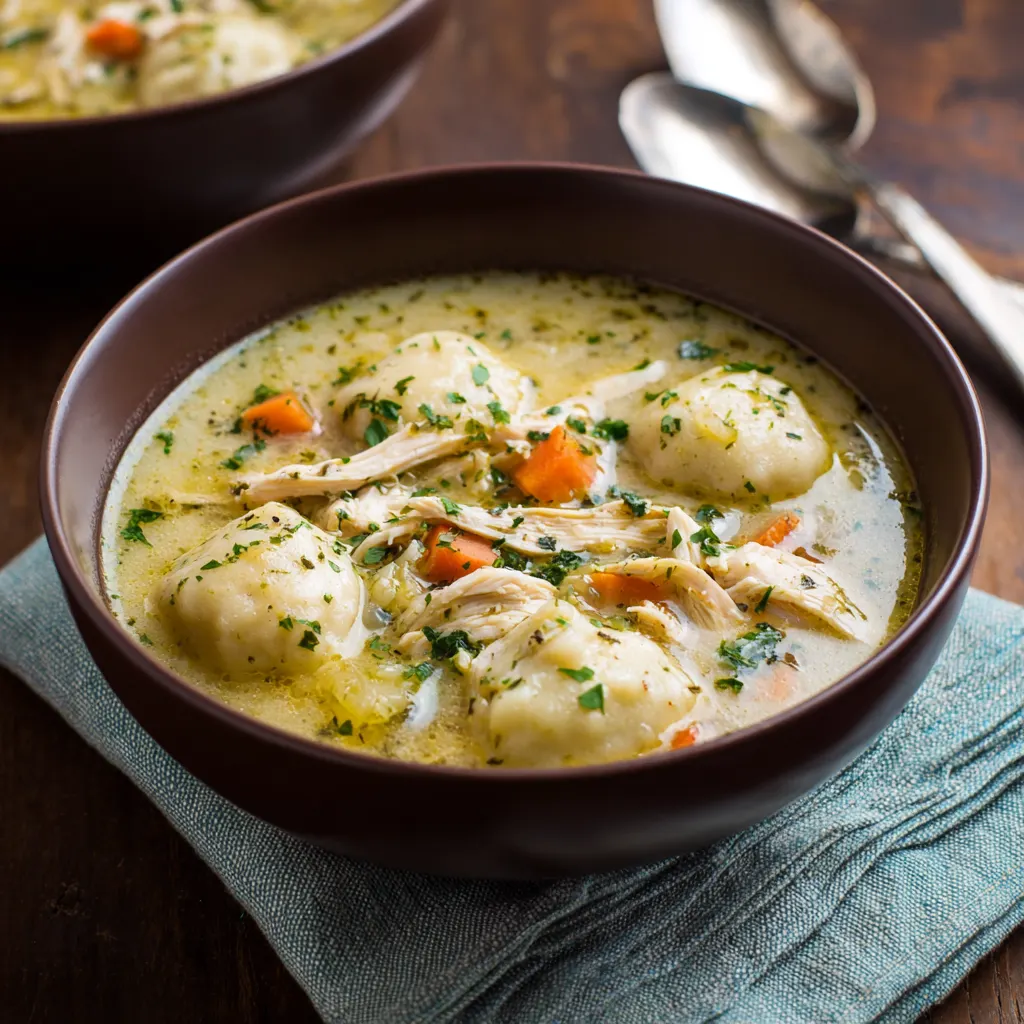
Customization, Variations, and Dietary Swaps
An optimized recipe is adaptable. Crockpot Chicken and Dumpling Soup offers versatility, allowing cooks to adjust the recipe based on preference, seasonal availability, or dietary needs.
Vegetable and Herb Enhancements
While the base mirepoix (onion, carrot, celery) is standard, other vegetables add texture and nutrition:
-
Potatoes: Adding diced Yukon gold or red potatoes at the start of the cooking process makes the soup even heartier.
-
Mushrooms: Sliced button or cremini mushrooms, sautéed briefly beforehand, introduce an earthy, umami depth.
-
Greens: Spinach or kale can be stirred in during the last 15 minutes of cooking for a nutrient boost and a pop of color.
-
Herb Boosters: Dried herbs like thyme and parsley are standard, but a bay leaf added at the start and removed before serving deepens the savory notes. For a slightly bolder taste, a small dash of Worcestershire sauce or even a pinch of mustard powder acts as an excellent flavor enhancer without being overtly noticeable.
Dietary Adjustments and Substitutions
-
Dairy-Free: Substitute the half-and-half or cream with full-fat canned coconut milk (which provides richness without a strong coconut flavor) or an unsweetened plant-based milk. Thicken the base using a cornstarch or gluten-free flour slurry.
-
Gluten-Free: For the stew, use gluten-free chicken broth. For the dumplings, utilize a 1-for-1 gluten-free flour blend, following the scratch recipe instructions closely, as the texture may differ slightly.
-
Time-Saving Protein: Leftover rotisserie chicken or pre-cooked chicken can be used. Add it to the slow cooker only during the last 60–90 minutes of the primary cook time to prevent it from becoming dry.
Serving Suggestions and Proper Storage
Completing the perfect dish involves presentation and practical knowledge of storage to ensure leftovers remain delicious and safe.
Optimal Serving and Pairings
This soup is a full, balanced meal in itself, but a garnish elevates the final presentation and flavor. A generous sprinkle of fresh chopped parsley or chives adds brightness and cuts through the soup’s richness.
Ideal Side Dishes:
-
Crusty Bread: Essential for soaking up the savory broth.
-
Simple Green Salad: A light, vinegary salad provides a fresh contrast to the creamy, heavy soup.
-
Cornbread: The slightly sweet and crumbly texture of cornbread is a classic pairing for chicken and dumplings.
Storage and Reheating Best Practices
Chicken and dumpling soup stores well, but the dumplings require special attention.
-
Refrigeration: Store leftovers in an airtight container in the refrigerator for up to 3 to 4 days.
-
Freezing Warning: The creamy base can sometimes separate upon thawing, and the dumplings often become mushy or disintegrate entirely when frozen and reheated. If planning to freeze the soup, it is highly recommended to freeze the chicken and vegetable base without the dumplings, and make a fresh batch of dumplings when reheating the soup.
-
Reheating: For the best results, reheat the soup slowly on the stovetop over medium-low heat. This allows the broth to warm evenly without scorching or causing the dairy to curdle. If the dumplings seem too firm, cover the pot briefly while reheating to steam them slightly. Alternatively, single servings can be reheated in the microwave. The soup may thicken considerably upon standing; add a splash of extra broth or water when reheating to restore the desired consistency.