Crockpot Pulled Pork: The Ultimate Guide to Tender, Flavorful Perfection
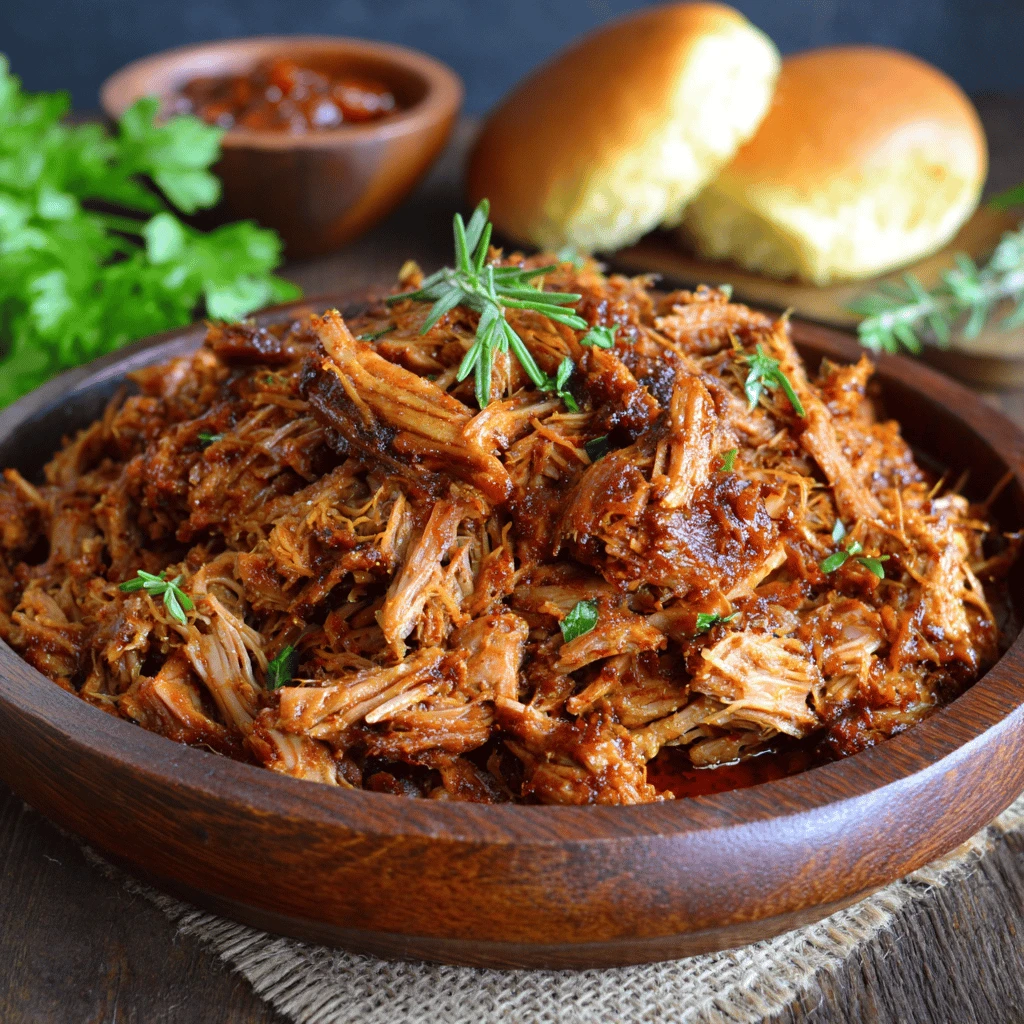
Pulled pork is a barbecue classic, and making it in a slow cooker ensures incredibly tender and flavorful results. This comprehensive guide will walk you through everything you need to know to create the perfect crockpot pulled pork, from selecting the right cut of meat to serving suggestions that will impress your guests.
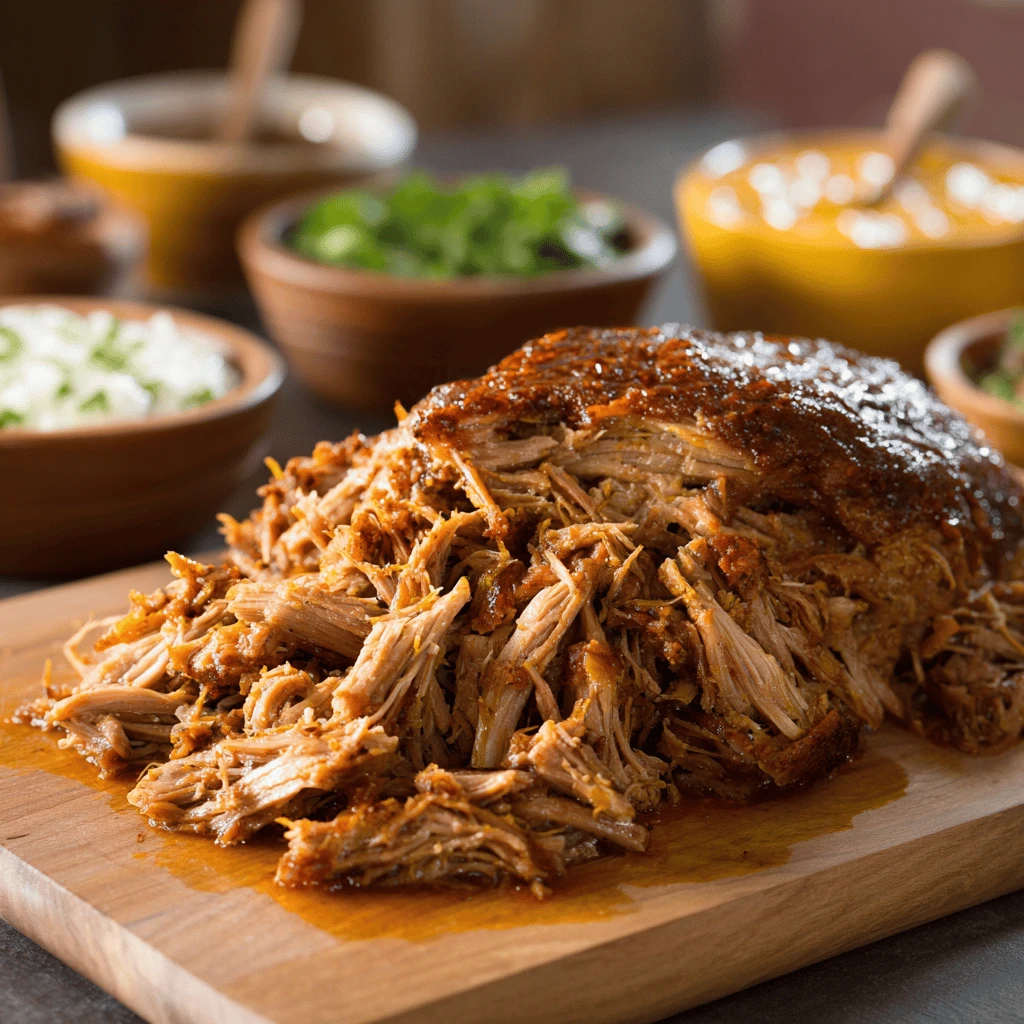
1. Choosing the Right Pork for Pulled Pork
The key to amazing pulled pork starts with selecting the right cut of meat. While several options exist, pork shoulder is the undisputed champion for slow cooking.
Pork Shoulder vs. Pork Loin: Understanding the Difference
Pork shoulder, also known as Boston butt (despite coming from the shoulder), is the ideal choice. It contains a generous amount of fat and connective tissue, which renders down during the long cooking process, resulting in a moist and tender final product.
Pork loin, on the other hand, is much leaner. While it can be cooked in a slow cooker, it’s more prone to drying out and won’t achieve the same melt-in-your-mouth texture as pork shoulder. Avoid pork loin for pulled pork.
Bone-In vs. Boneless Pork Shoulder
Both bone-in and boneless pork shoulder work well for pulled pork. Bone-in generally imparts slightly more flavor due to the marrow and bone, but it can be a bit trickier to shred. Boneless is convenient and easy to work with, offering a consistent shape for even cooking. Ultimately, the choice depends on your preference.
Trimming the Pork Shoulder
Some pork shoulders have a thick fat cap. While some fat is desirable for flavor and moisture, an excessively thick layer can prevent the seasoning from penetrating the meat. Trim the fat cap to about 1/4 inch thick. This allows the spices to reach the meat while still providing enough fat for rendering.
2. Crafting the Perfect Dry Rub and Sauce
The flavor of your pulled pork largely depends on the dry rub and sauce you use. Experimentation is key, but here’s a solid foundation to start with.
The Essential Dry Rub
A good dry rub should be a balanced blend of sweet, savory, and spicy elements. Here’s a base recipe:
- Brown Sugar: Provides sweetness and helps create a beautiful bark.
- Paprika: Adds color and smoky flavor. Use smoked paprika for an extra layer of depth.
- Garlic Powder & Onion Powder: Essential for savory flavor.
- Chili Powder: Contributes warmth and a subtle kick.
- Cumin: Adds earthiness and complexity.
- Salt & Black Pepper: Enhances all the other flavors.
- Cayenne Pepper (Optional): For extra heat.
Combine all ingredients in a bowl and mix well. Generously rub the mixture all over the pork shoulder, ensuring every surface is coated. Let the pork sit with the rub for at least 30 minutes, or ideally overnight, in the refrigerator. This allows the flavors to penetrate the meat.
Choosing or Making Your BBQ Sauce
While the dry rub provides a foundation of flavor, the BBQ sauce adds the finishing touch. You can use your favorite store-bought sauce or create your own. There are generally two types of sauce styles to use.
For those who prefer store bought, aim for flavors like:
- Classic Tomato-Based BBQ Sauce: Sweet, tangy, and slightly smoky.
- Vinegar-Based BBQ Sauce: Tangy and zesty, a great counterpoint to the richness of the pork.
- Mustard-Based BBQ Sauce: A Southern favorite, with a distinctive tangy flavor.
If you prefer to make your own, here’s a basic recipe for a tomato-based BBQ sauce:
- Ketchup: The base of the sauce.
- Apple Cider Vinegar: Adds tanginess and cuts through the richness.
- Brown Sugar or Molasses: Provides sweetness and depth of flavor.
- Worcestershire Sauce: Adds umami and complexity.
- Smoked Paprika: Enhances the smoky flavor.
- Garlic Powder & Onion Powder: For savory flavor.
- Chili Powder: Contributes warmth.
- Salt & Black Pepper: To taste.
Combine all ingredients in a saucepan and simmer over low heat for 15-20 minutes, or until slightly thickened.
3. Slow Cooking to Perfection
Now that you’ve prepped the pork and chosen your flavors, it’s time to let the slow cooker work its magic.
Preparing the Crockpot
Lightly spray the inside of your slow cooker with cooking spray to prevent sticking. You can also use slow cooker liners for easy cleanup.
Adding Liquid (or Not?)
Opinions vary on whether to add liquid to the crockpot when cooking pulled pork. The pork shoulder will release a significant amount of liquid as it cooks, so adding more isn’t strictly necessary. However, a little liquid can help keep the meat moist and prevent it from scorching if your slow cooker tends to run hot.
If you choose to add liquid, consider using:
- Apple Cider Vinegar: Adds tanginess and helps break down the meat.
- Chicken Broth or Pork Broth: Adds depth of flavor.
- Beer: Creates a rich and complex flavor profile.
- Water: A neutral option if you prefer to let the dry rub and sauce flavors shine through.
Pour about 1/2 to 1 cup of liquid into the bottom of the slow cooker.
Slow Cooking Time and Temperature
Place the seasoned pork shoulder in the slow cooker. Cook on low for 8-10 hours, or on high for 4-6 hours. The pork is done when it’s fork-tender and easily pulls apart. Internal temperature should reach 195-205°F (90-96°C) for optimal tenderness.
Don’t Peak!
Resist the urge to open the lid of the slow cooker frequently. Each time you open the lid, you release heat and extend the cooking time.
4. Shredding and Serving Your Pulled Pork
Once the pork is cooked to perfection, it’s time to shred it and prepare it for serving.
Shredding the Pork
Remove the pork shoulder from the slow cooker and place it on a cutting board. Let it rest for 15-20 minutes before shredding. This allows the juices to redistribute, resulting in more moist and flavorful pulled pork.
Use two forks to pull the pork apart. Discard any large pieces of fat or gristle.
Mixing with Sauce
Once the pork is shredded, mix it with your chosen BBQ sauce. Start with a small amount of sauce and add more to taste, ensuring the pork is evenly coated. Some people prefer to add a bit of the cooking liquid from the slow cooker to the shredded pork for extra moisture and flavor.
Serving Suggestions
Pulled pork is incredibly versatile and can be served in countless ways. Here are a few ideas:
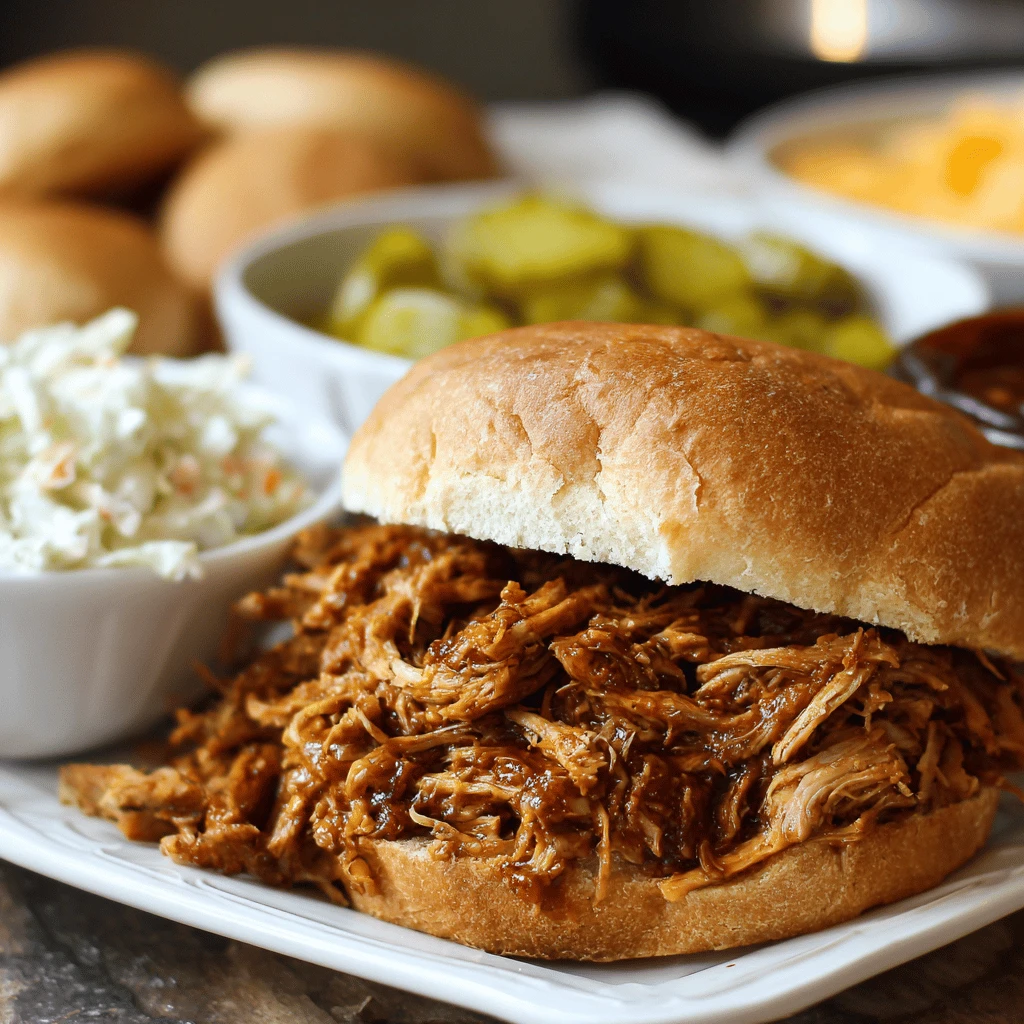
- Pulled Pork Sandwiches: The classic choice! Serve on buns with coleslaw and your favorite toppings.
- Pulled Pork Sliders: Perfect for parties or appetizers.
- Pulled Pork Tacos: A delicious twist on taco night.
- Pulled Pork Nachos: Load up tortilla chips with pulled pork, cheese, and all your favorite nacho toppings.
- Pulled Pork Bowls: Combine pulled pork with rice, beans, and your favorite toppings for a healthy and flavorful meal.
- Pulled Pork Pizza: A surprisingly delicious combination.
Side Dish Pairings
Complete your pulled pork meal with these classic side dishes:
- Coleslaw: A must-have for pulled pork sandwiches.
- Mac and Cheese: A comforting and crowd-pleasing side.
- Baked Beans: A barbecue staple.
- Corn on the Cob: A seasonal favorite.
- Potato Salad: A classic summer side dish.
5. Storage and Reheating Tips
Pulled pork is great for making ahead of time or for leftovers.
Storing Pulled Pork
Store leftover pulled pork in an airtight container in the refrigerator for up to 3-4 days. For longer storage, freeze it in freezer-safe bags or containers for up to 2-3 months.
Reheating Pulled Pork
There are several ways to reheat pulled pork:
- Microwave: The quickest option, but can sometimes dry out the pork. Add a splash of liquid (broth or water) to help retain moisture.
- Oven: Reheat in a covered baking dish at 250°F (120°C) until warmed through. Add a splash of liquid to prevent drying.
- Slow Cooker: Reheat on low in the slow cooker with a little liquid.
- Stovetop: Reheat in a skillet over medium heat with a little liquid.
Frequently Asked Questions
Q: Can I use a different cut of pork?
While pork shoulder is the best choice, you could use pork sirloin roast. However, be very careful not to overcook, and expect a drier result. It’s best to stick with pork shoulder/Boston butt for best results.
Q: How do I prevent my pulled pork from drying out?
Don’t overcook it. Ensure the internal temperature reaches 195-205°F (90-96°C). Also, don’t skip the resting period after cooking. Adding a little liquid to the slow cooker can also help.
Q: Can I make pulled pork without BBQ sauce?
Absolutely! Pulled pork is delicious with just the dry rub. Serve it with coleslaw or other toppings.
Q: Can I add vegetables to the slow cooker?
Yes, you can add vegetables like onions, peppers, and garlic to the bottom of the slow cooker for added flavor.
Q: What can I do with leftover pulled pork?
Leftover pulled pork can be used in tacos, nachos, pizza, sandwiches, salads, and more. Get creative!