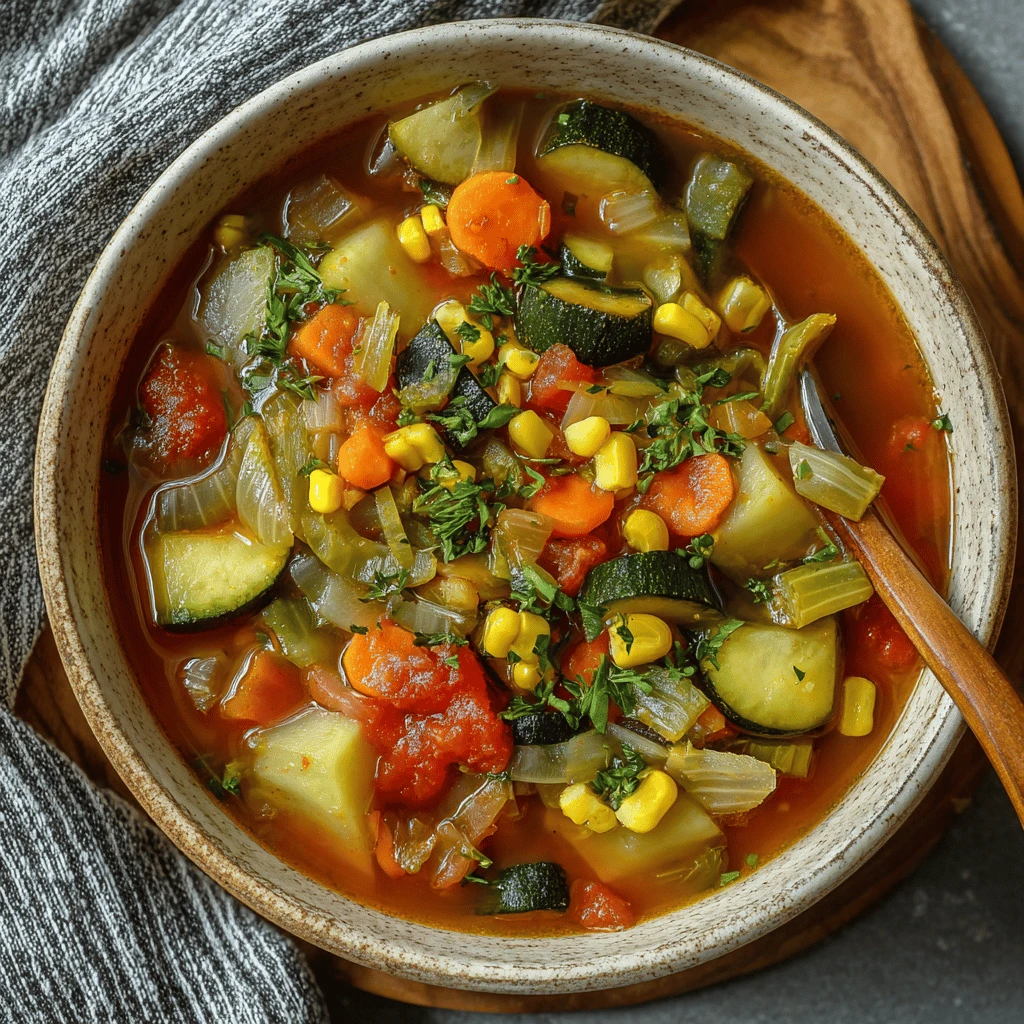
Crockpot Vegetable Soup: A Hearty and Healthy Delight
Vegetable soup is a timeless classic, a comforting dish that nourishes both body and soul. And what better way to prepare it than in a crockpot? This slow-cooking method allows flavors to meld together beautifully, resulting in a rich and satisfying soup that’s perfect for a chilly evening or a busy weeknight. This guide will walk you through crafting the perfect crockpot vegetable soup, from selecting your ingredients to customizing it to your liking.
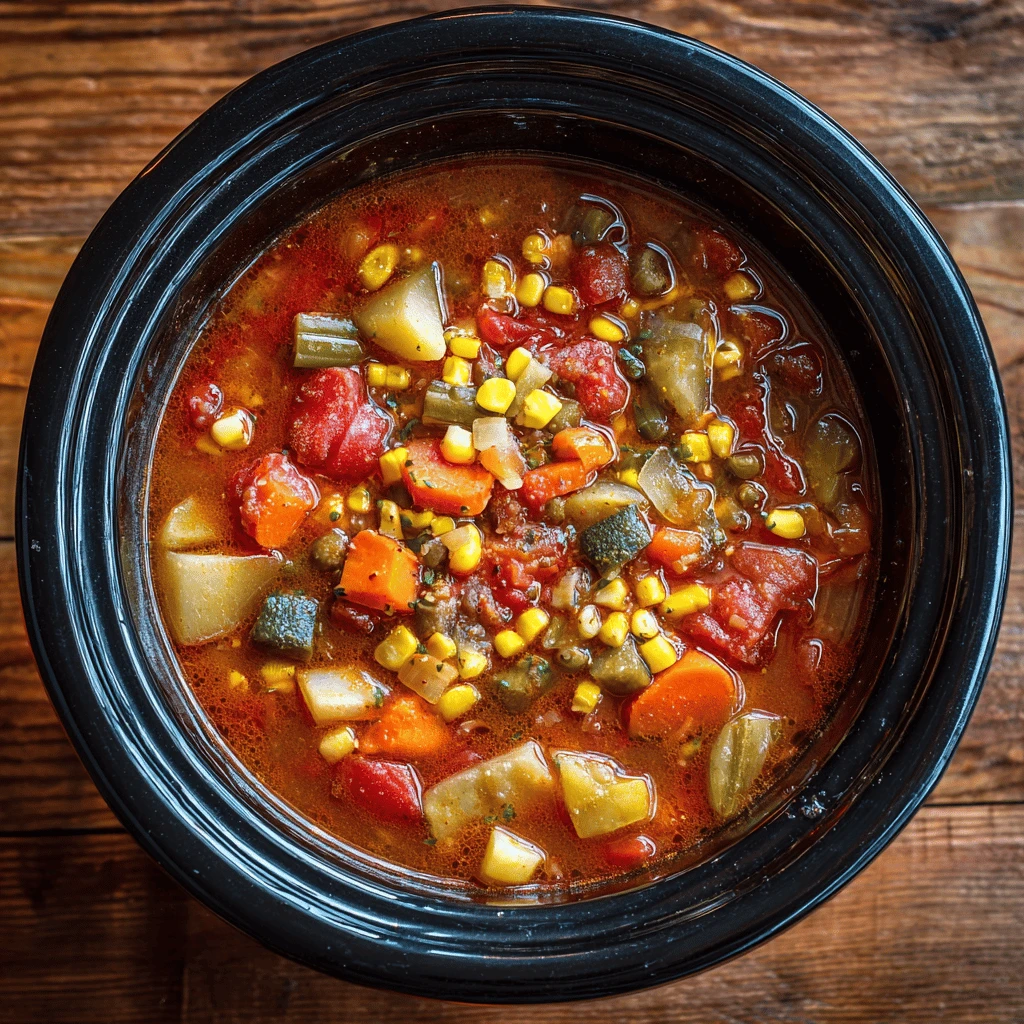
The Allure of Crockpot Vegetable Soup
Why choose a crockpot for vegetable soup? The benefits are numerous:
- Convenience: Simply toss your ingredients into the pot, set it, and forget it! The crockpot does all the work, freeing you up to tackle other tasks.
- Flavor Depth: Slow cooking allows vegetables to release their natural sweetness and create a more complex and flavorful broth.
- Nutrient Retention: Gentle simmering helps preserve the vitamins and minerals in your vegetables, making for a healthier meal.
- Versatility: Vegetable soup is incredibly adaptable. You can use whatever vegetables you have on hand, making it a great way to reduce food waste.
- Budget-Friendly: Vegetable soup is an economical meal, especially when using seasonal produce or frozen vegetables.
Building Your Soup: Ingredients and Preparation
The beauty of vegetable soup lies in its adaptability. There are no hard and fast rules, so feel free to experiment with different combinations of vegetables and seasonings. However, here are some essential components to consider:
The Foundation: Aromatics and Broth
-
- Aromatics: These form the base of your soup’s flavor.
Onion: Adds a savory and slightly sweet note. Yellow or white onions work well.
Garlic: Provides a pungent and aromatic flavor.
Celery: Contributes a subtle celery flavor and adds texture.
Carrots: Impart sweetness and color to the soup.
-
- Broth: The liquid base of your soup.
Vegetable Broth: A classic choice that enhances the vegetable flavors. Use low-sodium broth to control the salt content.
Chicken Broth: Adds richness and depth of flavor.
Beef Broth: For a heartier soup, beef broth can be a good option.
Water: Can be used as a base, but you may need to add more seasonings to compensate for the lack of flavor.
The Stars: Your Vegetables
-
- Root Vegetables: These provide substance and heartiness.
Potatoes: Russet, Yukon Gold, or red potatoes all work well. Cut them into bite-sized pieces.
Sweet Potatoes: Add sweetness and a vibrant orange color.
Turnips: Offer a slightly peppery flavor.
Parsnips: Sweet and earthy, similar to carrots.
-
- Other Vegetables: The possibilities are endless!
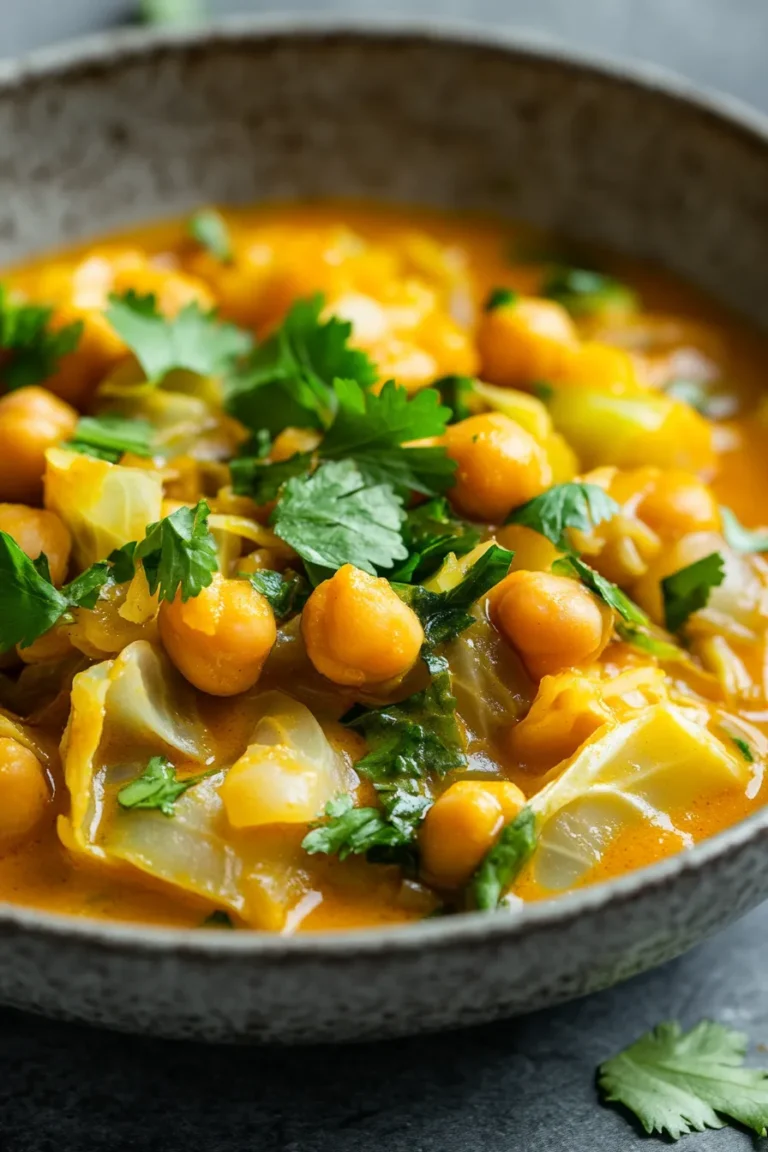
Cabbage: Adds a subtle sweetness and texture.
Green Beans: Provide a crisp and fresh flavor.
Corn: Adds sweetness and pops of color.
Peas: Add sweetness and a vibrant green color.
Zucchini: Mild and versatile, it blends well with other flavors.
Spinach: Adds nutrients and wilts down nicely.
Tomatoes: Diced tomatoes or crushed tomatoes add acidity and richness.
Enhancing the Flavor: Herbs and Spices
-
- Dried Herbs: Add depth and complexity to the soup.
Bay Leaf: Adds a subtle, savory flavor (remove before serving).
Thyme: Earthy and aromatic.
Oregano: Adds a classic Italian flavor.
Rosemary: Pungent and piney (use sparingly).
Italian Seasoning: A convenient blend of herbs.
-
- Fresh Herbs: Add a bright and fresh flavor. Add them towards the end of cooking.
Parsley: Adds a fresh, clean flavor.
Cilantro: Adds a bright, citrusy flavor.
Basil: Adds a sweet and aromatic flavor.
-
- Spices: Add warmth and complexity.
Salt and Pepper: Essential for seasoning.
Paprika: Adds a smoky or sweet flavor.
Garlic Powder: Enhances the garlic flavor.
Onion Powder: Enhances the onion flavor.
Red Pepper Flakes: Adds a touch of heat.
Preparing Your Vegetables
- Wash all vegetables thoroughly.
- Chop vegetables into bite-sized pieces. Uniformity in size ensures even cooking.
- Consider the cooking time of different vegetables. Root vegetables take longer to cook than leafy greens, so add them earlier in the process. Softer vegetables should be added closer to the end, otherwise, they might become too mushy.
- Don’t overcrowd the crockpot. Overcrowding can prevent the vegetables from cooking evenly.
The Crockpot Process: Cooking Your Soup
Now that you have your ingredients prepped, it’s time to assemble your soup in the crockpot.
1. Sauté Aromatics (Optional): While not essential, sautéing the onions, garlic, celery, and carrots in a pan with a little olive oil before adding them to the crockpot can enhance their flavor. Cook until softened, about 5-7 minutes.
2. Layer the Ingredients: Place the aromatics (sautéed or raw) in the bottom of the crockpot. Add the root vegetables, followed by the remaining vegetables.
3. Add Broth and Seasonings: Pour the broth over the vegetables, ensuring they are mostly covered. Add the dried herbs, spices, salt, and pepper.
4. Cook: Cover the crockpot and cook on low for 6-8 hours or on high for 3-4 hours, or until the vegetables are tender.
5. Add Delicate Vegetables and Fresh Herbs: During the last 30-60 minutes of cooking, add any delicate vegetables like spinach or zucchini, as well as fresh herbs.
6. Taste and Adjust: Once the soup is cooked, taste it and adjust the seasonings as needed. You may need to add more salt, pepper, or herbs to achieve the desired flavor.
Customizing Your Crockpot Vegetable Soup
Vegetable soup is a blank canvas, allowing you to create a soup that perfectly suits your taste. Here are some ideas for customization:
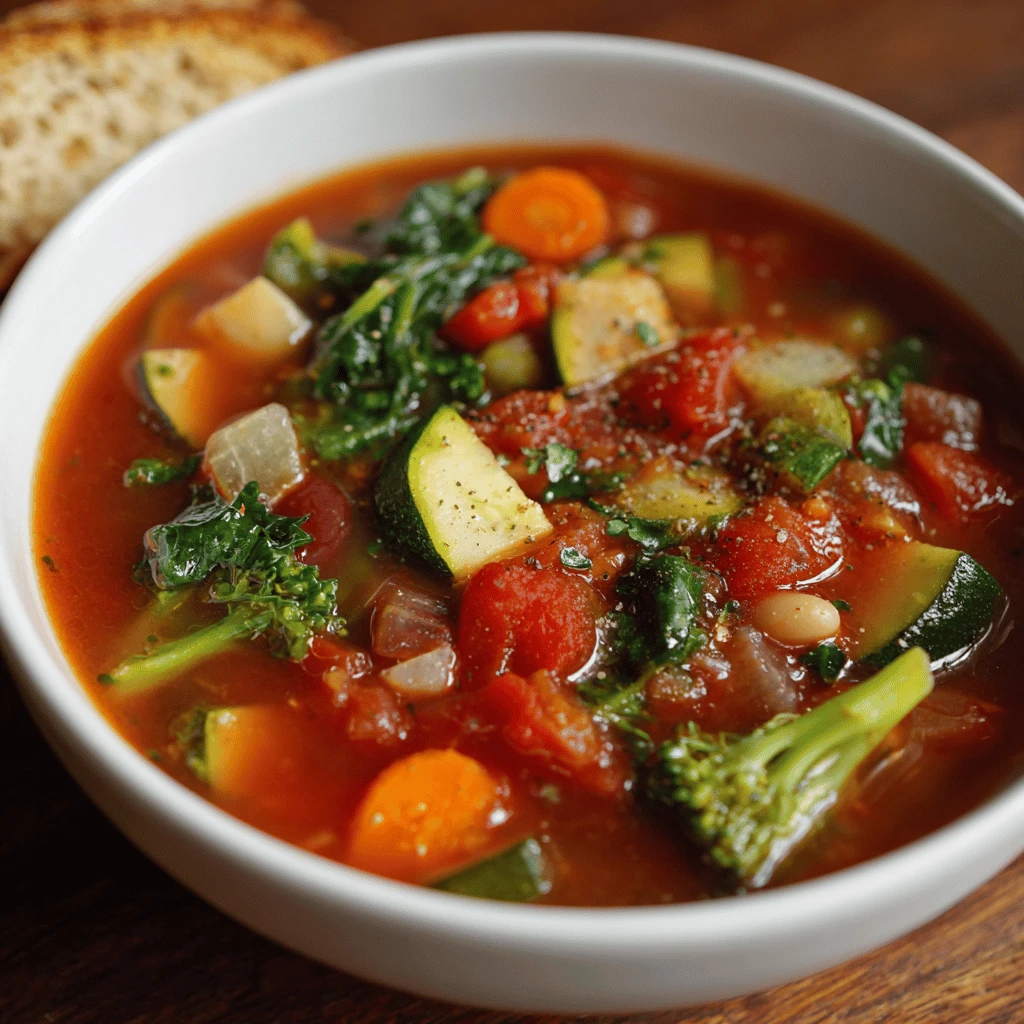
Adding Protein
- Beans: Add canned or cooked beans, such as kidney beans, pinto beans, or cannellini beans, for added protein and fiber.
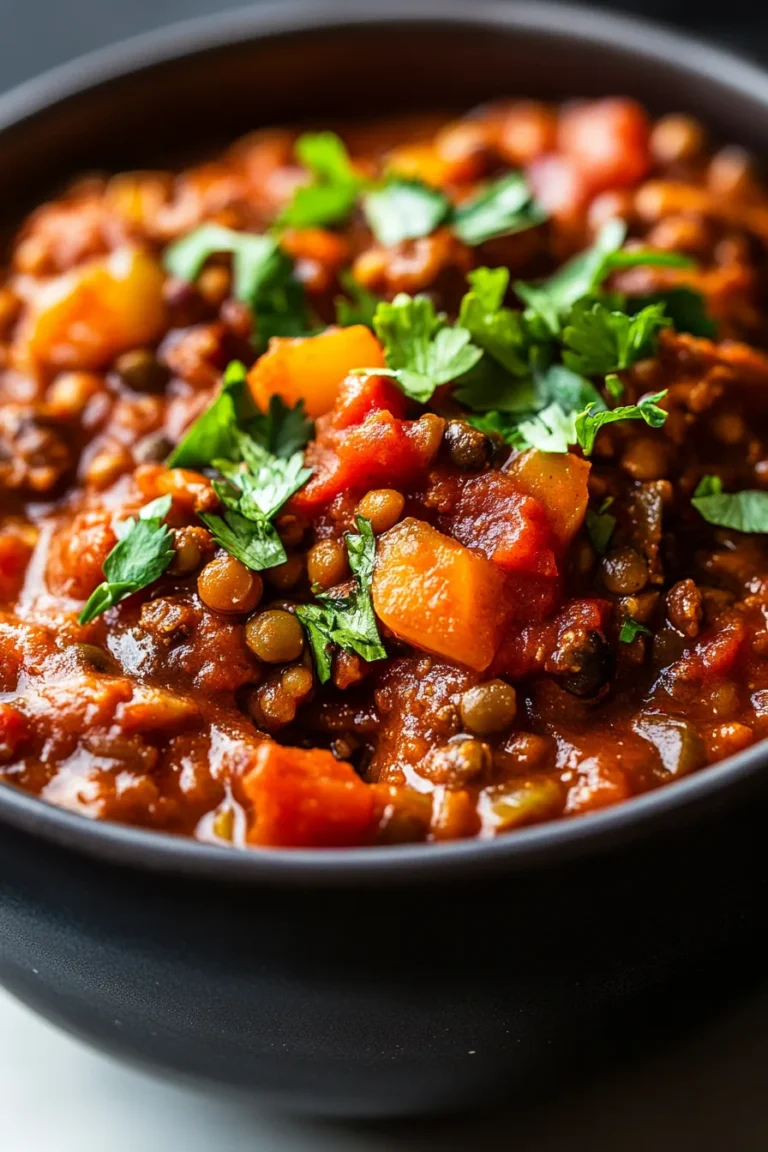
- Lentils: Lentils cook quickly and add a hearty texture to the soup.
- Chicken: Add shredded cooked chicken for a more substantial meal.
- Sausage: Brown Italian sausage or kielbasa before adding it to the crockpot for a smoky flavor.
- Tofu: Add cubed tofu for a protein-rich, plant-based option.
Adding Grains
- Pasta: Add small pasta shapes, such as ditalini or elbow macaroni, during the last 30 minutes of cooking.
- Rice: Add cooked rice to the soup before serving.
- Quinoa: Adds protein and a slightly nutty flavor.
Making it Creamy
- Coconut Milk: Add coconut milk during the last 30 minutes of cooking for a creamy and dairy-free option.
- Heavy Cream: Stir in heavy cream before serving for a richer flavor.
- Pureed Vegetables: Puree a portion of the soup with an immersion blender or in a regular blender and stir it back into the pot for a thicker consistency.
Spice it Up
- Chili Powder: Add chili powder for a Southwestern flavor.
- Curry Powder: Add curry powder for an exotic twist.
- Hot Sauce: Add a few dashes of hot sauce for a kick.
Toppings and Serving Suggestions
- Fresh Herbs: Sprinkle with fresh parsley, cilantro, or basil before serving.
- Grated Cheese: Top with grated Parmesan cheese or cheddar cheese.
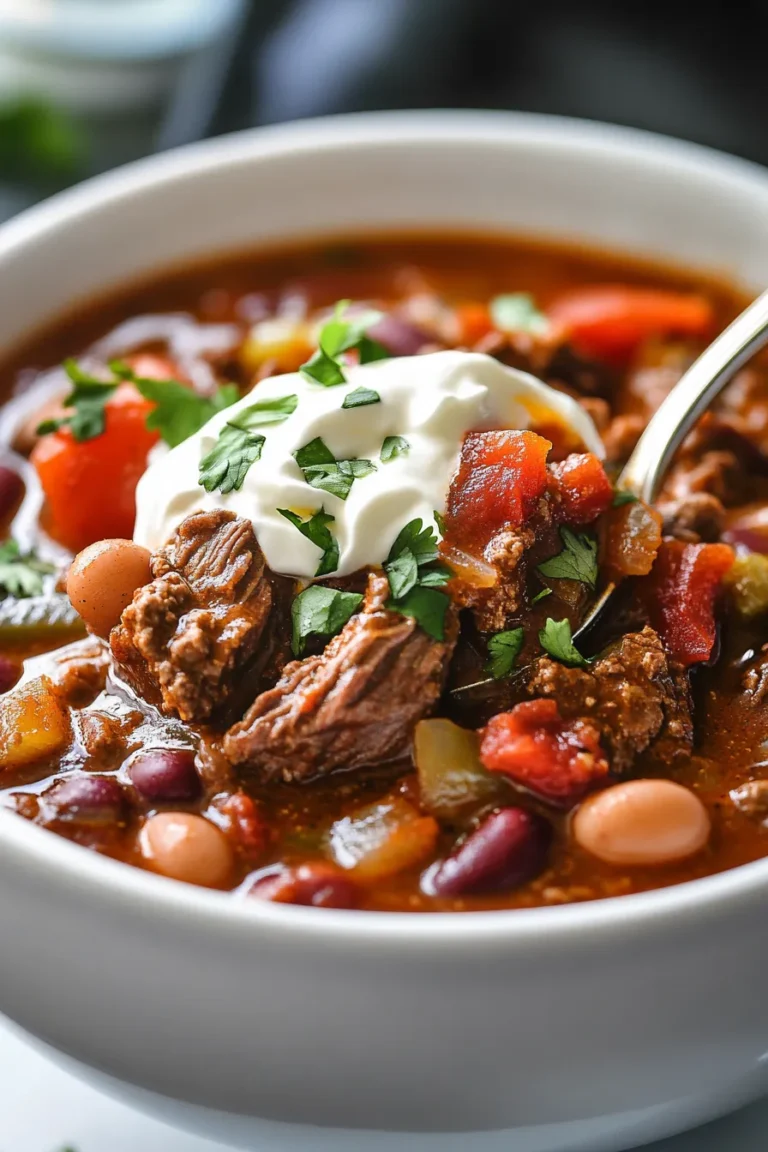
- Sour Cream or Yogurt: Add a dollop of sour cream or plain yogurt for creaminess.
- Croutons: Add croutons for a crunchy texture.
- Bread: Serve with crusty bread for dipping.
Tips and Tricks for Crockpot Vegetable Soup Success
- Don’t overfill the crockpot: Leave about an inch of space at the top to prevent spills.
- Avoid lifting the lid frequently: Each time you lift the lid, you release heat and increase the cooking time.
- Adjust cooking time based on your crockpot: Crockpots can vary in temperature, so adjust the cooking time accordingly.
- Use frozen vegetables: Frozen vegetables are a convenient and affordable option.
- Store leftovers properly: Store leftover soup in an airtight container in the refrigerator for up to 3-4 days.
Frequently Asked Questions (FAQ)
- Can I freeze crockpot vegetable soup? Yes, vegetable soup freezes well. Allow the soup to cool completely before transferring it to freezer-safe containers or bags. Freeze for up to 2-3 months.
- How do I thicken my vegetable soup? You can thicken vegetable soup by adding a cornstarch slurry (mix 1 tablespoon of cornstarch with 2 tablespoons of cold water) to the soup during the last 30 minutes of cooking. Alternatively, you can puree a portion of the soup and stir it back into the pot.
- Can I use canned vegetables in crockpot vegetable soup? Yes, canned vegetables can be used in crockpot vegetable soup. However, they may be softer than fresh or frozen vegetables. Add them during the last hour of cooking.
- Can I make this soup vegetarian or vegan? Absolutely! Simply use vegetable broth and omit any animal products, such as meat or dairy.
- How do I prevent my vegetables from becoming mushy? Avoid overcooking the soup. Add delicate vegetables, such as zucchini and spinach, during the last 30-60 minutes of cooking.