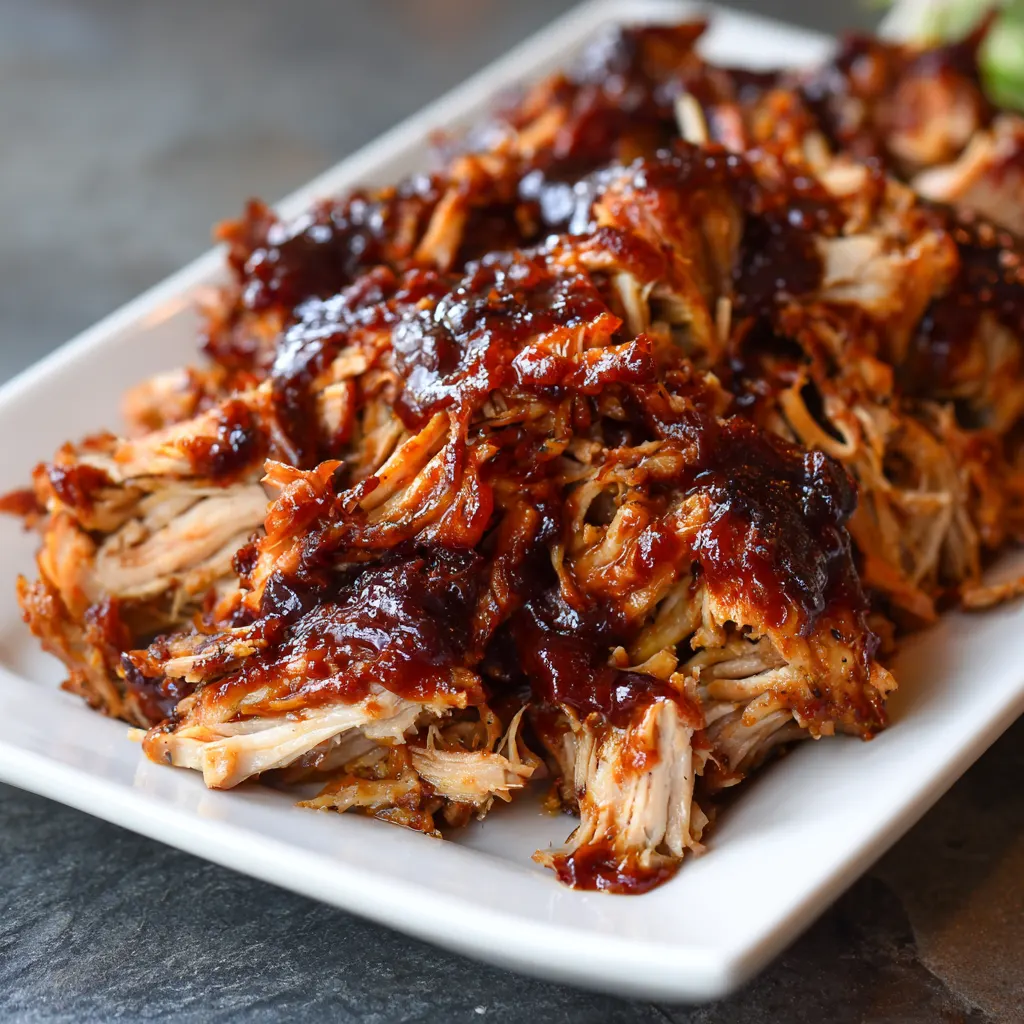
Few dishes evoke the comfort, ease, and crowd-pleasing appeal of classic barbecue pulled pork, and when prepared in a slow cooker, this culinary favorite becomes truly effortless. The combination of a fatty, collagen-rich cut of pork, a balanced spice rub, and a low-and-slow cooking environment results in meat so tender it practically dissolves under the slightest pressure. This method ensures maximum flavor infusion while demanding minimal hands-on time, allowing you to walk away and return hours later to a perfect meal. Whether you are hosting a casual gathering, prepping meals for the week, or simply craving smoky, savory goodness, this foolproof Crockpot BBQ Pork recipe is the only one you’ll ever need.
The Core Recipe: Ingredients & Instructions
This recipe uses simple pantry staples and a generous cut of meat to achieve a deeply flavorful result.
Ingredients
For the Pork and Rub:
-
4–5 lb. boneless pork shoulder (also called pork butt or Boston butt)
-
2 tablespoons kosher salt
-
1 tablespoon smoked paprika
-
1 tablespoon packed brown sugar
-
1 tablespoon garlic powder
-
1 teaspoon black pepper
-
1 teaspoon onion powder
-
1 large yellow onion, sliced into thick rings
For the Braising Liquid:
-
1 cup liquid (apple cider vinegar, chicken broth, or cola/Dr. Pepper)
-
1 cup quality bottled barbecue sauce (divided)
-
2 tablespoons Worcestershire sauce (optional, for deeper savoriness)
For Serving:
-
Hamburger buns or slider rolls
-
Coleslaw
-
Pickles
-
Extra BBQ sauce

Step-by-Step Instructions
-
Prepare the Pork: Pat the pork shoulder dry thoroughly with paper towels. Trim off any excess, loose flaps of fat, but leave a thin layer of the fat cap (if present) for moisture. Place the pork on a large platter or cutting board.
-
Make the Rub: In a small bowl, combine the salt, smoked paprika, brown sugar, garlic powder, black pepper, and onion powder. Mix well.
-
Season: Generously rub the spice mixture all over the pork, pressing the rub firmly into the surface until the entire roast is coated. Pro Tip: If time allows, cover the seasoned pork and refrigerate overnight (dry brining) for maximum flavor penetration.
-
Set the Slow Cooker: Arrange the sliced onion rings in a single layer on the bottom of a 6-quart or larger slow cooker. This creates a natural rack to prevent the pork from scorching. Place the seasoned pork roast on top of the onion slices.
-
Add Liquid: Pour the braising liquid (apple cider vinegar, broth, or cola) and the Worcestershire sauce (if using) around the sides of the pork, being careful not to wash off the spice rub. Top the pork with ½ cup of the barbecue sauce, gently spreading it over the surface.
-
Cook Low and Slow: Cover the slow cooker and cook on the LOW setting for 8 to 10 hours. The pork is done when it is falling-apart tender and easily shreds with two forks. Note: If cooking on HIGH, reduce the time to 4 to 6 hours, though the texture may be slightly less succulent.
-
Shred and Sauce: Carefully remove the pork roast to a large cutting board or rimmed baking sheet. Allow it to rest for 10–15 minutes. Use two forks or meat claws to shred the pork, discarding any large pieces of visible fat or the bone (if applicable).
-
Finish and Serve: Pour the cooking liquid through a fine-mesh strainer and skim off most of the accumulated fat. Return the shredded pork to the slow cooker (or a large bowl). Add the remaining ½ cup of BBQ sauce and a few tablespoons of the reserved cooking liquid (the liquid is key to moistness). Toss to combine. Cook the pork on WARM for 15–30 minutes to allow the sauce to heat up and integrate before serving.
Mastering the Meat: Selecting the Right Cut for Success
The secret to perfectly shredded, tender BBQ pork lies almost entirely in the cut of meat selected. Unlike lean cuts, such as tenderloin or sirloin, which dry out during extended cooking, successful pulled pork relies on meat rich in fat and connective tissue.
Pork Butt vs. Pork Shoulder: The Ideal Candidates
The terms “pork shoulder,” “pork butt,” and “Boston butt” are often used interchangeably, but both are excellent for slow cooking due to their high collagen content.
| Cut Name | Origin on Hog | Fat/Marbling Level | Best Use for Slow Cooking |
| Pork Butt (Boston Butt) | Upper shoulder area, near the back leg. | Very high marbling, rectangular shape. | The gold standard. Higher fat ensures supreme juiciness and flavor. |
| Pork Shoulder (Picnic Roast) | Lower shoulder, closer to the leg. | High marbling, triangular shape, often has a skin or bone. | Excellent choice. Slightly leaner and often cheaper than the butt, but still yields fantastic results. |
The extended, low-temperature cooking process is critical because it gives the connective tissue (collagen) enough time to break down and dissolve into gelatin. This gelatin melts directly into the muscle fibers, lubricating the meat and resulting in the fork-tender, juicy texture characteristic of true pulled pork.
The Danger of Leaner Cuts
While appealing for health reasons, cuts like pork loin or pork tenderloin are not suitable for this method. Lacking the necessary fat and collagen, these cuts will seize up and become dry, stringy, and tough after 8 to 10 hours in a slow cooker. Always choose a cut with visible marbling and a fat cap to ensure success.
Pre-Cooking Preparation
Proper preparation ensures both safety and maximum flavor:
-
Trimming the Fat: While fat is necessary, overly large, hard chunks should be trimmed. Leave about a ¼-inch layer of the fat cap on the roast. This layer will melt and baste the meat during cooking.
-
The Power of the Rub: The dry rub is the initial foundation of flavor. Applying it hours or even the night before (dry brining) allows the salt and spices to penetrate deeper into the muscle, creating a more complex taste profile and helping the meat retain moisture.
-
Garlic Insertion: For an extra aromatic boost, slice 4-5 garlic cloves into slivers and cut small slits into the pork roast. Insert the garlic slivers directly into the meat before rubbing with spices.
Crafting the Perfect Flavor Profile (Rubs, Liquids, and Sauces)
Achieving world-class BBQ pork in the slow cooker involves balancing three core flavor components: the initial dry rub, the braising liquid, and the final sauce.
Designing a Signature Dry Rub
The dry rub provides depth and color. A classic rub follows a four-part structure:
-
Salt: The most crucial element (Kosher or sea salt). It tenderizes and enhances all other flavors.
-
Sweetener: Typically brown sugar, which caramelizes slightly and counteracts the savory notes.
-
Heat/Aroma: Garlic powder, onion powder, and black pepper.
-
Smokiness/Color: Smoked paprika is essential for simulating the deep color and smoky notes usually achieved by smoking the meat over wood. For extra heat, add a pinch of cayenne pepper.
The Purpose of Braising Liquid
Contrary to popular belief, you do not need to cover the pork with liquid. The slow cooker’s lid traps all the moisture released by the fatty pork, meaning a small amount of liquid at the base is sufficient to prevent scorching and add flavor.
-
Tangy Tenderizer (Apple Cider Vinegar): Highly recommended. Its acidity helps break down muscle fibers while adding the essential tang of authentic BBQ.
-
Aromatic Base (Broth): Chicken or vegetable broth adds a clean, savory base without altering the flavor profile significantly.
-
The Secret Weapon (Soda): Cola or Dr. Pepper is a popular substitute. The sugar caramelizes, and the subtle carbonation and unique flavor notes tenderize the meat while adding a background sweetness.
The Two-Stage Saucing Strategy
Never submerge the raw pork in a thick coat of BBQ sauce before cooking. This often results in a mushy, overly sweet exterior and a bland interior. Use the superior Two-Stage Saucing Method:
-
Stage 1 (Start): Use a small amount of a thin, vinegar-based sauce or just the braising liquid/spices to cook the meat. This allows the dry rub flavors to penetrate the pork unhindered.
-
Stage 2 (Finish): Shred the meat and discard the excess cooking liquid/fat. Return the shredded pork to the pot and toss with your favorite, full-bodied BBQ sauce. The porous shredded meat absorbs the sauce perfectly, resulting in a dish that is saucy, yet still deeply savory.
Slow Cooking Secrets: Temperature, Time, and Troubleshooting
While the crockpot is inherently simple, understanding the physics of the slow-cooking process guarantees the best results.
The Magic Temperature: Beyond Food Safety
Food safety guidelines dictate that pork is fully cooked at 145°F. However, for pulled pork, you must cook the meat far past this point to break down the collagen.
The target internal temperature for shreddable pork is 195°F to 205°F.
At 145°F, the meat is safe but tough. The long cook time required to reach 200°F is what converts the tough connective tissue into succulent gelatin, making the meat melt-in-your-mouth tender. Using a probe thermometer during the final hours of cooking is the only sure way to confirm doneness.
Why Low is Always Best
Though cooking on High (4-6 hours) will technically cook the meat, the texture will be less desirable. The LOW setting (8-10 hours) provides the slow, gentle heat needed for the collagen breakdown to happen gradually. Rushing the process can result in meat that is done, but still resists shredding.
Essential Cooker Management Tips
-
Avoid Lifting the Lid: Resist the temptation to peek! Every time the lid is lifted, the internal temperature of the slow cooker drops significantly, often adding 30 minutes to the total cooking time.
-
The Onion Barrier: Placing a layer of sliced onions on the bottom of the pot serves as a crucial insulator. Slow cookers heat from the bottom, and this barrier prevents the meat at the base from drying out or scorching.
-
The Shred Test: If the pork doesn’t pull apart easily with a gentle twist of a fork, it is not done. Simply return the lid and let it cook for another 30 to 60 minutes.
-
Troubleshooting Dry Pork: If, after shredding, the pork seems dry, it may have been cooked too long, allowing too much fat/moisture to evaporate. The fix is simple: add back a generous ladleful of the strained reserved cooking liquid and toss well. This liquid is packed with flavor and moisture and will instantly revitalize the meat.
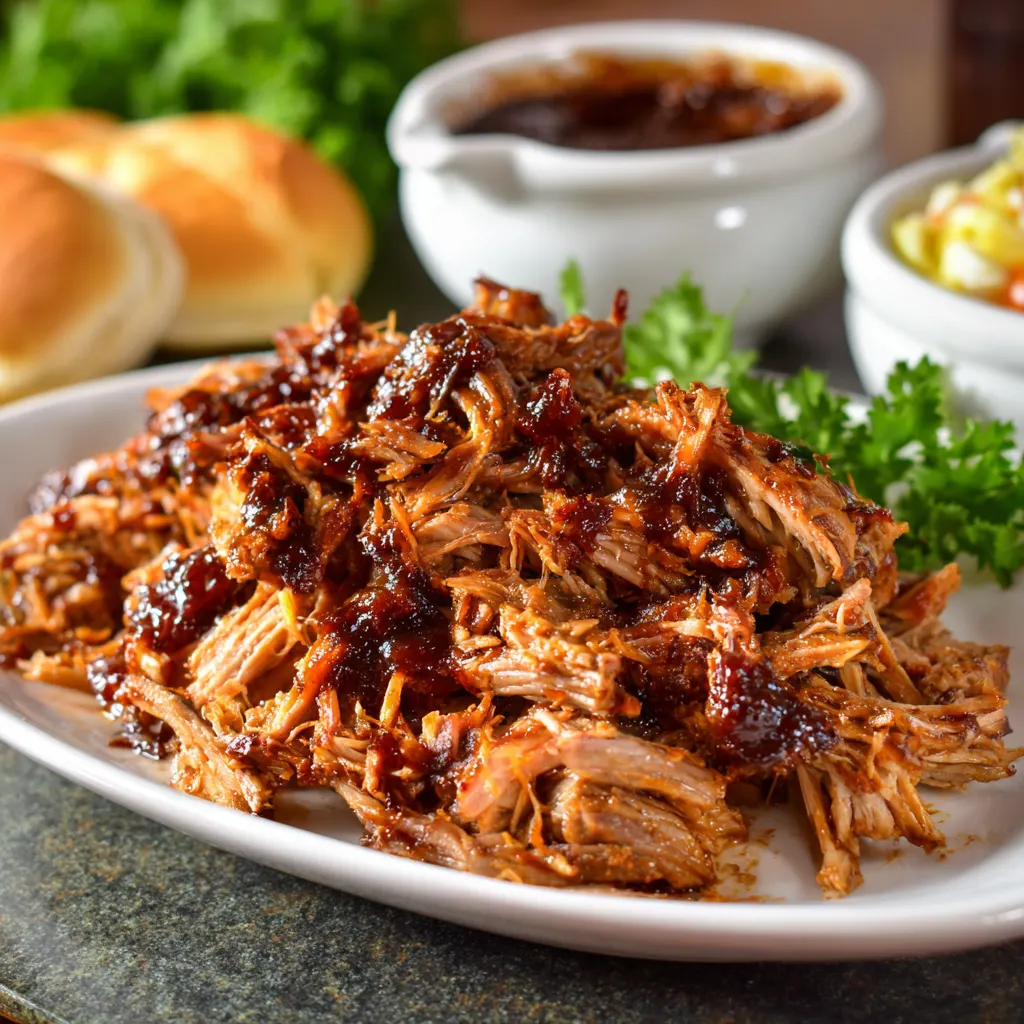
Beyond the Bun: Serving Suggestions and Meal Prep
Pulled pork is one of the most versatile proteins available, pairing well with a range of textures, flavors, and international cuisines.
The Classic BBQ Sandwich
For the quintessential experience, the perfect sandwich requires balance:
-
The Vessel: Use a hearty bun, such as brioche, pretzel rolls, or potato rolls, which are sturdy enough to absorb the sauce without falling apart.
-
The Crunch: The crucial counterpoint to the soft, rich pork is crunch and acidity. A generous topping of creamy, tangy coleslaw is non-negotiable.
-
The Tang: Serve with dill pickle chips or sliced bread-and-butter pickles for an acidic bite that cuts through the richness of the pork and sauce.
Creative Serving Variations
If you have ample leftovers or simply want to switch up the menu, pulled pork easily transforms into entirely new dishes:
-
Pulled Pork Tacos or Nachos: Skip the bun and toss the shredded meat with a touch of lime juice and a milder salsa, serving on corn tortillas with crumbled queso fresco and cilantro. For nachos, pile over tortilla chips with melted cheese, beans, and pickled jalapeños.
-
BBQ Stuffed Potatoes: Scoop out the center of a baked potato, mash the insides with butter and cream cheese, and stuff with pulled pork, extra sauce, and chives.
-
Pulled Pork Mac ‘n’ Cheese: Layer the pork into baked macaroni and cheese before topping with breadcrumbs and baking until golden brown.
-
International Flair: Try tossing the pork with a spicy Korean BBQ sauce (Gochujang-based) and serving it over rice with a quick-pickled cucumber salad.
Smart Storage and Freezing
Pulled pork is an excellent meal prep candidate and freezes beautifully, ensuring a quick weeknight meal is always on hand.
-
Refrigeration: Store leftover pulled pork in an airtight container for up to 3 to 4 days. Always add a splash of the reserved cooking liquid (or broth) to the container to ensure the meat remains moist when reheating.
-
Freezing Strategy: To retain the freshest flavor, freeze the shredded pork before adding the final BBQ sauce. Portion the unsauced pork into freezer-safe bags, removing as much air as possible. Label and freeze for up to 3 months.
-
Reheating: Thaw overnight in the refrigerator. Reheat gently in a pot on the stove with a little extra BBQ sauce and a splash of water or broth, stirring until warmed through. Alternatively, microwave in short 30-second bursts to avoid drying out the meat.