The Ultimate Guide to Easy Homemade Ramen Noodles: Chewy, Fresh & Delicious
Picture this: it’s a blustery Saturday afternoon, rain is tapping at the window, and all you crave is a steaming bowl of comforting ramen. But there’s no authentic ramen shop within miles, and those instant packets just aren’t cutting it. That’s precisely how my journey to mastering Easy Homemade Ramen Noodles began!
I was convinced making noodles from scratch was an impossible feat, reserved only for seasoned chefs. Yet, after one particularly desperate craving, I rolled up my sleeves and gave it a try. To my utter delight, the process was not only incredibly rewarding but yielded the most wonderfully chewy, slurp-worthy noodles I had ever tasted. My family devoured them, declared them a new “rainy day tradition,” and I’ve been perfecting this simple recipe ever since. It’s truly a game-changer for anyone who loves rich, comforting food and wants to elevate their home cooking.
This tested recipe makes creating your own fresh ramen noodles surprisingly straightforward, turning a daunting task into an enjoyable kitchen adventure. Get ready to impress yourself and everyone at your table with authentic texture and flavor that’s impossible to beat!
Why You’ll Love This Recipe
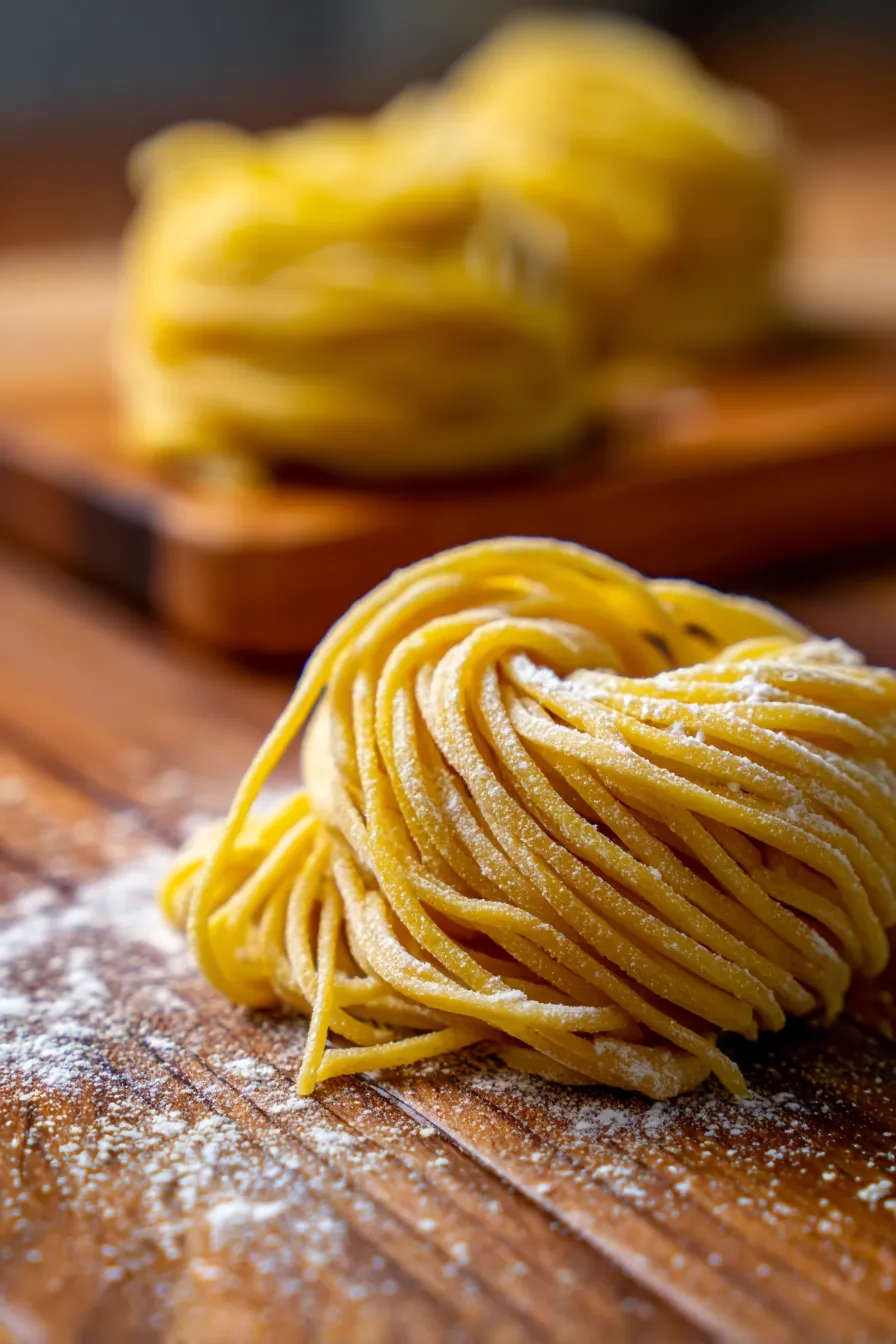
❤️ Unbeatable Freshness and Flavor: There’s simply no comparison between store-bought dried noodles and the vibrant, springy taste of freshly made ramen. You’ll notice an immediate difference in how the noodles absorb your broth, delivering a richer, more integrated flavor in every spoonful.
- Perfectly Chewy Texture (Koshi): Achieve that signature springy, slightly firm texture, known as ‘koshi’ in Japanese, that is the hallmark of truly great ramen noodles. This recipe is specifically designed to maximize that delightful bounce.
- Surprisingly Simple to Make: Don’t let the idea of making noodles from scratch intimidate you! With just a few basic ingredients and a little bit of patience, you’ll be amazed at how easily these come together. No complex techniques or specialized skills required.
- Customization is Key: This recipe is a fantastic base for all sorts of noodle explorations. You can adjust the thickness and width of your noodles to perfectly suit your preferred broth or topping combination. Want thick, udon-like noodles? Go for it! Prefer thin, delicate strands? Easy peasy.
- Cost-Effective Comfort: Making ramen noodles at home is significantly more budget-friendly than constantly buying gourmet instant packs or dining out. Enjoy restaurant-quality ramen more often without breaking the bank.
- Impress Your Guests: Serving homemade ramen noodles is a fantastic way to elevate any dinner party or casual get-together. Your friends and family will be thoroughly impressed by your culinary skills and the thoughtful effort.
- A Therapeutic Kitchen Project: The process of kneading, rolling, and cutting dough can be incredibly meditative and satisfying. It’s a wonderful way to unwind and engage in a creative, hands-on kitchen activity.
- No Fancy Equipment Required (Mostly!): While a pasta maker makes the rolling and cutting process incredibly efficient and uniform, it’s not strictly essential. A rolling pin and a sharp knife work just as well, albeit with a bit more elbow grease.
- Control Your Ingredients: Know exactly what goes into your food! With this recipe, you avoid preservatives, artificial flavors, and unwanted additives often found in commercial noodle products.
- A Fun Family Activity: Get the kids involved in the kneading and dusting process! It’s a fantastic way to teach them about food preparation and enjoy quality time together in the kitchen.
- Versatile for Any Ramen Dish: These noodles are perfect for any style of ramen, whether you’re making a rich tonkotsu, a savory shoyu, a spicy tantanmen, or a light shio broth. Their neutral yet robust flavor complements everything.
What You Need
You only need a few simple pantry staples for this recipe, proving that the best flavors often come from humble beginnings! The key is high-quality flour and, of course, the special alkaline water for that signature chew. Check the full printable recipe card below for detailed measurements and a complete list of ingredients. You’ll be surprised how accessible everything is!
💡 Expert Tips for Noodle Perfection
- The Magic of Kansui: Kansui is the secret ingredient for authentic ramen noodles. It’s an alkaline solution (typically potassium carbonate and sodium carbonate) that gives ramen its distinct yellow color, firm texture, and unique chewiness. If you can’t find commercial kansui, you can create a makeshift version by baking baking soda on a baking sheet at 275°F (135°C) for an hour, which transforms it into sodium carbonate. Use about 1 teaspoon of this baked baking soda dissolved in 1/2 cup of water for every cup of flour.
- Embrace the Stiff Dough: Ramen noodle dough is notoriously stiff and dry, much stiffer than typical pasta dough. Do not be tempted to add more water than specified, even if it feels difficult to knead. This low hydration is crucial for achieving that desirable firm, chewy texture. Keep kneading; it will come together.
- Resting is Non-Negotiable: After the initial knead, tightly wrap your dough in plastic wrap and let it rest for at least 30 minutes, or even an hour. This resting period allows the gluten to relax, making the dough much easier to roll out without tearing or springing back excessively. You’ll notice a remarkable difference in its pliability.
- Flour Power – Go High-Protein: For the best results, use a high-protein bread flour (around 12-14% protein). The higher protein content contributes significantly to the noodle’s elasticity and chewiness, giving it that perfect ‘snap’ when bitten. All-purpose flour can work in a pinch, but the texture won’t be as robust.
- Roll It Super Thin: When using a pasta machine, aim for a setting that produces very thin sheets – typically setting 4 or 5 on most standard machines. Remember, the noodles will expand slightly when cooked. Thinner noodles absorb broth better and have a more delicate yet firm bite.
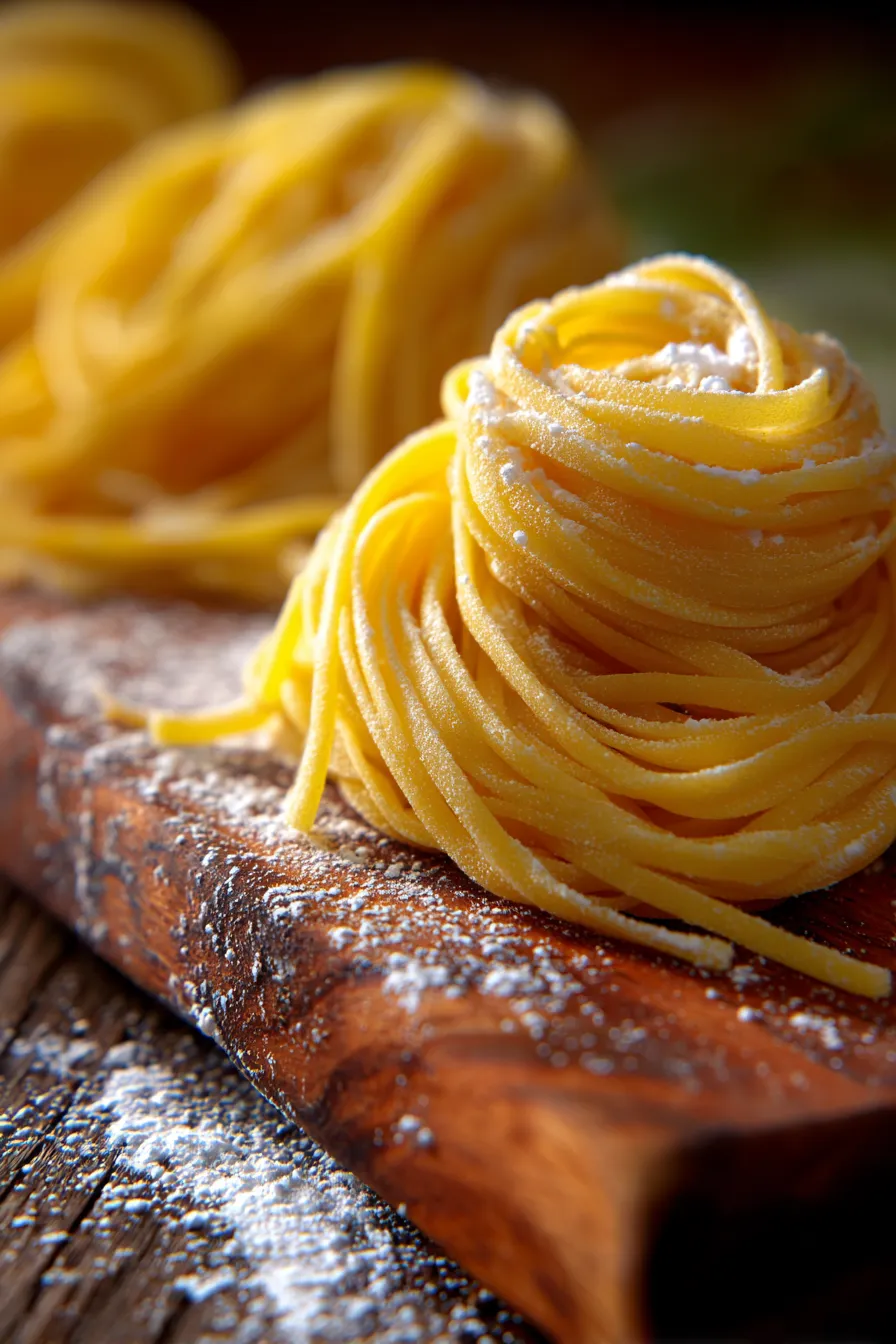
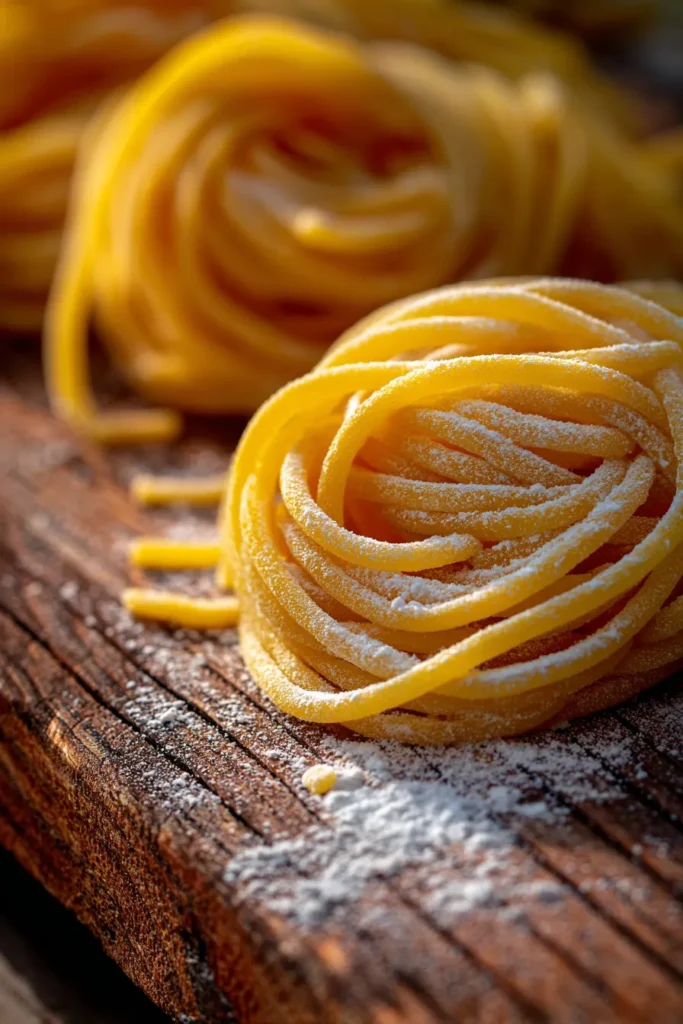
- Dust, Dust, Dust!: Generously dust your noodle sheets and freshly cut noodles with cornstarch or extra flour. This prevents them from sticking together, especially important if you’re not cooking them immediately. A mix of cornstarch and flour works wonderfully.
- Boil Rapidly and Briefly: Use a large pot of rapidly boiling, unsalted water. Cook fresh ramen noodles for a very short time, usually 60-90 seconds. They should be al dente – tender but with a slight bite in the center. Overcooking will result in mushy noodles, which is a ramen sin!
- Serve Immediately: Freshly cooked ramen noodles are at their absolute best when served straight away. Have your broth hot and ready, along with all your toppings, so you can transfer the drained noodles directly into your bowl without delay.
- Practice Makes Perfect: Don’t get discouraged if your first batch isn’t absolutely perfect. Noodle making is an art that improves with practice. Each batch will teach you something new about dough consistency and handling.
- Experiment with Shapes: While classic straight-cut noodles are great, feel free to experiment! You can make wider, flatter noodles for a different mouthfeel, or even create wavy noodles by crinkling them as you cut or using a specific pasta cutter.
- Conditioning the Dough with a Pasta Machine: If using a pasta machine, fold your dough sheet into thirds after the first few passes on the widest setting. Pass it through the widest setting again. Repeat this folding and passing several times (5-6 times). This process helps to further develop the gluten, making the dough incredibly smooth and uniform, and ultimately, chewier.
Variations & Substitutions
One of the best parts about making your own noodles is the freedom to customize! Here are some ideas to get creative:
- Gluten-Free Ramen: While achieving the exact chewy texture can be challenging without gluten, you can experiment with a high-quality gluten-free all-purpose flour blend (one that contains xanthan gum for elasticity). The cooking time might need adjustment, and the texture will be softer, but still delicious!
- Vegan Ramen Noodles: This recipe is naturally vegan if you use the baking soda kansui alternative (as the traditional kansui contains no animal products, and eggs are optional in many authentic ramen noodle recipes). Omit the egg if the recipe calls for it, relying on flour, kansui, and water for the dough.
- Spinach Ramen: For a vibrant green color and a subtle earthy flavor, blanch and puree a handful of fresh spinach. Substitute a small portion of the water with the spinach puree (ensure the total liquid content remains the same).
- Whole Wheat Noodles: For a nuttier flavor and added fiber, substitute up to 25% of the bread flour with whole wheat flour. This will result in a denser noodle with a different texture, but equally delicious in the right broth.
- Spicy Noodles: Infuse a little heat into your noodles by kneading a pinch of cayenne pepper or a teaspoon of fine gochugaru (Korean chili flakes) into the dough.
- Herb-Infused Noodles: Finely minced fresh herbs like chives or cilantro can be kneaded into the dough for an aromatic twist.
Storage & Freezing
Making a bigger batch of these Easy Homemade Ramen Noodles is always a smart move. Here’s how to keep them fresh:
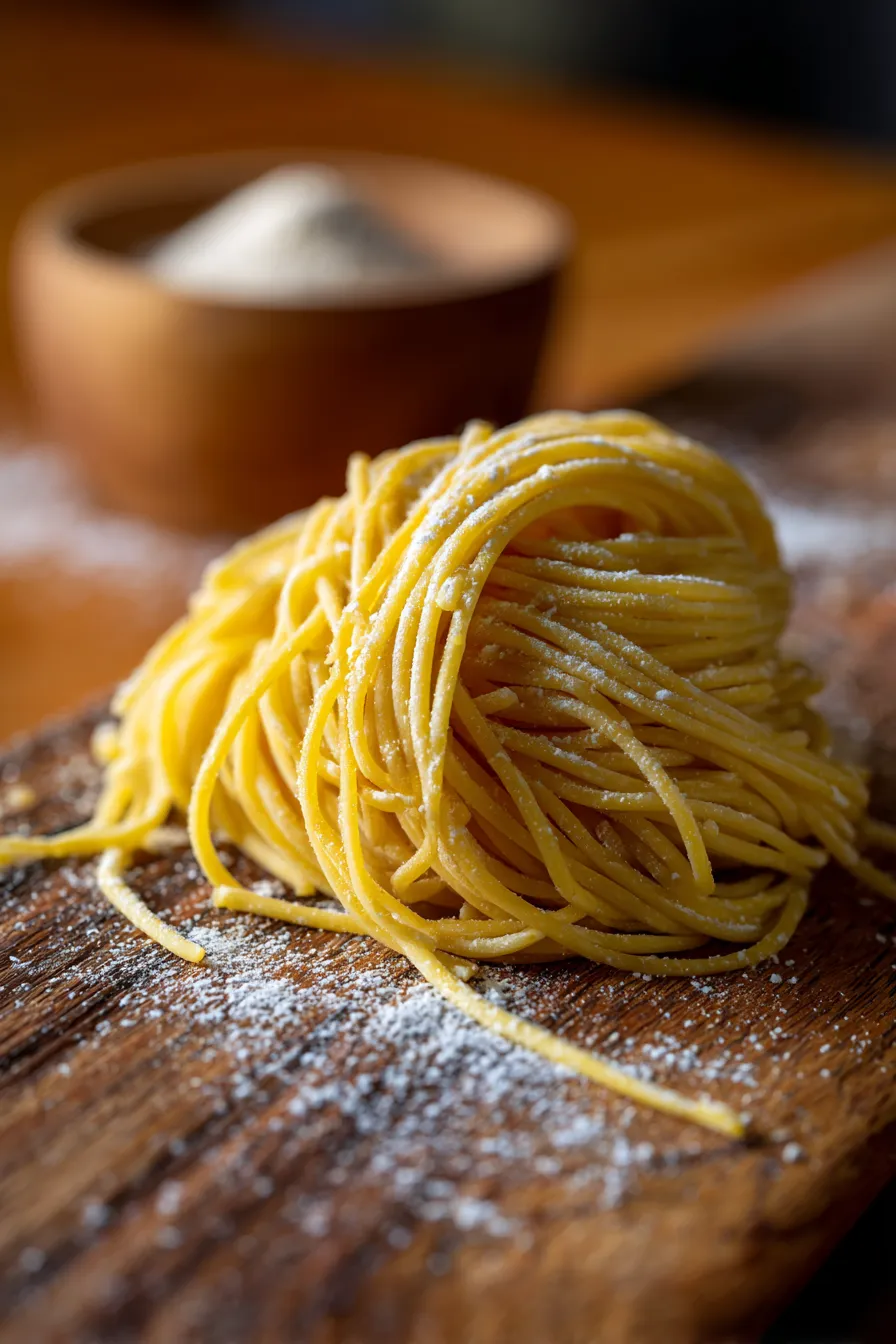
- Fresh Noodles (Refrigerated): Lightly dust freshly cut noodles with extra flour or cornstarch to prevent sticking. Place them in an airtight container or zip-top bag and store in the refrigerator for up to 2-3 days. They might lose a tiny bit of their elasticity over time, but will still be far superior to dried varieties.
- Freezing Noodles: This is my favorite method for meal prepping! Arrange the freshly cut and well-floured noodles in individual portions (enough for one serving) on a baking sheet lined with parchment paper. Freeze until solid (about 30-60 minutes). Once frozen, transfer the portions to a freezer-safe bag or container. They will keep well in the freezer for up to 2 months.
- Cooking Frozen Noodles: Do not thaw frozen noodles before cooking! Simply drop them directly into a large pot of rapidly boiling unsalted water. They might take an extra 30-60 seconds to cook compared to fresh noodles.
Frequently Asked Questions About Homemade Ramen Noodles
Q: What exactly is kansui, and why is it so important for ramen noodles?
A: Kansui is an alkaline mineral water solution traditionally containing sodium carbonate and potassium carbonate. It’s crucial for ramen noodles because it gives them their distinct yellow hue, signature elasticity, and the chewy, slightly firm texture (koshi) that makes ramen so satisfying. It also helps prevent the noodles from becoming mushy in hot broth.
Q: Can I really make these noodles without a pasta machine?
A: Yes, absolutely! While a pasta machine makes the process much quicker and ensures uniform thickness, you can definitely make them with just a good old-fashioned rolling pin and a sharp knife. Be prepared for a good arm workout, as the dough is quite stiff. Roll the dough out as thinly and evenly as possible, then fold it over a few times and slice with a sharp knife into your desired noodle width.
Q: My noodles are sticking together. What went wrong?
A: Sticking is a common issue! The most likely culprit is not enough dusting flour or cornstarch. Be very generous when dusting your rolled-out sheets and freshly cut noodles. Make sure each strand is lightly coated. Also, ensure you cook them immediately in plenty of rapidly boiling water, and don’t overcrowd the pot.
Q: Why are my noodles too tough, or conversely, too soft?
A: If your noodles are too tough, it might be due to not enough resting time for the dough, making it too resistant to rolling and resulting in overly dense noodles. Conversely, if they are too soft, it’s often a sign of overcooking. Remember, fresh ramen noodles cook very quickly, usually in 60-90 seconds. Always taste test as you go!
Q: Can I use all-purpose flour instead of bread flour?
A: You can, but for the very best, most authentic chewy ramen, high-protein bread flour is highly recommended. All-purpose flour has a lower protein content, which means less gluten development. This will result in a softer, less elastic noodle texture. If you must use all-purpose, consider adding a teaspoon of vital wheat gluten per cup of flour to boost the protein.
There you have it! Making your own Easy Homemade Ramen Noodles is an incredibly satisfying and rewarding culinary journey. You’ll not only savor the superior taste and texture but also gain a deep appreciation for the craft behind one of the world’s most beloved comfort foods. So, next time that ramen craving hits, don’t reach for the instant pack – roll up your sleeves and create something truly special. Your taste buds (and your family) will thank you!
If you loved this recipe, please consider pinning it to your favorite Pinterest board for later, or sharing it with friends and family. Happy noodle making!
Easy Homemade Ramen Noodles: Chewy, Fresh & Delicious
Ingredients
- 300g (2 1/2 cups) high-protein bread flour
- 3g (1/2 tsp) fine sea salt
- 130ml (1/2 cup + 1 tbsp) kansui solution (see expert tips for DIY option)
- Extra flour or cornstarch, for dusting
Instructions
- Step 1 In a large bowl, whisk together the bread flour and salt. Create a well in the center.
- Step 2 Gradually pour the kansui solution into the well. Using your hands or a sturdy spatula, mix until a shaggy, very stiff dough forms. It will seem dry, but resist adding more liquid.
- Step 3 Turn the dough out onto a clean, dry surface. Knead vigorously for 10-15 minutes until the dough becomes somewhat smoother and more cohesive, though it will still be very firm. You can also knead it by placing it in a sturdy zip-top bag and stepping on it (with clean feet or shoes) on the floor for 5-7 minutes.
- Step 4 Wrap the dough tightly in plastic wrap and let it rest at room temperature for at least 30 minutes, or up to 2 hours. This resting period allows the gluten to relax, making the dough much easier to work with.
- Step 5 Divide the rested dough into 2-3 equal portions. Lightly dust your work surface and hands with flour. Using a pasta machine (or a rolling pin):
- Step 6 With a Pasta Machine: Flatten one portion of dough with your hands. Pass it through the widest setting of your pasta machine. Fold the sheet into thirds, then pass it through the widest setting again. Repeat this folding and passing 5-6 times until the dough sheet is very smooth and uniform.
- Step 7 Gradually reduce the pasta machine setting, passing the dough through each setting once or twice, until your desired thickness is reached. For ramen, settings 4 or 5 on most machines (from widest to narrowest) work well for a chewy texture. Ensure the sheet is thin enough to be somewhat translucent.
- Step 8 Change to the ramen noodle cutter attachment (or your desired cutter). Pass the thin dough sheets through the cutter to form noodles. As the noodles emerge, dust them generously with flour or cornstarch to prevent sticking.
- Step 9 With a Rolling Pin: Roll out one portion of dough as thinly as possible on a well-floured surface. Aim for a thickness similar to a pasta machine's setting 4 or 5. Once rolled thin, fold the dough sheet loosely into several layers (like an accordion). With a very sharp knife, cut into desired noodle width (e.g., 1.5mm to 3mm for typical ramen). Immediately unfurl and dust generously with flour/cornstarch.
- Step 10 Bring a large pot of unsalted water to a rapid, rolling boil. Add the fresh ramen noodles, stirring gently to prevent sticking. Cook for 60-90 seconds (for al dente fresh noodles) or 2-3 minutes if cooking from frozen. Cook in batches if necessary to avoid overcrowding the pot.
- Step 11 Drain the noodles thoroughly using a spider strainer or colander. Immediately transfer the hot noodles to individual serving bowls filled with your favorite hot ramen broth and toppings. Serve at once and enjoy your incredible homemade ramen!