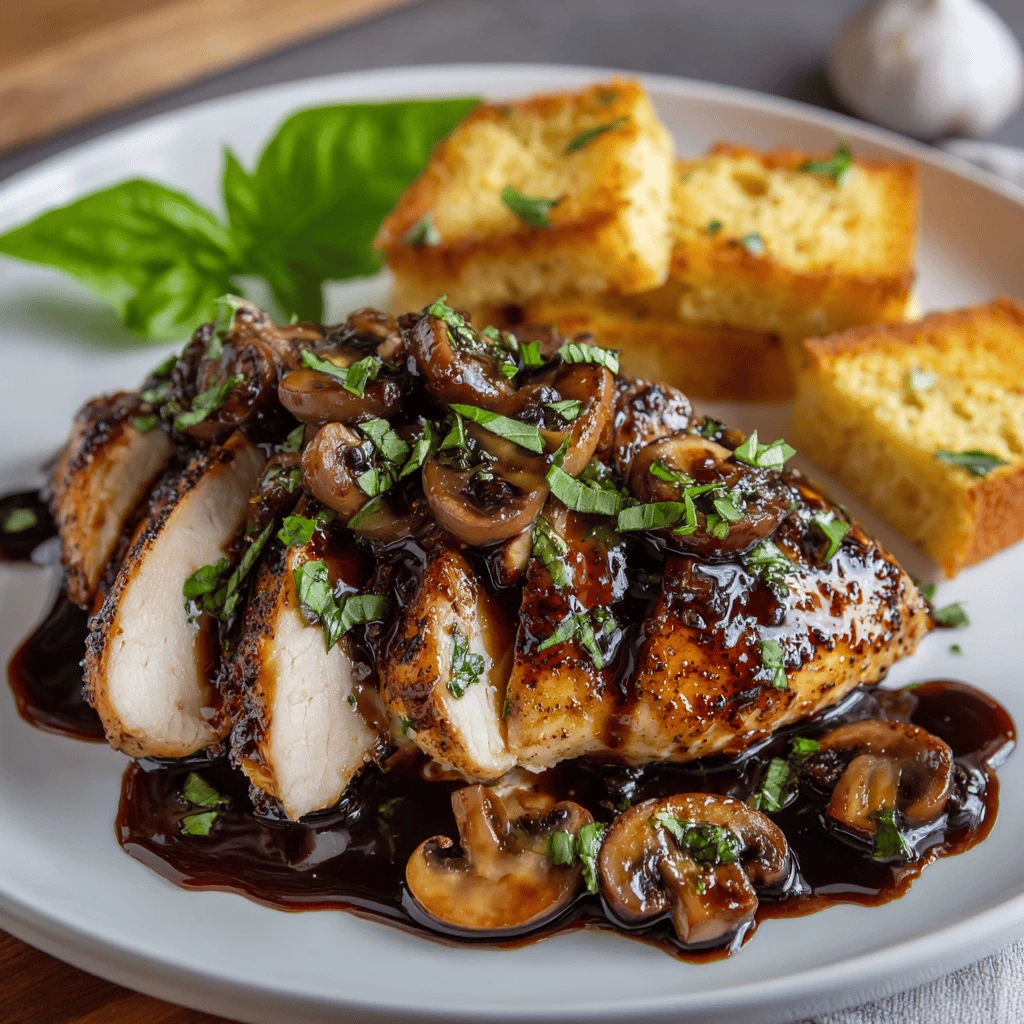
Easy Recipe Balsamic Glazed Chicken
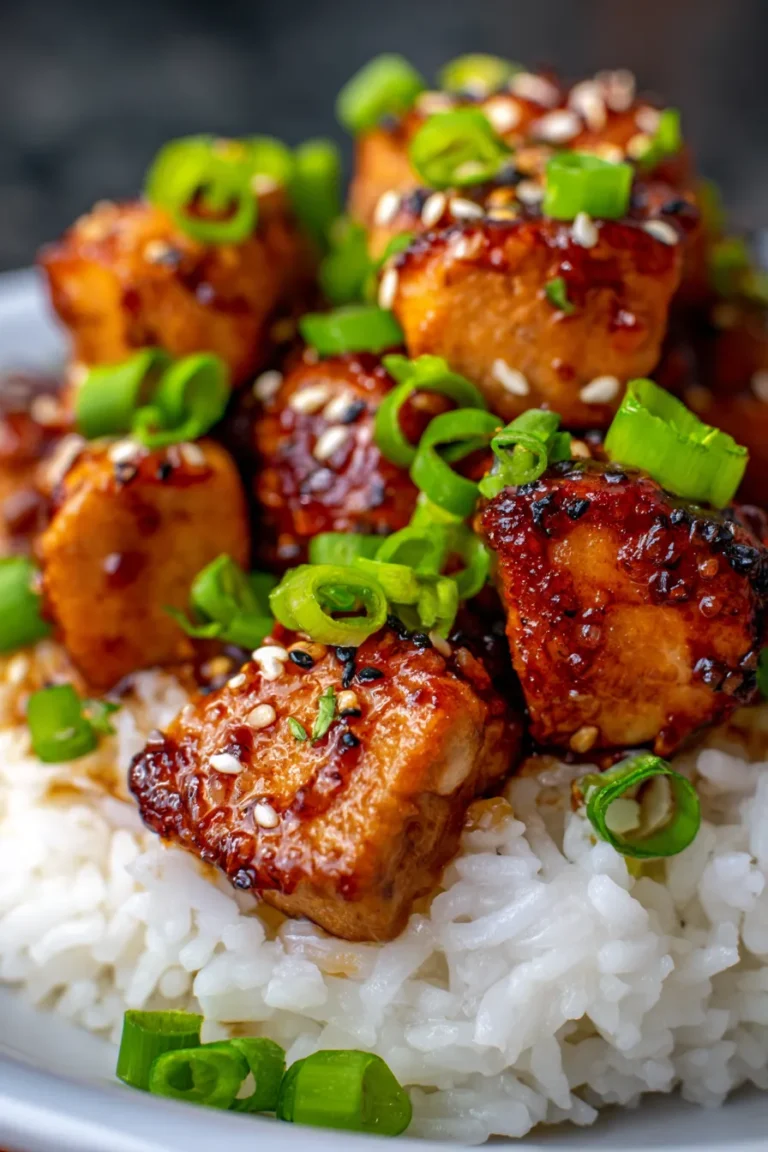
Balsamic glazed chicken is a weeknight dinner champion. It’s quick, easy, and packed with flavor, transforming humble chicken breasts into a restaurant-worthy dish in under an hour. This recipe is designed to be simple enough for beginner cooks while delivering exceptional results that even seasoned chefs will appreciate.
Why This Balsamic Glazed Chicken Recipe Works
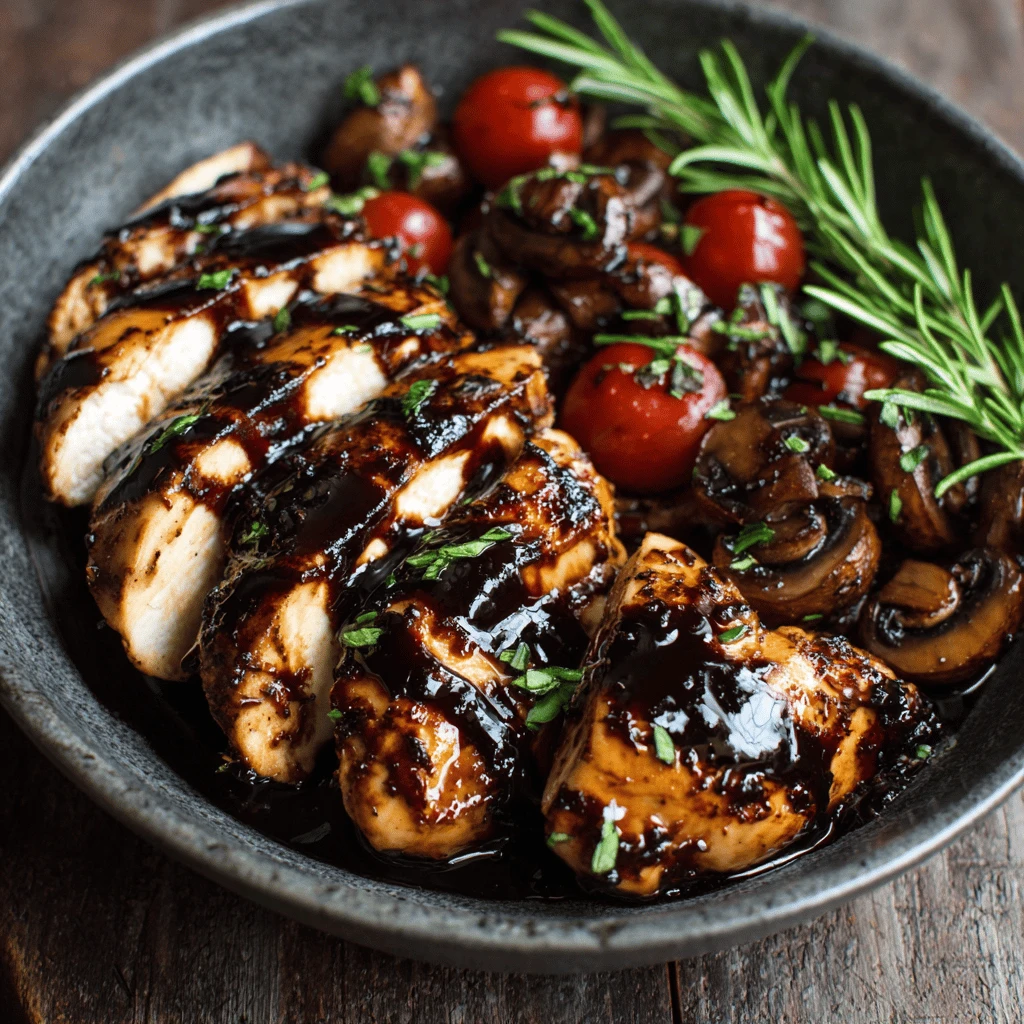
This recipe’s success hinges on the perfect balance of sweet and tangy flavors. The balsamic glaze, made from balsamic vinegar, honey (or maple syrup for a refined sugar-free version), garlic, and a touch of Dijon mustard, reduces to a luscious, syrupy consistency that clings beautifully to the chicken. The chicken is first seared to develop a golden-brown crust, adding depth and texture to the final dish. The result is tender, juicy chicken coated in a vibrant, flavorful glaze that will have everyone coming back for seconds. Beyond the flavor, it’s also incredibly versatile. Serve it with roasted vegetables, rice, quinoa, or a simple salad for a complete and satisfying meal.
Ingredients and Equipment
Before you start, gather your ingredients and equipment. You’ll need:
- Chicken Breasts: Boneless, skinless chicken breasts are ideal. Aim for breasts that are roughly the same thickness for even cooking.
- Balsamic Vinegar: Use a good quality balsamic vinegar for the best flavor.
- Honey (or Maple Syrup): Adds sweetness and helps thicken the glaze.
- Garlic: Freshly minced garlic provides a pungent aroma and flavor.
- Dijon Mustard: Adds a subtle tang and emulsifies the glaze.
- Olive Oil: For searing the chicken.
- Salt and Black Pepper: To season the chicken.
- Optional: Fresh herbs like thyme or rosemary for garnish. Red pepper flakes for a touch of heat.
Equipment:
- Large skillet (preferably cast iron or stainless steel)
- Small saucepan
- Whisk
- Measuring cups and spoons
- Tongs
Step-by-Step Instructions for Perfect Balsamic Glazed Chicken
Follow these simple steps for perfectly cooked, flavorful balsamic glazed chicken every time:
1. Prepare the Chicken: Pat the chicken breasts dry with paper towels. Season generously with salt and pepper. This is crucial for developing a good sear.
2. Sear the Chicken: Heat olive oil in a large skillet over medium-high heat. Once the oil is shimmering, carefully place the chicken breasts in the skillet, ensuring they are not overcrowded. Sear for 5-7 minutes per side, or until golden brown and cooked through. A meat thermometer inserted into the thickest part of the chicken should read 165°F (74°C). Remove the chicken from the skillet and set aside.
3. Make the Balsamic Glaze: In a small saucepan, combine the balsamic vinegar, honey (or maple syrup), minced garlic, and Dijon mustard. Bring the mixture to a simmer over medium heat, whisking occasionally. Reduce the heat to low and simmer for 8-10 minutes, or until the glaze has thickened and coats the back of a spoon. Be careful not to burn the glaze.
4. Glaze the Chicken: Return the seared chicken to the skillet. Pour the balsamic glaze over the chicken, ensuring each piece is well coated. Let the chicken simmer in the glaze for 2-3 minutes, turning occasionally, until the glaze is sticky and caramelized.
5. Serve: Remove the chicken from the skillet and serve immediately. Garnish with fresh herbs, such as thyme or rosemary, if desired. Red pepper flakes can be sprinkled on top for a touch of heat.
Tips for Success
- Don’t Overcook the Chicken: Overcooked chicken will be dry and tough. Use a meat thermometer to ensure it’s cooked to the correct internal temperature.
- Use a Good Quality Balsamic Vinegar: The quality of the balsamic vinegar will significantly impact the flavor of the glaze. Opt for a thicker, richer balsamic vinegar for the best results.
- Adjust the Sweetness to Your Liking: If you prefer a less sweet glaze, reduce the amount of honey or maple syrup.
- Let the Glaze Thicken: Don’t rush the glaze-making process. Allow it to simmer and reduce until it reaches a syrupy consistency. This is key to a flavorful, sticky glaze that clings to the chicken.
- Sear the Chicken Properly: A good sear adds depth and flavor to the chicken. Make sure the skillet is hot before adding the chicken and avoid overcrowding the pan.
Serving Suggestions and Variations
Balsamic glazed chicken is a versatile dish that pairs well with a variety of sides. Here are a few serving suggestions:
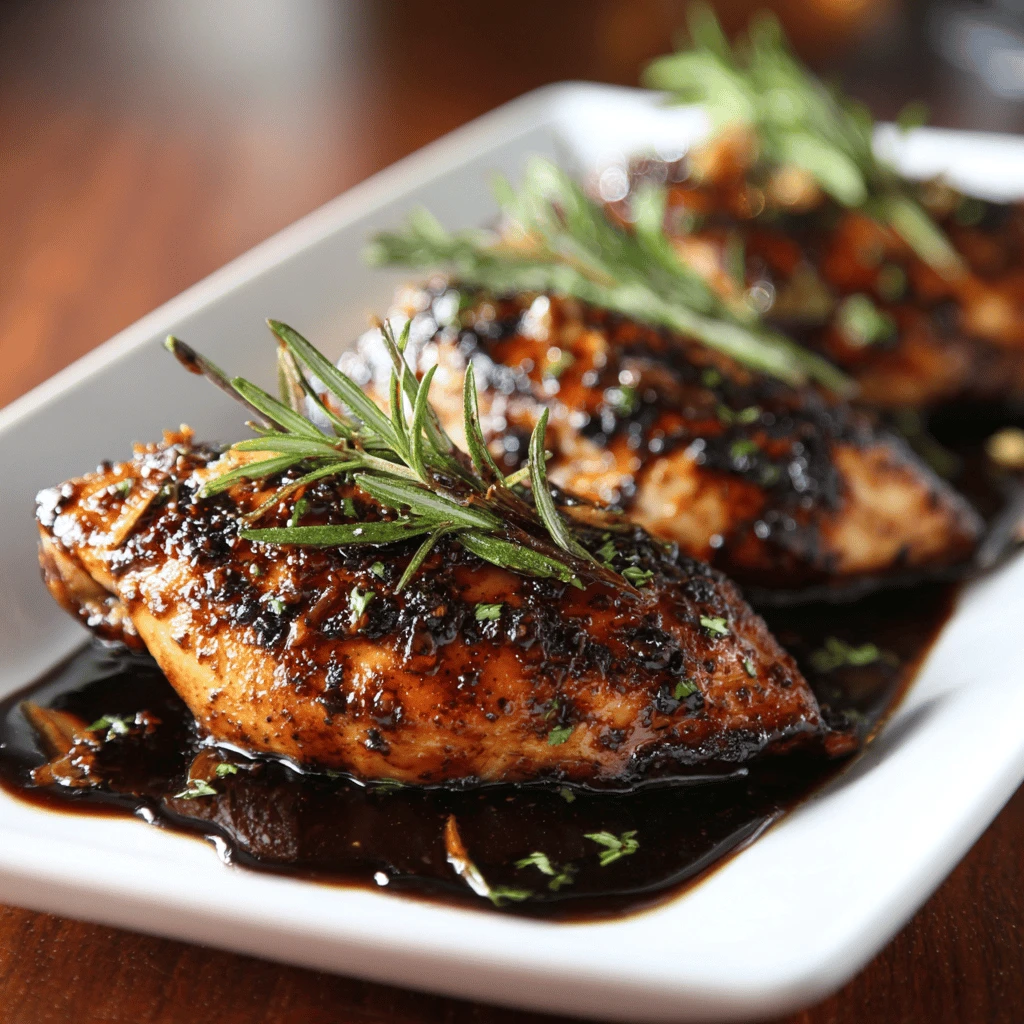
- Roasted Vegetables: Broccoli, asparagus, Brussels sprouts, carrots, and sweet potatoes are all excellent choices.
- Rice or Quinoa: These grains provide a healthy and satisfying base for the chicken.
- Salad: A simple green salad with a light vinaigrette is a refreshing complement to the rich glaze.
- Mashed Potatoes: Creamy mashed potatoes are a classic pairing.
Variations:
- Balsamic Glazed Chicken Thighs: Substitute chicken thighs for chicken breasts. Thighs are more forgiving and tend to stay moister during cooking.
- Sheet Pan Balsamic Glazed Chicken and Vegetables: Roast the chicken and vegetables together on a sheet pan for an easy one-pan meal.
- Balsamic Glazed Chicken Salad: Slice the cooked chicken and add it to a salad with mixed greens, goat cheese, cranberries, and walnuts.
- Spice it Up: Add a pinch of red pepper flakes to the glaze for a touch of heat.
- Add Herbs: Experiment with different herbs, such as rosemary, thyme, or oregano, to customize the flavor of the glaze.
- Balsamic Glazed Chicken with Cherry Tomatoes: Add halved cherry tomatoes to the skillet during the last few minutes of cooking to create a flavorful sauce.
- Creamy Balsamic Glazed Chicken: Add a splash of cream to the glaze at the very end for a richer, more decadent sauce.
Storage and Reheating
Storage:
- Store leftover balsamic glazed chicken in an airtight container in the refrigerator for up to 3-4 days.
Reheating:
- Microwave: Reheat in the microwave on medium power until heated through. Be careful not to overcook it, as it can become dry.
- Skillet: Reheat in a skillet over medium heat, adding a splash of water or chicken broth to prevent it from drying out.
- Oven: Reheat in a preheated oven at 350°F (175°C) until heated through. Cover the chicken with foil to prevent it from drying out.
FAQ about Balsamic Glazed Chicken
Q: Can I use frozen chicken breasts?
A: Yes, but make sure to thaw them completely before cooking. Pat them dry with paper towels to remove excess moisture.
Q: Can I make the glaze ahead of time?
A: Yes, you can make the glaze ahead of time and store it in an airtight container in the refrigerator for up to 3 days. Reheat it gently before using.
Q: What if my glaze is too thin?
A: Continue to simmer the glaze over low heat until it thickens to your desired consistency.
Q: What if my glaze is too thick?
A: Add a tablespoon of water or chicken broth to thin the glaze.
Q: Can I grill the chicken instead of searing it?
A: Yes, you can grill the chicken. Grill over medium heat until cooked through, then brush with the balsamic glaze during the last few minutes of grilling.
Q: Can I make this recipe sugar-free?
A: Yes, you can substitute maple syrup or a sugar-free sweetener for the honey.
Q: What sides go well with balsamic glazed chicken?
A: Roasted vegetables, rice, quinoa, mashed potatoes, and salads are all excellent choices.