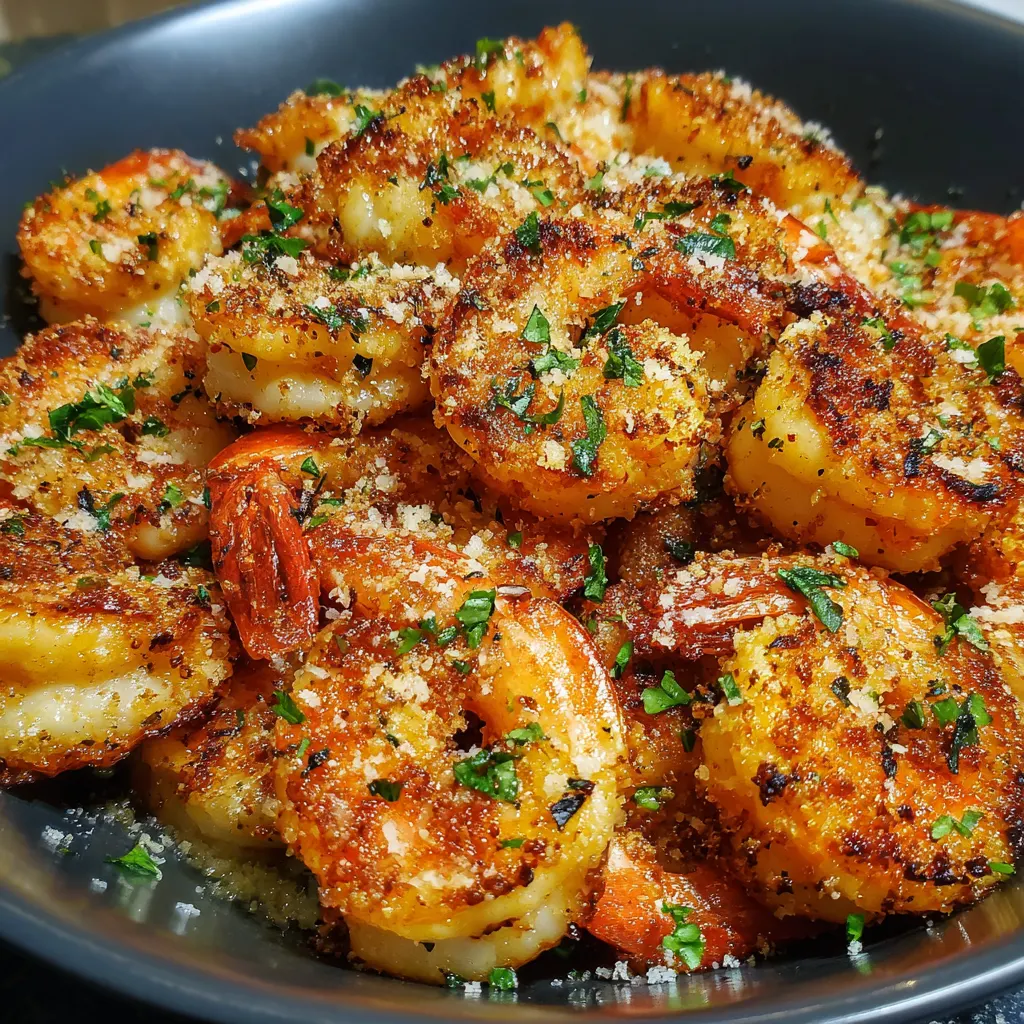
The Ultimate 15-Minute Easy Garlic Parmesan Shrimp
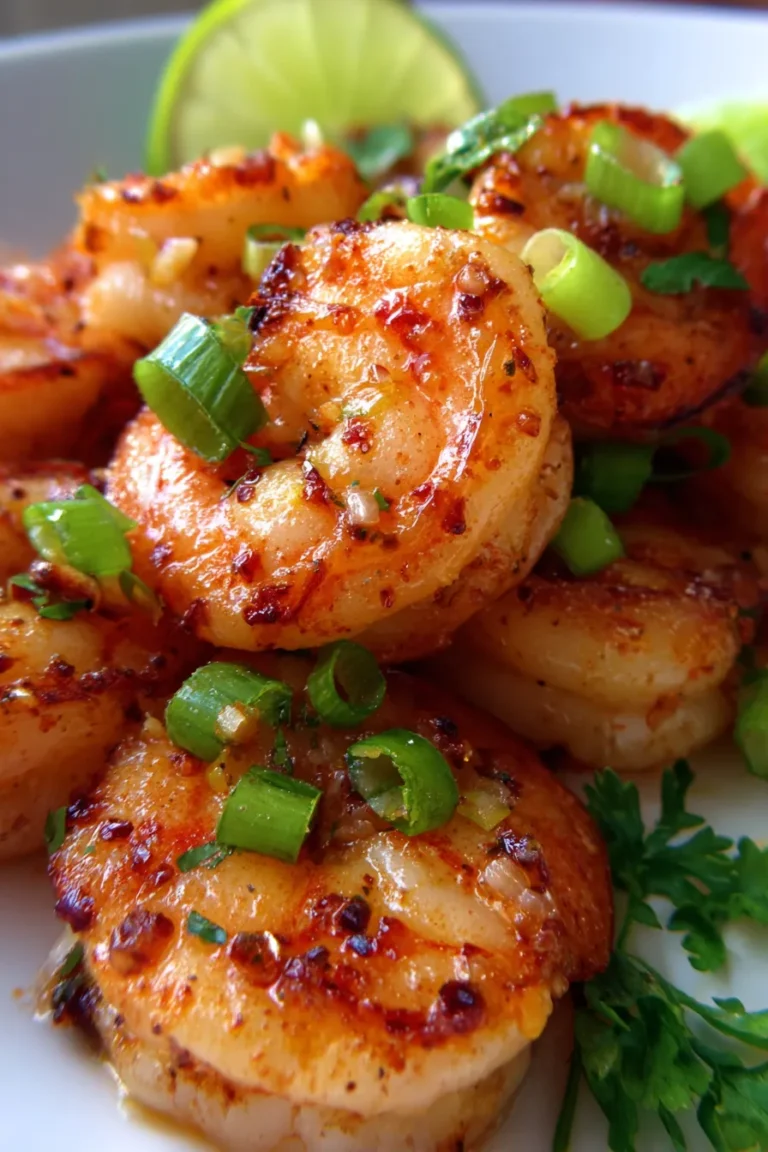
When you need a restaurant-quality meal but only have fifteen minutes to spare, few dishes deliver the same level of sophistication and satisfaction as Garlic Parmesan Shrimp. This recipe combines the natural sweetness of succulent shrimp with the savory depth of toasted garlic, the richness of melted butter, and the salty punch of aged Parmesan cheese. It is the quintessential weeknight lifesaver—elegant enough for a dinner party but simple enough to whip up after a long day at the office. By focusing on high-quality ingredients and a rapid cooking technique, you can transform humble frozen shrimp into a gourmet centerpiece that rivals any high-end bistro.
Ingredients
-
1 lb Large Shrimp: Peeled and deveined (tail-on for presentation, or tail-off for ease of eating).
-
4 tablespoons Unsalted Butter: Use high-quality grass-fed butter for the best flavor.
-
4-6 cloves Garlic: Freshly minced (avoid the pre-jarred variety for maximum aromatic impact).
-
1/2 cup Freshly Grated Parmesan Cheese: Real Parmigiano-Reggiano melts better and tastes sharper.
-
1 tablespoon Olive Oil: To prevent the butter from burning at high heat.
-
1/2 teaspoon Red Pepper Flakes: Optional, for a subtle background heat.
-
1 teaspoon Italian Seasoning: Or a mix of dried oregano and basil.
-
Juice of half a Lemon: Freshly squeezed to brighten the heavy fats.
-
2 tablespoons Fresh Parsley: Chopped fine for garnish and freshness.
-
Salt and Black Pepper: To taste.
Step-by-Step Instructions
-
Prep the Shrimp: Pat the shrimp completely dry with paper towels. This is the most important step for achieving a good sear rather than steaming the meat. Season lightly with salt, pepper, and Italian seasoning.
-
Sauté the Aromatics: Heat the olive oil and 2 tablespoons of butter in a large skillet over medium-high heat. Once the butter is foaming, add the minced garlic and red pepper flakes. Sauté for about 30–60 seconds until the garlic is fragrant and golden, but be careful not to let it brown or turn bitter.
-
Sear the Shrimp: Add the shrimp to the skillet in a single, even layer. Cook for 2 minutes on the first side without moving them. Flip the shrimp and cook for another 1–2 minutes. They should be opaque and turn into a “C” shape.
-
Emulsify the Sauce: Add the remaining 2 tablespoons of butter to the pan along with the lemon juice. As the butter melts, it will combine with the garlic and shrimp juices to create a silky glaze.
-
Finish with Parmesan: Remove the skillet from the heat. Sprinkle the grated Parmesan cheese over the shrimp and toss gently. The residual heat will melt the cheese into the sauce without it becoming clumpy.
-
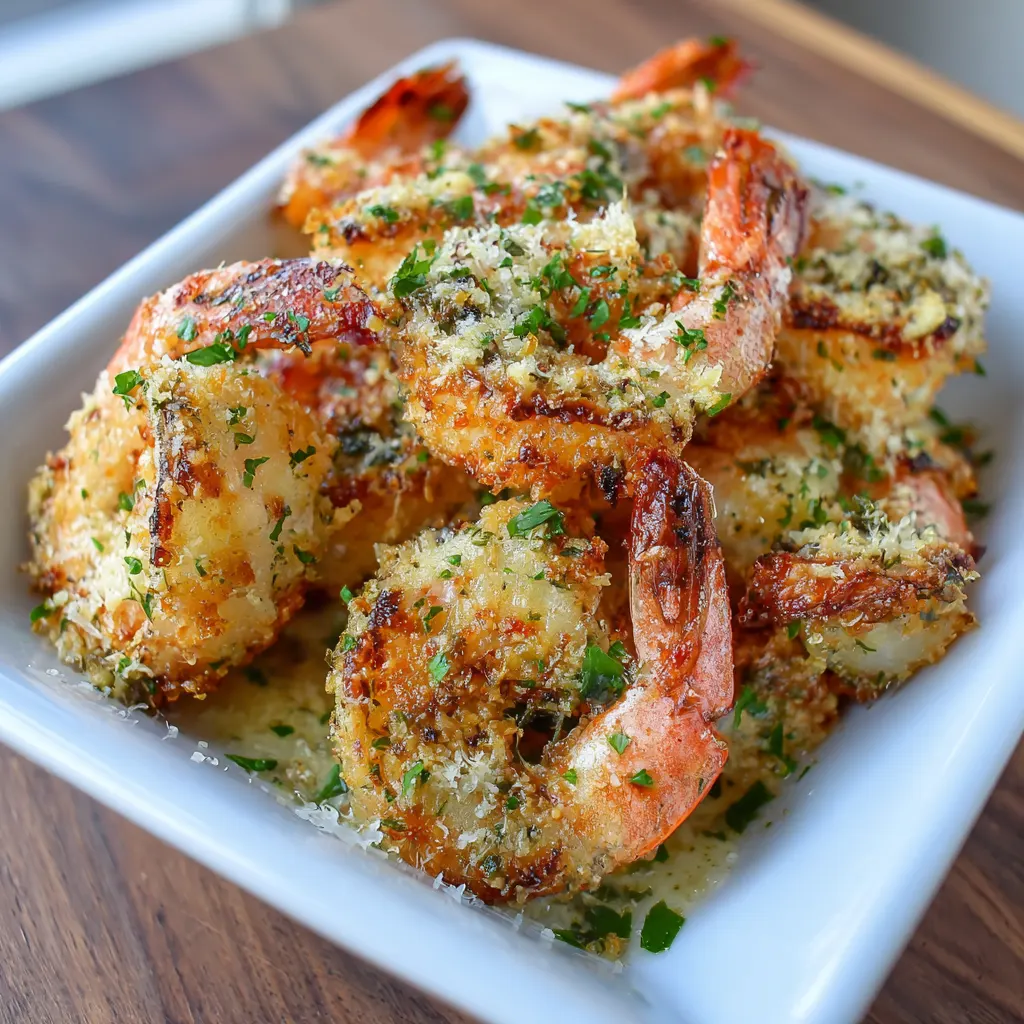
Garnish and Serve: Top with fresh parsley and an extra dusting of Parmesan if desired. Serve immediately while the sauce is hot and the shrimp are tender.
The Secret to Perfectly Succulent Shrimp
The primary challenge when cooking shrimp is avoiding the dreaded “rubbery” texture. Because shrimp are composed of lean protein, they cook incredibly fast. A common rule of thumb used by chefs is the “alphabet rule”: if the shrimp is shaped like a “U,” it is undercooked; if it is shaped like a “C,” it is perfectly cooked; and if it has curled into a tight “O,” it is overcooked.
To ensure the best results, always start with a hot pan. The goal is to sear the exterior quickly to lock in moisture. If you are using frozen shrimp, ensure they are fully thawed in a bowl of cold water and dried thoroughly. Moisture is the enemy of a good sear; if the shrimp are wet, they will boil in their own juices rather than caramelize. By following these temperature controls, you ensure that every bite is “snappy” and tender rather than chewy.
Flavor Enhancements and Customizations
While the classic Garlic Parmesan profile is timeless, this recipe serves as a versatile canvas for various flavor profiles. If you prefer a “Scampi” style finish, you can deglaze the pan with a splash of dry white wine (like Sauvignon Blanc or Pinot Grigio) after sautéing the garlic but before adding the shrimp. This adds a sophisticated acidity that cuts through the richness of the Parmesan.
For those who enjoy a bit of texture, adding a quarter-cup of Panko breadcrumbs toasted in a separate pan with a little butter can provide a “shrimp scampi bake” feel without the need for an oven. If you want to increase the vegetable content, tossing in two cups of fresh baby spinach at the very end—just until wilted—adds color and nutrition without requiring extra cooking time.
Ideal Pairings for a Complete Meal
Garlic Parmesan Shrimp is remarkably adaptable when it comes to side dishes. For a classic comfort meal, serve the shrimp and its buttery sauce over a bed of angel hair pasta or linguine. The thin noodles are perfect for soaking up the garlic-lemon emulsion.
If you are looking for a low-carb or Keto-friendly option, this dish pairs exquisitely with zucchini noodles (zoodles) or cauliflower rice. The savory cheese and butter provide the healthy fats needed for a keto lifestyle while keeping the net carbs to a minimum. For a more rustic approach, serve the shrimp in a shallow bowl with a thick slice of toasted sourdough or a French baguette. Using the bread to “mop up” the leftover garlic butter and melted cheese is often considered the best part of the meal.
Storage and Reheating Best Practices
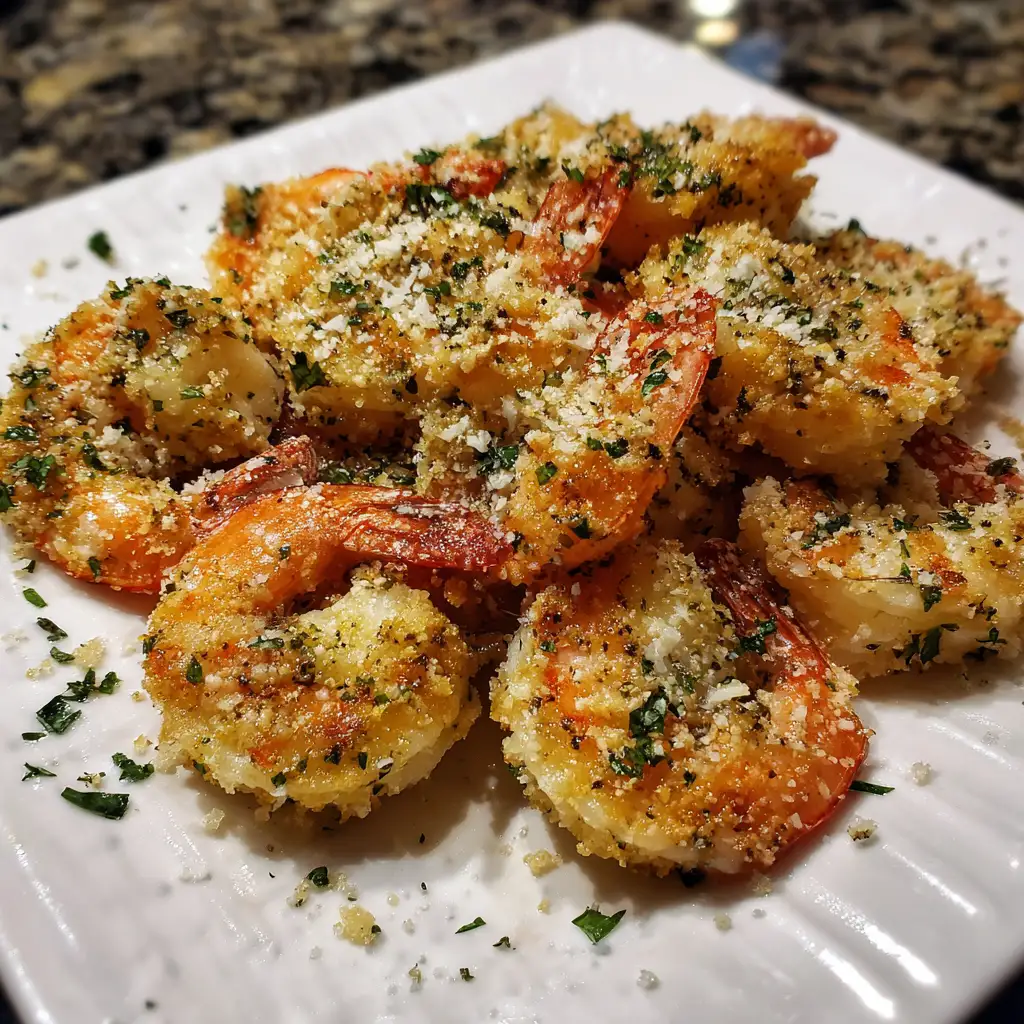
While seafood is always best enjoyed fresh, you can store leftovers in an airtight container in the refrigerator for up to two days. However, reheating shrimp requires a delicate touch to prevent them from becoming tough.
Avoid the microwave if possible, as it tends to cook the protein from the inside out, resulting in a rubbery texture. Instead, reheat the shrimp in a skillet over low heat with a teaspoon of water or an extra pat of butter. Cover the pan for 1–2 minutes just until the shrimp are warmed through. This method preserves the integrity of the Parmesan sauce and keeps the shrimp as tender as the moment they were first cooked. For a quick lunch the next day, cold Garlic Parmesan shrimp can also be chopped and tossed into a crisp Caesar salad, where the garlic and cheese flavors naturally complement the dressing.