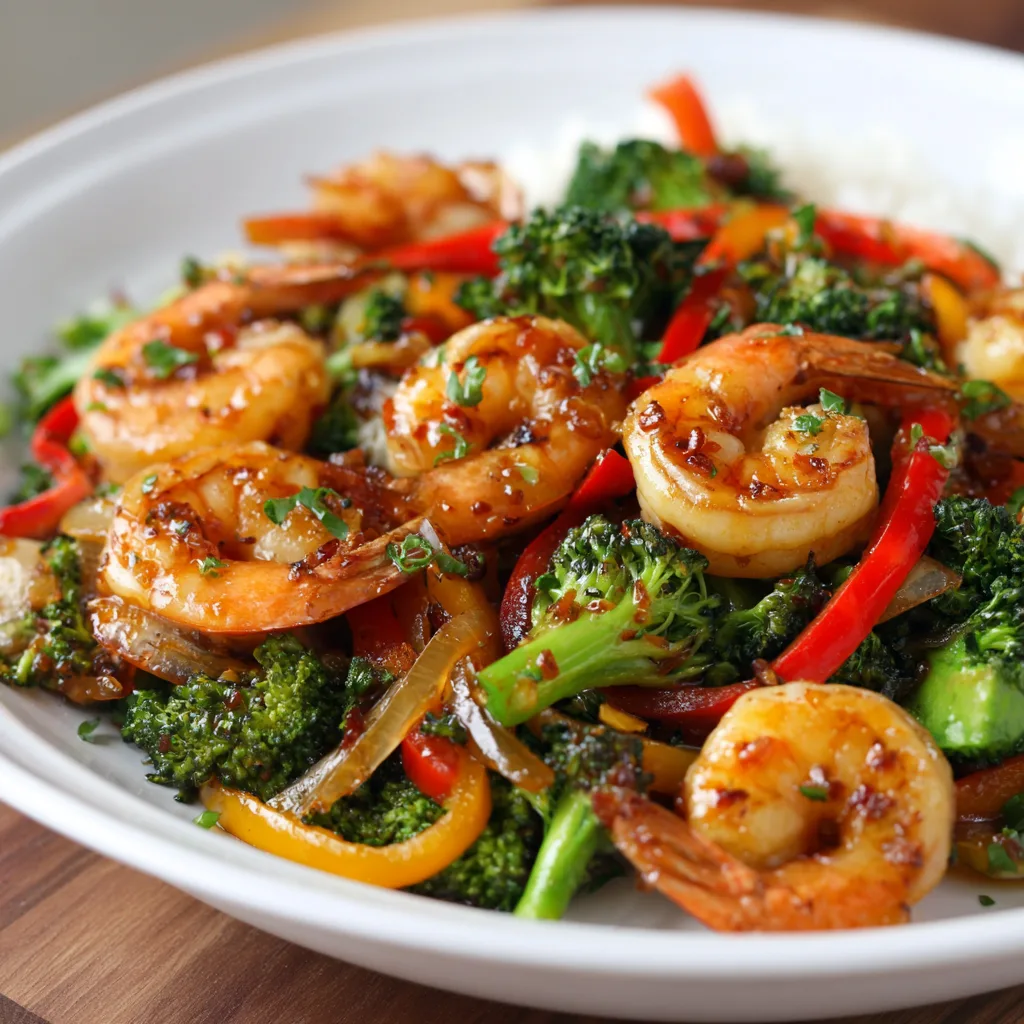
The Ultimate 15-Minute Easy Shrimp Stir-Fry
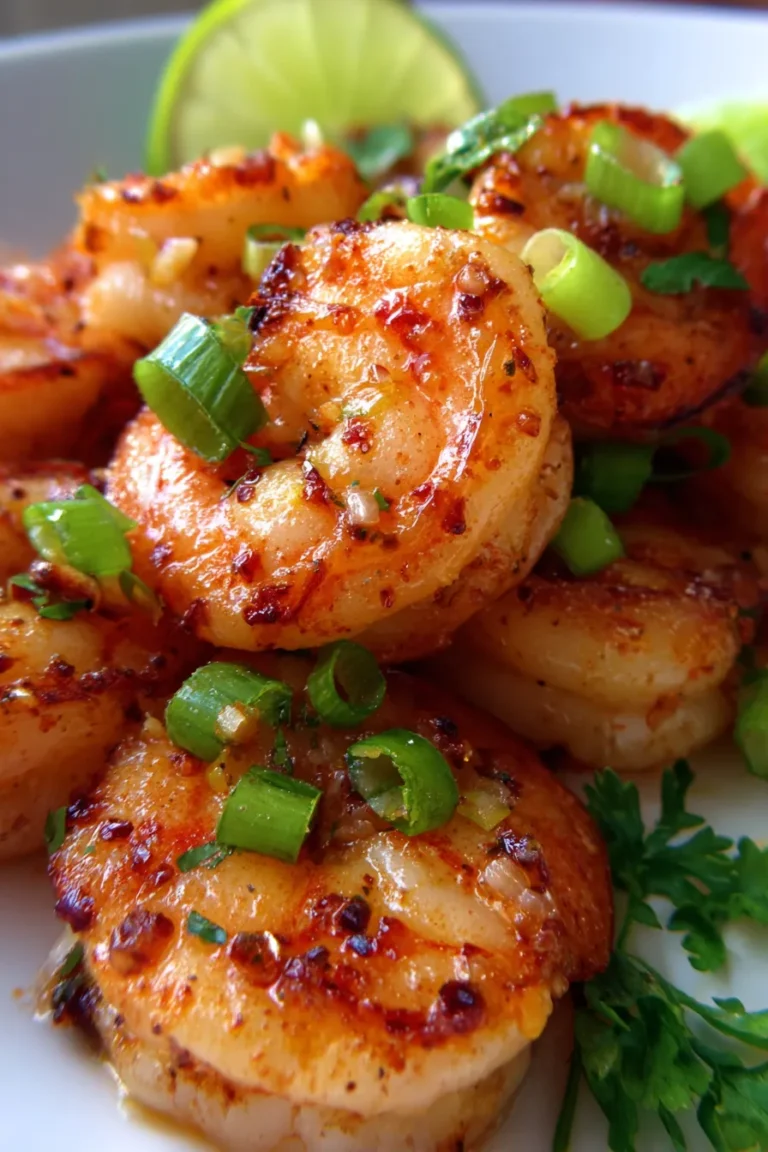
Mastering the art of the weeknight dinner requires a recipe that is as nutritious as it is fast. This Easy Shrimp Stir-Fry is the definitive solution for busy evenings, offering a restaurant-quality meal that leaps from the pan to the table in under 20 minutes. By combining succulent jumbo shrimp with a vibrant array of crisp vegetables and a savory, honey-garlic glaze, you create a dish that satisfies cravings for takeout while maintaining complete control over fresh, wholesome ingredients. The magic of a great stir-fry lies in the high-heat sear and the balance of the sauce—a harmony of salty, sweet, and umami flavors that coat every morsel perfectly.
Ingredients You’ll Need
For the Stir-Fry:
-
1 lb large shrimp, peeled and deveined (tail on or off, based on preference)
-
2 cups broccoli florets, cut into bite-sized pieces
-
1 red bell pepper, thinly sliced
-
1 large carrot, julienned or thinly sliced into rounds
-
1 cup snap peas or snow peas
-
2 tablespoons avocado oil or vegetable oil (high smoke point is essential)
-
Optional: Sliced green onions and toasted sesame seeds for garnish
For the Stir-Fry Sauce:
-
1/3 cup low-sodium soy sauce
-
2 tablespoons honey or brown sugar
-
1 tablespoon fresh ginger, grated
-
3 cloves garlic, minced
-
1 tablespoon rice vinegar
-
1 teaspoon toasted sesame oil
-
1 teaspoon cornstarch (to thicken the sauce)
-
Optional: 1 teaspoon Sriracha or red pepper flakes for heat
Step-by-Step Instructions
-
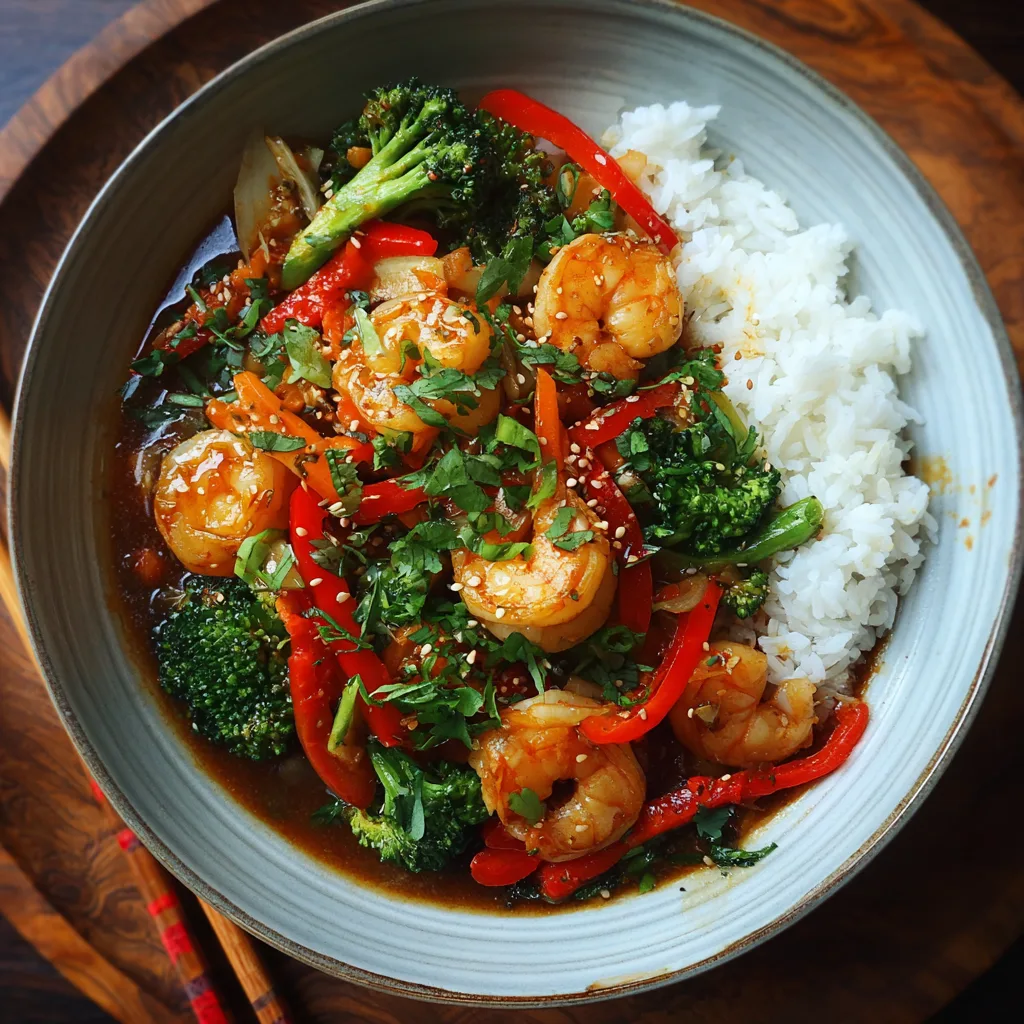
Whisk the Sauce: In a small bowl, combine the soy sauce, honey, grated ginger, minced garlic, rice vinegar, sesame oil, and cornstarch. Whisk until the cornstarch is fully dissolved and the honey is incorporated. Set aside.
-
Sear the Shrimp: Heat one tablespoon of oil in a large skillet or wok over medium-high heat. Once the oil is shimmering, add the shrimp in a single layer. Cook for 1–2 minutes per side until they turn pink and opaque. Remove the shrimp from the pan and set aside on a plate to prevent overcooking.
-
Stir-Fry the Vegetables: Add the remaining tablespoon of oil to the same pan. Toss in the broccoli, carrots, and peppers. Stir-fry for 3–4 minutes. If the pan looks dry or the broccoli needs help softening, add a splash of water (1-2 tablespoons) to create steam. Add the snap peas in the last minute of cooking to keep them crunchy.
-
Combine and Thicken: Return the cooked shrimp to the skillet with the vegetables. Give the sauce a quick re-whisk and pour it over the mixture.
-
The Final Toss: Toss everything constantly for 1–2 minutes. The sauce will bubble and thicken into a glossy coating that clings to the shrimp and vegetables.
-
Serve: Remove from heat immediately. Serve hot over steamed jasmine rice, brown rice, or rice noodles. Garnish with green onions and sesame seeds.
The Secret to Perfect Shrimp Texture
The most common pitfall in seafood stir-fry is rubbery, overcooked shrimp. Because shrimp cook incredibly fast—often in less than four minutes total—the “sear and remove” method is vital. By browning the shrimp first and then setting them aside, you ensure they develop a savory crust without dwelling in the heat while the denser vegetables soften. Look for the “C” shape; a perfectly cooked shrimp curls into a gentle “C,” while an overcooked one curls tightly into an “O.”
Furthermore, always pat your shrimp dry with paper towels before they hit the pan. Excess moisture creates steam, which prevents that golden-brown sear and can lead to a watered-down sauce. Using high-heat oils like avocado or grapeseed allows you to maintain the necessary temperature to flash-cook the protein, locking in the natural sweetness of the seafood.
Customizing Your Vegetable Medley
While broccoli and bell peppers are stir-fry staples, this recipe acts as a versatile canvas for whatever is in your refrigerator. The key to a successful vegetable mix is “textural harmony.” If you prefer a crunchier profile, stick to water chestnuts, bamboo shoots, and baby corn. For a more savory, earthy depth, sliced shiitake or cremini mushrooms work beautifully alongside bok choy.
To ensure everything cooks evenly, cut your vegetables into uniform sizes. Harder vegetables like carrots should be sliced very thin, while softer greens like spinach or bok choy should only be added in the final thirty seconds of cooking. This diversity not only improves the visual appeal of the dish with a rainbow of colors but also maximizes the nutritional density of your meal, providing a wide spectrum of vitamins and fiber.
Elevating the Flavor Profile
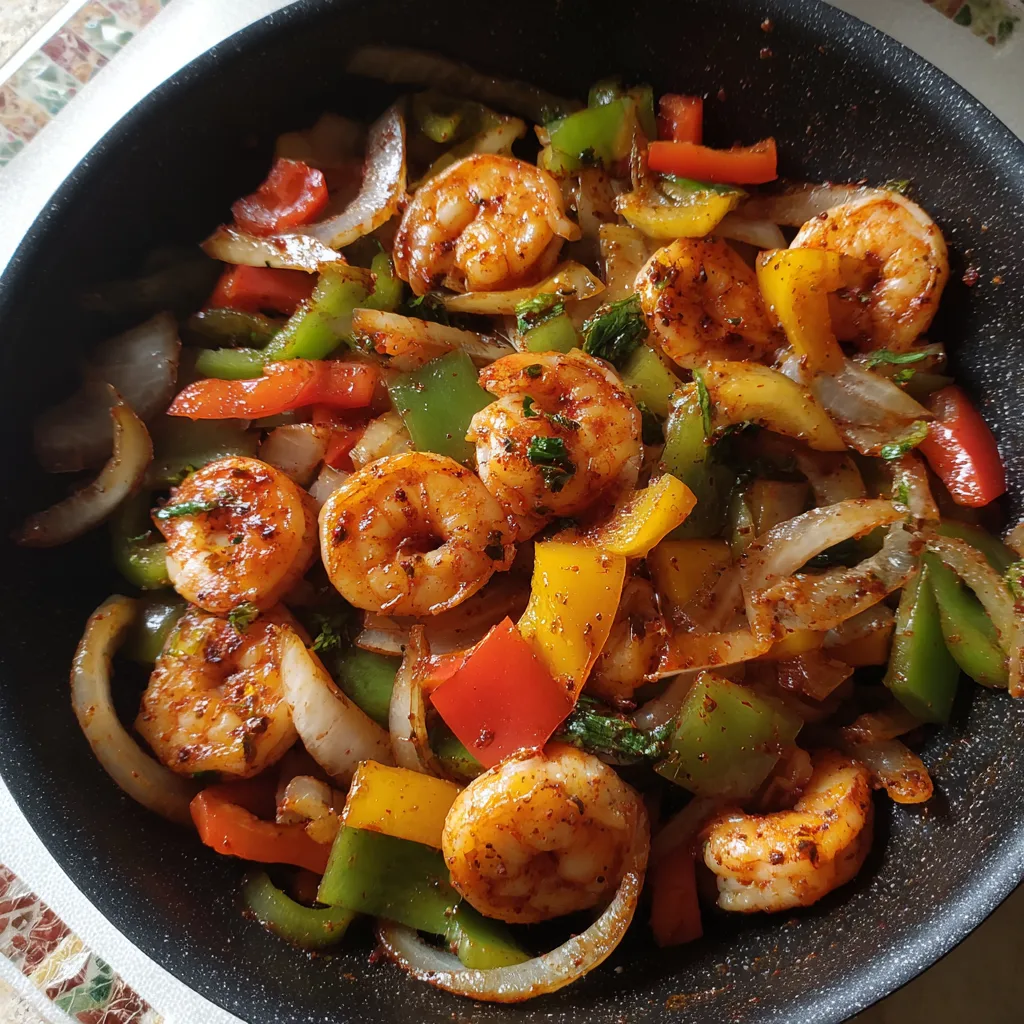
The homemade sauce is what separates a mediocre stir-fry from a spectacular one. While store-bought bottled sauces are convenient, they often contain high levels of preservatives and refined sugars. By mixing your own, you can calibrate the saltiness and sweetness to your liking. If you prefer a “General Tso” style kick, increase the ginger and add a tablespoon of hoisin sauce. For those who enjoy a citrusy brightness, a squeeze of fresh lime juice or a teaspoon of orange zest can transform the flavor profile entirely.
Aromatic ingredients—garlic and ginger—are the backbone of Asian-inspired cuisine. For the best results, use fresh aromatics rather than powdered versions. If you want a deeper, smokier flavor, consider adding a dash of oyster sauce or a teaspoon of dark soy sauce. These small adjustments allow you to transition the dish from a light summer lunch to a rich, comforting winter dinner, proving that “easy” does not have to mean “basic.”