
Easy Recipe Teriyaki Beef Bowls
Ingredients
- 1 pound flank steak or sirloin steak, thinly sliced against the grain
- 1/2 cup low-sodium soy sauce
- 1/4 cup brown sugar, packed
- 2 tablespoons mirin (sweet rice wine)
- 1 tablespoon rice vinegar
- 1 tablespoon sesame oil
- 2 cloves garlic, minced
- 1 teaspoon ginger, grated
- 1/2 teaspoon red pepper flakes (optional)
- 1 tablespoon cornstarch
- 2 tablespoons water
- Cooked rice, for serving
- Sesame seeds, for garnish
- Chopped green onions, for garnish
- Steamed broccoli or other vegetables (optional), for serving
Step-by-Step
1. In a medium bowl, whisk together soy sauce, brown sugar, mirin, rice vinegar, sesame oil, garlic, ginger, and red pepper flakes (if using).
2. In a small bowl, whisk together cornstarch and water to create a slurry.
3. Add the cornstarch slurry to the soy sauce mixture and whisk until well combined. This will help thicken the teriyaki sauce.
4. Place the thinly sliced beef in a zip-top bag or a shallow dish.
5. Pour half of the teriyaki sauce over the beef, reserving the other half for later.
6. Marinate the beef in the refrigerator for at least 30 minutes, or up to 2 hours.
7. Heat a large skillet or wok over medium-high heat.
8. Remove the beef from the marinade (discard the marinade).
9. Add the beef to the hot skillet in a single layer. You may need to cook it in batches to avoid overcrowding the pan.
10. Cook the beef for 2-3 minutes per side, or until it is cooked through and slightly browned.
11. Pour the reserved teriyaki sauce into the skillet with the cooked beef.
12. Bring the sauce to a simmer and cook for 1-2 minutes, or until the sauce has thickened and glazed the beef.
13. Remove the skillet from the heat.
14. To assemble the bowls, place a scoop of cooked rice in each bowl.
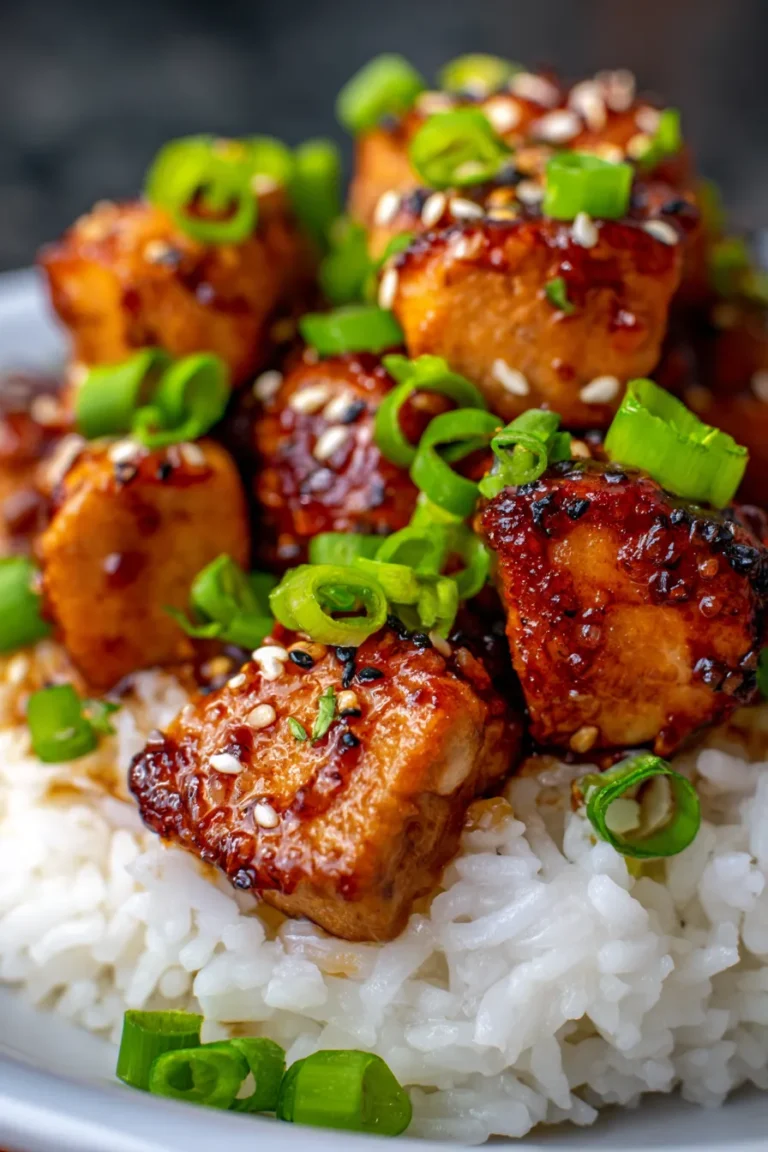
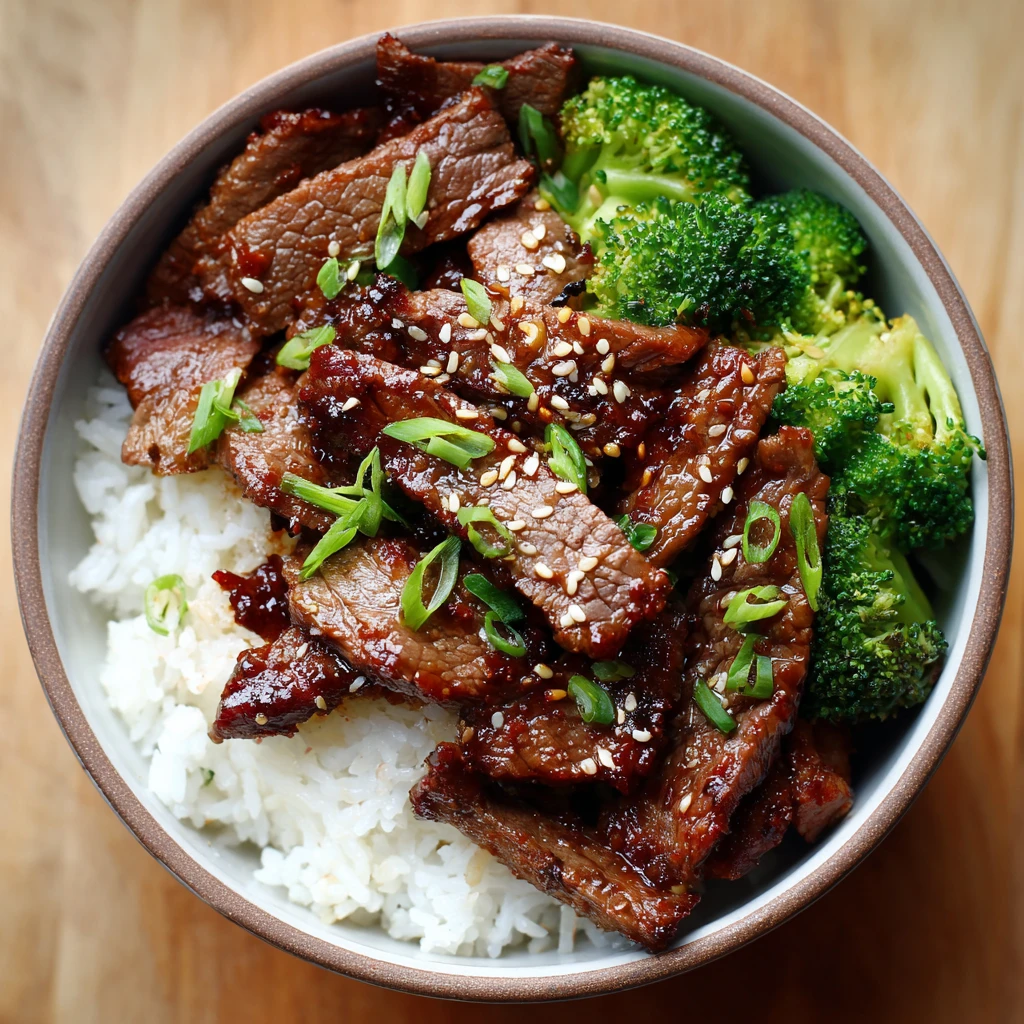
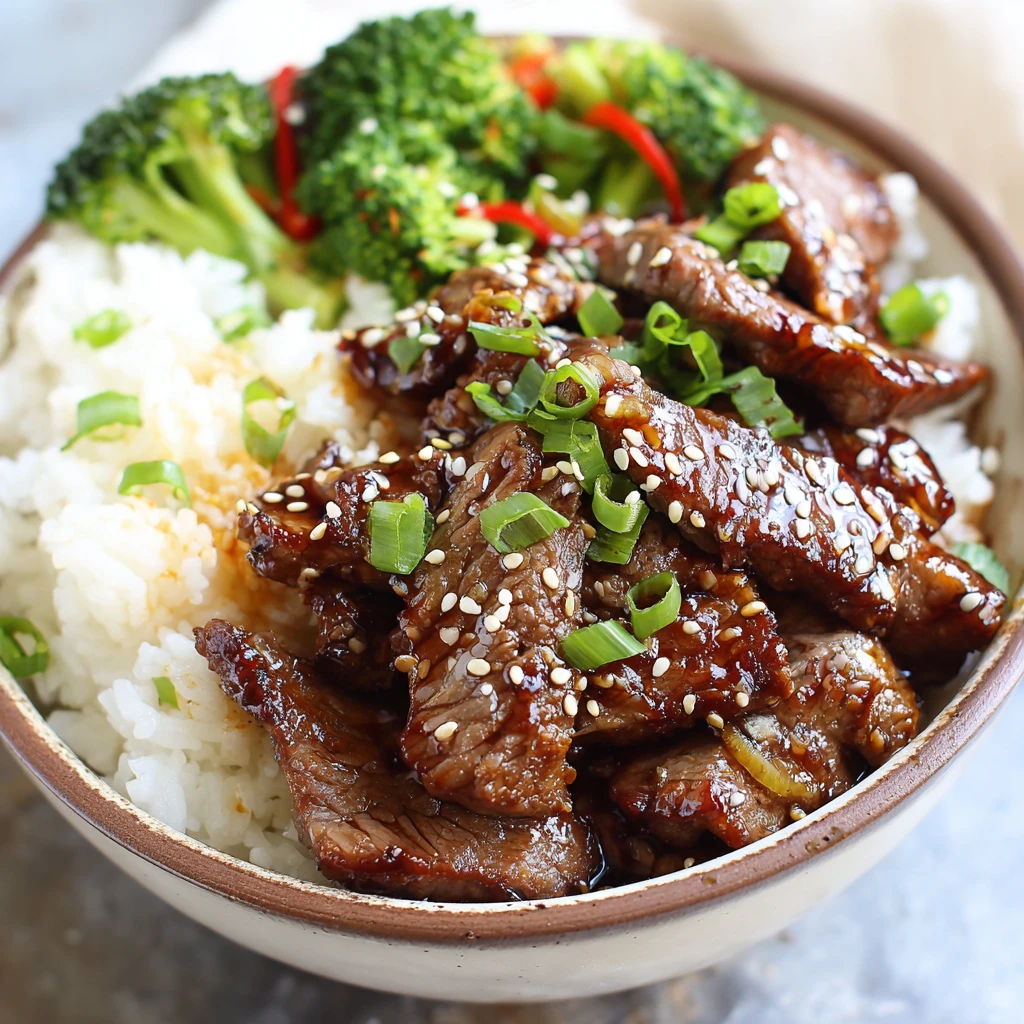
15. Top the rice with the teriyaki beef.
16. Garnish with sesame seeds and chopped green onions.
17. Serve immediately with steamed broccoli or other vegetables, if desired. Enjoy!
Understanding the Ingredients
H3: The Role of the Beef
Flank steak and sirloin are both excellent choices for teriyaki beef bowls. They are relatively lean cuts that slice well and cook quickly. Slicing against the grain is crucial for tenderness. This shortens the muscle fibers, making the beef easier to chew.
Other cuts can be used, but may require adjustments to cooking time. Look for well-marbled beef for a richer flavor.
H3: Key Components of Teriyaki Sauce
Soy sauce provides the umami base of the sauce. Low-sodium versions are recommended to control the overall saltiness. Brown sugar adds sweetness and helps with caramelization.
Mirin, a sweet rice wine, contributes complexity and balances the salty soy sauce. Rice vinegar adds a touch of acidity, which further enhances the flavor profile. Sesame oil provides a nutty aroma and richness.
Garlic and ginger are essential aromatics that complement the other ingredients. Red pepper flakes offer a hint of spice for those who enjoy it.
H3: Thickeners and Garnishes
Cornstarch is used to thicken the teriyaki sauce. When mixed with water to form a slurry before adding it to the hot sauce, it prevents clumping. This ensures a smooth and glossy sauce.
Sesame seeds add a nutty flavor and visual appeal as a garnish. Chopped green onions provide freshness and a mild onion flavor. These garnishes elevate the overall presentation of the dish.
Mastering the Cooking Technique
H3: Slicing and Marinating the Beef
Properly slicing the beef is vital. Use a sharp knife to slice it thinly against the grain. This ensures that the beef is tender and easy to eat.
Marinating the beef infuses it with flavor and helps to tenderize it. The acids in the marinade, such as rice vinegar, break down the muscle fibers. A minimum of 30 minutes is recommended, but a longer marinating time (up to 2 hours) can further enhance the flavor.
H3: Achieving the Perfect Sear
Cooking the beef in a hot skillet or wok is key to achieving a good sear. The Maillard reaction, which occurs at high temperatures, creates a flavorful crust on the surface of the beef. This adds depth and complexity to the dish.
Avoid overcrowding the pan, as this will lower the temperature and prevent the beef from browning properly. Cook the beef in batches if necessary.
H3: Thickening the Sauce and Serving
Adding the reserved teriyaki sauce to the skillet after cooking the beef allows it to thicken and glaze the beef. Simmering the sauce for a short period of time concentrates the flavors and creates a glossy finish. Be careful not to overcook the sauce, as it can become too thick or burn.
Serving the teriyaki beef bowls immediately is recommended. This ensures that the rice is warm and fluffy, and the beef is tender and juicy.
Customizing Your Teriyaki Beef Bowls
H3: Vegetarian Adaptations
For a vegetarian version, substitute the beef with firm tofu or portobello mushrooms. Press the tofu to remove excess water before marinating. Slice the portobello mushrooms and marinate them in the teriyaki sauce. Cook the tofu or mushrooms in the same way as the beef.
Tempeh and seitan are other plant-based protein options. Adjust cooking times as needed based on the chosen substitute.
H3: Adding Vegetables
Steamed broccoli is a classic accompaniment to teriyaki beef bowls. Other vegetables that pair well include carrots, snow peas, bell peppers, and zucchini. Add the vegetables to the skillet after cooking the beef and toss them with the teriyaki sauce.
You can also roast the vegetables for a deeper flavor. Consider roasting broccoli, carrots, and Brussels sprouts for a more substantial side dish.
H3: Exploring Different Grain Options
While white rice is a common choice, other grains can be used as a base for teriyaki beef bowls. Brown rice offers a nuttier flavor and more fiber. Quinoa is a protein-rich option that is also gluten-free.
Cauliflower rice is a low-carbohydrate alternative. It provides a similar texture to rice but with fewer calories. Experiment with different grains to find your favorite combination.
Tips and Tricks for Success
H3: Prep Ahead for Efficiency
To save time, slice the beef and prepare the teriyaki sauce in advance. Store the beef in the marinade in the refrigerator for up to 24 hours. The sauce can be stored in an airtight container in the refrigerator for up to a week.
Cook the rice ahead of time as well. Reheat it in the microwave or on the stovetop before assembling the bowls. This will streamline the cooking process, especially on busy weeknights.
H3: Sauce Consistency Adjustments
If the teriyaki sauce is too thick, add a splash of water or rice vinegar to thin it out. If the sauce is too thin, simmer it for a longer period of time to allow it to reduce and thicken. You can also add a small amount of cornstarch slurry to further thicken the sauce.
Taste the sauce and adjust the seasonings as needed. Add more brown sugar for sweetness, soy sauce for saltiness, or red pepper flakes for spice.
H3: Serving Suggestions and Leftovers
Garnish the teriyaki beef bowls with sesame seeds and chopped green onions for added flavor and visual appeal. Serve them immediately while the rice is warm and the beef is tender.
Leftovers can be stored in an airtight container in the refrigerator for up to 3 days. Reheat the beef and rice separately in the microwave or on the stovetop. Add a splash of water to the beef while reheating to prevent it from drying out.
Nutritional Information and Health Benefits
H3: Macronutrient Breakdown
Teriyaki beef bowls provide a good source of protein from the beef. They also contain carbohydrates from the rice and sugars from the teriyaki sauce. The fat content will vary depending on the cut of beef used.
Using lean cuts of beef, such as flank steak or sirloin, can help to reduce the overall fat content. Choose brown rice over white rice for added fiber.
H3: Micronutrient Profile
Beef is a good source of iron, zinc, and B vitamins. Rice provides carbohydrates for energy. The vegetables added to the bowl contribute vitamins, minerals, and fiber.
Adding a variety of colorful vegetables will increase the nutritional value of the dish. Broccoli, carrots, and bell peppers are all excellent sources of vitamins and antioxidants.
H3: Health Considerations
Teriyaki beef bowls can be a part of a balanced diet. However, it is important to be mindful of the sodium content of the soy sauce. Choose low-sodium soy sauce to reduce the overall sodium intake.
Portion control is also important. Eating too much of any food can lead to weight gain. Balance the teriyaki beef bowls with plenty of vegetables and whole grains.
FAQ
H2: Frequently Asked Questions
-
- Can I use a different type of steak?
Yes, you can use other types of steak such as ribeye or New York strip, but they may require adjustments to cooking time.
-
- Can I make this recipe ahead of time?
Yes, you can prepare the components ahead of time and assemble the bowls when ready to serve. The beef can be marinated up to 24 hours in advance, and the sauce can be made a week ahead.
-
- Can I freeze teriyaki beef?
Yes, you can freeze cooked teriyaki beef. Store it in an airtight container for up to 3 months. Thaw it in the refrigerator overnight before reheating.
-
- How do I prevent the beef from becoming tough?
Slice the beef thinly against the grain and marinate it for at least 30 minutes. Avoid overcooking the beef.
-
- Can I make this recipe gluten-free?
Yes, use tamari instead of soy sauce, as tamari is gluten-free. Ensure all other ingredients are also gluten-free.