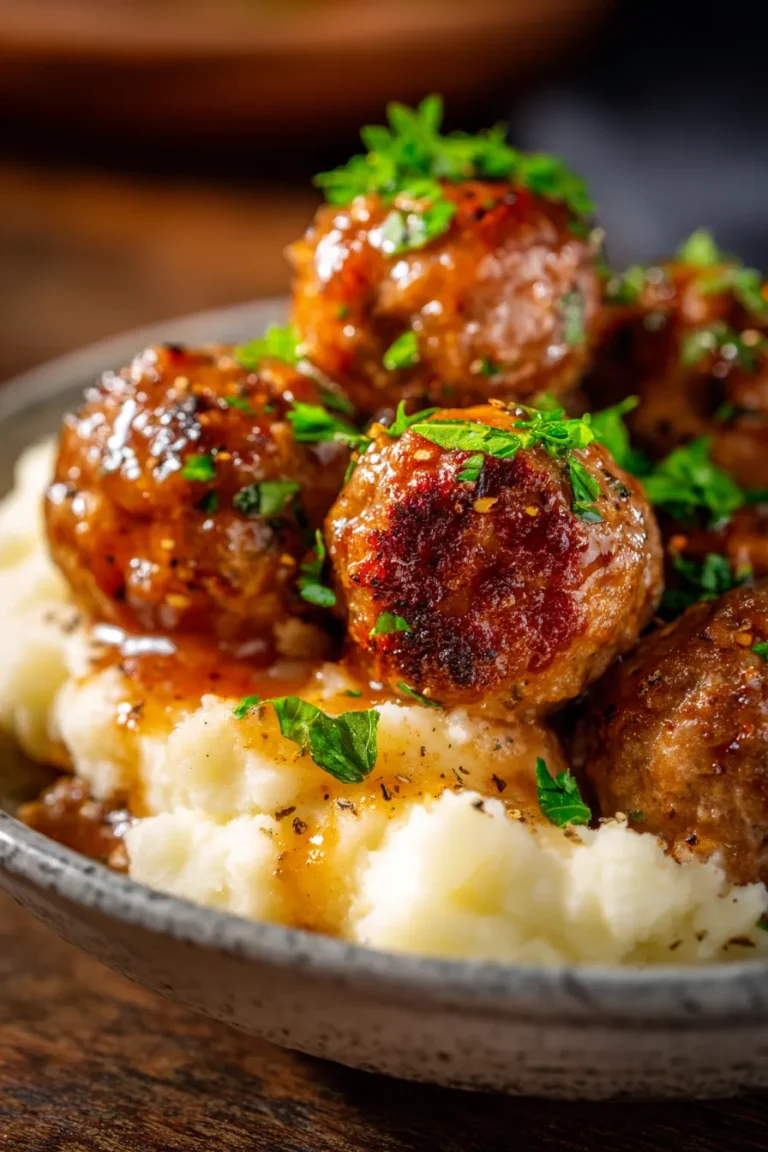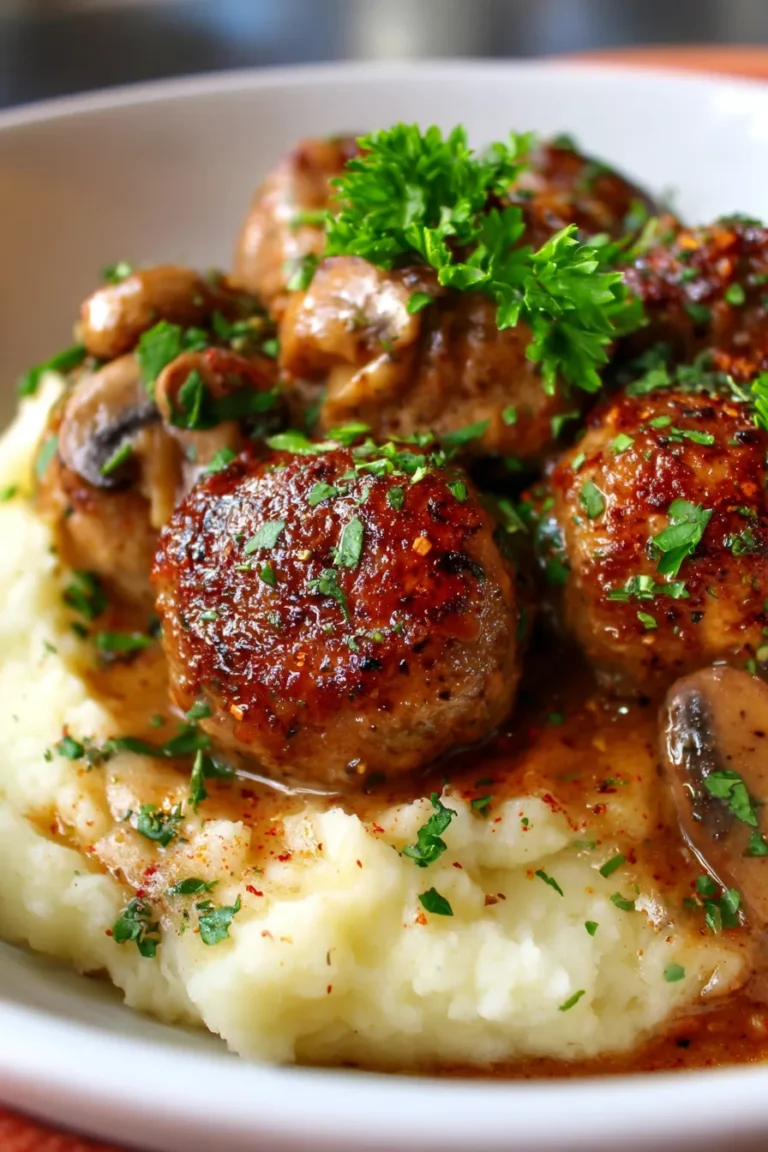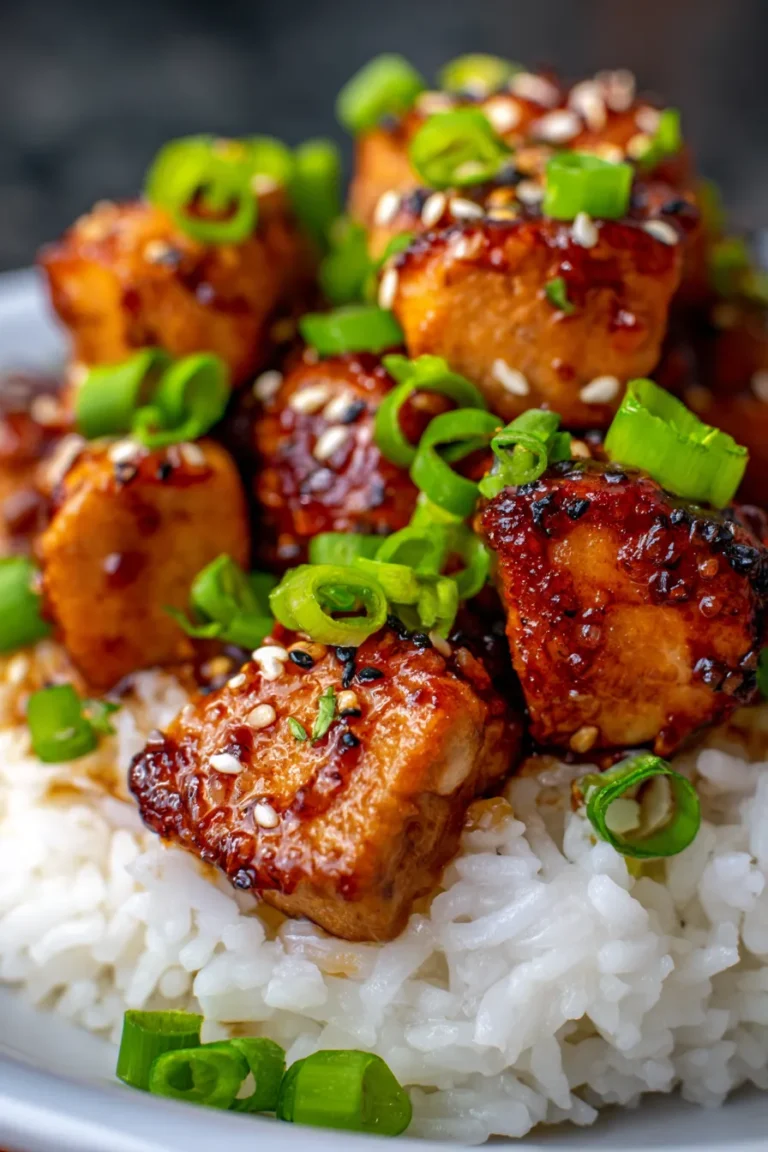
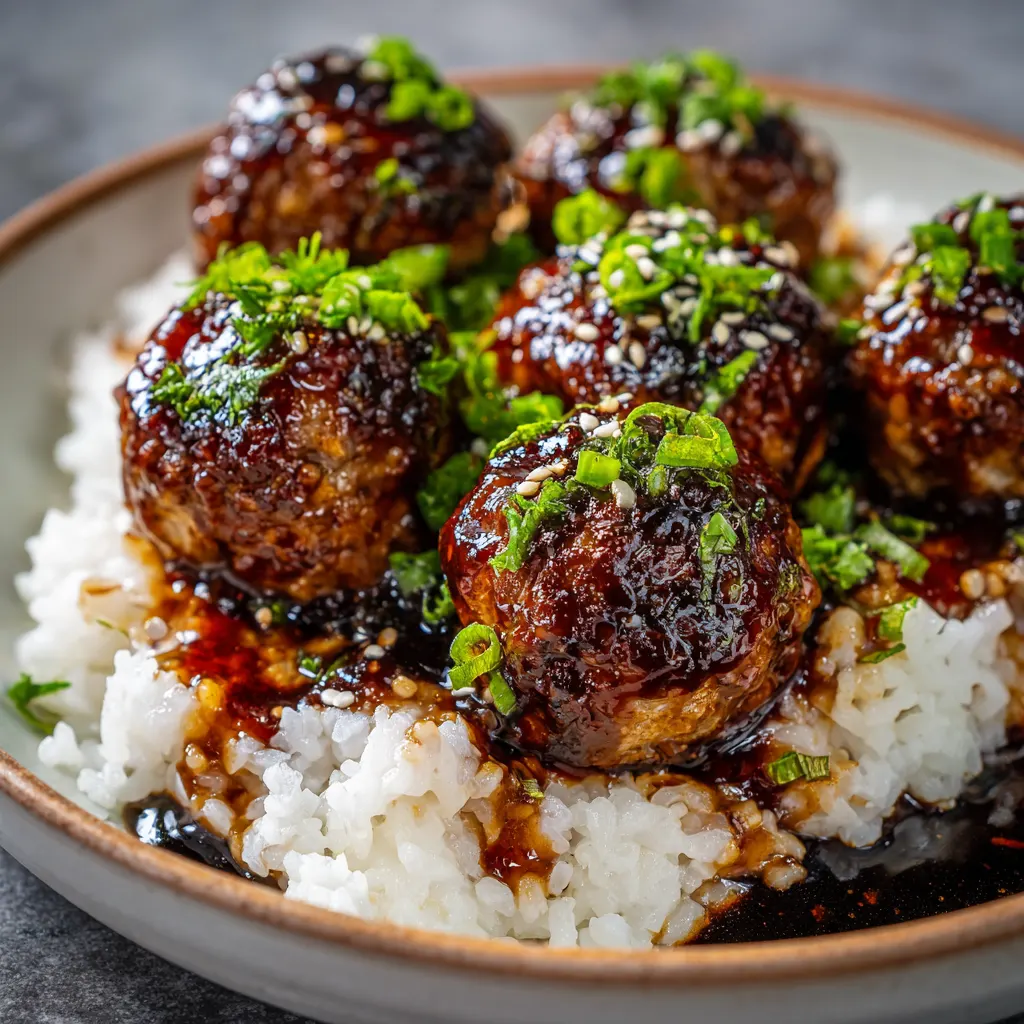
Teriyaki chicken meatballs are the perfect intersection of comfort food and healthy meal prep. This dish takes the classic Japanese-inspired flavors of sweet soy and ginger and transforms them into juicy, bite-sized morsels that are far leaner than their beef counterparts. Whether you are looking for a quick weeknight dinner that the kids will actually eat, or a sophisticated appetizer for your next gathering, these meatballs deliver a punch of umami flavor with minimal effort. By using ground chicken and a few pantry staples, you can create a meal that tastes like high-end takeout but fits perfectly into a balanced lifestyle.
Ingredients You’ll Need
For the Chicken Meatballs:
-
Ground Chicken: 1 lb (preferably a mix of breast and thigh meat for moisture).
-
Panko Breadcrumbs: ½ cup (keeps the meatballs light and airy).
-
Egg: 1 large (acts as the binder).
-
Garlic: 2 cloves, minced.
-
Fresh Ginger: 1 tsp, grated (essential for that authentic zing).
-
Green Onions: 2, finely sliced.
-
Soy Sauce: 1 tbsp.
-
Sesame Oil: 1 tsp.
-
Salt and Black Pepper: To taste.
For the Homemade Teriyaki Sauce:
-
Soy Sauce: ½ cup (low-sodium is recommended).
-
Water: ¼ cup.
-
Honey or Brown Sugar: ¼ cup (adjust based on preferred sweetness).
-
Rice Vinegar: 1 tbsp.
-
Garlic & Ginger: ½ tsp each, minced.
-
Cornstarch Slurry: 1 tbsp cornstarch whisked into 2 tbsp cold water.
Step-by-Step Preparation
-
Prep the Oven and Pan: Preheat your oven to 400°F (200°C) and line a large baking sheet with parchment paper or a silicone mat. This prevents sticking and makes cleanup a breeze.
-
Mix the Meatballs: In a large mixing bowl, combine the ground chicken, panko, egg, minced garlic, grated ginger, green onions, soy sauce, and sesame oil. Use your hands or a spatula to mix until just combined—be careful not to overwork the meat, as this can make the meatballs tough.
-
Shape and Bake: Scoop about 1 to 2 tablespoons of the mixture and roll into smooth balls (roughly the size of a golf ball). Place them on the prepared baking sheet, spaced an inch apart. Bake for 15–18 minutes, or until the internal temperature reaches 165°F.
-
Simmer the Sauce: While the meatballs bake, combine the soy sauce, water, sweetener, vinegar, garlic, and ginger in a small saucepan over medium heat. Bring to a gentle simmer. Whisk in the cornstarch slurry and continue to stir until the sauce thickens into a glossy glaze.
-
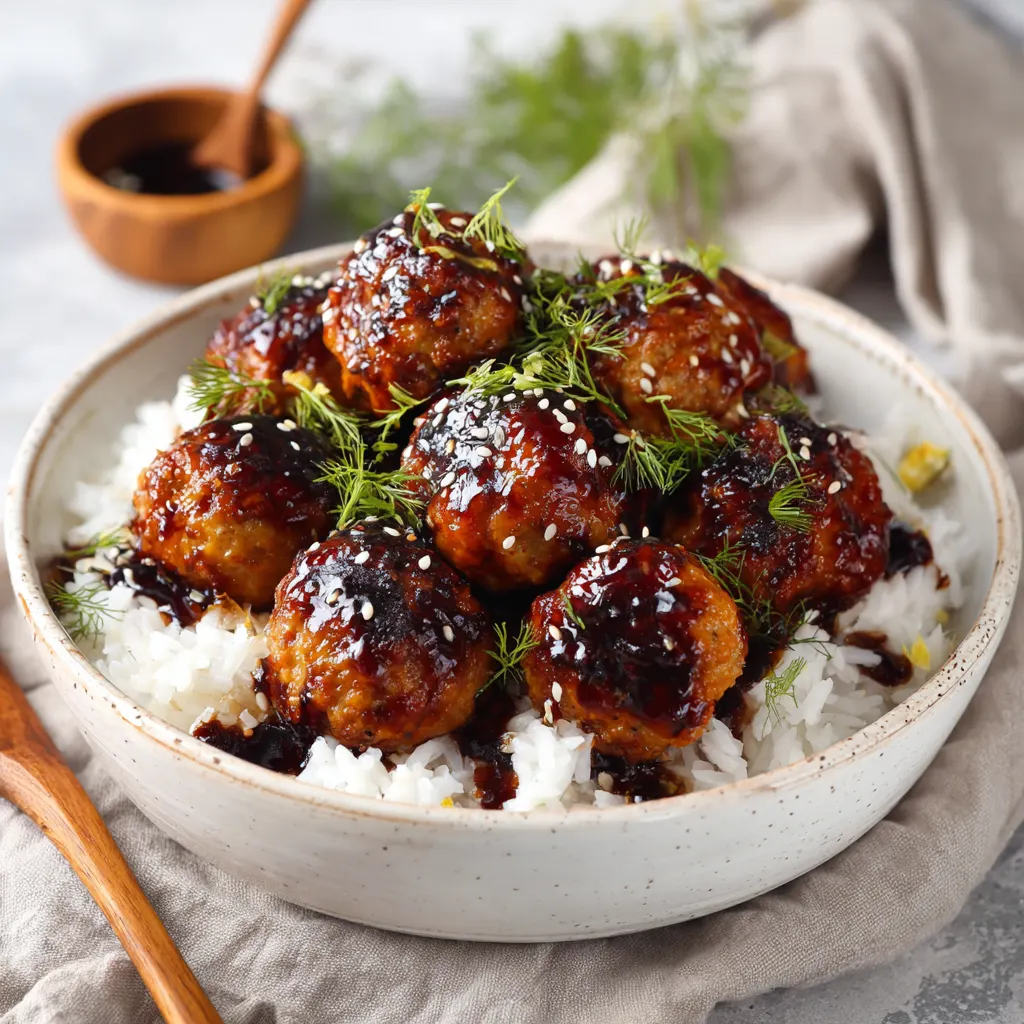
Glaze and Serve: Once the meatballs are out of the oven, toss them directly into the saucepan with the glaze, or place them in a bowl and pour the sauce over the top. Stir gently to ensure every meatball is perfectly coated.
Mastering the Texture of Ground Chicken
Working with ground chicken can be slightly different than working with beef or pork. Because chicken is naturally leaner, it has a higher moisture content and a softer consistency, which can make the raw mixture feel “sticky.” To manage this, lightly grease your hands with olive oil or water before rolling the meatballs. This prevents the meat from sticking to your palms and results in a much smoother exterior.
Another key to perfect texture is the choice of breadcrumbs. While traditional breadcrumbs work, Panko is the preferred choice for teriyaki meatballs. Panko flakes are larger and airier, creating little pockets that trap the juices of the meat. If you are looking for a gluten-free alternative, almond flour or crushed rice crackers work exceptionally well as a substitute binder without compromising the structural integrity of the meatball.
Flavor Profiles and Customization
The beauty of a homemade teriyaki glaze lies in the ability to balance the four pillars of flavor: salty, sweet, acidic, and spicy. If you prefer a deeper, more molasses-like sweetness, opt for dark brown sugar. For a cleaner, floral sweetness, honey or agave nectar are excellent choices. If you want to add a layer of heat, a teaspoon of Sriracha or red chili flakes whisked into the sauce will provide a subtle back-of-the-throat warmth that complements the ginger.
For those looking to add more nutrients, you can finely grate vegetables like carrots or zucchini and fold them into the meat mixture. This not only sneaks in a serving of greens but also adds extra moisture to the chicken. Just ensure you squeeze any excess water out of the grated vegetables before adding them to the bowl to prevent the meatballs from becoming too soft.
Serving Suggestions and Meal Pairing
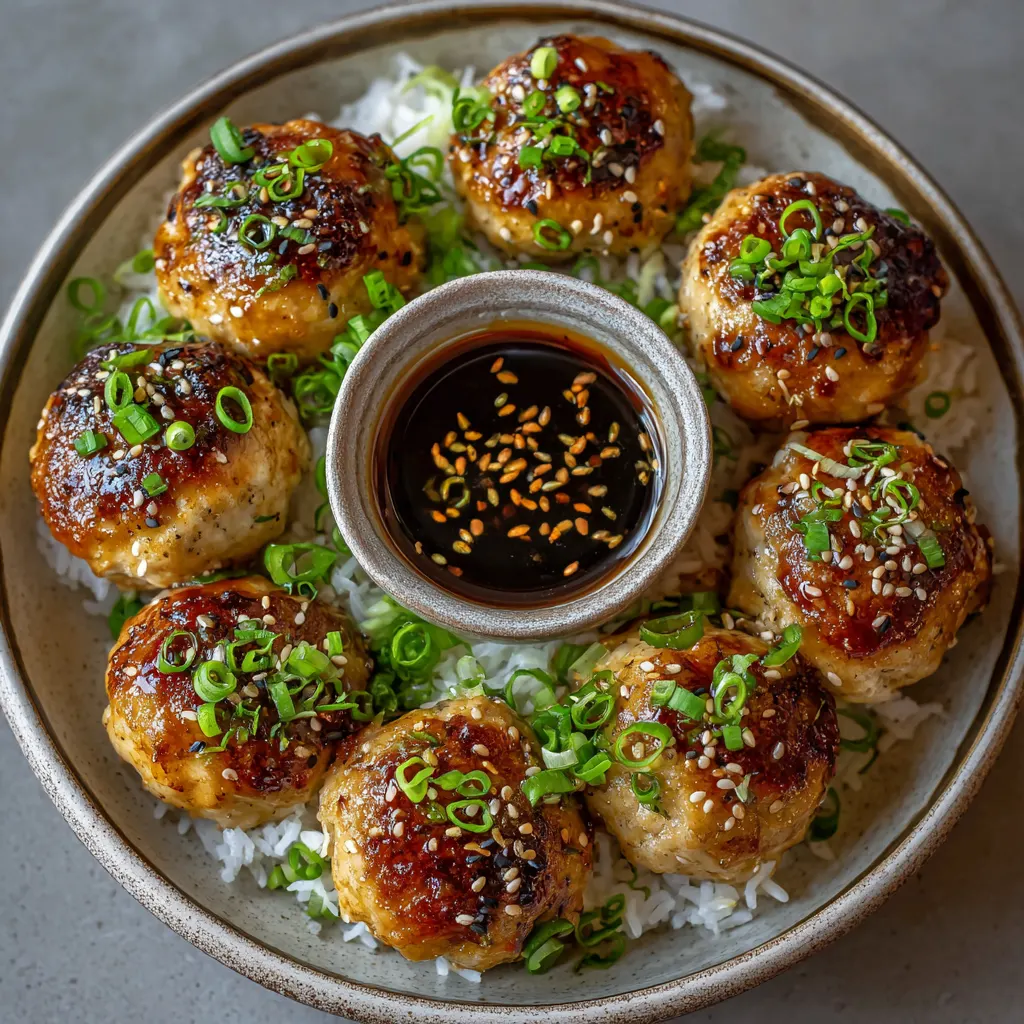
Teriyaki chicken meatballs are incredibly versatile when it comes to serving. For a classic “bowl” style meal, serve them over a bed of fluffy jasmine rice or brown rice. The extra teriyaki sauce will seep into the rice, making every bite flavorful. To keep it low-carb, swap the rice for cauliflower rice or a bed of sautéed zoodles (zucchini noodles).
To round out the plate, add a side of steamed broccoli, snap peas, or a vibrant Asian-inspired slaw with a sesame vinaigrette. For an appetizer presentation, serve the meatballs on a platter with toothpicks, garnished generously with toasted sesame seeds and extra chopped green onions. They also hold up remarkably well in a lunchbox, making them a premier choice for weekly meal prep.
Storage and Reheating Tips
If you find yourself with leftovers, these meatballs store beautifully. Place them in an airtight container in the refrigerator for up to four days. When reheating, it is best to do so gently on the stovetop with a splash of water or extra soy sauce to loosen the glaze. This prevents the chicken from drying out, which can happen in a high-power microwave.
For long-term storage, you can freeze the meatballs either cooked or uncooked. If freezing cooked meatballs, let them cool completely before placing them in a freezer-safe bag. They will stay fresh for up to three months. To serve from frozen, simply thaw in the refrigerator overnight and reheat until warmed through. Having a bag of these in the freezer means a high-quality, delicious dinner is always only minutes away.