Easy Recipe Teriyaki Salmon Bowls
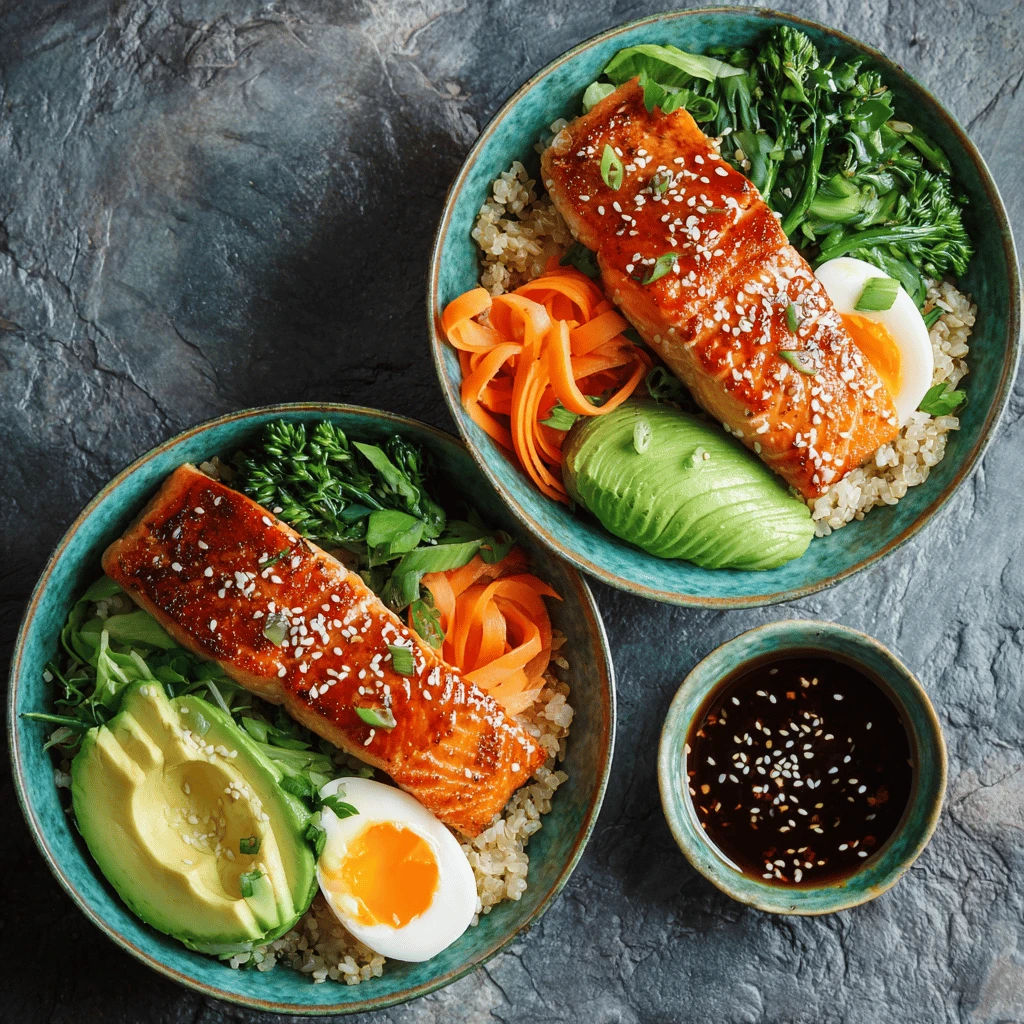
Teriyaki Salmon Bowls are a delicious and healthy meal that’s incredibly easy to make at home. Packed with flavor and nutrients, they’re perfect for a quick weeknight dinner or a satisfying lunch. This guide will walk you through creating the perfect Teriyaki Salmon Bowl, from selecting the right ingredients to mastering the art of the teriyaki glaze.
Mastering the Teriyaki Salmon
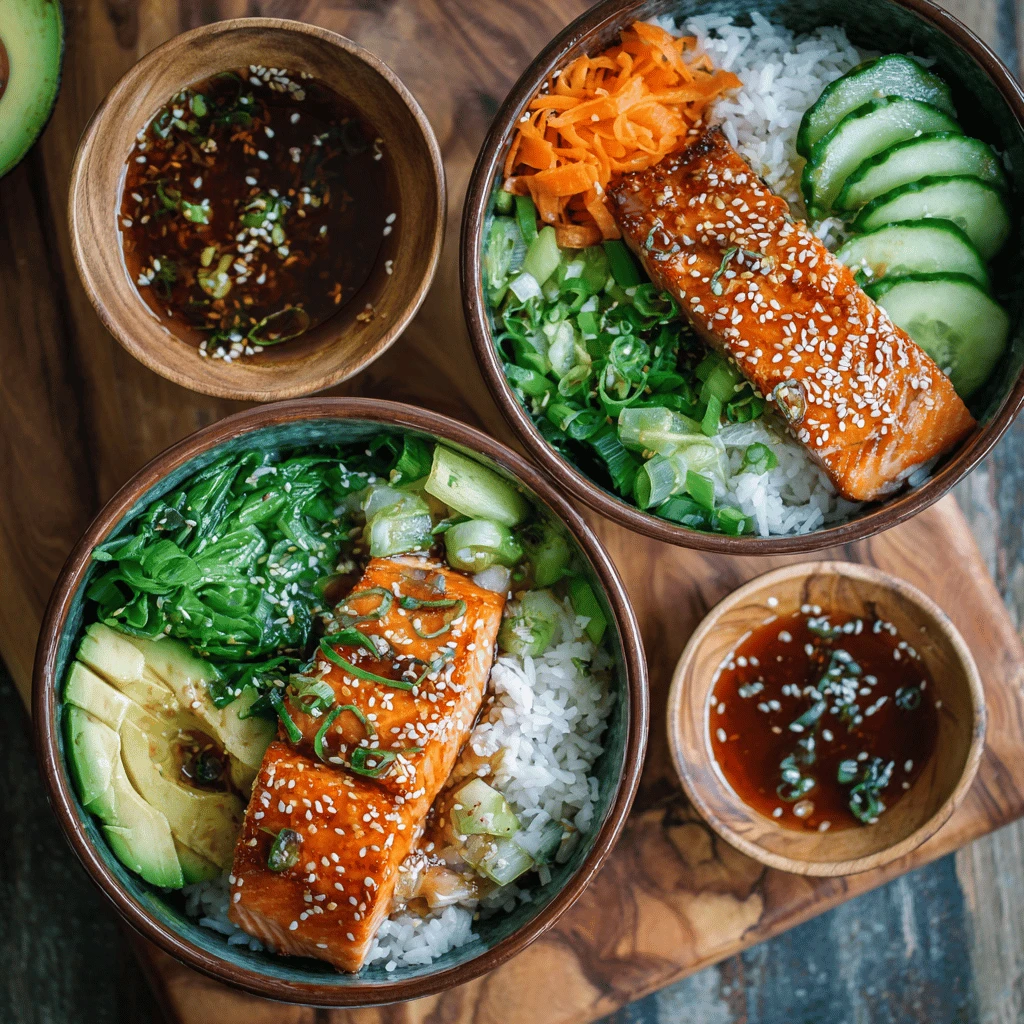
The heart of any great Teriyaki Salmon Bowl is, of course, the salmon itself. Here’s how to prepare it to perfection:
Choosing Your Salmon
The quality of your salmon significantly impacts the final dish. Opt for fresh, wild-caught salmon whenever possible. Look for bright, vibrant flesh with no signs of discoloration or strong odor. Farm-raised salmon is also a viable option, but be mindful of its source.
Consider the thickness of your salmon fillets. Evenly thick fillets will cook more uniformly. Skin-on or skinless is a matter of preference. Skin-on salmon will have a richer flavor and crisper texture if cooked correctly, while skinless salmon is easier to handle and cook.
Crafting the Perfect Teriyaki Glaze
A good teriyaki glaze is a balance of sweet, savory, and umami flavors. While store-bought teriyaki sauce is convenient, making your own allows you to control the ingredients and tailor the flavor to your liking.
Here’s a basic teriyaki glaze recipe:
- Soy Sauce: The foundation of the glaze, providing a salty and umami base.
- Mirin: A sweet Japanese rice wine that adds sweetness and depth of flavor. If you can’t find mirin, you can substitute it with dry sherry or sweet marsala wine, adding a touch of sugar to compensate for the sweetness.
- Sake (Optional): Adds another layer of flavor and aroma. Substitute with rice wine vinegar or dry white wine in a pinch.
- Sugar: Provides sweetness and helps the glaze thicken. Brown sugar adds a richer, molasses-like flavor.
- Ginger: Freshly grated ginger adds a warm, spicy note.
- Garlic: Minced garlic provides a pungent and savory element.
- Cornstarch: Used to thicken the glaze to the desired consistency. Mix it with a little cold water to create a slurry before adding it to the sauce to prevent lumps.
Combine all ingredients in a saucepan and simmer over medium heat, stirring constantly, until the sauce thickens to a syrupy consistency. This usually takes about 5-7 minutes.
Cooking the Salmon
There are several ways to cook your salmon, each offering a slightly different texture and flavor.
- Pan-Seared: This method creates a beautiful sear on the outside while keeping the inside moist and tender. Heat a tablespoon of oil in a skillet over medium-high heat. Place the salmon fillets skin-side down (if using skin-on) in the hot pan and cook for 4-5 minutes, or until the skin is crispy and golden brown. Flip the salmon and cook for another 2-3 minutes, or until the fish is cooked through and flakes easily with a fork. Baste the salmon with teriyaki glaze during the last minute of cooking to create a sticky, flavorful coating.
- Baked: Baking is a hands-off method that’s great for cooking multiple salmon fillets at once. Preheat your oven to 400°F (200°C). Place the salmon fillets on a baking sheet lined with parchment paper. Brush with teriyaki glaze and bake for 12-15 minutes, or until the salmon is cooked through.
- Grilled: Grilling imparts a smoky flavor to the salmon. Preheat your grill to medium heat. Place the salmon fillets skin-side down (if using skin-on) on the grill grates and cook for 4-5 minutes per side, or until the salmon is cooked through. Baste with teriyaki glaze during the last few minutes of grilling.
- Air Fryer: A quick and easy method. Preheat your air fryer to 400°F (200°C). Place the salmon fillets in the air fryer basket and cook for 8-10 minutes, or until the salmon is cooked through. Brush with teriyaki glaze during the last few minutes of cooking.
Building Your Bowl: The Base and Toppings
Once your salmon is cooked and glazed, it’s time to assemble your Teriyaki Salmon Bowl.
Choosing Your Base
The base of your bowl provides the foundation for all the other flavors and textures.
- Rice: The most classic choice. White rice, brown rice, or sushi rice all work well. Brown rice offers a nuttier flavor and more fiber. Sushi rice is stickier, which helps to hold the bowl together.
- Quinoa: A healthy and protein-rich alternative to rice.
- Cauliflower Rice: A low-carb option that’s light and fluffy.
- Noodles: Soba noodles or udon noodles can add a unique twist.
Adding Vegetables
Vegetables add color, texture, and nutrients to your bowl.
- Steamed Broccoli: A classic and healthy addition.
- Edamame: Adds a pop of green and a satisfying crunch.
- Avocado: Creamy and rich, avocado complements the teriyaki flavor.
- Carrots: Shredded or julienned carrots add sweetness and crunch.
- Cucumbers: Sliced cucumbers provide a refreshing coolness.
- Bell Peppers: Sliced bell peppers add sweetness and color.
Finishing Touches: Toppings and Garnishes
Toppings and garnishes are the final flourish that elevates your Teriyaki Salmon Bowl.
- Sesame Seeds: Adds a nutty flavor and visual appeal.
- Green Onions: Sliced green onions provide a fresh, oniony bite.
- Pickled Ginger: Adds a tangy and spicy kick.
- Seaweed Salad: Provides a briny and umami flavor.
- Spicy Mayo: Adds a creamy and spicy element. Mix mayonnaise with sriracha sauce to your desired level of spiciness.
- Furikake: A Japanese seasoning blend that typically includes sesame seeds, seaweed, and dried fish flakes.
Customizing Your Teriyaki Salmon Bowl
The beauty of Teriyaki Salmon Bowls is their versatility. Feel free to experiment with different ingredients and flavors to create your own signature bowl.
Spice It Up
If you like a little heat, add a pinch of red pepper flakes to your teriyaki glaze or drizzle some sriracha over your bowl. You can also add a dollop of gochujang (Korean chili paste) to your spicy mayo for an extra kick.
Make it Vegetarian
Substitute the salmon with tofu or tempeh for a vegetarian option. Press the tofu to remove excess water and pan-fry or bake it until golden brown. Marinate the tofu or tempeh in the teriyaki glaze before cooking.
Low-Carb Options
Use cauliflower rice as your base and load up on non-starchy vegetables like broccoli, spinach, and bell peppers. You can also use a sugar-free sweetener in your teriyaki glaze to reduce the carbohydrate content.
Meal Prep Friendly
Teriyaki Salmon Bowls are perfect for meal prepping. Cook the salmon, rice, and vegetables ahead of time and store them separately in airtight containers in the refrigerator. Assemble the bowls just before serving.
Serving and Storage
Serve your Teriyaki Salmon Bowl immediately after assembling for the best flavor and texture. If you have leftovers, store them in an airtight container in the refrigerator for up to 2 days. Reheat the salmon gently in the microwave or oven to avoid drying it out.
Frequently Asked Questions (FAQ)
Can I use frozen salmon?
Yes, you can use frozen salmon. Make sure to thaw it completely before cooking. Pat it dry with paper towels to remove excess moisture.
How do I know when the salmon is cooked through?
The salmon is cooked through when it flakes easily with a fork. The internal temperature should reach 145°F (63°C).
Can I make the teriyaki sauce ahead of time?
Yes, you can make the teriyaki sauce ahead of time and store it in an airtight container in the refrigerator for up to a week.
What if I don’t have mirin?
You can substitute mirin with dry sherry or sweet marsala wine. Add a touch of sugar to compensate for the sweetness.
Can I add other vegetables to my bowl?
Absolutely! Feel free to add any vegetables you like to your Teriyaki Salmon Bowl. Some other great options include snap peas, bok choy, and shiitake mushrooms.