
Edamame with Sea Salt: The Healthy Snack You Need in Your Life
Edamame with sea salt has emerged as a favorite among health-conscious snackers. These vibrant green soybeans, lightly seasoned with sea salt, offer a delectable combination of taste and nutrition. Let’s explore why this simple snack has become so popular and how it benefits your well-being.
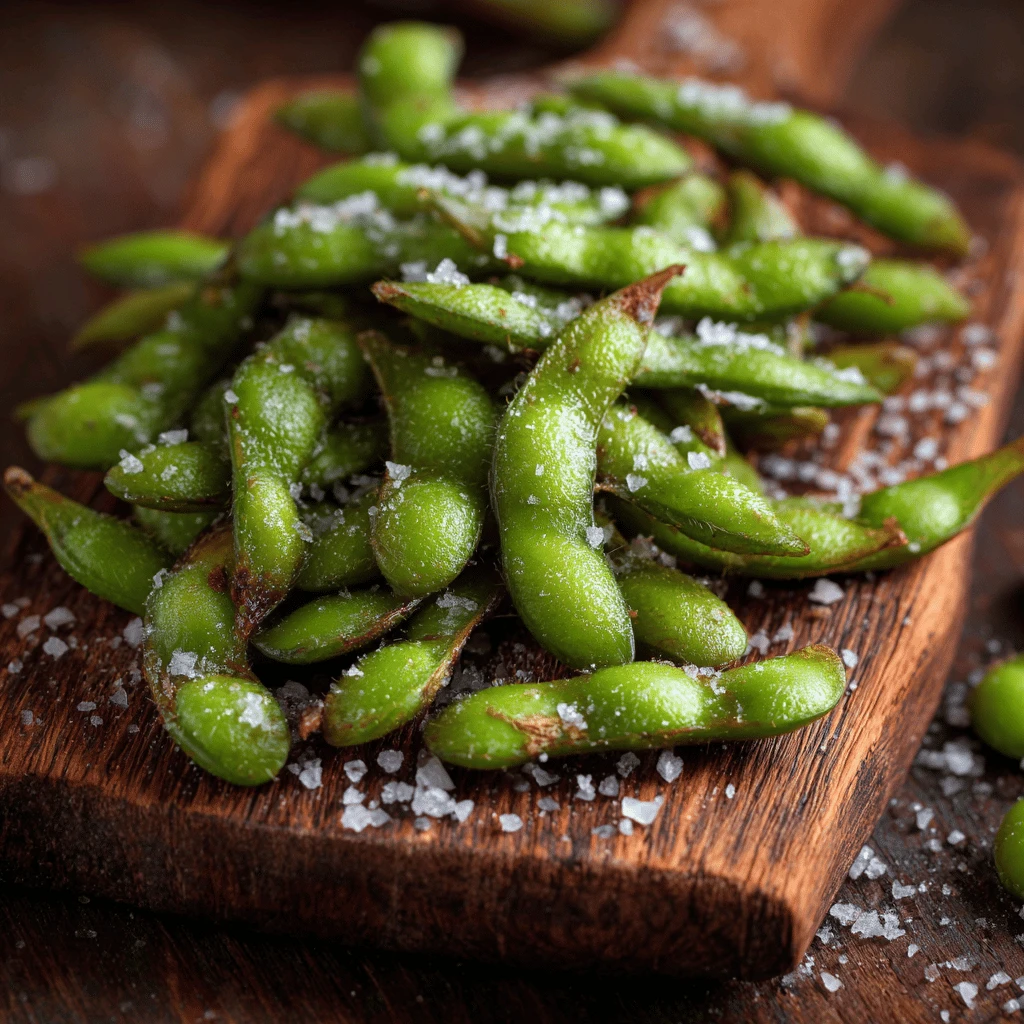
What is Edamame? Unveiling the Soybean Wonder
Edamame simply translates to “stem beans,” referring to young soybeans harvested before they fully ripen. These soybeans are typically steamed or boiled and served in their pods. The bright green color and slightly sweet, nutty flavor, combined with a satisfyingly firm texture, make them incredibly appealing.
From a botanical perspective, edamame is the same plant as the soybeans used to make tofu, soy milk, and soy sauce. The key difference lies in the harvest time. Edamame is picked earlier when the beans are still tender and sweet. It can be found fresh, frozen, or even freeze-dried, offering versatility in preparation and storage. Its origins are deeply rooted in East Asian cuisine, particularly in Japan, China, and Korea. Over centuries, edamame has transitioned from a regional staple to a global snack sensation, embraced by individuals seeking a healthy and flavorful alternative to processed snacks.
Nutritional Powerhouse: Why Edamame is Good for You
Edamame shines in its nutritional profile. It’s a plant-based protein source, packed with essential amino acids. This is especially valuable for vegetarians and vegans looking to meet their protein needs. Beyond protein, edamame is rich in fiber, which promotes healthy digestion, regulates blood sugar levels, and contributes to feelings of fullness, aiding in weight management.
This little legume also boasts an impressive array of vitamins and minerals. It’s a good source of folate, vitamin K, manganese, and iron. Folate is crucial for cell growth and development, while vitamin K plays a vital role in blood clotting and bone health. Manganese acts as an antioxidant, protecting cells from damage, and iron is essential for carrying oxygen throughout the body.
Specifically, a one-cup serving (around 155 grams) of cooked edamame provides approximately:
- Calories: 224
- Protein: 18.4 grams
- Carbohydrates: 13.8 grams
- Fiber: 8 grams
- Fat: 12.1 grams
- Iron: 20% of the Daily Value (DV)
- Manganese: 79% of the DV
- Folate: 121% of the DV
- Vitamin K: 41% of the DV
These nutrients contribute to various health benefits, including improved heart health, bone density, and overall well-being.
Simple Snacking: How to Prepare Edamame with Sea Salt
Preparing edamame with sea salt is incredibly easy, making it a perfect choice for a quick and healthy snack. You can buy it fresh, but frozen edamame is the most convenient option for most people.
Steaming:
1. Place frozen edamame pods in a steamer basket over boiling water.
2. Steam for 5-7 minutes, or until the pods are bright green and tender.
3. Remove from the steamer and toss with sea salt to taste.
Boiling:
1. Bring a pot of salted water to a boil.
2. Add the frozen edamame pods and cook for 5-7 minutes, or until tender.
3. Drain the edamame and toss with sea salt.
Microwaving:
1. Place frozen edamame pods in a microwave-safe bowl with a tablespoon of water.
2. Cover the bowl and microwave on high for 3-5 minutes, or until tender.
3. Drain any excess water and toss with sea salt.
Roasting (For a Crispy Texture):
1. Preheat your oven to 400°F (200°C).
2. Toss shelled edamame beans (fresh or thawed frozen) with a little olive oil and sea salt.
3. Spread them in a single layer on a baking sheet.
4. Roast for 15-20 minutes, or until lightly browned and crispy.
Tips for Enhancing the Flavor:
- Sea Salt Variations: Experiment with different types of sea salt, such as smoked sea salt, flavored sea salt, or Himalayan pink salt, to add unique nuances to the flavor.
- Spice it up: Add a pinch of red pepper flakes or a dash of chili powder for a spicy kick.
- Citrus Zest: A squeeze of lemon or lime juice, or a sprinkle of zest, can brighten the flavor.
- Garlic Powder: A light dusting of garlic powder adds a savory note.
- Soy Sauce: A light drizzle after cooking adds umami.
No matter which method you choose, edamame with sea salt is a simple, delicious, and nutritious snack that can be enjoyed anytime.
Beyond Snacking: Creative Ways to Incorporate Edamame
While edamame with sea salt is a fantastic snack on its own, its versatility extends far beyond. Incorporating it into your meals can boost their nutritional value and add a delightful textural element.
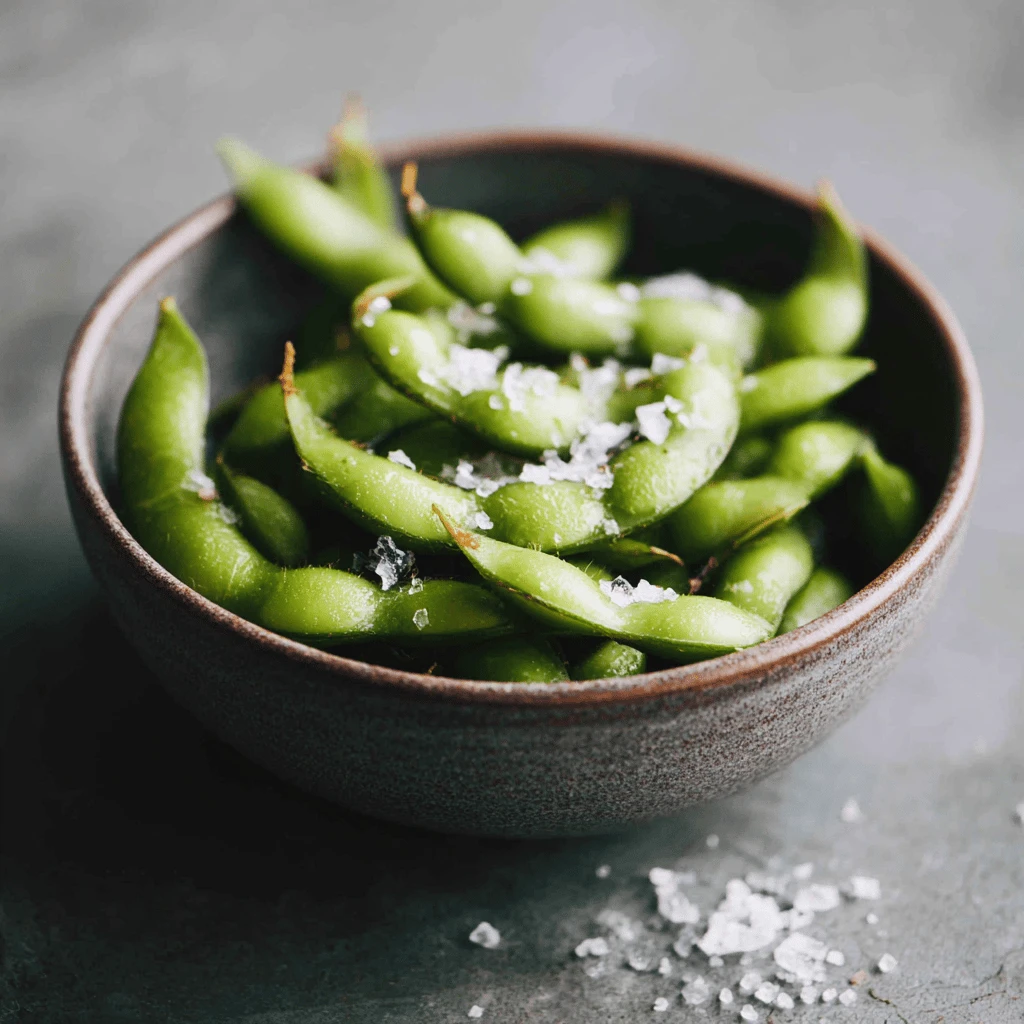
- Salads: Add shelled edamame to your salads for extra protein and fiber. It pairs well with leafy greens, tomatoes, cucumbers, and a variety of dressings.
- Soups and Stews: Edamame can be a great addition to soups and stews, adding substance and a pop of color. Try adding it to miso soup, vegetable soup, or even chili.
- Grain Bowls: Create a balanced and satisfying grain bowl with quinoa, brown rice, or farro, topped with edamame, vegetables, and a flavorful sauce.
- Dips and Spreads: Blend edamame with tahini, lemon juice, garlic, and spices to create a creamy and nutritious dip or spread. Serve with vegetables, crackers, or pita bread.
- Noodle Dishes: Add edamame to stir-fried noodles or pasta dishes for extra protein and texture. It works well with both Asian-inspired and Italian-inspired recipes.
- Edamame Hummus: A twist on traditional hummus, edamame hummus is a vibrant and flavorful alternative. Simply substitute chickpeas with edamame in your favorite hummus recipe.
- Edamame Burgers: Create plant-based burgers by combining mashed edamame with breadcrumbs, vegetables, and spices. Grill or pan-fry until golden brown.
Common Questions About Edamame: Your FAQs Answered
Here are some frequently asked questions about edamame, addressing common concerns and curiosities.
Is edamame good for weight loss?
Yes, edamame can be a helpful addition to a weight management plan. Its high protein and fiber content promotes satiety, helping you feel fuller for longer and reducing the likelihood of overeating.
Is edamame a complete protein?
Yes, edamame is considered a complete protein because it contains all nine essential amino acids that the body cannot produce on its own. This makes it a valuable protein source, particularly for those following vegetarian or plant-based diets.
Is edamame a legume?
Yes, edamame is a legume, belonging to the same family as beans, lentils, and peas. Legumes are known for their high protein and fiber content, making them a nutritious addition to any diet.
Is edamame high in estrogen?
Edamame contains isoflavones, which are plant compounds that can mimic the effects of estrogen in the body. However, research suggests that the isoflavones in edamame do not significantly impact estrogen levels in most people.
Can you eat too much edamame?
While edamame is generally safe to consume in moderation, eating excessive amounts may lead to digestive issues, such as bloating and gas, due to its high fiber content.
Is edamame keto-friendly?
Edamame is relatively higher in carbohydrates compared to some other keto-friendly foods. However, you can eat small servings if you are on a ketogenic diet. Keep track of total carbohydrates per serving.
Is edamame good for cholesterol?
Yes. Edamame has been shown to lower LDL (bad) cholesterol and raise HDL (good) cholesterol levels.
Should edamame be refrigerated after cooking?
Yes. Store cooked edamame in an airtight container in the refrigerator for up to three days.