Healthy Chicken Meal Prep Bowls: Your Ultimate Guide to Delicious & Nutritious Meals
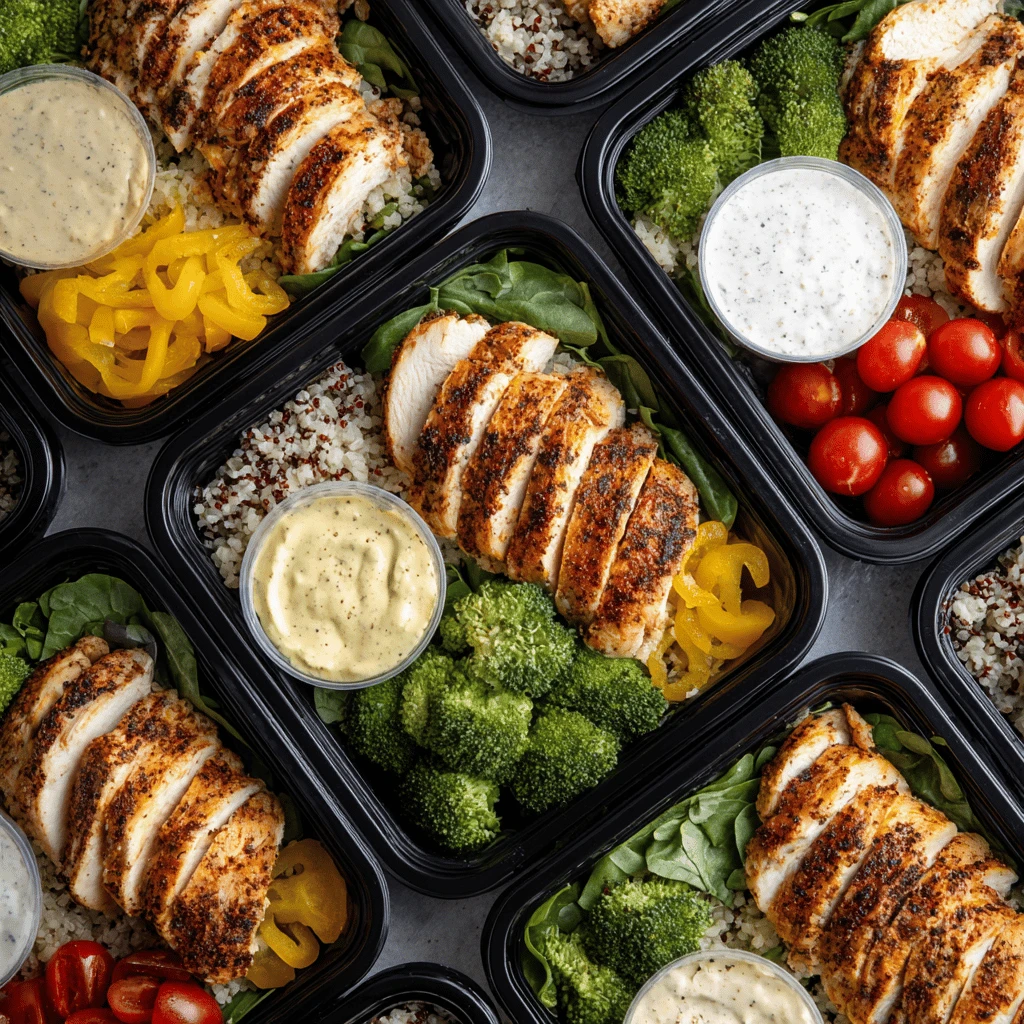
Meal prepping has become a cornerstone of healthy eating for busy individuals, and chicken meal prep bowls are a fantastic way to ensure you have a delicious, nutritious, and readily available meal throughout the week. This comprehensive guide will walk you through everything you need to know about creating amazing chicken meal prep bowls, from selecting the right ingredients to mastering the art of storage and reheating.
Why Chicken Meal Prep Bowls Are a Game Changer
Chicken meal prep bowls offer a multitude of benefits, making them an ideal choice for health-conscious individuals.
Time-Saving Convenience
In today’s fast-paced world, time is a precious commodity. Meal prepping allows you to dedicate a few hours on the weekend to prepare several meals, freeing up valuable time during the week. No more last-minute takeout orders or unhealthy impulse decisions. With pre-made chicken bowls, you’ll have a satisfying and nourishing meal ready in minutes.
Portion Control for Weight Management
One of the biggest advantages of meal prepping is the ability to precisely control portion sizes. This is crucial for weight management, as it prevents overeating and ensures you’re consuming the right amount of calories to reach your goals. Pre-packaging your chicken bowls allows you to avoid mindless snacking and stay on track with your dietary plan.
Healthier Eating Habits
By choosing your ingredients and preparing your meals from scratch, you have complete control over what you’re putting into your body. You can opt for lean proteins, healthy grains, and vibrant vegetables, avoiding processed foods, excessive sodium, and unhealthy fats often found in restaurant meals or pre-packaged options.
Cost-Effective Solution
Eating out regularly can quickly drain your wallet. Meal prepping chicken bowls is a significantly more cost-effective alternative. Buying ingredients in bulk and preparing multiple meals at once can save you a considerable amount of money each week.
Building the Perfect Chicken Meal Prep Bowl: Essential Components
Creating a delicious and nutritious chicken meal prep bowl involves carefully selecting each component to ensure a balanced and flavorful meal.
Choosing Your Chicken
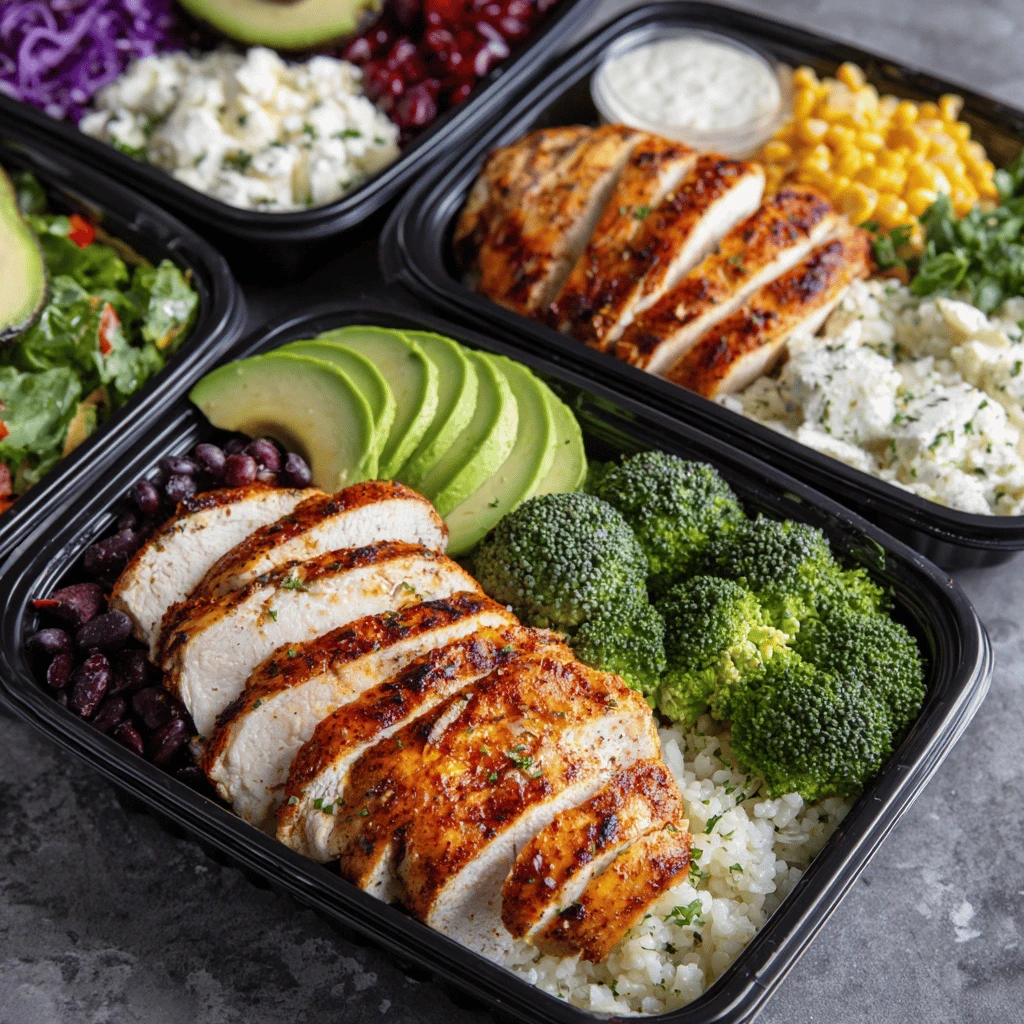
The foundation of any good chicken meal prep bowl is, of course, the chicken itself. Opt for lean cuts like chicken breast or tenderloin, which are packed with protein and low in fat.
- Preparation Methods: There are various ways to cook your chicken for meal prep. Grilling, baking, roasting, poaching, and even using an air fryer are all excellent options. Each method imparts a unique flavor and texture. Remember to avoid frying for a healthy meal.
- Seasoning and Flavor: Don’t be afraid to experiment with different seasonings and marinades to add depth and complexity to your chicken. Consider classic combinations like garlic and herb, lemon pepper, or smoky paprika. For a global twist, try teriyaki, fajita seasoning, or a spicy Thai peanut sauce.
Selecting Your Carbohydrates
Carbohydrates provide energy and essential nutrients. Choose complex carbohydrates that are slowly digested, keeping you feeling full and satisfied for longer.
- Healthy Grain Options: Quinoa, brown rice, farro, and barley are excellent choices. They are rich in fiber, vitamins, and minerals. Pre-cooking these grains according to package instructions is essential for easy assembly.
- Other Carbohydrate Sources: Sweet potatoes, roasted vegetables (such as butternut squash or beets), and even whole-wheat pasta can be incorporated into your meal prep bowls.
Incorporating Vegetables
Vegetables are crucial for providing vitamins, minerals, and fiber. Aim for a variety of colors and textures to maximize nutritional benefits.
- Fresh and Cooked Vegetables: Consider a mix of fresh and cooked vegetables. Raw spinach, lettuce, shredded cabbage, or sliced cucumbers add a refreshing crunch, while roasted broccoli, bell peppers, or zucchini provide a warm and savory element.
- Creative Vegetable Combinations: Don’t be afraid to get creative with your vegetable combinations. Try adding roasted asparagus with lemon, sautéed mushrooms with garlic, or a vibrant slaw with carrots and red cabbage.
Adding Healthy Fats
Healthy fats are essential for hormone production, nutrient absorption, and overall health.
- Avocado: A creamy and delicious source of healthy fats, avocado adds a satisfying richness to your meal prep bowls. Dice or slice avocado just before serving to prevent browning.
- Nuts and Seeds: Sprinkle a handful of almonds, walnuts, pumpkin seeds, or sunflower seeds for added crunch and healthy fats.
- Olive Oil-Based Dressings: Use olive oil-based dressings sparingly to add flavor and healthy fats. Consider vinaigrettes with herbs and spices for a light and refreshing option.
Sauces and Dressings
Sauces and dressings can elevate your chicken meal prep bowls from simple to sensational.
- Healthy Options: Look for sauces and dressings with minimal added sugar, sodium, and unhealthy fats. Greek yogurt-based dressings, homemade vinaigrettes, and even a squeeze of lemon juice are excellent choices.
- Flavorful Combinations: Experiment with different flavor combinations. Try a spicy sriracha mayo, a creamy avocado dressing, or a tangy honey mustard.
Delicious Chicken Meal Prep Bowl Recipes to Inspire You
Here are a few recipe ideas to get you started. Remember to adjust the quantities to suit your individual calorie and macro requirements.
Mediterranean Chicken Bowl
- Chicken: Grilled chicken breast seasoned with oregano, thyme, and garlic.
- Carbohydrate: Quinoa.
- Vegetables: Roasted red peppers, cucumbers, tomatoes, Kalamata olives, and red onion.
- Healthy Fats: Feta cheese and a drizzle of olive oil.
- Sauce: Lemon-herb vinaigrette.
Teriyaki Chicken Bowl
- Chicken: Baked chicken breast with teriyaki glaze.
- Carbohydrate: Brown rice.
- Vegetables: Steamed broccoli, shredded carrots, and edamame.
- Healthy Fats: Sesame seeds.
- Sauce: Teriyaki sauce.
Southwest Chicken Bowl
- Chicken: Grilled chicken breast seasoned with chili powder, cumin, and paprika.
- Carbohydrate: Brown rice.
- Vegetables: Black beans, corn, diced tomatoes, and avocado.
- Healthy Fats: Avocado.
- Sauce: Salsa or a cilantro-lime dressing.
Lemon Herb Chicken and Veggie Bowl
- Chicken: Baked chicken breast seasoned with lemon zest, herbs.
- Carbohydrate: Farro.
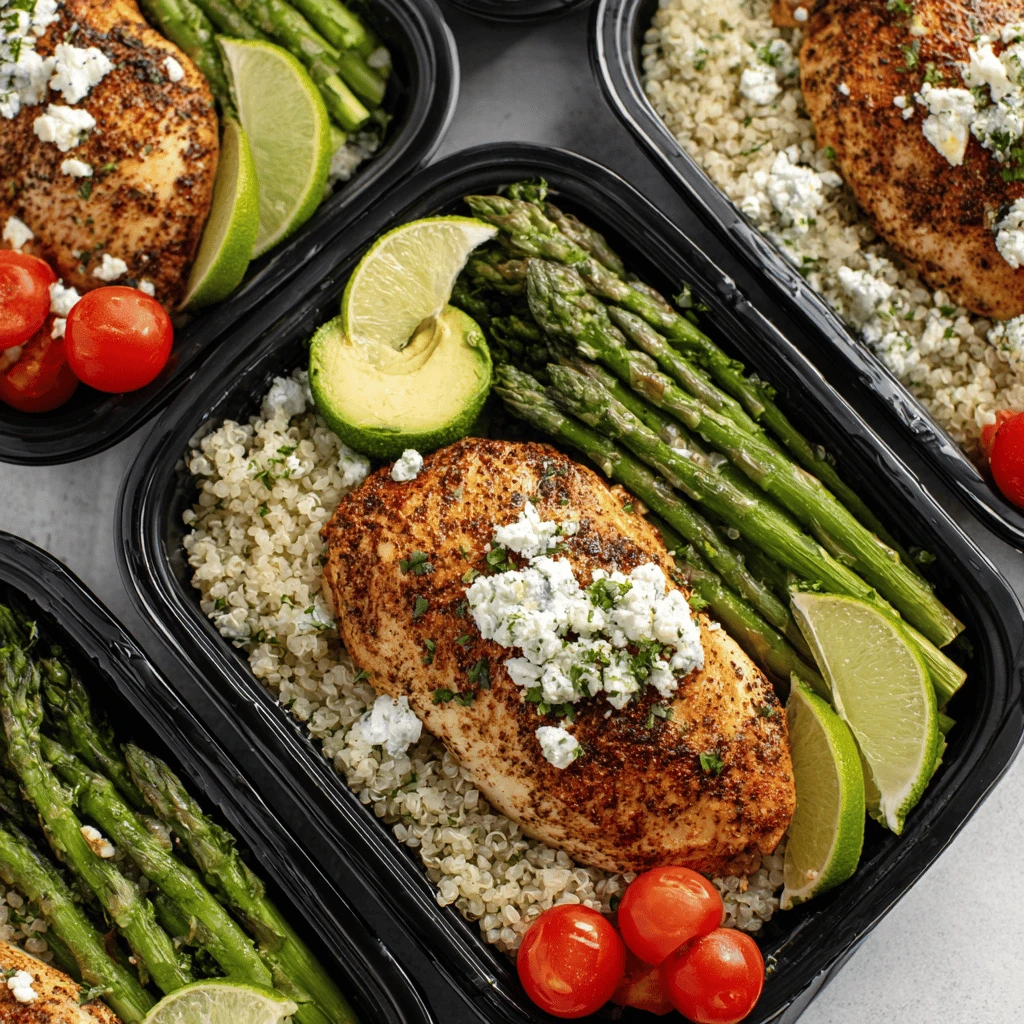
- Vegetables: Roasted asparagus, cherry tomatoes, and spinach.
- Healthy Fats: Pine nuts.
- Sauce: Lemon Vinaigrette.
Spicy Peanut Chicken Noodle Bowl
- Chicken: Chicken tenderloin with spicy peanut glaze.
- Carbohydrate: Whole wheat noodles
- Vegetables: Shredded carrots, red cabbage, and bean sprouts.
- Healthy Fats: Chopped peanuts
- Sauce: Spicy peanut sauce.
Mastering Storage and Reheating for Optimal Freshness
Proper storage and reheating are essential for maintaining the quality and safety of your chicken meal prep bowls.
Choosing the Right Containers
Opt for airtight, BPA-free containers. Glass containers are a great option, but plastic containers are lighter and more convenient for transport. Ensure the containers are properly sealed to prevent spoilage.
Cooling and Storage Guidelines
Allow your cooked ingredients to cool completely before assembling your meal prep bowls. This prevents condensation from forming inside the containers, which can lead to bacterial growth. Store the assembled bowls in the refrigerator for up to 3-4 days.
Reheating Methods
- Microwave: The most convenient option, but can sometimes result in uneven heating. Cover the bowl with a damp paper towel to prevent the chicken from drying out.
- Oven: A good option for even heating, but takes longer. Preheat the oven to 350°F (175°C) and bake for 15-20 minutes, or until heated through.
- Stovetop: Heat the bowl in a pan on the stovetop over medium heat, stirring occasionally. This is a good option for dishes with sauces or stir-fry elements.
Tips for Successful Chicken Meal Prep
- Plan Your Meals: Before you start prepping, plan out your meals for the week. This will help you create a shopping list and ensure you have all the necessary ingredients.
- Prep in Bulk: Prepare large batches of chicken, grains, and vegetables to save time.
- Use a Food Thermometer: Ensure your chicken is cooked to a safe internal temperature of 165°F (74°C).
- Taste as You Go: Season your ingredients as you cook to ensure optimal flavor.
- Don’t Be Afraid to Experiment: Try new recipes and flavor combinations to keep your meal prep routine exciting.
- Vary Textures: Combine crunchy, soft, and chewy elements for a more satisfying meal.
- Label Everything: Label your containers with the date and contents to keep track of your meals.
Frequently Asked Questions About Chicken Meal Prep Bowls
How long do chicken meal prep bowls last in the fridge?
Properly stored chicken meal prep bowls can last in the refrigerator for up to 3-4 days.
Can I freeze chicken meal prep bowls?
Yes, you can freeze chicken meal prep bowls. It’s best to freeze components separately (chicken, grains, vegetables) for optimal texture upon thawing.
What’s the best way to prevent my chicken from drying out when reheating?
Cover the bowl with a damp paper towel when microwaving, or add a small amount of broth or water when reheating on the stovetop.
Can I use pre-cooked chicken for meal prep?
Yes, pre-cooked chicken, such as rotisserie chicken, can be a convenient option for meal prep. Just ensure it’s used within 1-2 days of purchase.
How can I make my meal prep bowls more flavorful?
Experiment with different seasonings, marinades, sauces, and herbs to add depth and complexity to your bowls.
What are some good vegetarian alternatives to chicken?
Tofu, tempeh, lentils, and chickpeas are excellent sources of protein for vegetarian meal prep bowls.
Is it safe to reheat rice?
Yes, but it is important to cool the rice quickly and properly after cooking and keep it refrigerated. When reheating, make sure it is piping hot all the way through.
What are some good low-carb options for meal prep bowls?
Cauliflower rice, zucchini noodles (zoodles), or leafy greens can be used as low-carb alternatives to grains.