Healthy Tuna Salad Meal Prep: Your Guide to Delicious and Nutritious Lunches
Tuna salad is a classic lunchtime staple, but it often gets a bad rap for being unhealthy and boring. Fear not! With a few simple tweaks, you can transform this old favorite into a nutritious and exciting meal prep option that will keep you feeling energized and satisfied all week long. This guide will walk you through creating healthy, flavorful tuna salad variations perfect for meal prepping, ensuring you have delicious and convenient lunches ready to go.
The Foundation: Choosing Your Tuna Wisely
The first step to a healthy tuna salad is selecting the right tuna. Not all tuna is created equal, and the type you choose can significantly impact the nutritional value and flavor of your meal.
Albacore vs. Skipjack: Understanding the Differences
Albacore tuna, often labeled as “white tuna,” has a milder flavor and firmer texture compared to skipjack, sometimes called “light tuna.” Albacore generally contains higher levels of mercury, so it’s recommended to consume it less frequently. Skipjack, on the other hand, is typically lower in mercury and is a more sustainable choice. Consider alternating between the two types for a balanced approach.
Canned in Water vs. Oil: Making the Healthier Choice
Opting for tuna canned in water is a healthier choice than tuna canned in oil. Oil-packed tuna can significantly increase the calorie and fat content of your salad, often using less beneficial oils. Water-packed tuna allows you to control the type and amount of healthy fats you add to your salad, maximizing its nutritional benefits. Be sure to drain the tuna well before using it to prevent a watery salad.
Sustainable Sourcing: Protecting Our Oceans
Whenever possible, choose tuna that is sustainably sourced. Look for certifications like the Marine Stewardship Council (MSC) label, which indicates that the tuna was caught using environmentally responsible fishing practices. Supporting sustainable fisheries helps protect our oceans and ensures that tuna populations remain healthy for future generations.
Elevating Your Tuna Salad: Healthy and Flavorful Additions
Once you’ve chosen your tuna, it’s time to get creative with the ingredients you add to your salad. The key is to focus on nutrient-rich options that enhance both the flavor and texture of your meal.
Ditching the Mayo: Healthier Binding Alternatives
Traditional tuna salad relies heavily on mayonnaise, which can be high in calories and unhealthy fats. Fortunately, there are several delicious and healthier alternatives to explore:
- Greek Yogurt: Plain Greek yogurt is a fantastic substitute for mayonnaise, offering a creamy texture and a boost of protein. Its tangy flavor complements the tuna perfectly.
- Avocado: Mashed avocado adds a creamy richness and healthy fats to your tuna salad. It’s also packed with vitamins and minerals.
- Hummus: A dollop of hummus can add a unique flavor and creamy texture to your tuna salad, while also providing extra fiber and protein.
- Olive Oil-Based Dressing: A simple dressing made with olive oil, lemon juice, and herbs can be a light and flavorful alternative to mayonnaise.
Boosting Flavor and Nutrition: Veggies, Herbs, and Spices
Adding a variety of vegetables, herbs, and spices to your tuna salad can significantly enhance its flavor and nutritional profile:
- Celery: Provides a satisfying crunch and a mild, refreshing flavor.
- Red Onion: Adds a pungent bite and a pop of color.
- Bell Peppers: Offer a sweet and slightly tangy flavor, along with a good dose of vitamin C.
- Pickles or Capers: Introduce a briny, tangy flavor that complements the tuna.
- Fresh Herbs: Dill, parsley, and chives add freshness and vibrancy to your salad.
- Spices: Black pepper, paprika, garlic powder, and onion powder can elevate the flavor profile of your tuna salad.
Adding Healthy Fats and Protein: Powering Up Your Salad
Consider adding ingredients that provide healthy fats and extra protein to your tuna salad:
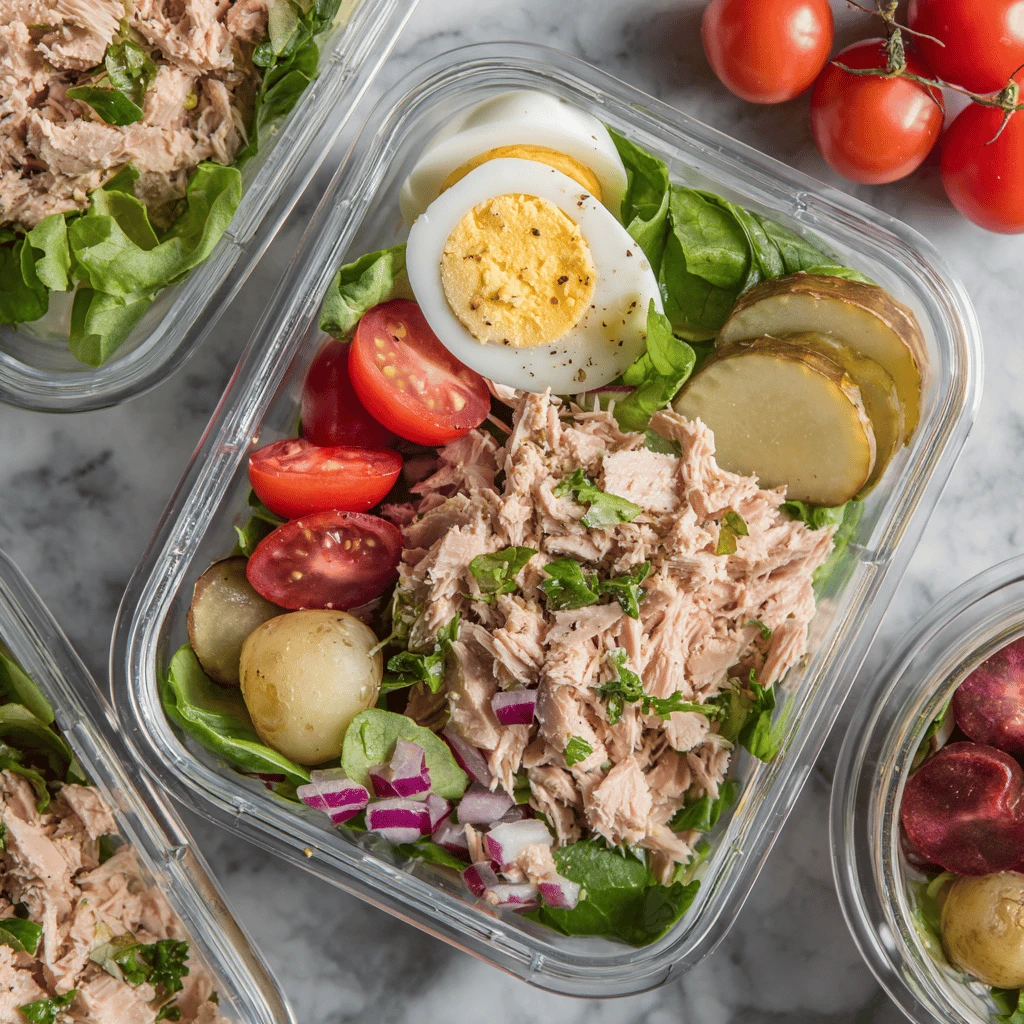
- Hard-Boiled Eggs: A classic addition that provides a boost of protein and healthy fats.
- Nuts and Seeds: Chopped almonds, walnuts, or sunflower seeds add crunch and healthy fats.
- Avocado: As mentioned earlier, avocado provides creamy richness and healthy fats.
- Beans: Chickpeas or white beans can add extra protein and fiber to your salad.
Meal Prep Mastery: Assembling and Storing Your Tuna Salad
Now that you have your tuna salad recipe perfected, it’s time to master the art of meal prepping. Proper assembly and storage are crucial for maintaining freshness and ensuring that your tuna salad stays delicious throughout the week.
Choose Your Vessels: Containers for Optimal Freshness
Select airtight containers for storing your tuna salad. Glass containers are a great option, as they are non-reactive and easy to clean. Plastic containers are also acceptable, but be sure to choose BPA-free options.
Assembling Your Meals: Portioning and Packing
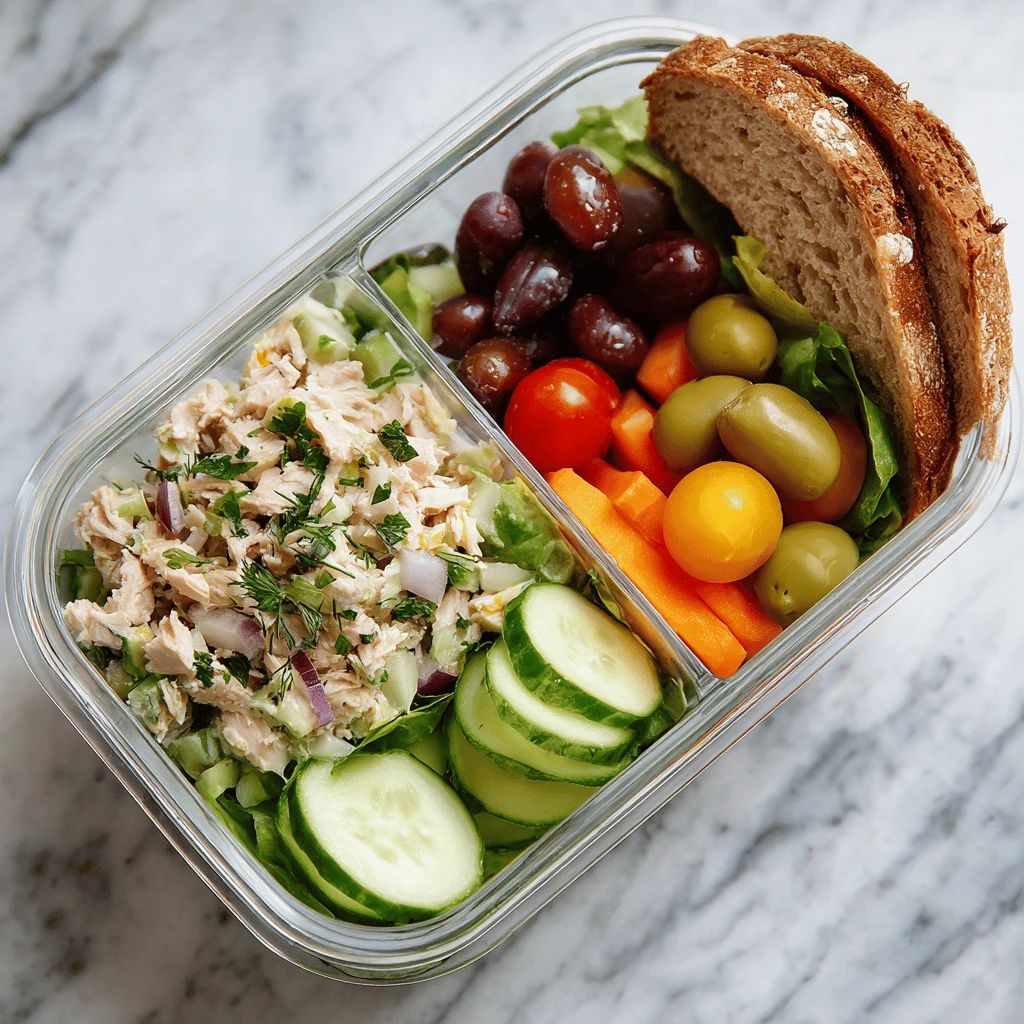
Portion your tuna salad into individual containers for easy grab-and-go lunches. Consider adding a side of whole-grain crackers, fresh vegetables, or a small salad to complete your meal. If you’re using ingredients that might make the salad soggy (like tomatoes), consider packing them separately and adding them right before you eat.
Storage Strategies: Maintaining Freshness and Safety
Store your tuna salad in the refrigerator at a temperature of 40°F (4°C) or below. Properly stored tuna salad should last for 3-5 days in the refrigerator. Always use a clean utensil when serving to avoid contaminating the remaining salad. It’s essential to discard any tuna salad that has been left at room temperature for more than two hours.
Tuna Salad Variations: Keeping It Interesting
One of the best things about tuna salad is its versatility. There are endless ways to customize it to your liking and keep your meal prep routine exciting.
Mediterranean Tuna Salad: A Flavorful Twist
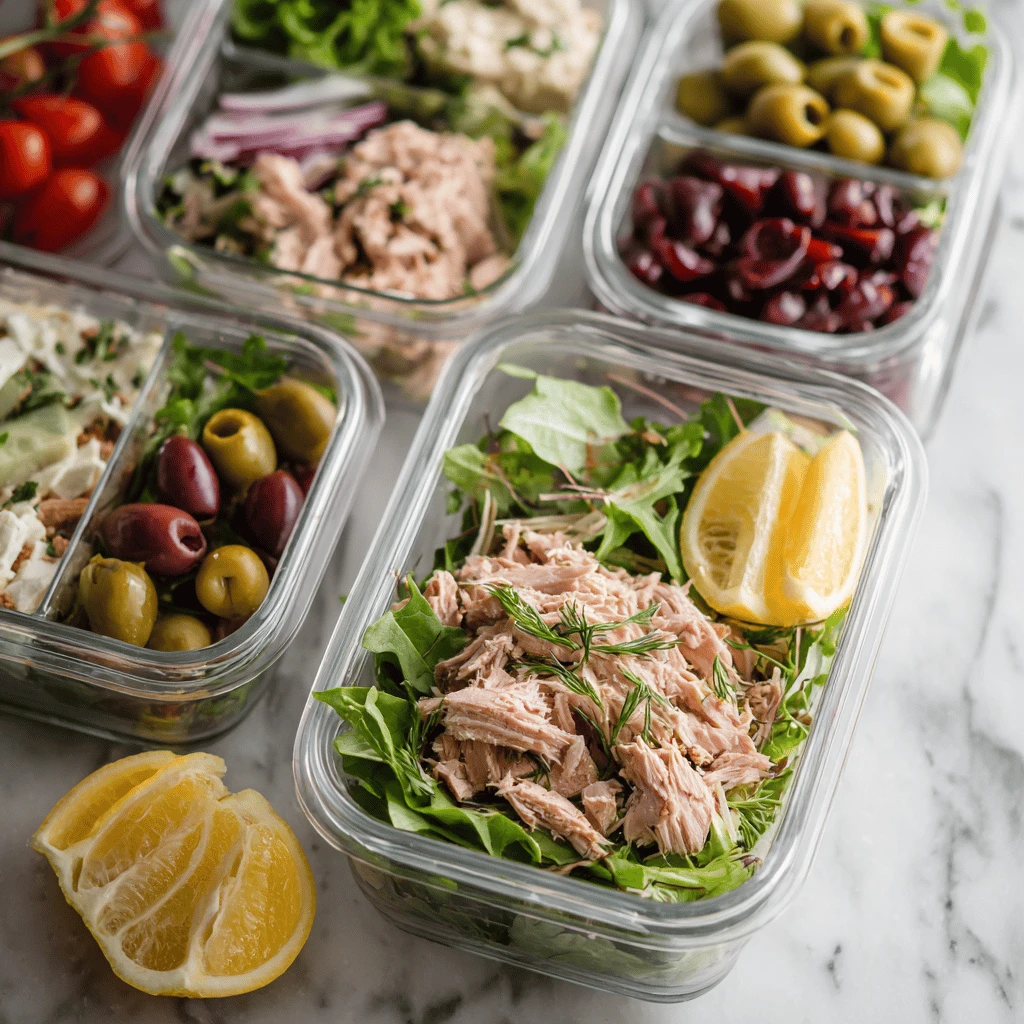
Incorporate Mediterranean flavors into your tuna salad by adding ingredients like Kalamata olives, sun-dried tomatoes, feta cheese, and a drizzle of olive oil. Season with oregano and lemon juice for a bright and flavorful twist.
Spicy Tuna Salad: Adding a Kick
For those who enjoy a little heat, add a dash of sriracha, a pinch of red pepper flakes, or some chopped jalapeños to your tuna salad. Mix in some lime juice for a zesty finish.
Avocado Tuna Salad: Creamy and Nutritious
Replace mayonnaise with mashed avocado for a creamy and healthy tuna salad. Add some chopped red onion, cilantro, and lime juice for a fresh and vibrant flavor.
Curry Tuna Salad: An Exotic Blend
Add a teaspoon of curry powder to your tuna salad for an exotic flavor. Mix in some chopped mango, raisins, and slivered almonds for a sweet and savory combination.
Lemon-Dill Tuna Salad: Fresh and Bright
Combine tuna with Greek yogurt, lemon juice, fresh dill, and chopped celery for a light and refreshing tuna salad. Season with salt and pepper to taste.
Serving Suggestions: Beyond the Sandwich
While tuna salad is a classic sandwich filling, there are many other ways to enjoy it.
Tuna Salad Lettuce Wraps: A Low-Carb Option
Serve your tuna salad in crisp lettuce cups for a low-carb and refreshing meal. Top with avocado slices and a sprinkle of paprika.
Tuna Salad Stuffed Avocado: A Healthy and Filling Meal
Halve an avocado and fill it with your favorite tuna salad. This makes for a satisfying and nutritious meal.
Tuna Salad on Crackers: A Quick and Easy Snack
Spread tuna salad on whole-grain crackers for a quick and easy snack. Add some sliced cucumber or tomato for extra flavor and nutrients.
Tuna Salad Salad: A Protein-Packed Salad
Serve your tuna salad on top of a bed of mixed greens. Add other vegetables like cucumbers, carrots, and bell peppers for a complete and balanced salad.
FAQs About Healthy Tuna Salad Meal Prep
Is tuna salad healthy for weight loss?
Yes, tuna salad can be a healthy option for weight loss if prepared with nutritious ingredients. Using Greek yogurt or avocado instead of mayonnaise, and adding plenty of vegetables, increases the protein and fiber content, helping you feel full and satisfied.
How long does tuna salad last in the fridge?
Properly stored tuna salad will last for 3-5 days in the refrigerator. Ensure it’s kept at 40°F (4°C) or below.
Can I freeze tuna salad?
Freezing tuna salad is not generally recommended. The mayonnaise or yogurt tends to separate upon thawing, resulting in a watery and less appealing texture. However, if you used avocado as a binder, freezing may be slightly more successful, though texture changes are still possible.
What can I add to tuna salad to make it healthier?
To make tuna salad healthier, use Greek yogurt or avocado instead of mayonnaise, add vegetables like celery, red onion, and bell peppers, and include herbs and spices for flavor.
Is canned tuna good for you?
Yes, canned tuna is a good source of protein, omega-3 fatty acids, and essential vitamins and minerals. Choose tuna canned in water to reduce calorie and fat content and opt for sustainably sourced options when possible.
What are some good sides to serve with tuna salad?
Good sides to serve with tuna salad include whole-grain crackers, fresh vegetables (like carrot sticks, cucumber slices, or bell pepper strips), a side salad, or a small bowl of fruit.