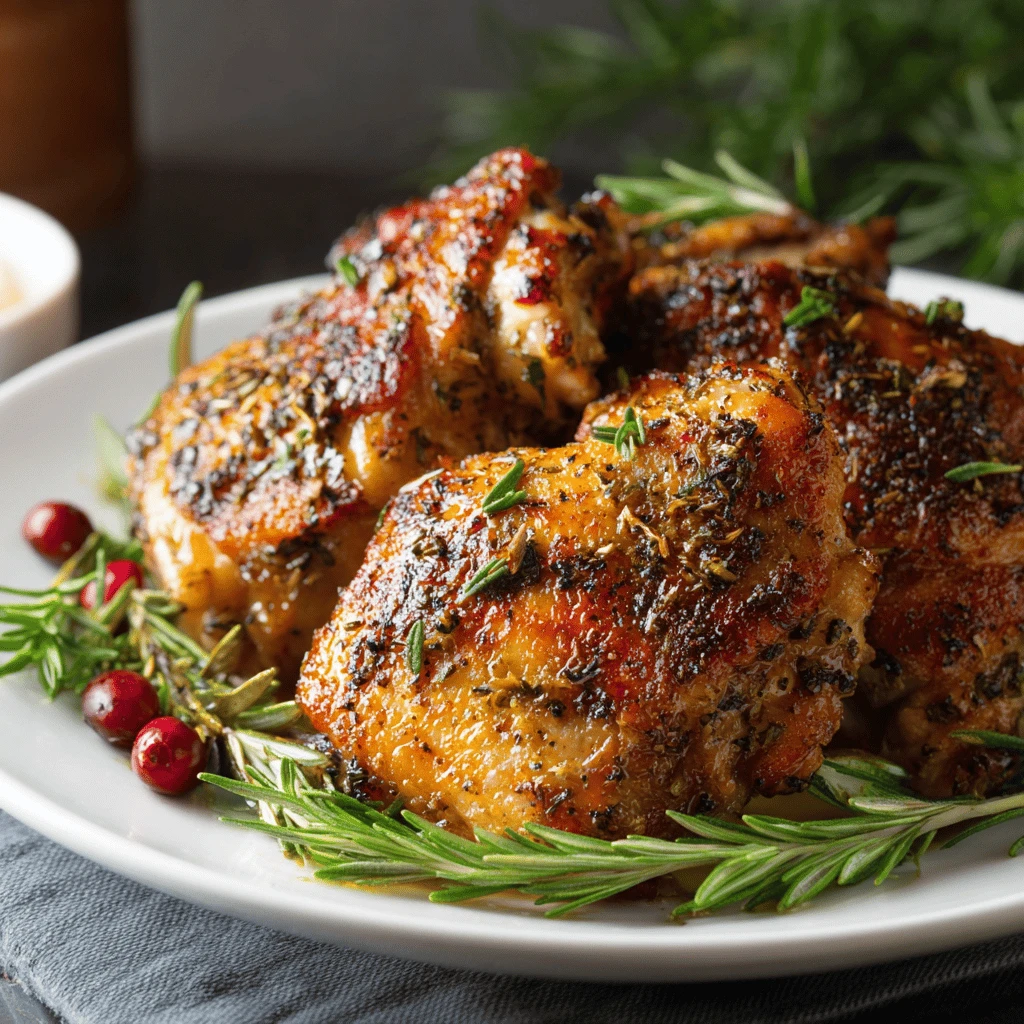
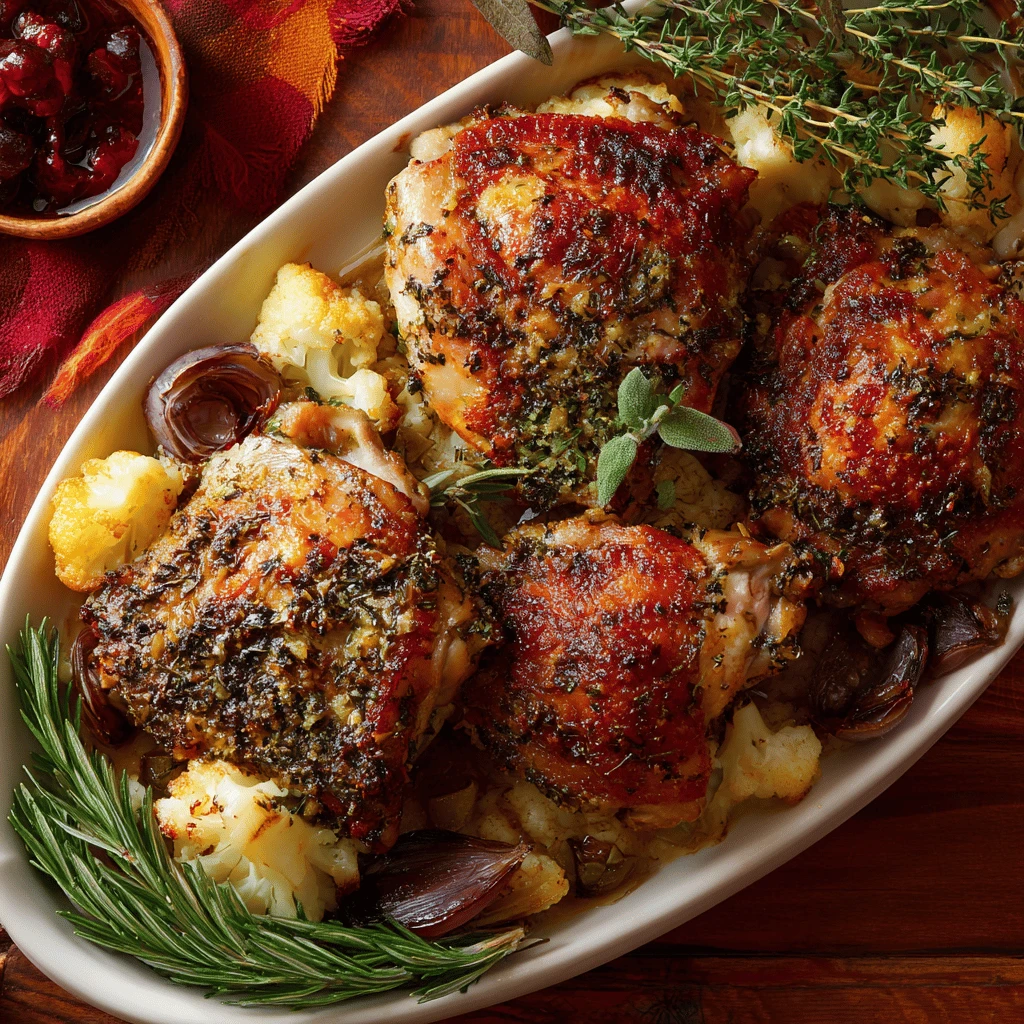
Herb Roasted Turkey Thighs Thanksgiving Recipes
Turkey thighs are a fantastic, flavorful alternative to the traditional whole bird, especially for smaller gatherings. They offer rich, dark meat that’s incredibly moist and tender when roasted correctly. This Thanksgiving, elevate your meal with perfectly herb-roasted turkey thighs that will impress your guests. This guide provides everything you need to know to achieve culinary success.
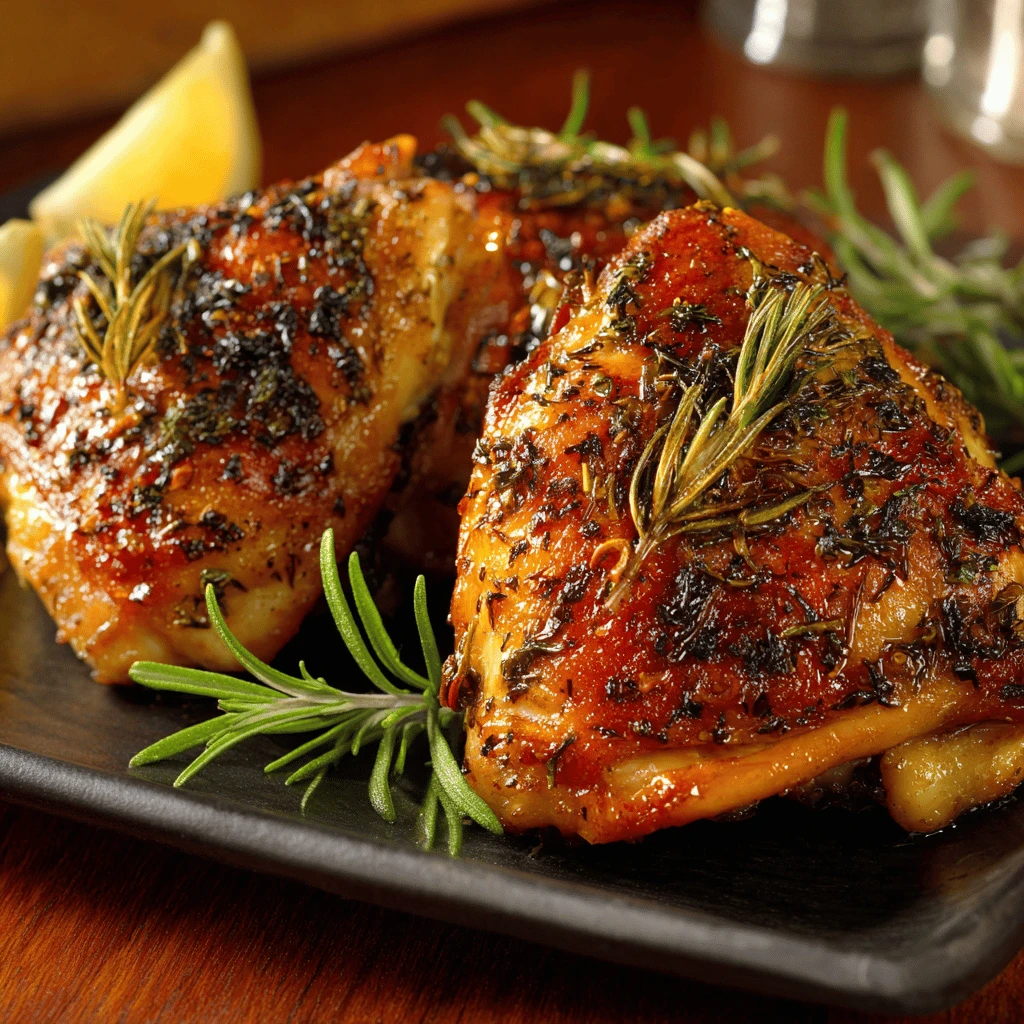
Why Choose Turkey Thighs for Thanksgiving?
Turkey thighs offer several advantages over roasting a whole turkey.
- Flavor: Dark meat is inherently more flavorful than white meat. The higher fat content renders during cooking, resulting in a rich and savory taste.
- Moisture: Thighs are much more forgiving than turkey breasts. It’s easier to keep them moist and prevent them from drying out, even if you slightly overcook them.
- Cost-Effective: Turkey thighs are typically less expensive than a whole turkey or turkey breast, making them a budget-friendly option.
- Faster Cooking Time: Thighs cook much faster than a whole turkey, freeing up oven space and shortening your overall cooking time.
- Portion Control: Buying just thighs allows you to easily control the portion size for your Thanksgiving meal, reducing waste.
The Ultimate Herb Blend for Thanksgiving Turkey Thighs
The key to exceptional herb-roasted turkey thighs lies in the perfect blend of herbs and seasonings. A harmonious combination will enhance the natural flavor of the turkey without overpowering it.
Essential Herbs:
- Rosemary: Fresh rosemary provides a woodsy, aromatic flavor that pairs beautifully with turkey.
- Thyme: Thyme offers an earthy, slightly minty note that complements the other herbs.
- Sage: Sage is a classic Thanksgiving herb, adding a savory and slightly peppery flavor.
- Parsley: Fresh parsley brightens the herb blend and adds a touch of freshness.
Complementary Seasonings:
- Garlic: Minced garlic infuses the turkey with a pungent and aromatic flavor.
- Onion Powder: Onion powder adds a subtle savory depth.
- Salt & Pepper: Essential for seasoning and enhancing the natural flavors.
- Paprika: Smoked paprika adds a touch of smokiness and enhances the color.
- Optional: Lemon Zest: A touch of lemon zest brightens the flavor profile and adds a citrusy note.
Creating Your Herb Rub:
To create your herb rub, combine the following ingredients in a bowl:
- 2 tablespoons fresh rosemary, finely chopped
- 2 tablespoons fresh thyme, finely chopped
- 2 tablespoons fresh sage, finely chopped
- 2 tablespoons fresh parsley, finely chopped
- 4 cloves garlic, minced
- 1 tablespoon onion powder
- 1 tablespoon smoked paprika
- 2 teaspoons salt
- 1 teaspoon black pepper
- 1 teaspoon lemon zest (optional)
- 2 tablespoons olive oil (to create a paste)
Mix all ingredients together until a paste forms. Adjust the quantities of herbs and seasonings to suit your preferences.
Step-by-Step Guide to Herb-Roasted Turkey Thighs
Follow these steps to achieve perfectly roasted turkey thighs every time:
1. Prepare the Turkey Thighs: Pat the turkey thighs dry with paper towels. This helps the skin crisp up during roasting.
2. Apply the Herb Rub: Generously rub the herb mixture all over the turkey thighs, ensuring they are evenly coated. Get some of the rub under the skin for extra flavor.
3. Marinate (Optional): For best results, marinate the turkey thighs in the refrigerator for at least 2 hours, or preferably overnight. This allows the flavors to penetrate the meat.
4. Preheat the Oven: Preheat your oven to 375°F (190°C).
5. Prepare the Roasting Pan: Place the turkey thighs in a roasting pan. You can add vegetables like onions, carrots, and celery to the bottom of the pan to add flavor to the pan drippings.
6. Roast the Turkey Thighs: Roast the turkey thighs for approximately 45-60 minutes, or until the internal temperature reaches 165°F (74°C). Use a meat thermometer to ensure accuracy.
7. Baste (Optional): Baste the turkey thighs with pan drippings every 20 minutes to keep them moist and promote browning.
8. Rest: Once cooked, remove the turkey thighs from the oven and let them rest for 10-15 minutes before carving. This allows the juices to redistribute, resulting in more tender and flavorful meat.
Tips for Perfect Turkey Thighs
- Brining: Consider brining the turkey thighs for several hours before roasting. This helps to keep them moist and flavorful. A simple brine can be made with water, salt, sugar, and your favorite herbs and spices.
- Bone-In vs. Boneless: Bone-in turkey thighs generally have more flavor than boneless ones. However, boneless thighs are easier to carve. Choose the type that best suits your needs.
- Skin Crispness: To ensure crispy skin, pat the turkey thighs dry before applying the herb rub and avoid overcrowding the roasting pan.
- Doneness: Use a meat thermometer to ensure the turkey thighs are cooked to the correct internal temperature of 165°F (74°C). Insert the thermometer into the thickest part of the thigh, avoiding the bone.
- Pan Drippings: Don’t discard the pan drippings! They can be used to make a delicious gravy.
Serving Suggestions and Thanksgiving Gravy
Herb-roasted turkey thighs pair well with a variety of Thanksgiving sides.
- Classic Sides: Mashed potatoes, stuffing, cranberry sauce, green bean casserole, and sweet potato casserole are all traditional Thanksgiving sides that complement the rich flavor of turkey thighs.
- Vegetable Sides: Roasted root vegetables, Brussels sprouts, and asparagus are healthy and delicious options.
- Salads: A fresh salad can provide a refreshing contrast to the heavier dishes.
Making Thanksgiving Gravy from Pan Drippings
1. Strain the Drippings: After roasting the turkey thighs, strain the pan drippings to remove any solids.
2. Make a Roux: In a saucepan, melt 2 tablespoons of butter over medium heat. Whisk in 2 tablespoons of flour and cook for 1-2 minutes, until a smooth paste forms.
3. Add the Drippings: Gradually whisk in the strained pan drippings, stirring constantly to prevent lumps from forming.
4. Simmer: Bring the gravy to a simmer and cook for 5-10 minutes, or until it has thickened to your desired consistency.
5. Season: Season the gravy with salt, pepper, and any other desired herbs or spices. You can also add a splash of cream or wine for extra flavor.
6. Strain (Optional): For a smoother gravy, strain it through a fine-mesh sieve before serving.
Frequently Asked Questions
Q: Can I use dried herbs instead of fresh herbs?
A: Yes, you can use dried herbs. Use about 1 teaspoon of dried herbs for every tablespoon of fresh herbs.
Q: How long should I marinate the turkey thighs?
A: Marinating for at least 2 hours is recommended, but overnight marinating will yield the best flavor.
Q: What temperature should I roast the turkey thighs at?
A: Roast the turkey thighs at 375°F (190°C).
Q: How do I know when the turkey thighs are done?
A: Use a meat thermometer to ensure the internal temperature reaches 165°F (74°C).
Q: Can I roast the turkey thighs ahead of time?
A: Yes, you can roast the turkey thighs a day or two in advance. Let them cool completely, then store them in an airtight container in the refrigerator. Reheat them in the oven or microwave before serving.
Q: What can I do with leftover turkey thighs?
A: Leftover turkey thighs can be used in sandwiches, salads, soups, or casseroles.