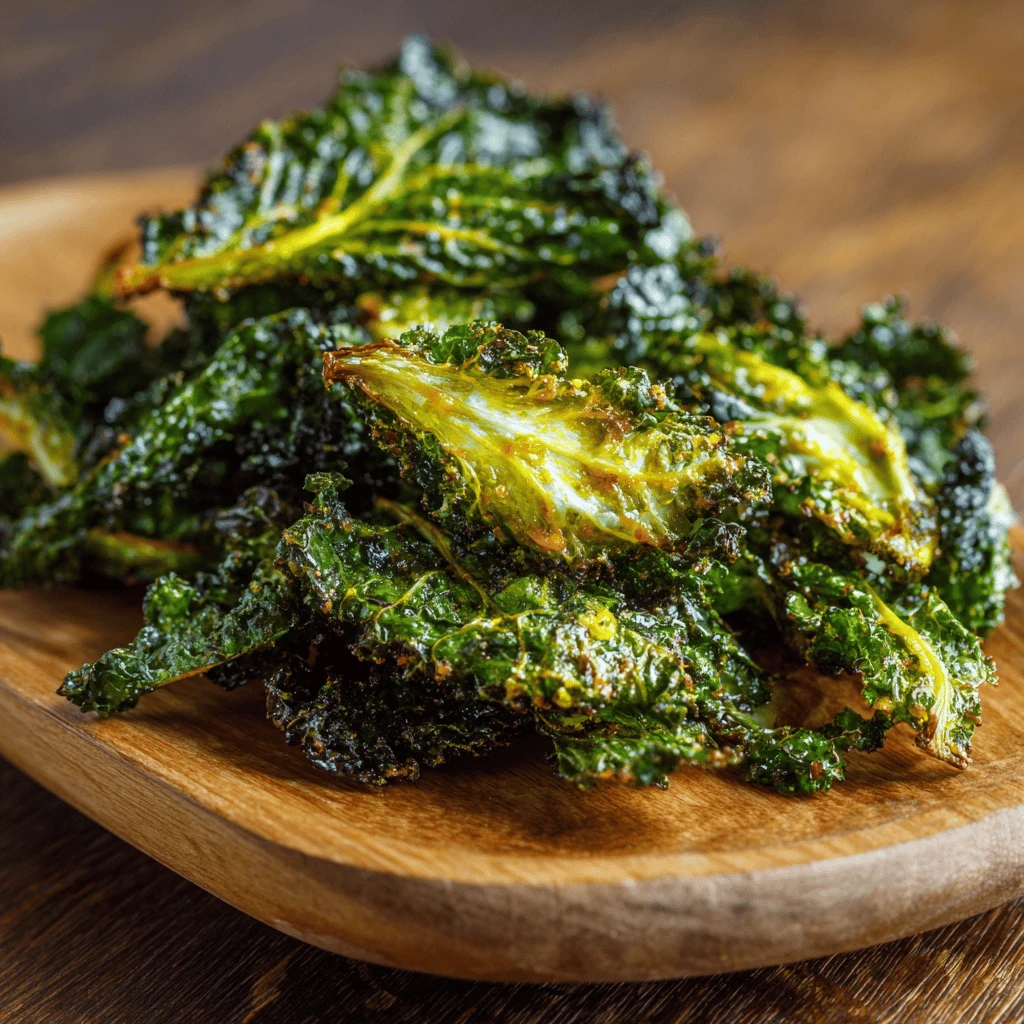
Homemade Kale Chips Snack
Ingredients
- 1 bunch of kale (about 8 ounces), any variety
- 1-2 tablespoons olive oil (or avocado oil)
- 1/2 teaspoon sea salt (or kosher salt)
- Optional: 1/4 teaspoon garlic powder, onion powder, paprika, or nutritional yeast
Step-by-Step
1. Preheat your oven to 300°F (150°C).
2. Wash the kale thoroughly and dry it completely. This is crucial for crispy chips. A salad spinner works great.
3. Remove the tough stems from the kale leaves. You can do this by tearing the leaves away from the stem or using a knife.
4. Tear the kale leaves into bite-sized pieces. Aim for pieces about 2-3 inches in size.
5. Place the kale in a large bowl.
6. Drizzle the olive oil over the kale.
7. Using your hands, massage the oil into the kale leaves. Make sure each piece is lightly coated. This is key for even baking.
8. Sprinkle the salt (and any optional seasonings) over the kale.
9. Massage the seasonings into the kale to ensure even distribution.
10. Spread the kale in a single layer on a baking sheet. Avoid overcrowding the pan. You may need to use two baking sheets.
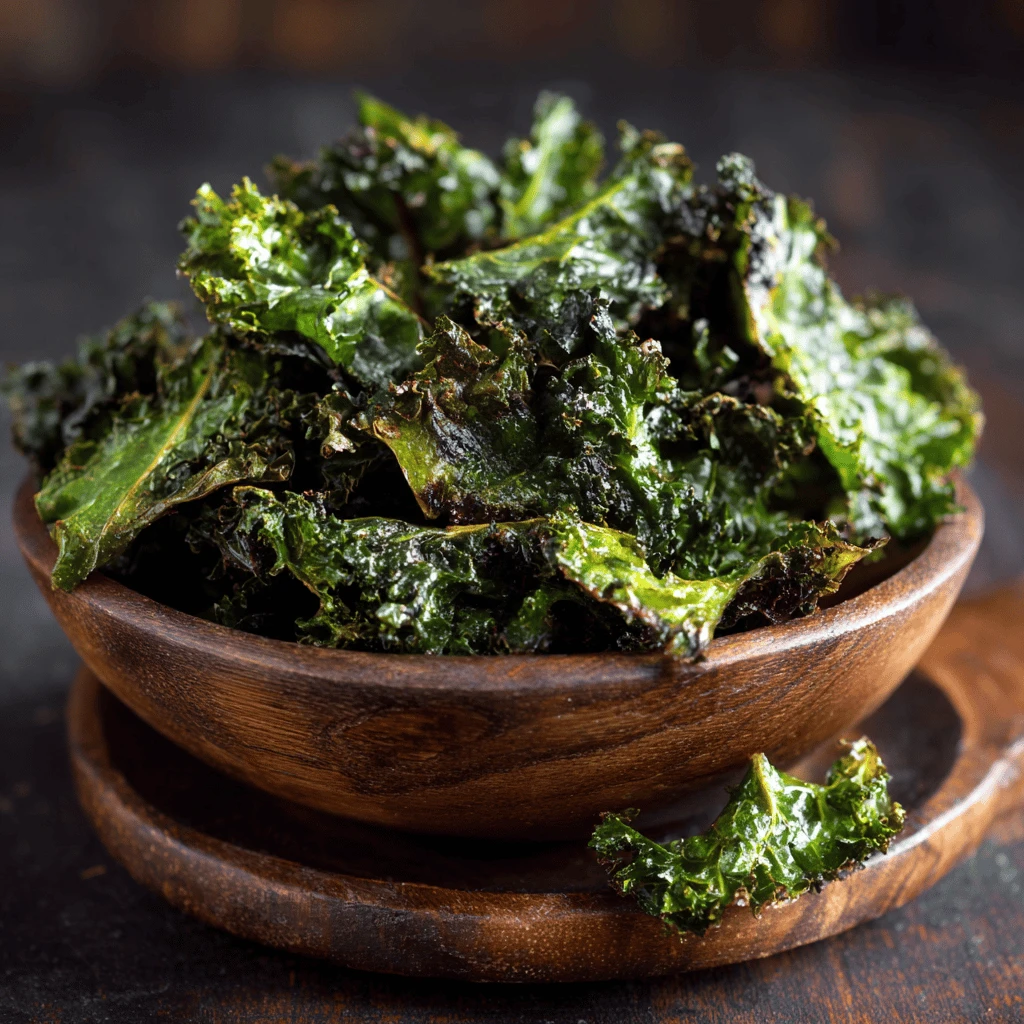
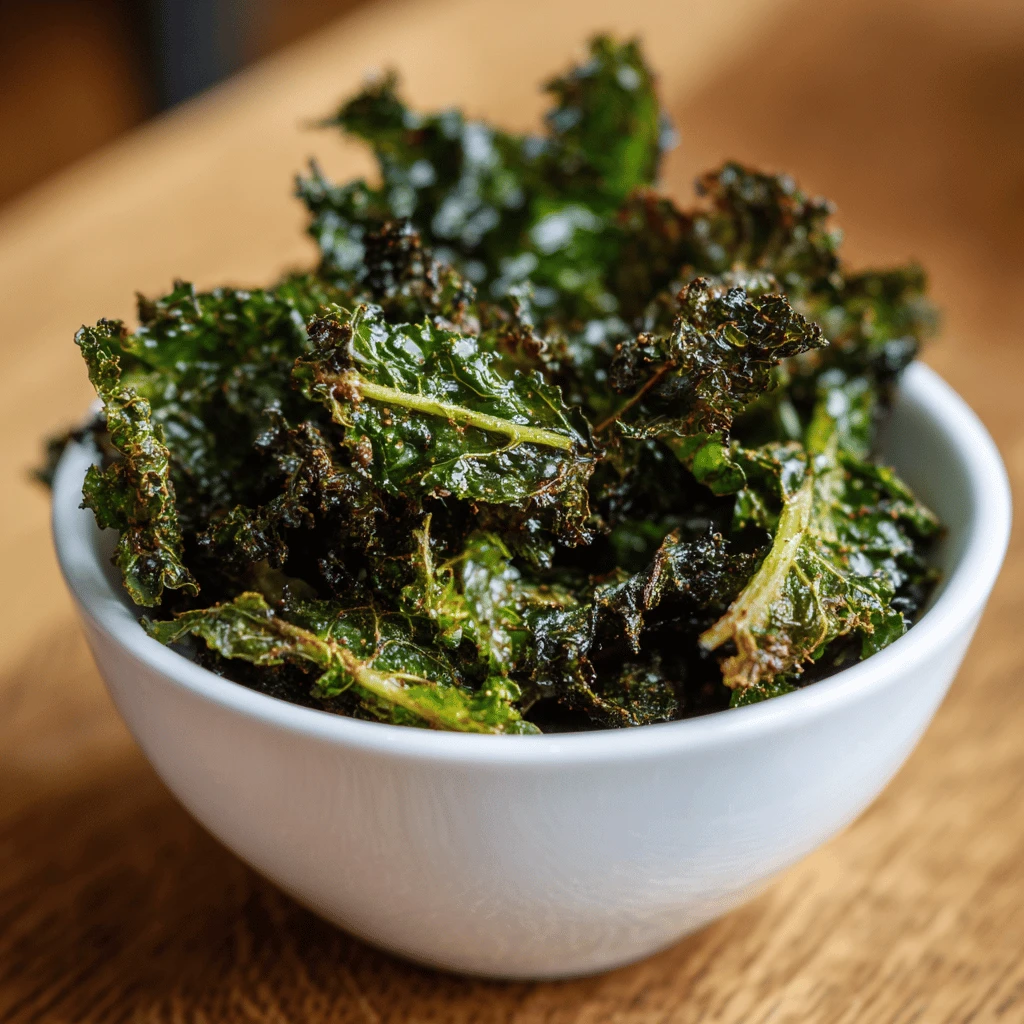
11. Bake for 10-20 minutes, or until the edges of the kale are crispy but not burnt. Keep a close eye on them, as baking time can vary.
12. Let the kale chips cool completely on the baking sheet. They will crisp up further as they cool.
13. Store the kale chips in an airtight container at room temperature. They are best consumed within a few days.
The Nutritional Powerhouse of Kale Chips
Kale chips are more than just a tasty snack. They’re a nutritional powerhouse packed with vitamins, minerals, and antioxidants. Choosing homemade kale chips allows you to control the ingredients and avoid unwanted additives found in store-bought versions.
Vitamins and Minerals in Kale
Kale is an excellent source of Vitamin K, vital for blood clotting and bone health. It’s also rich in Vitamin A, important for vision, immune function, and cell growth. Vitamin C, a powerful antioxidant, is also abundant in kale, helping to protect your body against damage from free radicals.
Furthermore, kale contains minerals like calcium, potassium, and magnesium, all essential for maintaining overall health. Calcium supports strong bones and teeth, potassium helps regulate blood pressure, and magnesium is involved in hundreds of biochemical reactions in the body.
Antioxidant Benefits
Kale is packed with antioxidants, including beta-carotene, flavonoids, and polyphenols. These compounds help protect your cells from damage caused by free radicals, unstable molecules that can contribute to aging and disease.
Antioxidants play a crucial role in reducing inflammation and protecting against chronic diseases like heart disease and cancer. Incorporating kale chips into your diet can be a delicious way to boost your antioxidant intake.
Low in Calories and High in Fiber
Kale chips are a relatively low-calorie snack, making them a great choice for weight management. They are also high in fiber, which promotes satiety and helps regulate digestion.
Fiber can help you feel fuller for longer, preventing overeating and supporting healthy weight loss. It also plays a role in maintaining healthy blood sugar levels and promoting gut health.
Tips for the Crispiest Kale Chips
Achieving perfectly crispy kale chips requires a few key techniques. Drying the kale thoroughly, massaging the oil evenly, and baking at the right temperature are all essential steps.
Drying the Kale Thoroughly
This is perhaps the most crucial step. Excess moisture will steam the kale in the oven, preventing it from crisping up properly.
After washing the kale, use a salad spinner to remove as much water as possible. Then, pat the leaves dry with paper towels or a clean kitchen towel. Ensuring the kale is completely dry will significantly improve the crispiness of your chips.
Even Oil Distribution
Massaging the oil into the kale leaves ensures that each piece is evenly coated. This helps the kale to crisp up uniformly in the oven.
Don’t just drizzle the oil over the kale; use your hands to gently massage it in, making sure every leaf is lightly coated. This will prevent some pieces from being oily while others remain dry.
Baking Temperature and Time
Baking kale chips at a low temperature, around 300°F (150°C), allows them to dry out slowly and evenly without burning. The baking time will vary depending on your oven and the thickness of the kale leaves.
Start checking the chips after about 10 minutes and continue baking until the edges are crispy but not burnt. It’s better to err on the side of underbaking rather than overbaking, as the chips will continue to crisp up as they cool.
Avoid Overcrowding the Pan
Spreading the kale in a single layer on the baking sheet is crucial for even baking. Overcrowding the pan will cause the kale to steam rather than crisp.
If you have a lot of kale, it’s best to use two baking sheets or bake in batches. This will ensure that each piece has enough space to dry out and crisp up properly.
Creative Flavor Combinations for Kale Chips
While salt and olive oil are a classic combination, there are endless possibilities for flavoring your kale chips. Experiment with different spices, herbs, and seasonings to create your own unique flavors.
Spicy Kale Chips
Add a pinch of cayenne pepper or chili flakes to the kale before baking for a spicy kick. You can also use a spicy seasoning blend, such as taco seasoning or Cajun seasoning.
For a milder heat, try adding a dash of smoked paprika or a pinch of chipotle powder. Adjust the amount of spice to your preference.
Savory Kale Chips
Garlic powder, onion powder, and dried herbs like oregano, thyme, and rosemary can add a savory flavor to your kale chips. Nutritional yeast, also known as “nooch,” is a great way to add a cheesy, savory flavor.
Experiment with different combinations of herbs and spices to find your favorite savory flavor profile. A touch of balsamic vinegar can also add a nice tanginess.
Sweet and Savory Kale Chips
A touch of sweetness can balance out the bitterness of the kale and create a delicious flavor combination. Try adding a sprinkle of maple syrup or a drizzle of honey before baking.
Combine the sweetness with savory spices like smoked paprika and garlic powder for a complex and satisfying flavor. Be careful not to add too much sugar, as it can cause the chips to burn.
Cheesy Kale Chips (Dairy-Free)
Nutritional yeast is the key to achieving a cheesy flavor in dairy-free kale chips. This deactivated yeast has a nutty, cheesy flavor that makes it a popular substitute for cheese in vegan recipes.
Sprinkle a generous amount of nutritional yeast over the kale before baking for a cheesy and delicious snack. You can also combine it with other seasonings like garlic powder and onion powder for added flavor.
Storing Homemade Kale Chips
Proper storage is essential to keep your kale chips crispy and fresh. Air and moisture are the enemies of crispy kale chips, so storing them in an airtight container is crucial.
Using an Airtight Container
Store your kale chips in an airtight container at room temperature. A glass jar with a tight-fitting lid or a plastic container with a secure seal will work well.
Make sure the chips are completely cool before storing them, as warm chips can create condensation inside the container.
Adding a Desiccant Packet
For extra protection against moisture, consider adding a desiccant packet to the container. These packets absorb moisture and help keep the chips crispy.
You can find desiccant packets at most craft stores or online. Just be sure to use food-grade desiccant packets.
Avoiding Refrigeration
Refrigerating kale chips is not recommended, as the moisture in the refrigerator can cause them to become soggy.
Store them at room temperature in an airtight container for best results.
How Long Do They Last?
Homemade kale chips are best consumed within a few days of making them. They will gradually lose their crispness over time, even when stored properly.
If they become soggy, you can try re-crisping them in the oven at a low temperature for a few minutes. However, they will never be quite as crispy as when they were first made.
FAQ About Homemade Kale Chips
Why are my kale chips not crispy?
The most common reason for soggy kale chips is moisture. Make sure to thoroughly dry the kale leaves after washing them. Also, avoid overcrowding the baking sheet, as this can cause the kale to steam instead of crisping.
How do I keep my kale chips from burning?
Bake the kale chips at a low temperature (300°F/150°C) and keep a close eye on them. Baking time can vary depending on your oven and the thickness of the kale leaves. Start checking them after about 10 minutes and remove them from the oven when the edges are crispy but not burnt.
What kind of kale is best for kale chips?
Any type of kale can be used for making kale chips, but curly kale and Lacinato kale (also known as dinosaur kale) are two popular choices. Curly kale has a slightly more robust flavor, while Lacinato kale is a bit more tender.
Can I use a different oil besides olive oil?
Yes, you can use other oils such as avocado oil, coconut oil, or even sesame oil. Each oil will impart a slightly different flavor to the kale chips.
Are kale chips healthy?
Yes, kale chips are a healthy snack option. They are low in calories, high in fiber, and packed with vitamins and minerals. They are also a good source of antioxidants.