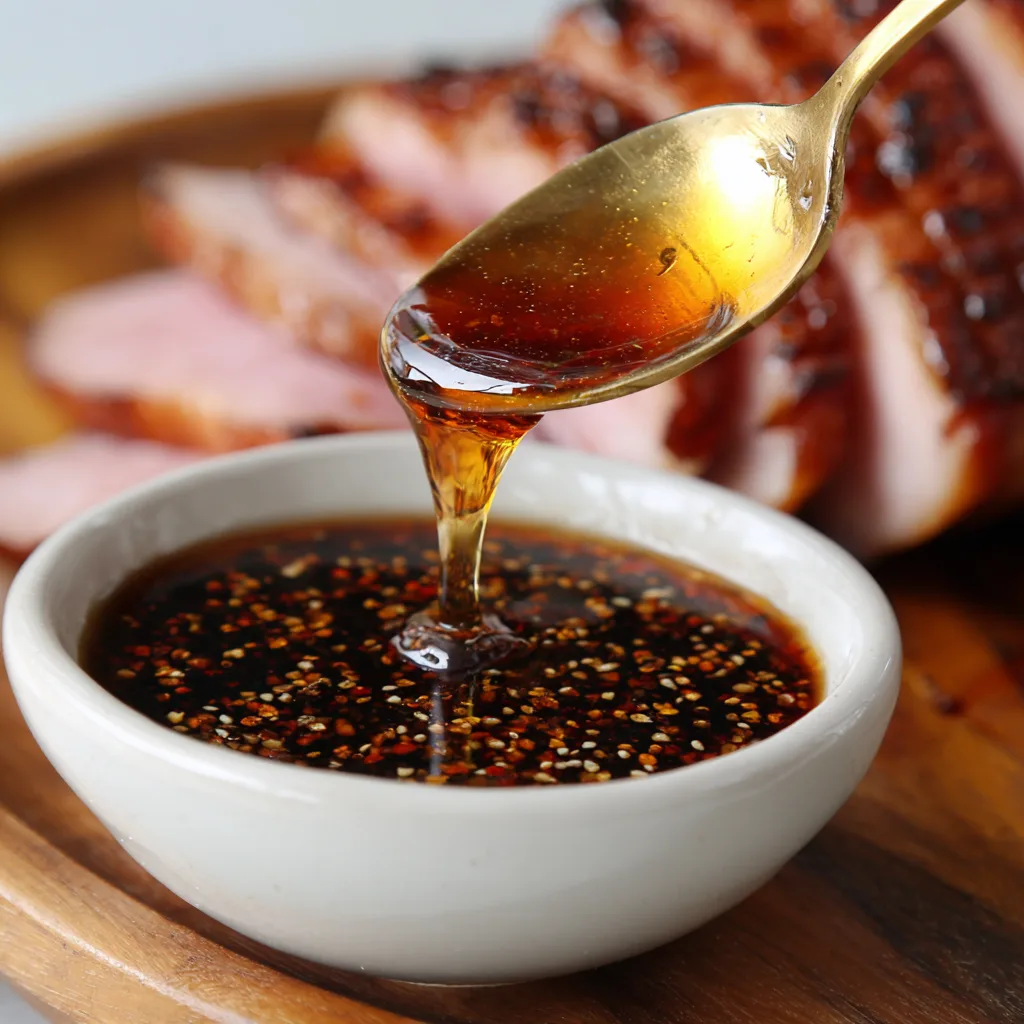
The Ultimate Honey Brown Sugar Ham Glaze: A Masterclass in Sweet and Savory
A perfectly baked ham is the undisputed centerpiece of any holiday table or Sunday feast, but its success hinges entirely on the quality of the glaze. While a ham is naturally salty and rich, it requires a balanced coating to achieve that signature sticky, caramelized exterior that guests crave. This Honey Brown Sugar Ham Sauce provides the ideal marriage of deep molasses sweetness, bright floral honey notes, and a hint of acidity to cut through the fat. By mastering this glaze, you transform a standard cut of meat into a professional-grade masterpiece defined by a mahogany crust and tender, flavorful slices.
Ingredients for the Perfect Glaze
To achieve a restaurant-quality finish, you will need the following ingredients. This recipe is designed for a standard 8-to-10-pound bone-in ham:
-
1 cup Brown Sugar: Packed (dark brown sugar offers a deeper molasses flavor, while light brown is milder).
-
½ cup Raw Honey: Provides a floral sweetness and the necessary viscosity for a sticky finish.
-
¼ cup Pineapple Juice or Apple Cider: Adds the essential acidity needed to balance the heavy sugars.
-
2 tablespoons Dijon Mustard: Acts as an emulsifier and adds a subtle savory tang.
-
½ teaspoon Ground Cinnamon: For warmth and aromatic depth.
-
¼ teaspoon Ground Cloves: A classic holiday spice that complements the saltiness of the pork.
-
2 tablespoons Unsalted Butter: Melted into the sauce at the end for a glossy, professional sheen.
Step-by-Step Preparation and Application
-
Prepare the Base: In a small saucepan over medium heat, combine the brown sugar, honey, fruit juice, and Dijon mustard. Stir constantly until the sugar has completely dissolved and the mixture begins to simmer.
-
Infuse the Spices: Whisk in the cinnamon and cloves. Reduce the heat to low and let the sauce thicken for about 3 to 5 minutes. It should be thick enough to coat the back of a spoon but still pourable.
-
Finish with Butter: Remove the pan from the heat and whisk in the melted butter until the sauce is smooth and glossy.
-
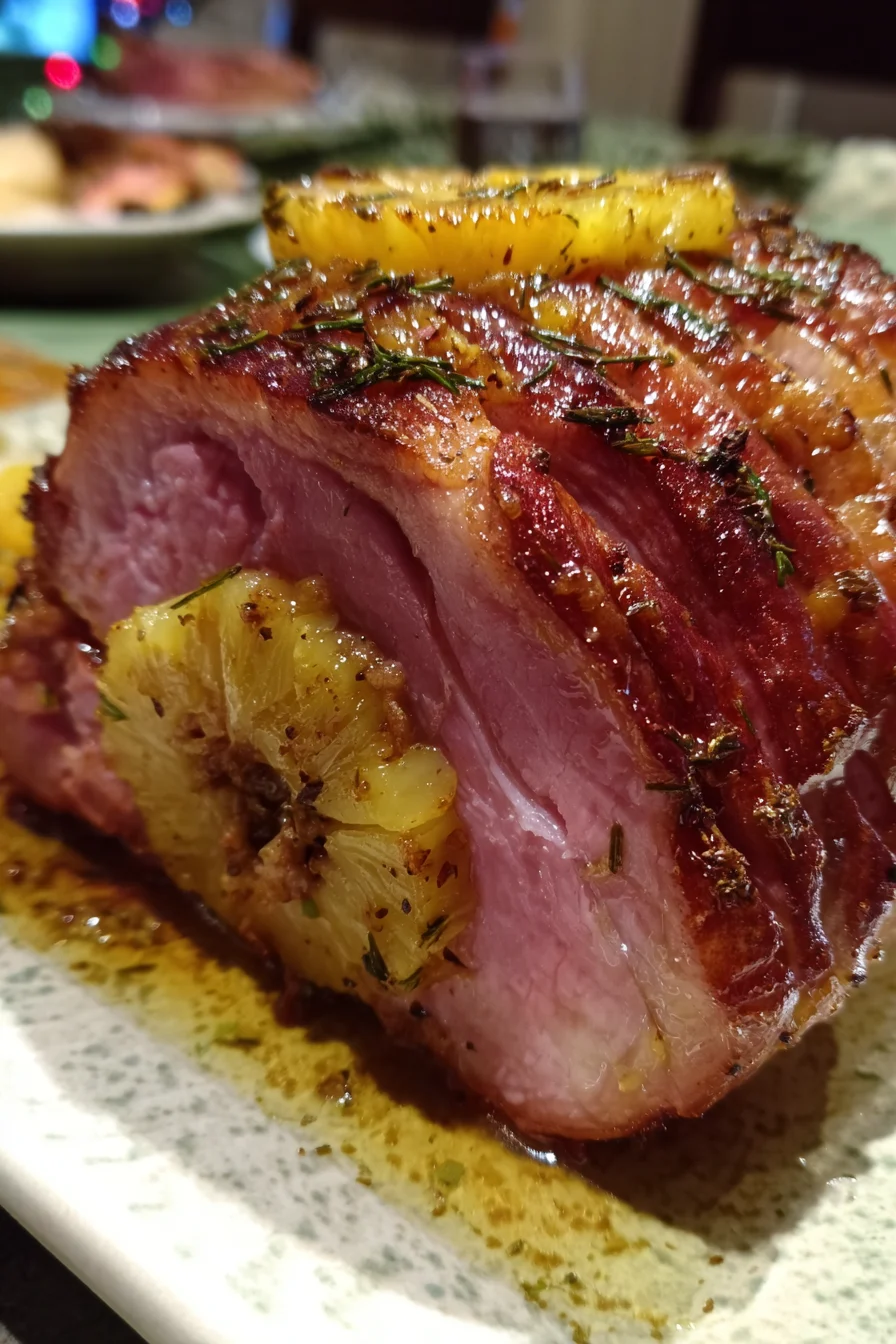
Score the Ham: Using a sharp knife, score the surface of the ham in a diamond pattern (about 1-inch wide and ¼-inch deep). This allows the glaze to penetrate the meat rather than just sliding off the surface.
-
The Glazing Process: Do not apply the glaze at the start of the cooking process, as the high sugar content will burn. Instead, bake the ham covered in foil until the internal temperature reaches 120°F.
-
Caramelize: Remove the foil and brush a generous layer of the sauce over the entire ham. Increase the oven temperature to 400°F (200°C). Re-apply the glaze every 10 to 15 minutes for the final 30 to 45 minutes of cooking.
-
The Final Sear: For an extra-crispy crust, turn on the broiler for the last 2 to 3 minutes, watching closely to ensure the sugar bubbles and browns without scorching.
The Science of the Perfect Crust
The magic of a honey brown sugar glaze lies in the Maillard reaction and caramelization. When you apply heat to a mixture of sugars and amino acids, a complex chemical reaction occurs that creates hundreds of different flavor compounds. The brown sugar provides a solid foundation of sucrose and molasses, which darkens quickly under heat, while the honey adds fructose and glucose, which contribute to the “tackiness” or stickiness of the crust.
To ensure this reaction works in your favor, the moisture level must be managed. If the glaze is too watery, it will simply run into the bottom of the roasting pan. By simmering the sauce on the stovetop first, you evaporate excess water from the juice or cider, concentrating the sugars. This creates a syrup that “clings” to the ham. Additionally, the inclusion of Dijon mustard is not just for flavor; it contains stabilizers that help the fat from the ham mix with the sugar in the sauce, preventing the glaze from breaking or separating during the final high-heat blast.
Customizing Your Flavor Profile
While the classic honey and brown sugar combination is a timeless favorite, the best chefs often tweak the recipe to suit the specific occasion or the cut of meat. If you prefer a “hot honey” variation, adding a teaspoon of red pepper flakes or a dash of cayenne pepper can provide a modern, spicy kick that contrasts beautifully with the sugar. For those who enjoy a deeper, more autumnal flavor, replacing the pineapple juice with bourbon or a dark spiced rum adds notes of oak and vanilla that pair perfectly with smoked meats.
Texture is another area where you can innovate. For a traditional “spiral ham” look, some cooks prefer to stir in a tablespoon of whole-grain mustard instead of Dijon to add visual pops of texture. Others might press whole cloves into the intersections of the scored diamond pattern. If you find the glaze too sweet, increasing the acidity with a teaspoon of apple cider vinegar can brighten the entire dish and make the richness of the pork more palatable over multiple servings.
Tips for Serving and Storage
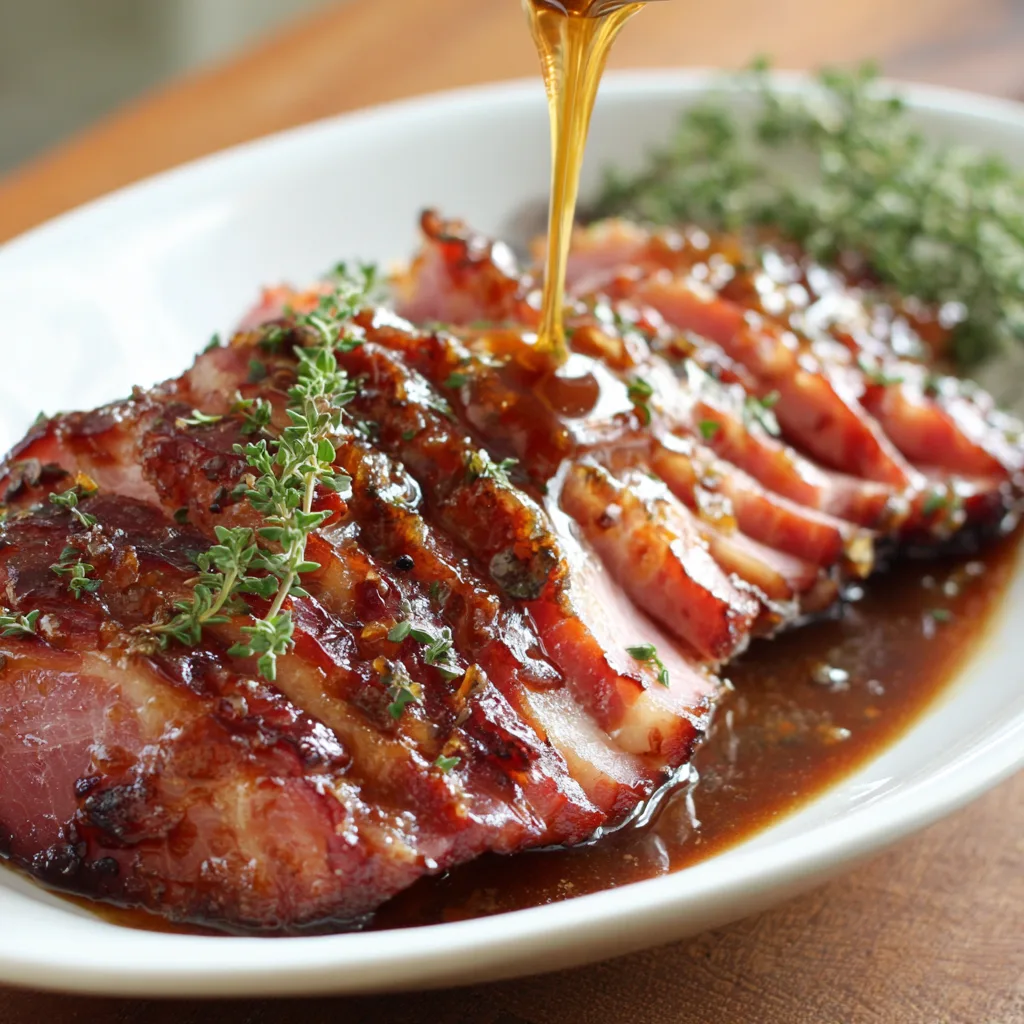
Once the ham is removed from the oven, it is vital to let it rest for at least 15 to 20 minutes before carving. This allows the juices to redistribute and, more importantly, allows the glaze to set. If you carve too early, the hot glaze will run off the slices and pool at the bottom of the platter. For a beautiful presentation, take the remaining sauce from the saucepan (or the thickened drippings from the pan) and drizzle it over the individual slices just before serving.
If you have leftovers, this glaze serves a second purpose: it acts as a preservative. The high sugar content helps keep the exterior of the sliced ham moist when stored in the refrigerator. When reheating leftovers, do so gently in a covered dish with a splash of water or apple juice to prevent the glaze from becoming hard or brittle. Whether served as the main event or tucked into a biscuit the next morning, a well-executed Honey Brown Sugar Ham Sauce ensures that every bite is as flavorful as the first.