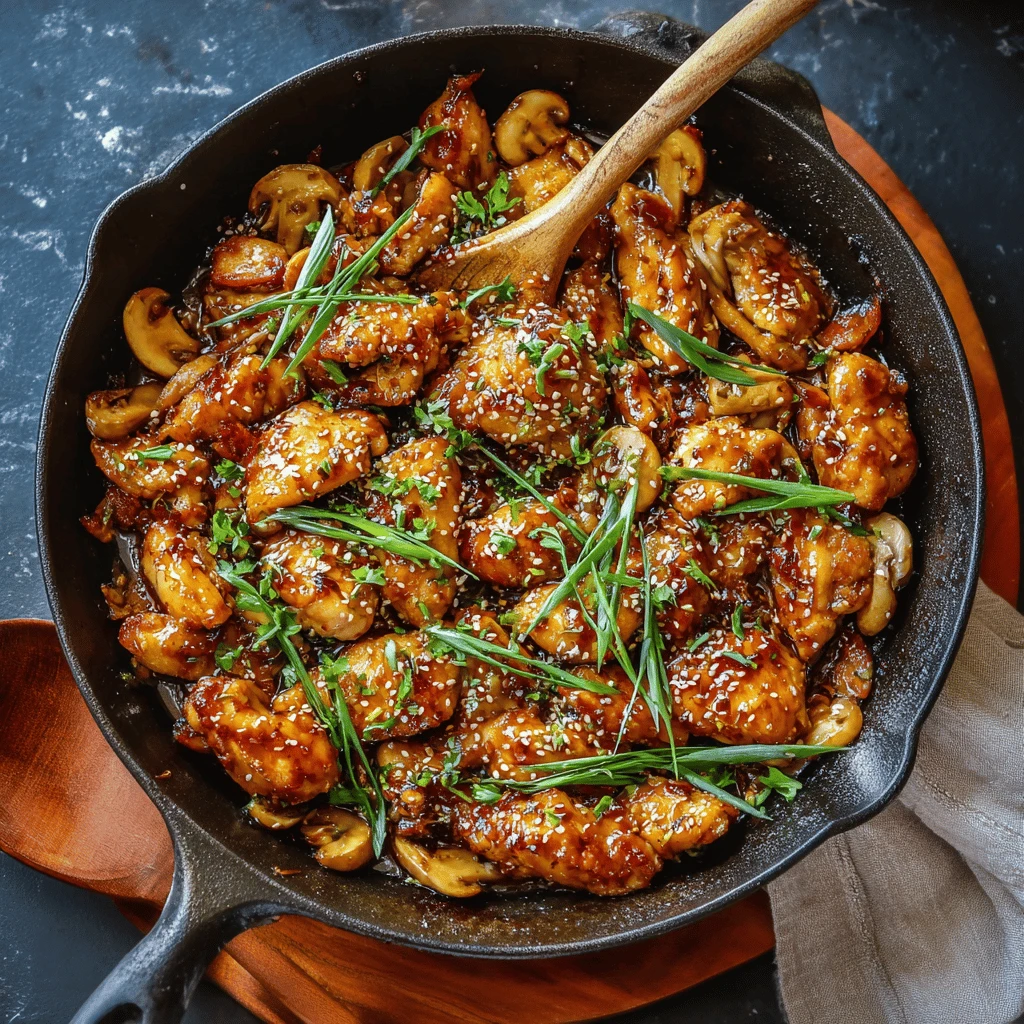
Honey Garlic Chicken Skillet: A Delicious and Easy Weeknight Meal
Honey Garlic Chicken Skillet is a flavorful and convenient dish perfect for busy weeknights. This recipe combines juicy chicken with a sticky, savory-sweet sauce, all cooked in one pan for easy cleanup. Whether you’re a seasoned cook or just starting out, this recipe is sure to become a family favorite.
The Allure of Honey Garlic Chicken Skillet
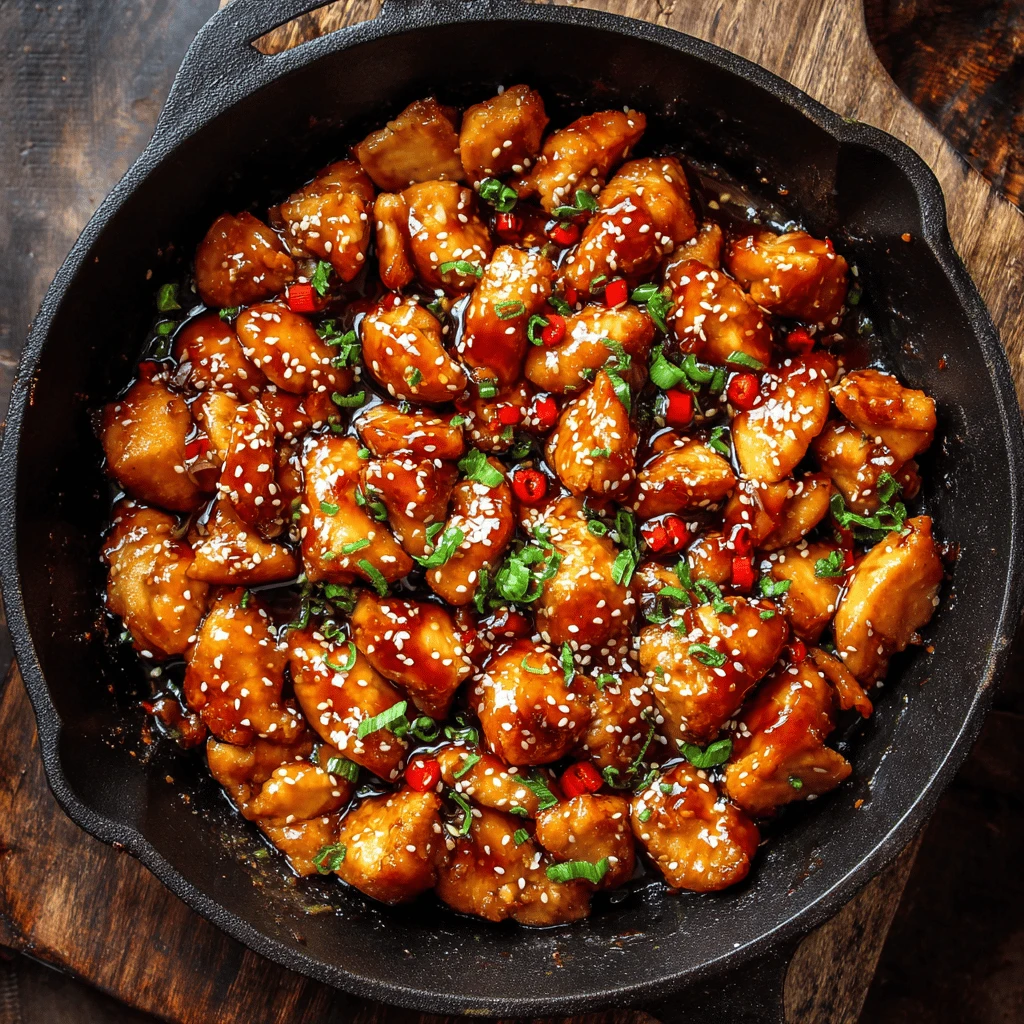
The appeal of this dish lies in its simplicity and incredible flavor profile. The combination of honey and garlic creates a sweet and savory glaze that coats the chicken beautifully. The skillet method ensures even cooking and keeps the chicken moist and tender. It’s also incredibly versatile – serve it over rice, noodles, or with roasted vegetables for a complete meal. Plus, the one-pan cooking minimizes dishwashing, making it a winner on busy evenings. The recipe can be adapted to suit individual tastes, such as by adding a touch of heat with chili flakes or adjusting the sweetness level with more or less honey. This adaptability ensures that everyone can enjoy this dish, regardless of their preferences.
Crafting the Perfect Honey Garlic Chicken
To achieve the best possible Honey Garlic Chicken Skillet, focus on a few key techniques. Starting with high-quality chicken is crucial. Boneless, skinless chicken thighs are ideal because they remain juicy and tender during cooking, but chicken breasts can also be used. Cut the chicken into even-sized pieces to ensure uniform cooking.
Next, properly searing the chicken before adding the sauce is vital. This creates a beautiful golden-brown crust that locks in the juices and adds depth of flavor. Use a hot skillet and avoid overcrowding it, which can lower the temperature and result in steamed instead of seared chicken. Work in batches if necessary.
When making the sauce, use fresh garlic for the most potent flavor. Mince it finely to release its aroma and flavor. Don’t burn the garlic. Sauté it quickly in the skillet before adding the honey and other ingredients. Simmer the sauce until it thickens slightly, creating a glaze that clings to the chicken.
Ingredient Spotlight: Honey and Garlic
Honey and garlic are the stars of this dish. Choose a good-quality honey that you enjoy, as its flavor will directly impact the final result. Raw or wildflower honey adds a complex sweetness, while clover honey offers a milder flavor. For the garlic, fresh is always best. Look for firm, plump cloves without any signs of sprouting or bruising.
Choosing Your Chicken Cut
As previously mentioned, boneless, skinless chicken thighs are the preferred choice due to their higher fat content, which keeps them moist and tender. However, chicken breasts can also be used. If using chicken breasts, consider pounding them to an even thickness before cooking. This ensures that they cook evenly and prevent them from drying out. Marinating the chicken for at least 30 minutes, even in a simple mixture of soy sauce and garlic, can also enhance the flavor and tenderness.
Mastering the Searing Technique
Searing the chicken correctly is key to achieving that delicious crust. Pat the chicken dry with paper towels before searing, as moisture can prevent browning. Use a hot skillet and add a small amount of oil with a high smoke point, such as vegetable or canola oil. Place the chicken in the skillet in a single layer and let it sear for several minutes per side, until golden brown. Avoid moving the chicken around too much, as this can interfere with the searing process.
The Honey Garlic Sauce: Sweet, Savory Perfection
The honey garlic sauce is the heart of this recipe. It’s a simple yet flavorful combination of honey, garlic, soy sauce, and other seasonings. The key to a great sauce is to balance the sweetness of the honey with the savory flavors of the soy sauce and garlic.
Building the Base: Soy Sauce and Honey
Soy sauce provides the savory, umami base for the sauce. Use low-sodium soy sauce to control the saltiness. Honey adds sweetness and helps to create a sticky glaze. Adjust the ratio of honey to soy sauce to suit your taste preferences. For a tangier sauce, add a splash of rice vinegar or apple cider vinegar.
Adding Depth: Garlic and Ginger
Garlic and ginger add depth and complexity to the sauce. Freshly minced garlic is always best, but jarred minced garlic can be used in a pinch. Ginger adds a warm, spicy note that complements the honey and garlic. Use fresh ginger if possible, but ground ginger can also be used.
Achieving the Right Consistency
The sauce should be thick enough to cling to the chicken but not so thick that it becomes gummy. Simmering the sauce over medium heat helps to reduce it and thicken it to the desired consistency. Stir frequently to prevent it from sticking to the bottom of the skillet. If the sauce becomes too thick, add a splash of water or chicken broth to thin it out.
Flavor Variations
Experiment with different flavor combinations to customize the honey garlic sauce to your liking. Add a pinch of red pepper flakes for a touch of heat. Add a teaspoon of sesame oil for a nutty flavor. Add a squeeze of lemon or lime juice for brightness. Consider adding a little Dijon to the sauce. The possibilities are endless!
Assembling and Cooking the Skillet Dish
Once you have prepared the chicken and the sauce, it’s time to assemble and cook the skillet dish. This process involves combining the chicken and sauce in the skillet and cooking until the chicken is cooked through and the sauce has thickened.
Combining Chicken and Sauce
Add the seared chicken back to the skillet with the honey garlic sauce. Stir to coat the chicken evenly with the sauce. Ensure that the chicken is submerged in the sauce for even cooking.
Cooking to Perfection
Bring the sauce to a simmer and cook until the chicken is cooked through and the sauce has thickened to your desired consistency. This typically takes about 10-15 minutes, depending on the size of the chicken pieces. Stir occasionally to prevent sticking. The chicken is done when it reaches an internal temperature of 165°F (74°C).
Garnishing and Serving
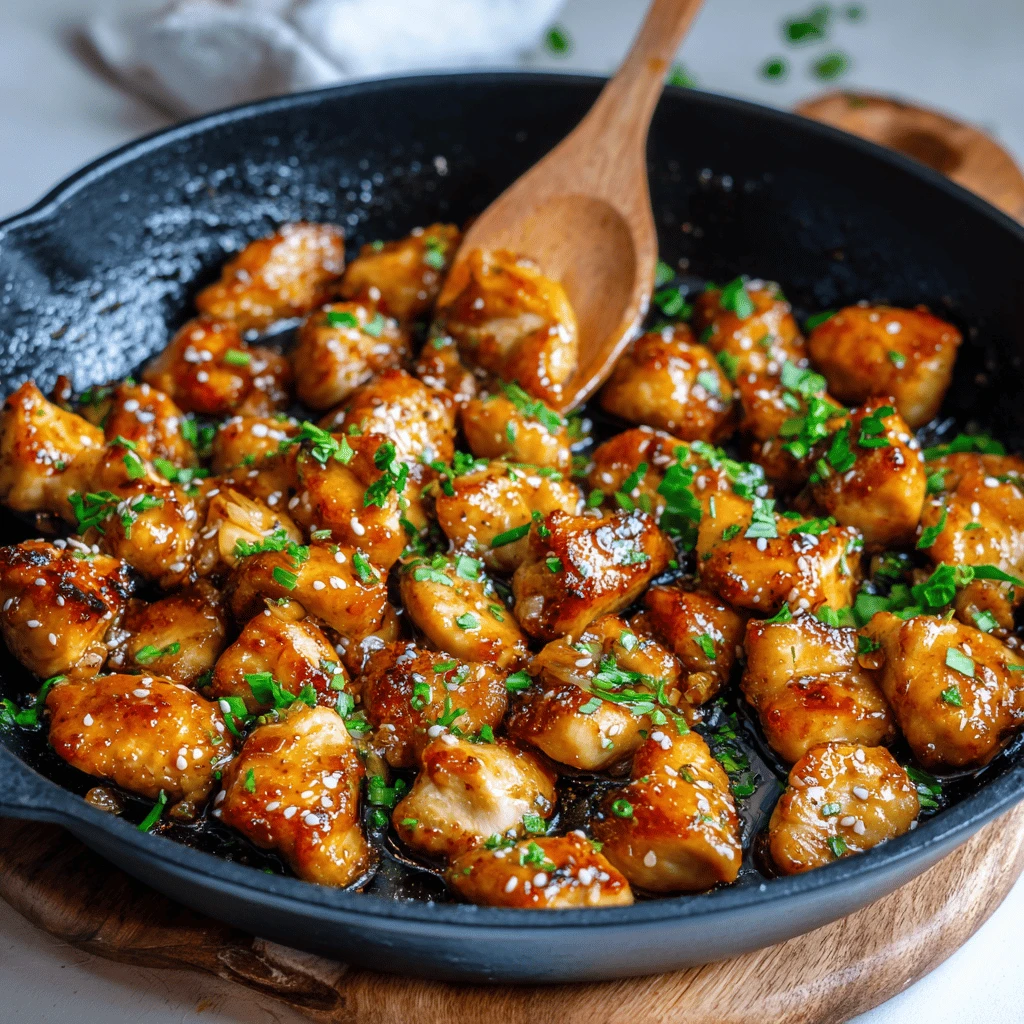
Once the chicken is cooked through and the sauce has thickened, remove the skillet from the heat. Garnish with sesame and sliced scallions for added flavor and visual appeal. Serve immediately over rice, noodles, or roasted vegetables.
Serving Suggestions and Accompaniments
Honey Garlic Chicken Skillet is incredibly versatile and pairs well with a variety of sides. Here are some serving suggestions and accompaniments to complete your meal.
Rice and Noodles
Rice and noodles are classic accompaniments to Honey Garlic Chicken Skillet. Serve it over steamed white rice, brown rice, or jasmine rice. Alternatively, serve it over egg noodles, rice noodles, or lo mein noodles.
Vegetable Sides
Roasted vegetables are a healthy and delicious side dish. Broccoli, carrots, asparagus, and bell peppers are all great choices. Simply toss the vegetables with oil, salt, and pepper and roast them in the oven until tender. Steamed green beans or sautéed spinach are also excellent options.
Salad Options
A simple salad can provide a refreshing contrast to the rich flavors of the Honey Garlic Chicken Skillet. A mixed green salad with a light vinaigrette is a great choice. Alternatively, try a cucumber salad or a coleslaw.
Creative Twists
Get creative with your serving suggestions. Serve the Honey Garlic Chicken Skillet in lettuce wraps for a lighter meal. Use it as a topping for pizza or flatbread. Add it to stir-fries or noodle bowls. The possibilities are endless!
Frequently Asked Questions (FAQ)
Q: Can I use frozen chicken?
A: Yes, but thaw it completely before cooking. Pat it dry to ensure proper searing.
Q: How long does Honey Garlic Chicken Skillet last in the fridge?
A: Properly stored in an container, it will last for 3-4 days.
Q: Can I add vegetables to the skillet?
A: Absolutely! Add your favorite vegetables like broccoli, bell peppers, or carrots during the last few minutes of cooking.
Q: Can I make this recipe ahead of time?
A: You can prepare the sauce ahead of time and store it in the fridge. Cook the chicken fresh for the best results.
Q: What can I use instead of honey?
A: Maple syrup or agave nectar can be used as alternatives.
Q: Is this recipe gluten-free?
A: Use gluten-free soy sauce (tamari) to make it gluten-free.