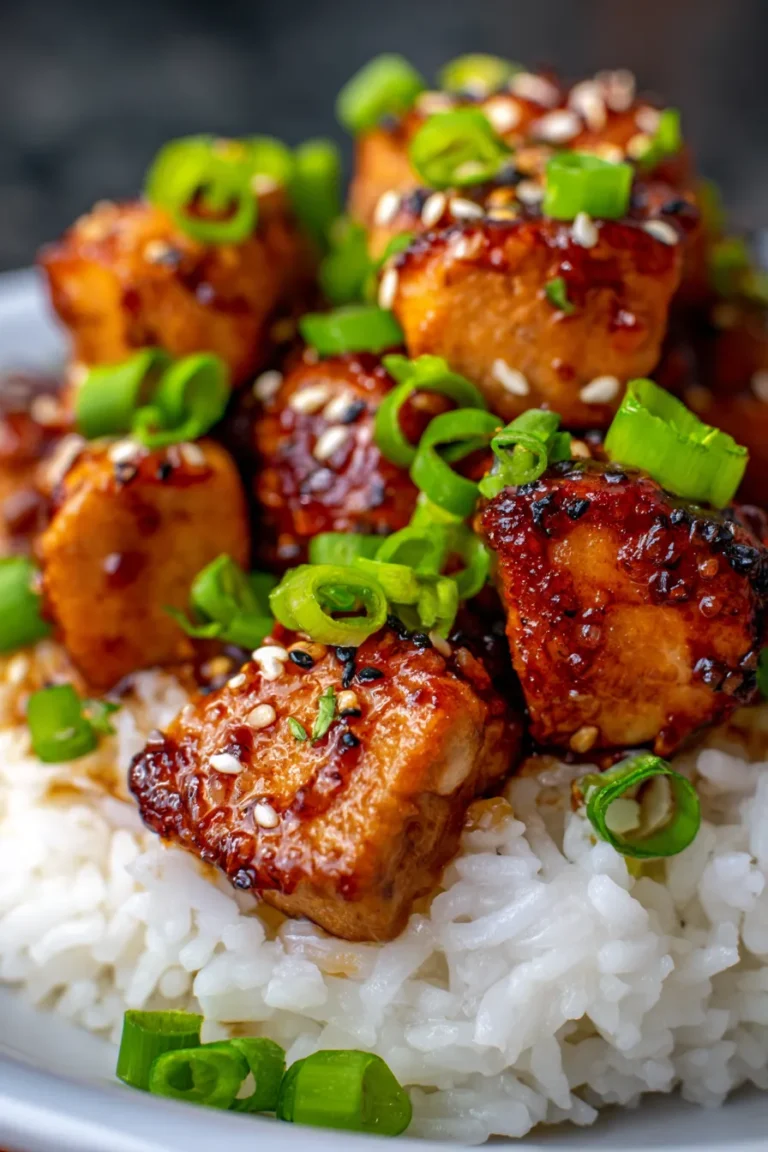
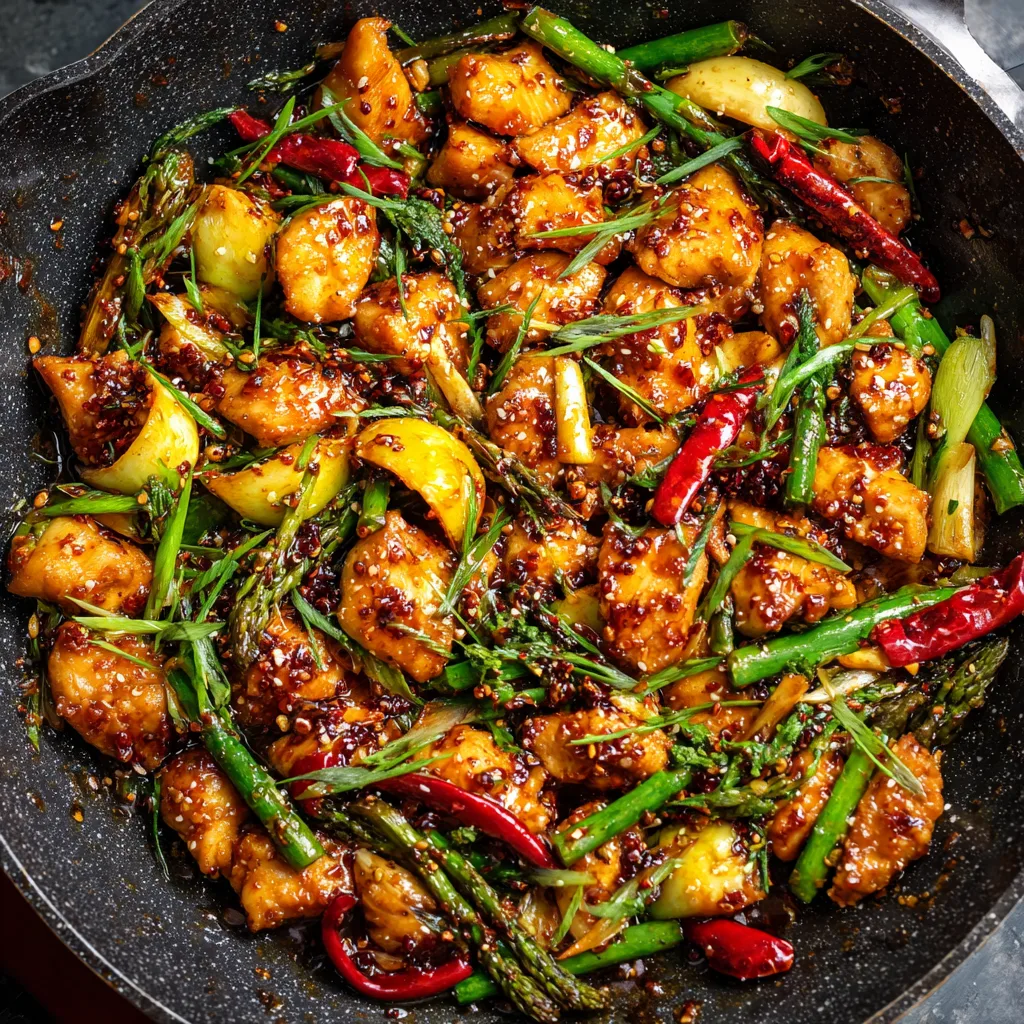
The Ultimate Honey Garlic Chicken Stir-Fry: A Better-Than-Takeout Masterpiece
The beauty of a honey garlic chicken stir-fry lies in its perfect equilibrium of flavors: the deep, salty notes of soy, the sharp aromatic bite of ginger and garlic, and the mellow, floral sweetness of honey. This dish has become a staple in modern kitchens because it bridges the gap between a quick weeknight meal and a high-quality restaurant experience. Unlike heavy, deep-fried takeout versions, a homemade stir-fry allows the ingredients to shine, utilizing high heat and fresh produce to create a sauce that glazes rather than drowns the chicken. By mastering the sequence of searing the protein and emulsifying the sauce, you can achieve a glossy, savory-sweet finish that clings to every morsel, providing a satisfying crunch and a burst of umami in every bite.
Ingredients
For the Chicken and Marinade:
-
1.5 lbs boneless, skinless chicken breasts or thighs, cut into 1-inch bite-sized pieces
-
2 tablespoons cornstarch (for a light, crispy coating)
-
1 tablespoon vegetable oil (high smoke point is essential)
-
Salt and black pepper to taste
For the Honey Garlic Sauce:
-
1/3 cup high-quality honey
-
1/4 cup low-sodium soy sauce
-
4-5 cloves garlic, minced
-
1 tablespoon fresh ginger, grated
-
1 teaspoon toasted sesame oil
-
1 tablespoon rice vinegar (or apple cider vinegar)
-
Optional: 1/2 teaspoon red pepper flakes for a subtle heat
For the Stir-Fry Vegetables:
-
2 cups broccoli florets
-
1 red bell pepper, sliced into strips
-
1 large carrot, julienned or thinly sliced
-
1/2 cup snap peas or snow peas
For Garnish:
-
Sliced green onions
-
Toasted sesame seeds
Step-by-Step Instructions
-
Prep the Chicken: In a medium bowl, toss the chicken pieces with salt, pepper, and cornstarch. Ensure every piece is lightly dusted; the cornstarch is the secret to getting a golden crust and thickening the sauce later.
-
Whisk the Sauce: In a separate small bowl, combine the honey, soy sauce, minced garlic, grated ginger, sesame oil, vinegar, and red pepper flakes. Whisk until the honey is fully integrated.
-
Sear the Protein: Heat a large wok or skillet over medium-high heat with one tablespoon of oil. Once the oil is shimmering, add the chicken in a single layer. Let it sear undisturbed for 2–3 minutes to develop a crust, then toss and cook until browned on all sides and cooked through. Remove the chicken from the pan and set aside.
-
Sauté the Vegetables: In the same pan, add a splash more oil if needed. Toss in the broccoli, carrots, and peppers. Stir-fry for 3–5 minutes. You want the vegetables to be vibrant and “fork-tender”—retaining a slight snap rather than becoming mushy.
-
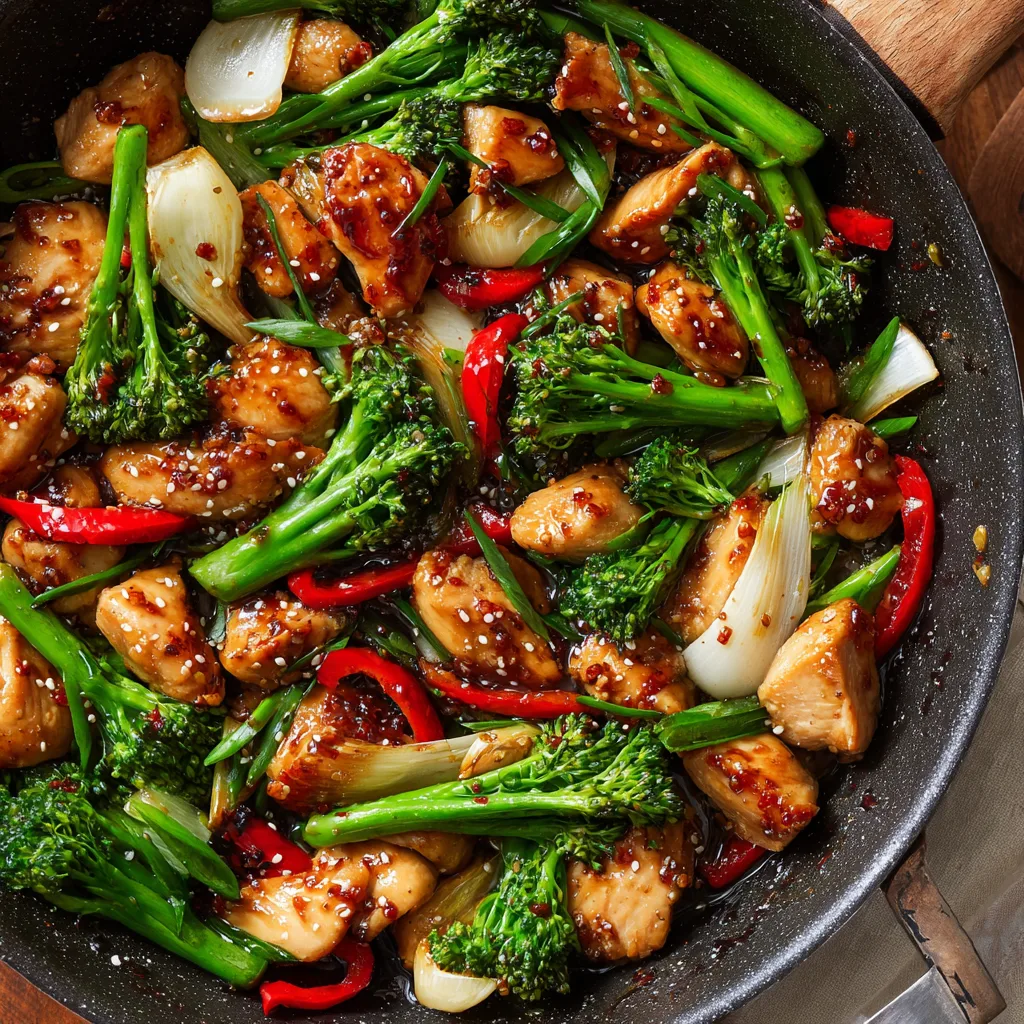
The Final Glaze: Return the cooked chicken to the pan with the vegetables. Pour the honey garlic sauce over the mixture. Stir constantly for 1–2 minutes as the sauce bubbles. The cornstarch from the chicken will react with the heat and the honey, thickening the liquid into a rich, glossy glaze that coats everything evenly.
-
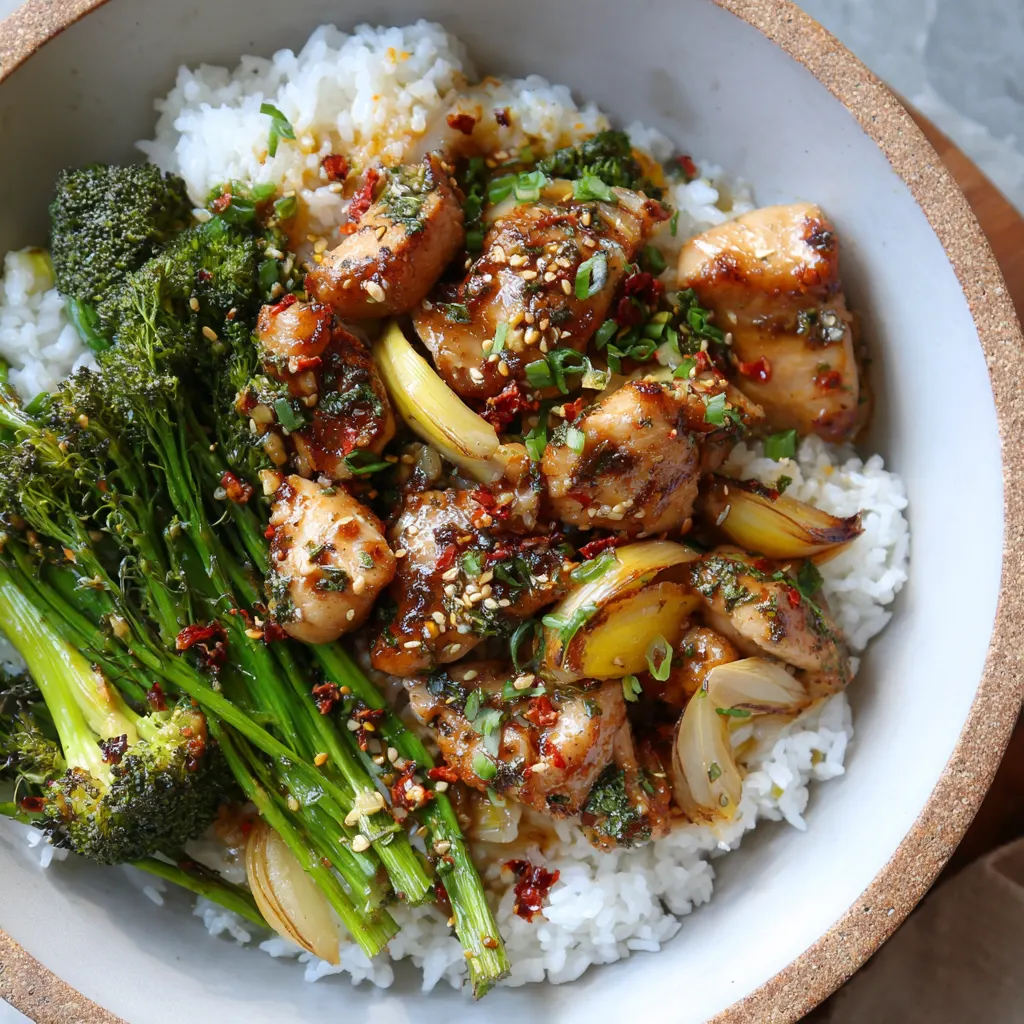
Garnish and Serve: Remove from heat immediately once the sauce reaches your desired thickness. Serve over a bed of fluffy jasmine rice or brown rice, and top with a generous sprinkle of green onions and sesame seeds.
The Science of the Perfect Stir-Fry Sauce
The magic of honey garlic chicken is found in the chemical reaction between the sugars in the honey and the amino acids in the soy sauce. To achieve a professional-grade glaze, temperature control is paramount. If the pan is too cool, the honey will simply sit at the bottom; if it is too hot, the sugars can scorch, turning the sauce bitter. The addition of cornstarch serves a dual purpose: it creates a protective barrier for the chicken to keep it juicy, and it acts as a thickening agent for the sauce.
When the cold sauce hits the hot pan, the starch granules swell and trap moisture, transforming a thin liquid into a velvet-like coating. For those who prefer an even thicker “American-style” takeout sauce, you can mix an additional teaspoon of cornstarch with a tablespoon of water (a slurry) and whisk it into the sauce as it simmers. This ensures the flavor remains concentrated without being watered down.
Customizing Your Stir-Fry for Dietary Needs
One of the reasons this recipe ranks as a top-tier choice for home cooks is its incredible versatility. The flavor profile is robust enough to handle various substitutions without losing its identity. If you are monitoring sodium intake, always opt for low-sodium soy sauce or liquid aminos. For a gluten-free version, tamari is an excellent 1:1 replacement for soy sauce that maintains the depth of flavor.
Vegetable selection is another area where you can personalize the dish based on seasonality. While broccoli and peppers are classic, bok choy, water chestnuts, or baby corn add wonderful textural contrast. If you prefer a leaner meal, chicken breast provides a clean, high-protein base, whereas chicken thighs offer a juicier, more decadent mouthfeel due to their slightly higher fat content. For a vegan alternative, firm tofu or tempeh can be pressed and seared using the exact same cornstarch method to achieve a crispy exterior that drinks up the honey-garlic glaze.
Pro Tips for Success and Storage
To elevate this dish from a standard meal to a culinary highlight, focus on “mise en place”—having everything prepped before the heat is turned on. Stir-frying is a fast-paced cooking method; once the pan is hot, you won’t have time to mince garlic or chop carrots. Cutting your chicken into uniform pieces is equally vital, as it ensures everything cooks at the same rate, preventing smaller pieces from drying out while larger ones remain raw.
If you are meal prepping, honey garlic chicken is an ideal candidate. Unlike cream-based dishes, this stir-fry reheats beautifully. Store the chicken and vegetables in an airtight container for up to four days. To maintain the texture when reheating, use a skillet over medium heat with a teaspoon of water to loosen the sauce, rather than the microwave, which can sometimes make the chicken rubbery. Whether served fresh or as a desk lunch the next day, the flavors only deepen over time, making it a reliable and delicious solution for a busy lifestyle.