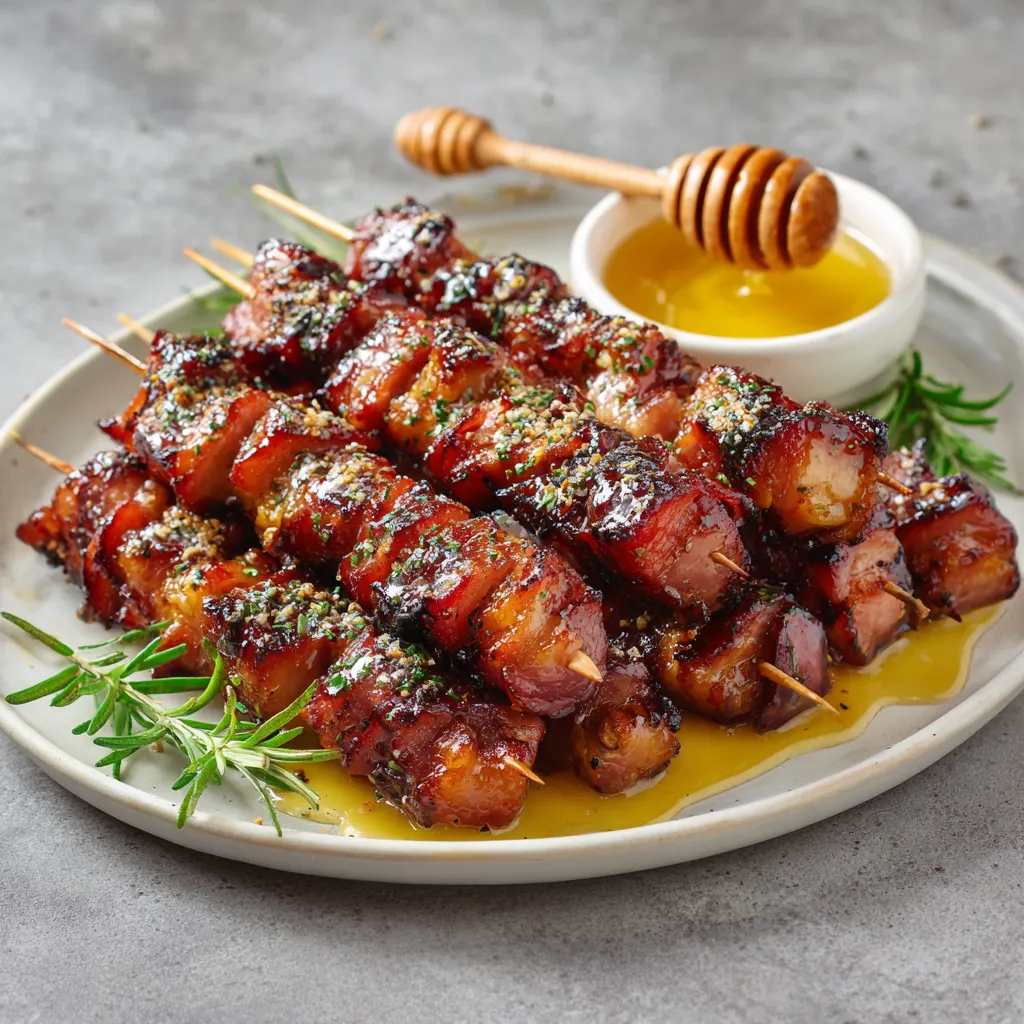
The Ultimate Honey Glazed Ham Skewers
Honey glazed ham is a timeless centerpiece, but transforming it into skewers creates an approachable, crowd-pleasing appetizer that balances smoky, salty, and sweet notes in every bite. Whether you are hosting a festive holiday gathering or a casual backyard cookout, these skewers offer a gourmet experience with minimal effort. By cubing the ham before glazing, you increase the surface area for caramelization, ensuring that every single piece is coated in a thick, mahogany-colored crust.
Ingredients
For the Skewers:
-
2 lbs Fully Cooked Ham: A high-quality boneless ham or a thick-cut ham steak works best for uniform cubing.
-
1 Fresh Pineapple: Peeled and cut into 1-inch chunks (the acidity perfectly cuts through the richness of the ham).
-
1 Red Onion: Cut into 1-inch petals to add a savory depth and crunch.
-
1-2 Jalapeños (Optional): Sliced into rounds for those who enjoy a sweet-and-heat profile.
-
Wooden or Metal Skewers: If using wooden skewers, soak them in water for 30 minutes to prevent burning.
For the Honey Glaze:
-
1/2 cup Honey: Use a high-quality clover or wildflower honey for the best floral sweetness.
-
1/4 cup Brown Sugar: Packed; light or dark both work well for deep caramelization.
-
2 tbsp Unsalted Butter: Adds a rich, velvety mouthfeel to the glaze.
-
2 tbsp Pineapple Juice: Reserved from the fresh pineapple or canned, to help thin the glaze and add tang.
-
1 tsp Dijon Mustard: Provides a necessary sharp contrast to the sugar.
-
Spices: 1/2 tsp ground cinnamon, 1/4 tsp ground cloves, and a pinch of smoked paprika for a hint of warmth.
Step-by-Step Instructions
-
Prepare the Glaze: In a small saucepan over medium heat, combine the honey, brown sugar, butter, pineapple juice, mustard, and spices. Bring the mixture to a gentle simmer, whisking constantly until the sugar is fully dissolved. Let it simmer for 3–5 minutes until it reaches the consistency of a warm syrup. Remove from heat; it will continue to thicken as it cools.
-
Prep the Components: Dice the ham into uniform 1-inch cubes. If you are using a spiral-cut ham, try to keep the pieces thick enough to stay on the skewer. Chop your pineapple and red onion into similar-sized pieces to ensure even cooking.
-
Assemble the Skewers: Thread the ingredients onto the skewers, alternating between ham, pineapple, and onion. For the best flavor distribution, ensure each piece of ham is sandwiched between a piece of fruit and a vegetable.
-
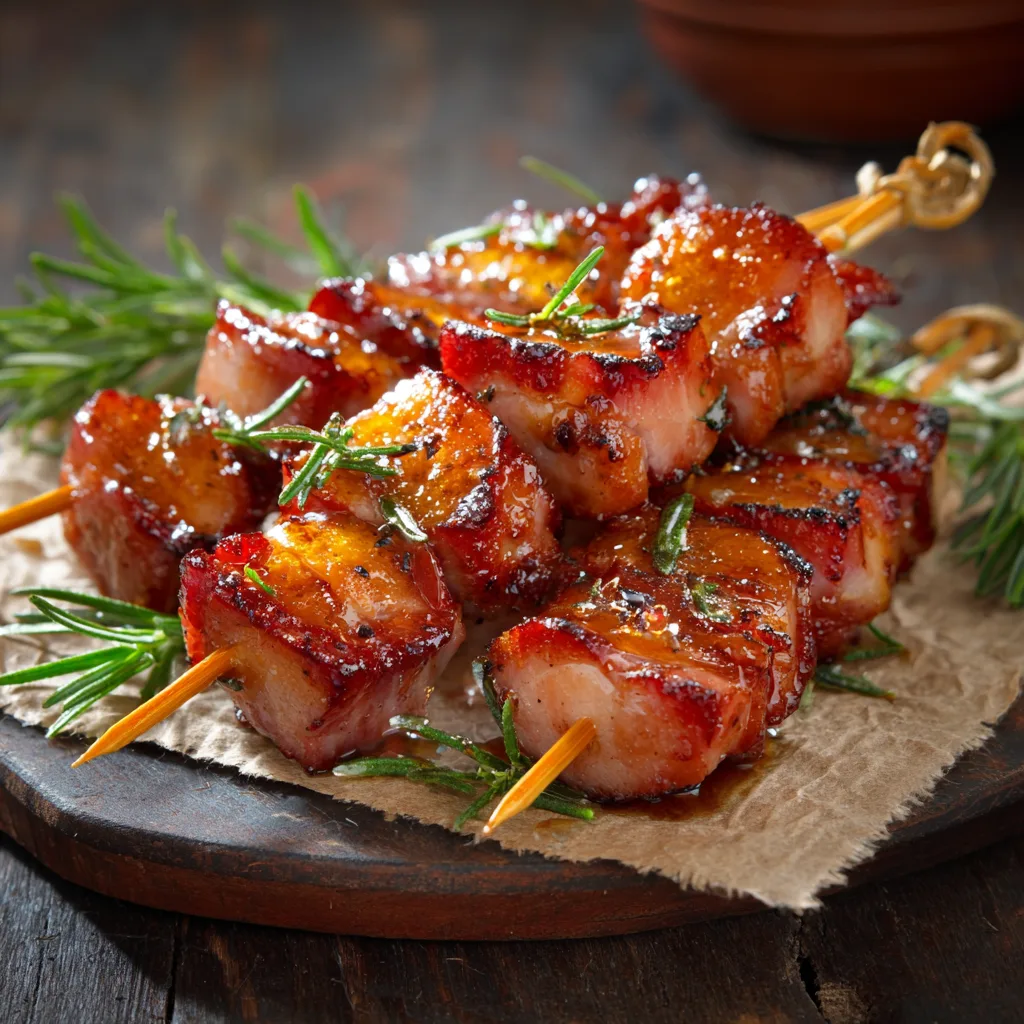
The First Glaze: Preheat your oven to 375°F (190°C) or set your grill to medium-high indirect heat. Arrange the skewers on a parchment-lined baking sheet or a lightly oiled grill grate. Using a basting brush, liberally coat all sides of the skewers with about half of the prepared honey glaze.
-
Cook and Caramelize: Roast or grill the skewers for 10–15 minutes. If grilling, turn them halfway through. The goal is to heat the ham through and allow the pineapple to soften and char slightly.
-
The Final Baste: Remove the skewers briefly and apply a second, thick layer of the remaining glaze. If using an oven, you can switch to the broiler setting for the last 2–3 minutes to achieve those signature crispy, “burnt ends” edges.
-
Rest and Serve: Allow the skewers to rest for 5 minutes before serving. This allows the glaze to set into a sticky, glossy lacquer that won’t run off.
Selecting the Best Ham and Pineapple
The success of this dish starts with the quality of your base ingredients. When choosing a ham, look for “Ham with Natural Juices” or “Ham” rather than “Ham and Water Product.” The former has a better texture and won’t shrink as much during the cooking process. A boneless ham is significantly easier to cube into perfect 1-inch squares, which helps the skewers cook evenly and look professional on a platter.
For the pineapple, fresh is always superior to canned. Fresh pineapple holds its structure better under high heat and provides a vibrant acidity that canned versions often lack. To pick a ripe one, look for a golden-yellow color at the base and a sweet aroma. If you must use canned, choose pineapple chunks in 100% juice rather than heavy syrup to prevent the skewers from becoming cloying.
Mastering the Science of the Glaze
The glaze is more than just a topping; it is a functional coating that protects the meat while adding flavor. Honey provides the primary sweetness and “stickiness,” but it has a lower burning point than granulated sugar. This is why we combine it with brown sugar, which contains molasses to add a deeper color and more stable caramelization.
Adding an acidic component—like Dijon mustard or pineapple juice—is crucial. Without acid, the honey and sugar can become one-dimensional. The mustard also acts as an emulsifier, helping the butter and honey stay blended into a smooth, brushable liquid. If your glaze becomes too thick while sitting, simply whisk in a teaspoon of warm water or juice to bring it back to a spreadable consistency.
Grilling vs. Baking: Which is Better?
Both methods yield delicious results, but they offer different flavor profiles. Grilling the skewers over indirect heat adds a subtle smokiness that complements the salty ham perfectly. The high heat of the grill also produces beautiful char marks on the pineapple, intensifying its natural sugars.
Baking, on the other hand, allows for more control. By using a parchment-lined baking sheet, you catch all the dripping glaze, which essentially “confits” the bottom of the ham cubes in their own juices. The broiler finish in the oven is the best way to achieve a uniform, glass-like crust. If you are cooking for a large crowd, the oven method is typically more efficient as you can fit more skewers on multiple racks simultaneously.
Serving Suggestions and Storage
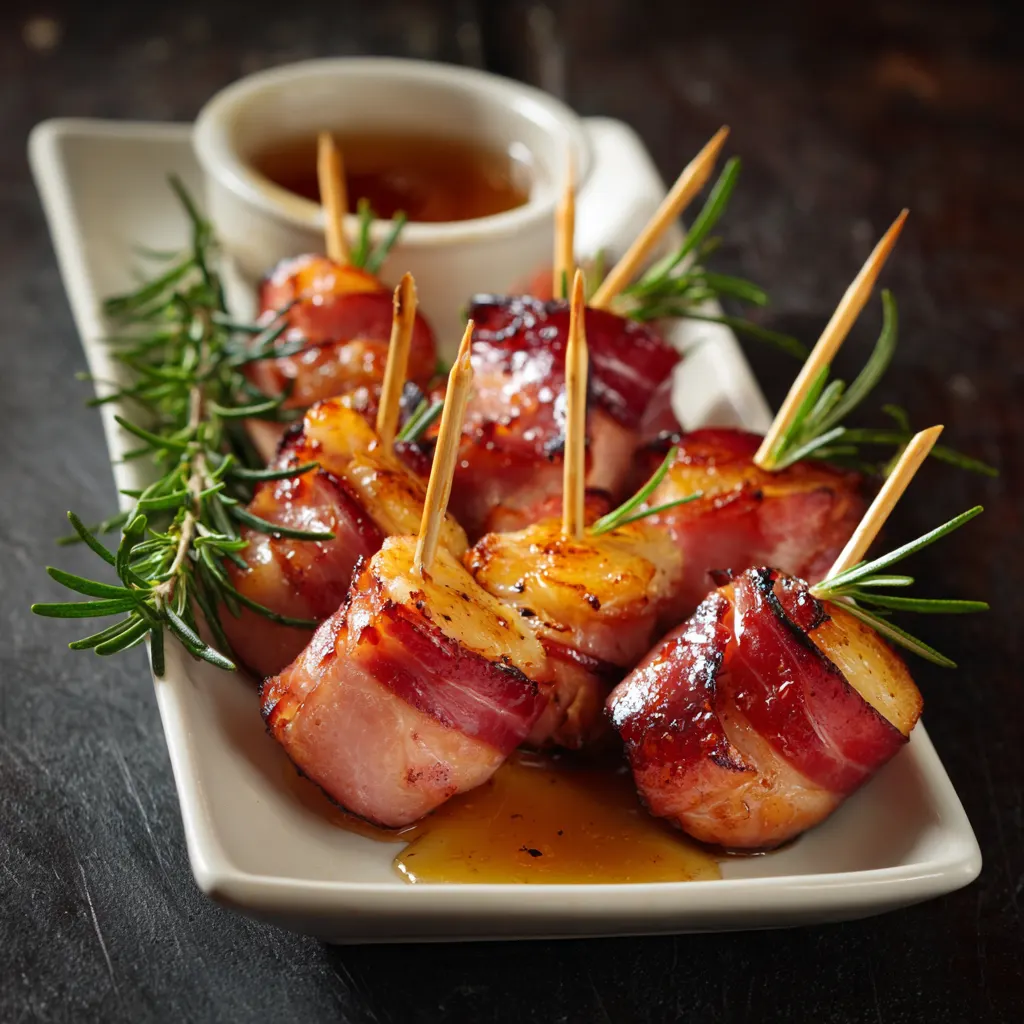
These skewers are best served warm, ideally paired with a cool dipping sauce like a zesty lime crema or a simple honey-mustard dip. To make them a full meal, serve them over a bed of coconut rice or alongside a crisp green salad with a citrus vinaigrette.
If you have leftovers, the ham and pineapple can be removed from the skewers and tossed into a fried rice or a morning omelet. Store any remaining skewers in an airtight container in the refrigerator for up to three days. To reheat, avoid the microwave as it can make the ham rubbery; instead, place them in a 300°F oven for 5–8 minutes until the glaze is bubbling once again.