The Ultimate Honey Glazed Ham with Pineapple: A Holiday Masterpiece
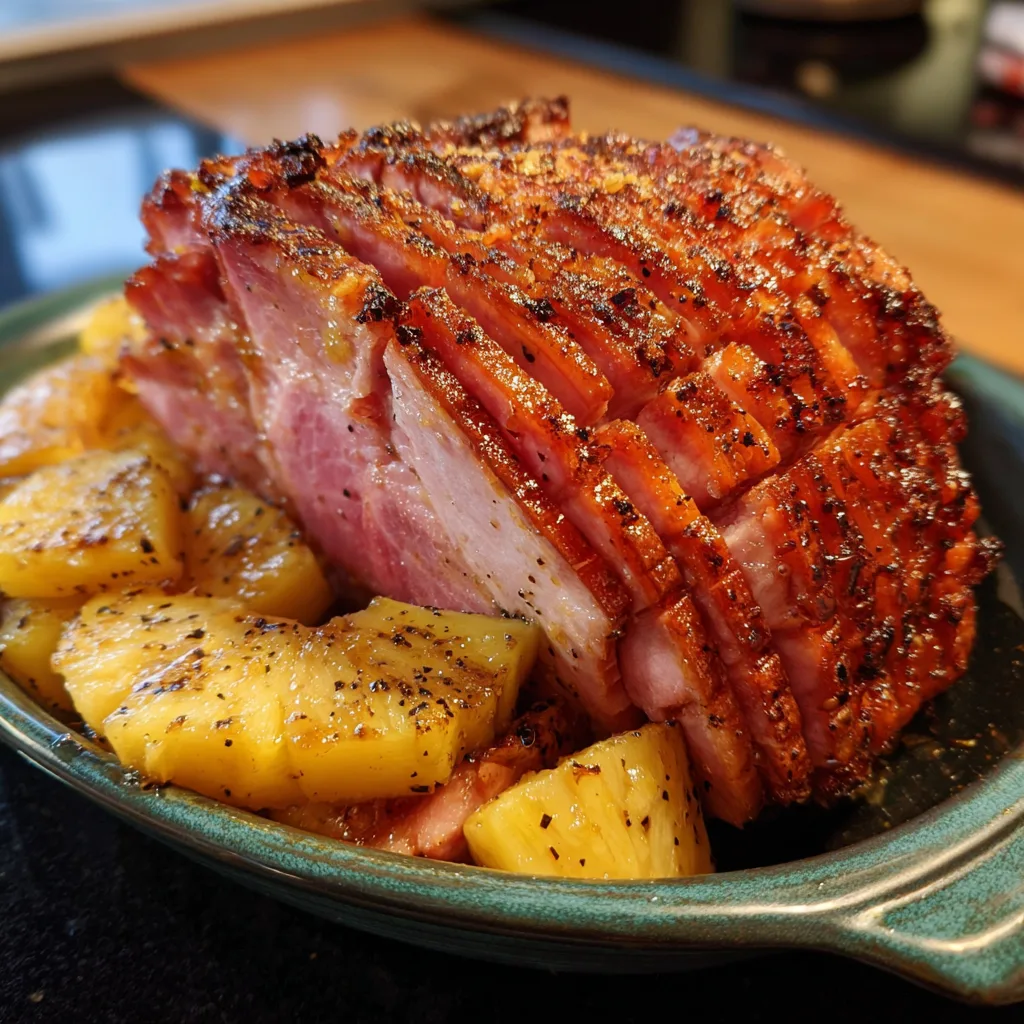
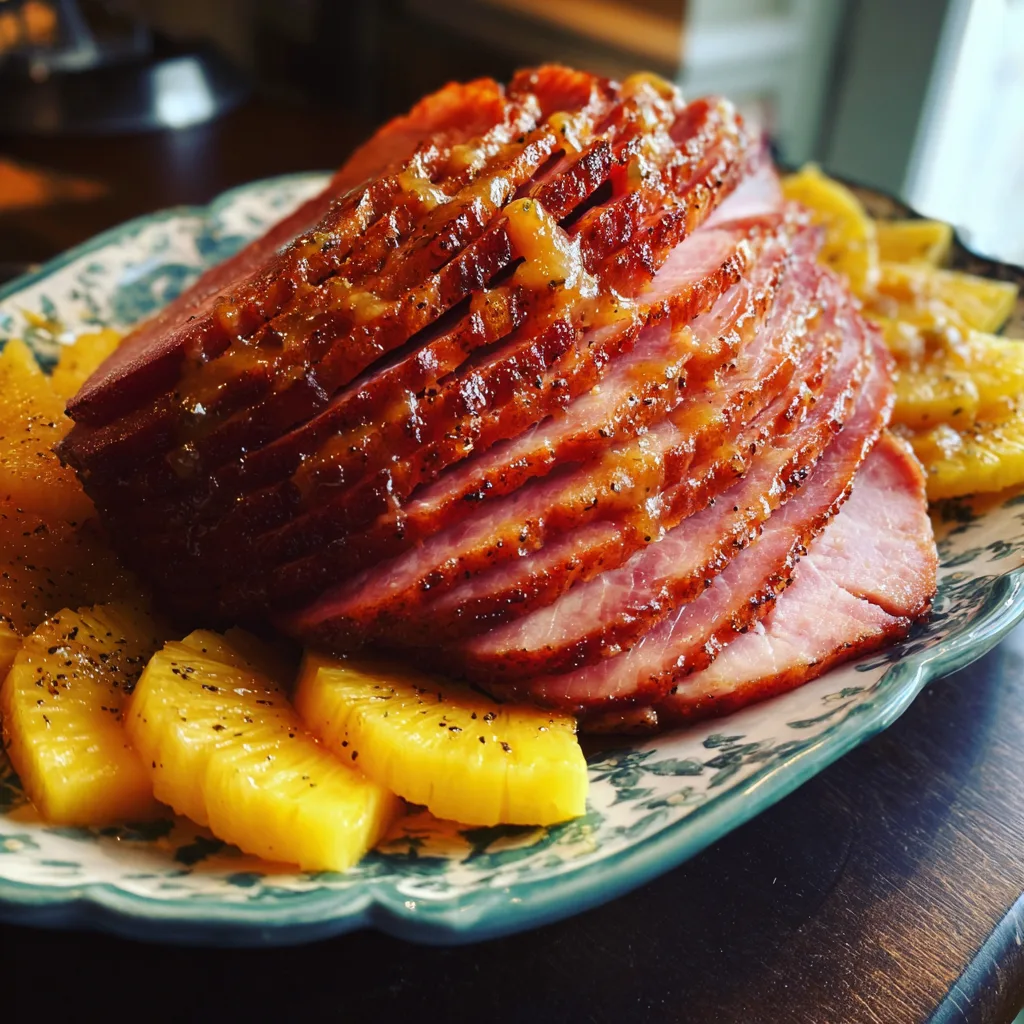
A honey-glazed ham adorned with golden pineapple rings is more than just a centerpiece; it is a timeless tradition that brings a perfect balance of salty, sweet, and tangy flavors to the dinner table. Whether you are hosting a festive Easter brunch, a classic Christmas dinner, or a celebratory Sunday feast, this recipe ensures a succulent, tender interior protected by a beautifully caramelized, crackling crust. The secret lies in the synergy between the floral sweetness of the honey and the natural acidity of the pineapple, which acts as a tenderizer for the meat while creating a visually stunning presentation.
Ingredients You Will Need
-
The Ham: 1 (8–10 lb) fully cooked bone-in ham (spiral sliced or whole).
-
The Fruit: 1 can (20 oz) pineapple slices in juice (reserve the juice).
-
The Sweetener: 1 cup honey (clover or wildflower work best).
-
The Base: ½ cup packed light brown sugar.
-
The Aromatics: 2 tablespoons Dijon mustard and 1 teaspoon ground cinnamon.
-
The Detail: Whole cloves for studding the ham and Maraschino cherries for the center of the pineapple rings.
Step-By-Step Preparation Guide
-
Prep the Oven and Ham: Preheat your oven to 325°F (165°C). Remove the ham from its packaging and discard the plastic disk on the bone. Place the ham cut-side down in a heavy roasting pan.
-
Score and Stud: If using a non-sliced ham, use a sharp knife to score a diamond pattern into the fat (about ¼ inch deep). Place a whole clove at the intersections of the diamonds.
-
Prepare the Glaze: In a small saucepan over medium heat, combine the honey, brown sugar, Dijon mustard, cinnamon, and ¼ cup of the reserved pineapple juice. Simmer for 3–5 minutes until the sugar is dissolved and the glaze is slightly thickened.
-
The First Roast: Brush about one-third of the glaze over the ham. Cover the roasting pan tightly with aluminum foil to prevent the meat from drying out. Bake for 10–12 minutes per pound.
-
Decorate with Pineapple: Remove the ham from the oven 30 minutes before it is finished. Carefully arrange the pineapple slices over the surface, securing them with toothpicks. Place a cherry in the center of each ring.
-
The Final Glaze: Brush the remaining honey glaze generously over the pineapple and the ham. Return the ham to the oven, uncovered. Increase the heat to 400°F (200°C) for the last 15 minutes, basting once more, until the glaze is bubbly and the pineapples are slightly charred.
-
Rest and Serve: Allow the ham to rest for at least 15–20 minutes before carving. This allows the juices to redistribute, ensuring every slice is moist.
Choosing and Preparing the Perfect Cut
Selecting the right ham is the foundation of a successful meal. While boneless hams offer convenience for slicing, a bone-in ham is widely considered superior for flavor and moisture retention. The bone conducts heat during the roasting process, helping the meat cook more evenly, and can be saved afterward to flavor soups or beans. If you prefer ease of serving, a spiral-sliced ham is a popular choice; however, it requires more care during reheating—specifically tight foiling—to ensure the pre-cut slices do not lose their moisture.
Before the ham even enters the oven, it is essential to bring it closer to room temperature. Taking the ham out of the refrigerator about an hour before cooking prevents the outside from overcooking while the center remains cold. Additionally, scoring the fat layer is a vital step. By creating shallow cuts in a diamond pattern, you provide “channels” for the honey and pineapple juices to seep deep into the meat rather than simply sliding off the surface.
The Science of the Honey-Pineapple Glaze
The magic of this dish happens through caramelization and the Maillard reaction. Honey is primarily composed of fructose and glucose, which caramelize at lower temperatures than granulated sugar. This results in that deep, mahogany color and complex flavor profile. When combined with brown sugar, which contains molasses, the glaze develops a rich, toffee-like undertone that perfectly complements the saltiness of the cured pork.
Pineapple plays a dual role in this recipe. Beyond its aesthetic appeal, pineapple contains an enzyme called bromelain. This enzyme breaks down proteins, which helps soften the outer layer of the ham. By basting the ham with the pineapple juice mixture, you are essentially “marinating” the roast as it cooks. The addition of Dijon mustard provides a necessary sharp acidity to cut through the heavy sweetness, while cinnamon adds a warm, aromatic depth that bridges the gap between the fruit and the savory meat.
Mastering the Roasting Process
Precision is the difference between a ham that is succulent and one that is dry. Since most hams purchased at the grocery store are “fully cooked,” your primary goal is to heat the meat to an internal temperature of 140°F without evaporating its natural juices. Using a meat thermometer is the most reliable way to achieve this. By starting the roast at a lower temperature (325°F) while covered in foil, you create a steaming environment that gently warms the ham.
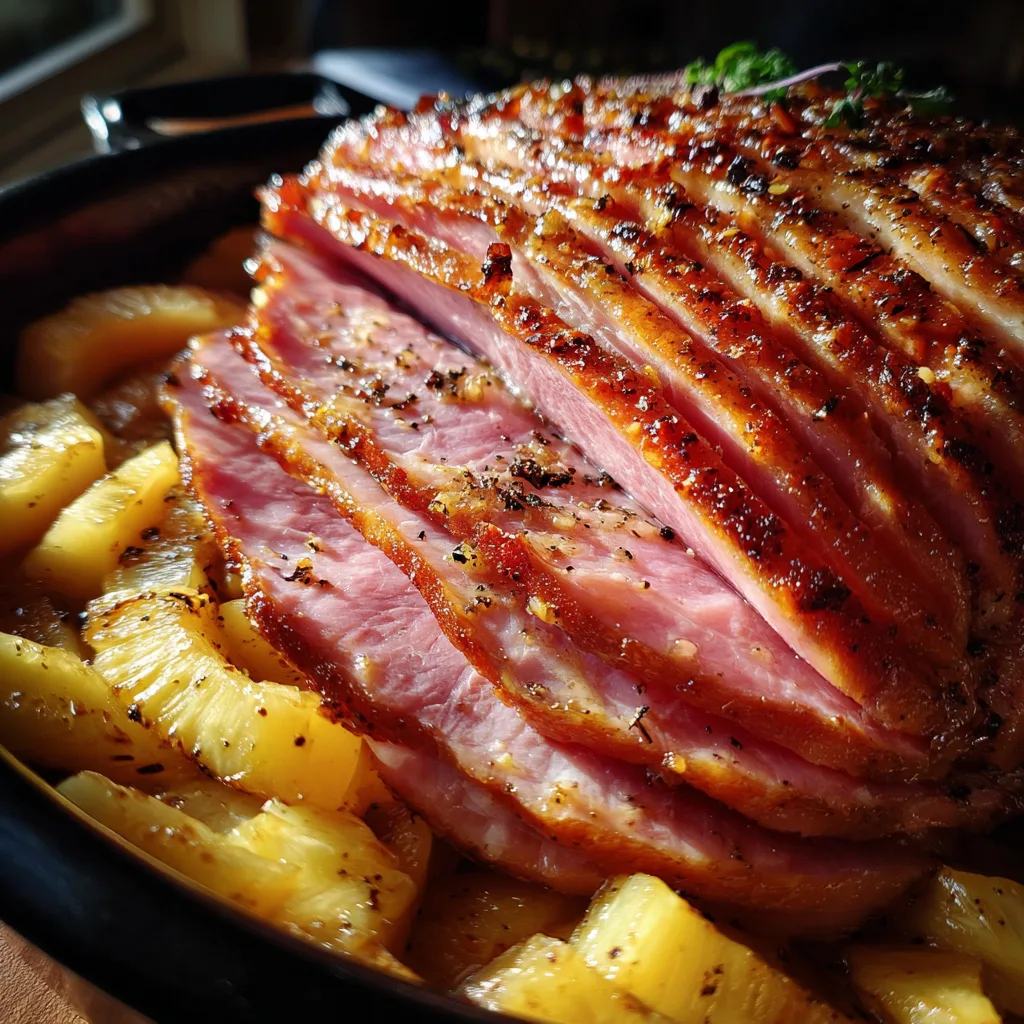
The “uncovered” phase at the end of the process is where the texture is built. Increasing the heat for the final 20 minutes allows the sugars in the honey glaze to reach the “hard crack” stage, creating those coveted crispy edges. This is also when the pineapple rings undergo a transformation, as their natural sugars intensify and the edges turn a beautiful golden brown. If you find the glaze is darkening too quickly, a light tent of foil can protect the top while the interior finishes heating.
Serving Suggestions and Storage
To elevate the presentation, serve the ham on a large platter garnished with fresh rosemary sprigs or kale leaves to provide a vibrant green contrast to the golden fruit. The leftover glaze at the bottom of the roasting pan should not be discarded; instead, strain it and serve it in a small boat as a “jus” for those who want an extra punch of sweetness.
Leftover honey-glazed ham is incredibly versatile. It can be stored in the refrigerator for up to four days or frozen for up to two months. Thinly sliced leftovers make for the ultimate gourmet sandwich when paired with Swiss cheese and a bit of leftover pineapple. For a savory breakfast, dice the ham and toss it into a skillet with potatoes and onions for a hearty hash. Regardless of how you serve it, the combination of honey and pineapple ensures that the flavors remain vibrant even days after the initial feast.