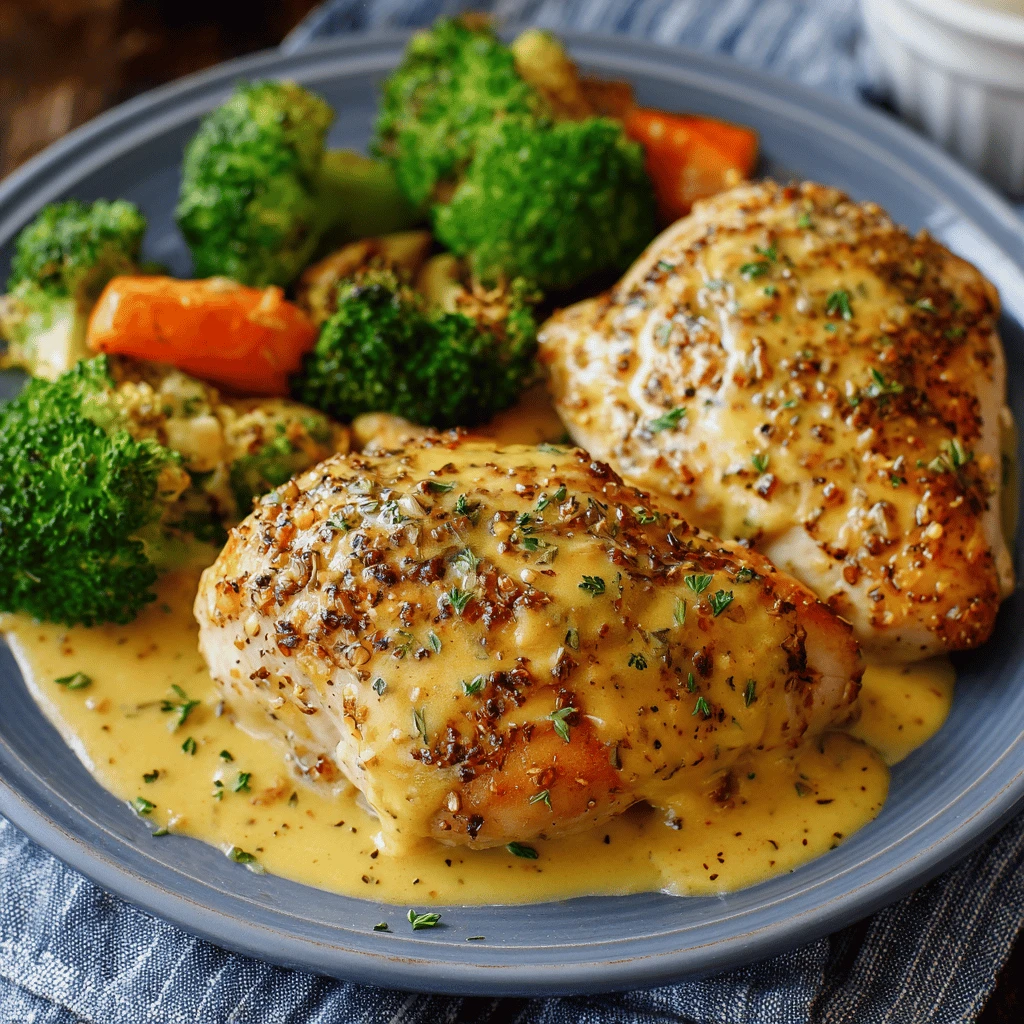
Honey Mustard Baked Chicken
Honey mustard baked chicken is a classic dish, beloved for its sweet and tangy flavor profile and its simplicity to prepare. It’s a crowd-pleaser perfect for weeknight dinners or casual gatherings. This guide will take you through everything you need to know to make the perfect honey mustard baked chicken, from selecting the right ingredients to mastering the baking process.
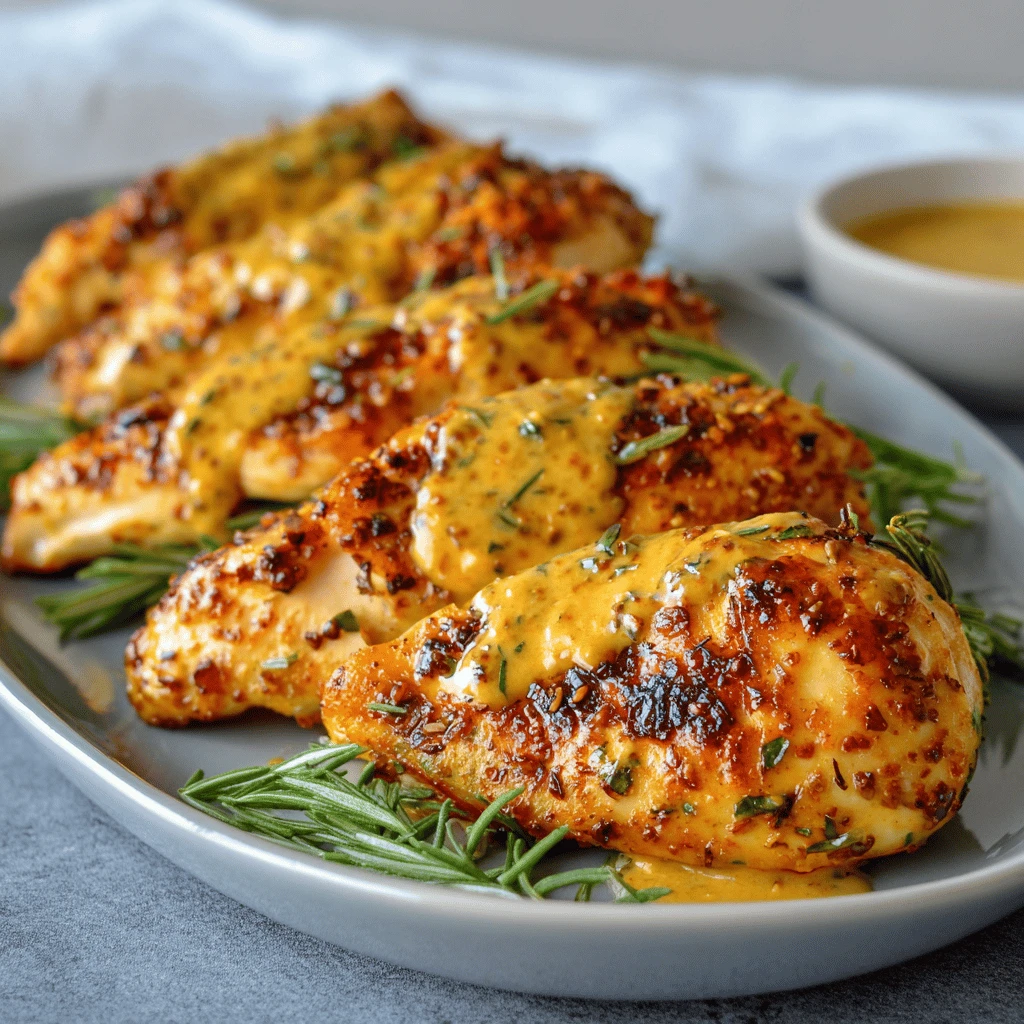
Choosing Your Chicken and Honey Mustard
The foundation of any great honey mustard chicken recipe lies in the quality of the chicken and honey mustard you choose.
Chicken Cuts: What Works Best?
Several chicken cuts are suitable for baking with honey mustard.
- Chicken Breasts: Boneless, skinless chicken breasts are a popular choice because they cook quickly and evenly. They are lean and readily available. Pound them to an even thickness for uniform cooking.
- Chicken Thighs: Bone-in, skin-on chicken thighs offer a richer flavor and stay moist during baking. The skin crisps up beautifully, adding texture and taste. Boneless, skinless thighs also work well and cook faster.
- Chicken Drumsticks: Drumsticks are an economical option that’s particularly appealing to kids. They require slightly longer cooking times to ensure they are cooked through.
- Whole Chicken: While less common for honey mustard baking, a whole chicken can be used. Be prepared for significantly longer cooking times and ensure the internal temperature reaches a safe level.
Consider your preferences and the desired cooking time when selecting your chicken cut.
The Perfect Honey Mustard: Store-Bought vs. Homemade
Both store-bought and homemade honey mustard dressings can be used for this recipe.
- Store-Bought: Opt for a high-quality honey mustard dressing with a balanced sweet and tangy taste. Check the ingredient list for artificial additives and excessive sugar. Brands with recognizable ingredients are generally better.
- Homemade: Making your own honey mustard allows you to customize the flavor to your liking. A basic recipe involves combining honey, Dijon mustard, mayonnaise (optional), vinegar (apple cider or white), and spices. This allows you to control sweetness, tanginess, and thickness.
Experiment with both options to find your perfect match. A homemade version usually offers a fresher, more customizable taste.
Creating the Ultimate Honey Mustard Marinade or Glaze
A well-prepared marinade or glaze is essential for infusing the chicken with flavor and achieving a beautiful caramelized finish.
Marinating for Maximum Flavor
Marinating the chicken before baking allows the honey mustard flavors to penetrate deeply.
- Marinade Ingredients: Combine honey, Dijon mustard, olive oil, lemon juice (or vinegar), garlic powder, onion powder, paprika, salt, and pepper. Adjust the ratios to your preferred taste.
- Marinating Time: Marinate the chicken for at least 30 minutes, but preferably for 2-4 hours, or even overnight in the refrigerator. Longer marinating times result in more flavorful and tender chicken.
- Marinating Tips: Use a resealable plastic bag or a glass container to marinate the chicken. Ensure the chicken is fully submerged in the marinade. Turn the bag or container occasionally to evenly distribute the marinade.
Building a Sticky, Sweet Glaze
If you prefer a glaze, apply it during the baking process for a caramelized finish.
- Glaze Ingredients: Similar to the marinade, a glaze typically includes honey, Dijon mustard, brown sugar (optional for deeper caramelization), Worcestershire sauce (optional for umami), and a touch of melted butter for richness.
- Application Timing: Baste the chicken with the glaze during the last 15-20 minutes of baking. This prevents the sugars from burning and ensures a glossy, sticky coating.
- Glaze Consistency: Adjust the consistency of the glaze by adding a small amount of water or chicken broth if it’s too thick.
Whether you choose a marinade or a glaze depends on your desired level of flavor penetration and the final texture.
The Perfect Baking Technique
Achieving perfectly cooked honey mustard baked chicken requires careful attention to baking time, temperature, and technique.
Temperature and Timing for Different Chicken Cuts
The ideal baking temperature and time vary depending on the chicken cut.
- Chicken Breasts: Bake at 375°F (190°C) for 20-30 minutes, or until the internal temperature reaches 165°F (74°C).
- Chicken Thighs (Boneless, Skinless): Bake at 400°F (200°C) for 25-35 minutes, or until the internal temperature reaches 175°F (79°C).
- Chicken Thighs (Bone-In, Skin-On): Bake at 400°F (200°C) for 35-45 minutes, or until the internal temperature reaches 175°F (79°C) and the skin is crispy.
- Chicken Drumsticks: Bake at 400°F (200°C) for 35-45 minutes, or until the internal temperature reaches 175°F (79°C).
- Whole Chicken: Bake at 350°F (175°C) for approximately 20 minutes per pound, or until the internal temperature reaches 165°F (74°C) in the thickest part of the thigh.
Always use a meat thermometer to ensure the chicken is cooked through.
Baking Pans and Preparation
The type of baking pan and its preparation can impact the final result.
- Baking Pan Options: Use a baking dish, sheet pan, or cast iron skillet. Line the pan with parchment paper or aluminum foil for easy cleanup.
- Preventing Sticking: Lightly grease the pan with cooking spray or olive oil to prevent the chicken from sticking.
- Arranging the Chicken: Arrange the chicken pieces in a single layer, ensuring they are not overcrowded. This allows for even cooking and browning.
Tips for Juicy and Tender Chicken
Several techniques can help maintain the chicken’s moisture and tenderness.
- Pounding Chicken Breasts: Pound chicken breasts to an even thickness to ensure they cook evenly and prevent them from drying out.
- Basting: Baste the chicken with the marinade or glaze during baking to keep it moist and add flavor.
- Resting Time: Allow the chicken to rest for 5-10 minutes after baking before slicing or serving. This allows the juices to redistribute, resulting in a more tender and flavorful dish.
Adding Variations and Sides
Honey mustard baked chicken is delicious on its own, but you can easily customize it with variations and serve it with complementary sides.
Flavor Variations
Experiment with different flavor combinations to create unique variations.
- Spicy Honey Mustard: Add a pinch of red pepper flakes or a dash of hot sauce to the marinade or glaze for a spicy kick.
- Garlic Herb Honey Mustard: Incorporate minced garlic, fresh herbs (such as thyme, rosemary, or parsley), and a squeeze of lemon juice for a herbaceous flavor.
- Smoked Paprika Honey Mustard: Use smoked paprika instead of regular paprika for a smoky and complex flavor.
- Maple Honey Mustard: Substitute some of the honey with maple syrup for a richer, more nuanced sweetness.
Delicious Side Dishes
Pair honey mustard baked chicken with a variety of side dishes for a complete meal.
- Roasted Vegetables: Roasted vegetables such as broccoli, Brussels sprouts, carrots, or sweet potatoes complement the sweetness of the honey mustard.
- Mashed Potatoes or Sweet Potato Mash: Creamy mashed potatoes or sweet potato mash provide a comforting and satisfying side.
- Rice or Quinoa: Fluffy rice or quinoa is a healthy and versatile option.
- Salads: A fresh green salad or a pasta salad provides a refreshing contrast to the rich chicken.
- Green Beans: Steamed or sautéed green beans are a simple and healthy side.
Choose sides that complement the flavors of the chicken and suit your personal preferences.
Troubleshooting and Storage
Even with the best recipe, occasional issues can arise. Understanding how to troubleshoot and properly store the chicken will ensure a successful outcome.
Addressing Common Problems
- Dry Chicken: If the chicken is dry, it may be overcooked. Ensure you are using a meat thermometer and not overbaking it. Basting frequently during baking can also help.
- Burnt Glaze: If the glaze is burning, reduce the oven temperature slightly or tent the chicken with aluminum foil during the last part of baking. Also, ensure the sugars in the glaze aren’t excessive.
- Uneven Cooking: Ensure the chicken pieces are of uniform thickness and are arranged in a single layer in the pan. Rotate the pan halfway through baking for even browning.
- Lack of Flavor: Increase the marinating time or adjust the seasoning in the marinade or glaze to enhance the flavor.
Proper Storage Techniques
- Refrigeration: Store leftover honey mustard baked chicken in an airtight container in the refrigerator for up to 3-4 days.
- Freezing: For longer storage, freeze the chicken in an airtight container for up to 2-3 months. Thaw it in the refrigerator overnight before reheating.
- Reheating: Reheat the chicken in the oven at 350°F (175°C) until warmed through, or in the microwave. Adding a little chicken broth or water during reheating can help prevent it from drying out.
By following these tips, you can ensure your honey mustard baked chicken is consistently delicious and that leftovers are stored properly.

FAQ About Honey Mustard Baked Chicken
- What is the best internal temperature for cooked chicken? The USDA recommends an internal temperature of 165°F (74°C) for chicken breasts and 175°F (79°C) for chicken thighs and drumsticks. Use a meat thermometer to ensure accuracy.
- Can I use frozen chicken? Yes, but thaw it completely in the refrigerator before marinating and baking. This ensures even cooking and better flavor absorption.
- How can I make the glaze thicker? Simmer the glaze in a saucepan over medium heat for a few minutes before applying it to the chicken. This will reduce the liquid and concentrate the flavors.
- Can I use a different type of mustard? While Dijon mustard is commonly used, you can experiment with other mustards like whole grain mustard or yellow mustard for different flavor profiles.
- What if I don’t have honey? Maple syrup or agave nectar can be used as substitutes for honey in the marinade or glaze, though the flavor will be slightly different.