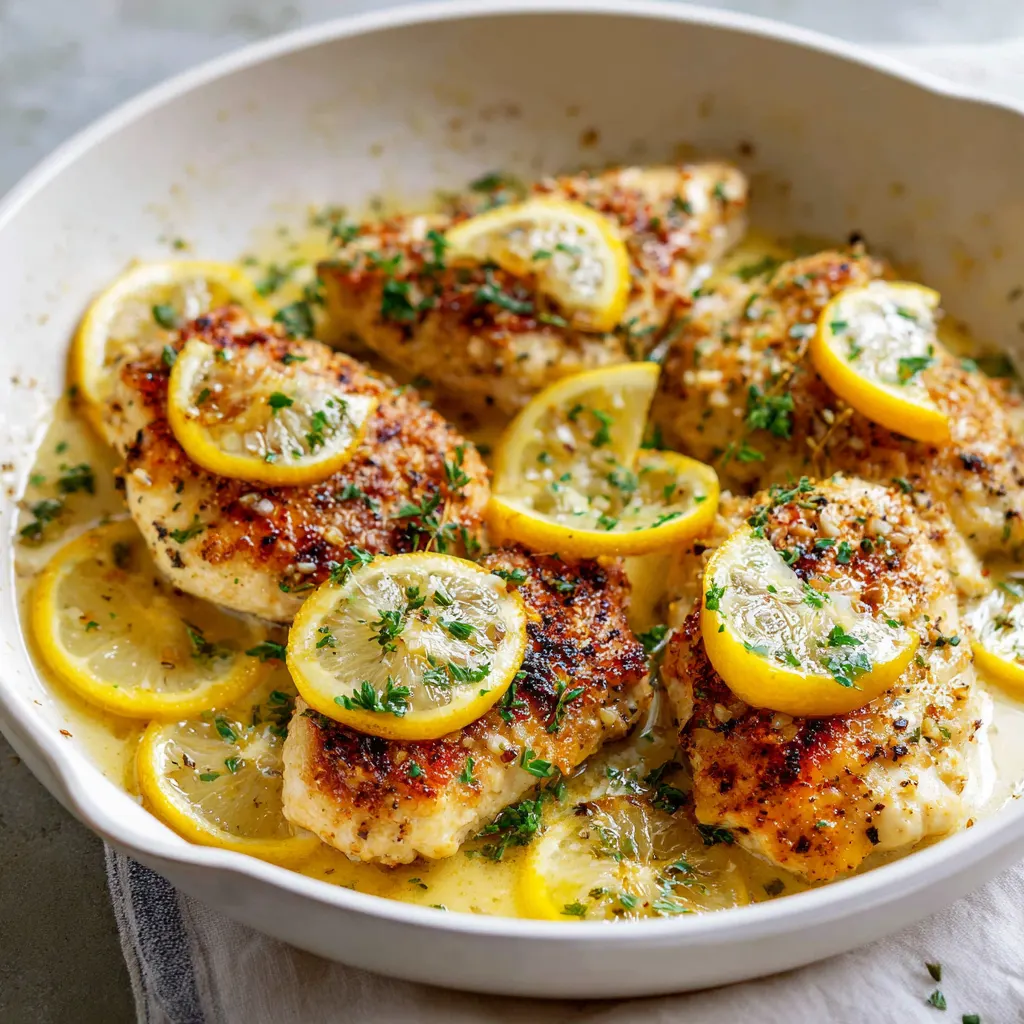
The combination of bright, zesty lemon and pungent, savory garlic stands as one of the most beloved flavor profiles in global cuisine, especially when paired with tender chicken. Whether you are looking for a quick weeknight solution, a healthy meal prep staple, or a dish that tastes complex without demanding hours of prep, this classic Lemon Garlic Chicken recipe delivers on all fronts. This versatile approach focuses on the efficiency of pan-searing thin chicken cutlets, ensuring a golden crust, juicy interior, and a delicious pan sauce, all completed in under half an hour.
Ingredients
For the Chicken and Marinade:
-
4 boneless, skinless chicken breasts (or 6 boneless, skinless chicken thighs)
-
3 Tbsp extra virgin olive oil, divided
-
1 large lemon (zest and juice, divided)
-
4 cloves fresh garlic, minced (divided)
-
1 tsp Italian seasoning (or dried oregano and thyme)
-
½ tsp red pepper flakes (optional, for heat)
-
1 tsp Kosher salt
-
½ tsp fresh ground black pepper
-
2 Tbsp fresh parsley, chopped (for garnish)
For the Quick Pan Sauce:
-
2 Tbsp unsalted butter
-
¼ cup low-sodium chicken broth
-
1 Tbsp fresh lemon juice
-
1 clove garlic, minced
Step-by-Step Instructions
-
Prepare the Chicken: If using chicken breasts, slice them horizontally to create two thinner cutlets of uniform thickness (about ½-inch). Pat the chicken dry thoroughly with paper towels.
-
Marinate (Minimum 10 Minutes): In a medium bowl, combine 2 tablespoons of olive oil, the zest of half the lemon, 3 cloves of minced garlic, Italian seasoning, red pepper flakes (if using), salt, and pepper. Add the chicken and toss to coat fully. Marinate at room temperature for at least 10 minutes, or refrigerate for up to 2 hours for deeper flavor.
-
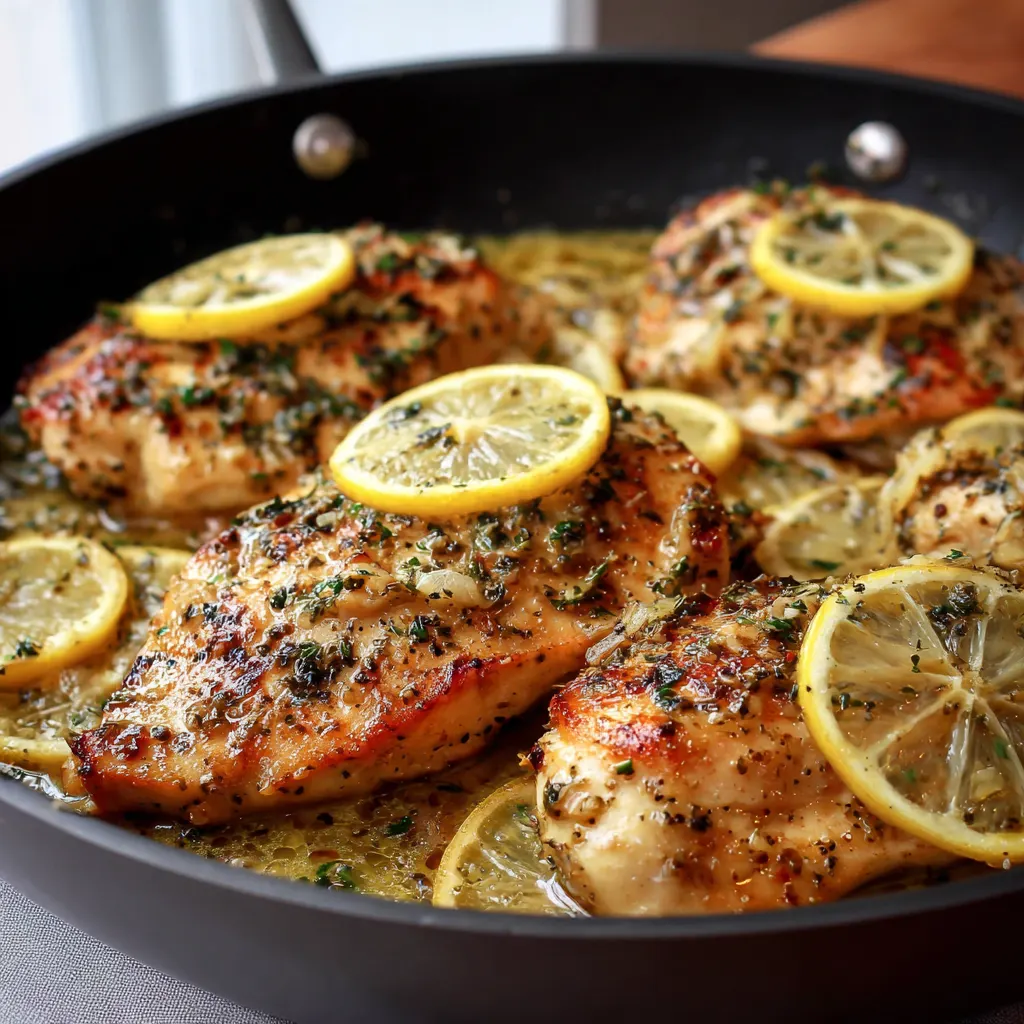
Sear the Chicken: Heat the remaining 1 tablespoon of olive oil in a large cast-iron or heavy-bottomed skillet over medium-high heat until shimmering. Carefully place the chicken pieces in the hot skillet, ensuring the pan is not crowded (cook in batches if necessary).
-
Cook to Golden: Sear the chicken for 3 to 4 minutes per side until deeply golden brown and cooked through. The internal temperature should reach 165°F (74°C). Remove the chicken from the skillet and transfer it to a plate, tented loosely with foil to rest.
-
Build the Pan Sauce: Reduce the heat to medium-low. Add the butter and the remaining 1 clove of minced garlic to the pan, stirring constantly for about 30 seconds until fragrant. Do not allow the garlic to burn.
-
Deglaze and Finish: Pour in the chicken broth and the remaining 1 tablespoon of fresh lemon juice, scraping up any browned bits (fond) from the bottom of the pan—these bits are crucial for flavor. Let the sauce simmer and reduce slightly for 1 to 2 minutes.
-
Serve: Return the rested chicken and any accumulated juices to the skillet, spooning the warm lemon garlic sauce over the top. Garnish generously with fresh chopped parsley and serve immediately.
Mastering the Trifecta: Lemon, Garlic, and Herbs
While the core recipe is simple, maximizing the impact of the key flavor components is what separates a good dish from a great one. The careful use of acid, allium, and aromatics ensures every bite is balanced and vibrant.
The Science of Marinating
Marinating, even for a short time, enhances both the flavor and texture of the chicken. The acid from the lemon juice begins to tenderize the meat, while the fat from the olive oil acts as a carrier, dissolving and binding the fat-soluble flavors (garlic and herbs) to the chicken surface.
-
Zest vs. Juice: Lemon zest holds the most potent essential oils and provides bright, clean lemon flavor without the acidity. Always add zest to the marinade first, then use the juice for marinating and balancing the final pan sauce.
-
Garlic Concentration: Freshly minced garlic is preferable to powdered, as it releases a more complex flavor profile. When cooking, never let the garlic burn; burnt garlic turns bitter and can ruin the entire sauce. By adding the garlic after the chicken is seared, you control its exposure to heat and prevent scorching.
-
Herb Selection: The classic choice is Italian seasoning, which typically includes oregano, basil, and thyme. Fresh rosemary or thyme can also be added directly to the pan during searing for an earthy, Mediterranean note. For a brighter finish, reserve fresh, soft herbs like parsley or cilantro until the very end, sprinkling them over the finished dish.
Ingredient Quality and Selection
For a recipe with so few components, quality matters. Choose high-quality extra virgin olive oil, which contributes flavor complexity. If using chicken breasts, ensure they are pounded or sliced to a uniform thickness; this prevents uneven cooking and ensures the chicken is tender, not dry. If opting for juicier chicken thighs, they do not require slicing but will benefit from a longer sear time (5–6 minutes per side) to develop a crisp exterior.
Beyond the Skillet: Versatile Cooking Methods
While pan-searing is the fastest method, Lemon Garlic Chicken easily adapts to other techniques, allowing for effortless meal preparation and delicious variations.
The One-Pan Roast (For Easy Cleanup)
The one-pan method is ideal when you want a complete meal with potatoes and vegetables.
-
Prep: Toss bone-in, skin-on chicken pieces (thighs or drumsticks are best) with quartered potatoes (or chopped carrots, broccoli florets, or thick lemon slices) in the marinade. Use a sturdy dried herb like oregano or rosemary, which holds up well to long cooking times.
-
Technique: Roast the mixture on a large baking sheet at 400°F (200°C) for 45 to 60 minutes, or until the chicken is cooked through and the potatoes are tender. For extra crispy chicken skin, add a splash of chicken stock to the bottom of the pan to create a flavorful braising liquid for the potatoes, but keep the chicken pieces exposed to the direct heat.
Creamy Lemon Garlic Chicken
To transform the classic pan sauce into a rich, restaurant-quality dish, heavy cream is the key.
-
Modification: After the chicken is seared and removed, and the pan sauce (broth, lemon juice, garlic, butter) has simmered, remove the skillet completely from the heat source.
-
Stabilize: Whisk in ¼ cup of heavy cream or half-and-half off the heat. The high fat content of heavy cream helps prevent the acidity of the lemon juice from causing the sauce to curdle.
-
Finish: Place the skillet back on low heat for just 30 seconds to warm through, but do not allow the sauce to boil. Return the chicken to the creamy sauce and simmer briefly to absorb the luxurious texture.
Grilling and Air Frying
For lighter, crispier results, consider heat-intensive methods.
-
Grill: Marinate the chicken cutlets as instructed. Grill over medium-high heat for 3–4 minutes per side until char marks appear and the chicken is cooked through.
-
Air Fryer: Cook cutlets at 380°F (195°C) for 8–12 minutes, flipping halfway, until golden and crispy. These methods lock in moisture and are excellent for quick cooking without added fat.
Pairing and Presentation: Completing the Meal
A truly successful easy dinner is one that requires minimal effort yet results in a balanced, satisfying plate. The bright flavor of Lemon Garlic Chicken makes it highly adaptable to a variety of side dishes.
Starch and Sauce Soakers
The delicious pan sauce created in the skillet is the liquid gold of this dish, and your side should be able to soak it up effectively.
-
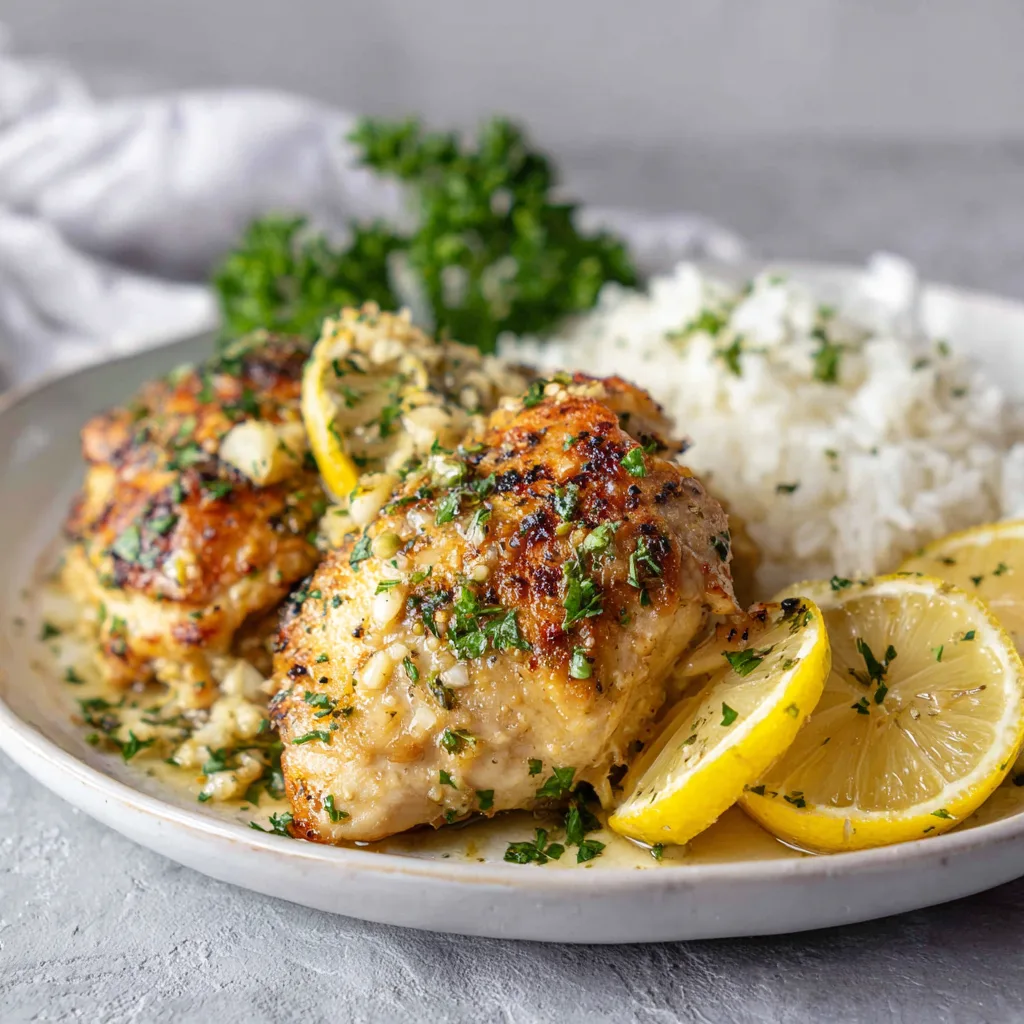
Rice and Grains: Simple white rice or brown rice is an excellent neutral canvas. For an upgrade, consider Rice Pilaf or Garlic Rice, which echo the main dish’s primary flavor.
-
Pasta: Tossed with a little butter, egg noodles, linguine, or bow tie pasta (farfalle) catch the sauce perfectly. The starch from the pasta water, if reserved, can also be added to the pan sauce to help it thicken slightly.
-
Potatoes: Creamy mashed potatoes or simple oven-roasted red potatoes are robust pairings that absorb the lemon-butter mixture wonderfully.
Complementary Vegetables
Balance the richness of the chicken and sauce with fresh, green vegetables. Avoid heavy, competing flavors.
-
Roasted Asparagus or Broccolini: Tossed in olive oil, salt, and pepper, these roast beautifully in the oven alongside a one-pan chicken dish, or they can be quickly sautéed in the same skillet after the chicken is removed.
-
Green Salad: A simple, crisp green leafy salad with a light vinaigrette offers textural contrast and cuts through the richness of the chicken and sauce.
-
Sautéed Spinach or Kale: Wilted down quickly in the chicken skillet with a final squeeze of lemon juice provides a healthy, dark green contrast.
Customization Kitchen: Making it Your Own
The fundamental pairing of lemon and garlic is a strong base that can be molded to fit any preference or dietary requirement.
Regional and Ethnic Twists
-
Mediterranean: For a bolder, more rustic profile, add a tablespoon of Dijon mustard to the marinade for tang, and stir in capers and sun-dried tomatoes to the pan sauce before serving. Serve over couscous.
-
Asian-Inspired (Spicy Lemon Chicken): Swap out Italian seasoning for a tablespoon of soy sauce, a dash of oyster sauce, and a tablespoon of honey in the marinade. Add a tablespoon of cornstarch to create a light glaze. Finish the dish with red onion slices and fresh cilantro for a sweet, savory, and spicy glaze.
Dietary and Flavor Adaptations
-
Keto/Paleo: Use chicken thighs for higher fat content. Skip the flour dusting (if using) and eliminate any added sugar or honey. When building the sauce, use butter or ghee and ensure the liquid is just chicken broth and lemon juice; avoid heavy cream if strictly adhering to dairy-free paleo guidelines.
-
Dairy-Free: Substitute the 2 tablespoons of butter in the pan sauce with 2 additional tablespoons of olive oil. The flavor will remain bright and zesty without any dairy.
-
Adding Vegetables: For a truly one-skillet experience, add quick-cooking vegetables like sliced bell peppers, halved cherry tomatoes, or zucchini rounds to the skillet during the last 5 minutes of the chicken’s cooking time. They will cook perfectly tender-crisp in the pan juices.
Lemon Garlic Chicken is the definition of optimized home cooking: a quick, flavorful recipe built on timeless ingredients that welcomes endless experimentation. By understanding the core techniques and the function of each flavor agent, you can confidently turn this simple dinner into a family favorite, ready in minutes.