Lemon Herb Butter Turkey Breast Thanksgiving Recipes
Thanksgiving is a time for family, friends, and, of course, a delicious feast. While a whole roasted turkey is a traditional centerpiece, a lemon herb butter turkey breast can be a fantastic alternative, offering a flavorful and manageable option for smaller gatherings or when you want to avoid leftovers for days. This recipe delivers moist, tender turkey infused with bright, aromatic flavors, making it a standout dish on your Thanksgiving table.
Why Choose a Turkey Breast?
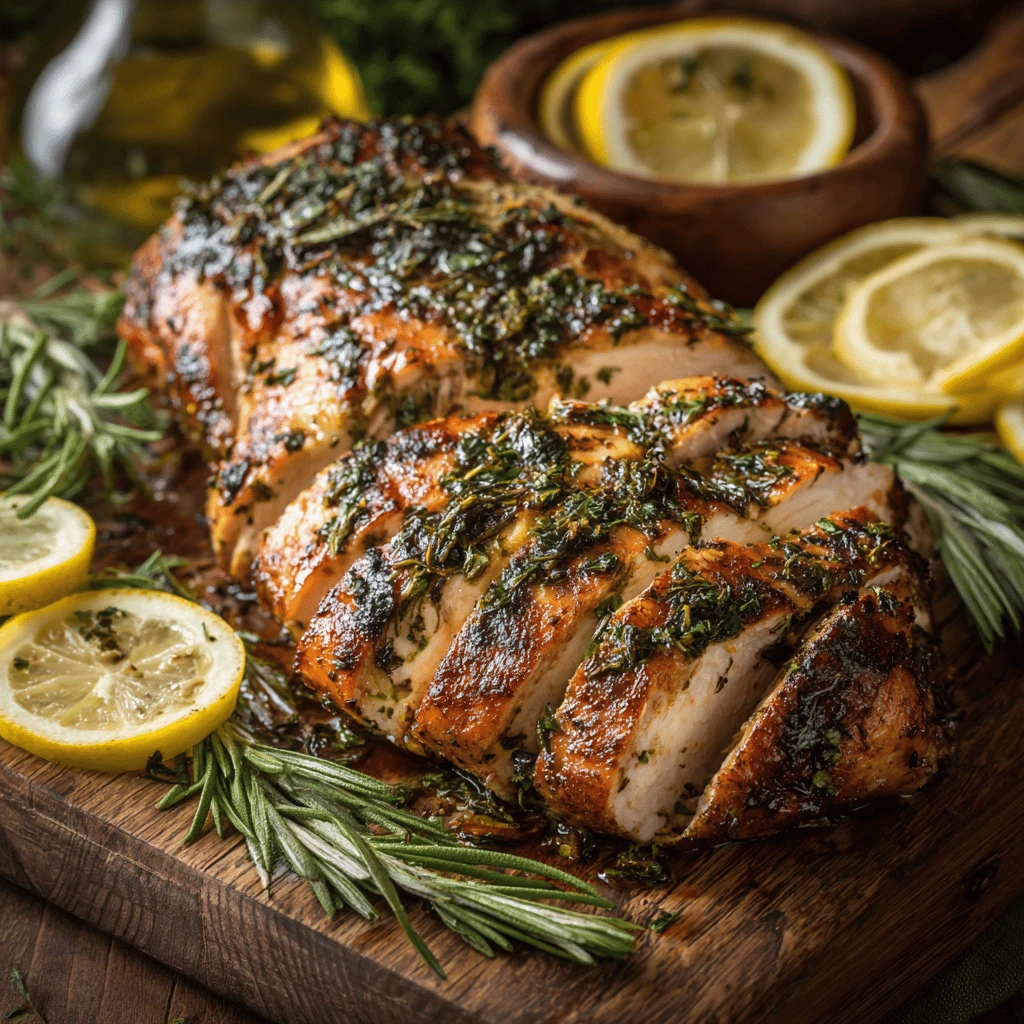
Opting for a turkey breast offers several advantages. It cooks faster than a whole turkey, freeing up oven space for other dishes. It’s also easier to handle and carve, making it a less daunting task for the home cook. Plus, a turkey breast offers a higher ratio of white meat, which many people prefer. Finally, it is less costly and can provide the same great flavor.
Perfect for Smaller Gatherings
If you’re hosting a smaller Thanksgiving celebration, a whole turkey might be too much. A turkey breast provides the perfect portion size, minimizing waste and ensuring everyone gets a satisfying serving.
Faster Cooking Time
Time is precious on Thanksgiving Day. A turkey breast cooks significantly faster than a whole turkey, allowing you to focus on other aspects of your meal preparation. This also means less stress and more time to enjoy the festivities.
Easier to Carve
Carving a whole turkey can be intimidating. A turkey breast is much simpler to carve, resulting in neat, presentable slices for your guests. This means a beautiful platter and less fuss at the table.
Crafting the Perfect Lemon Herb Butter
The key to a flavorful lemon herb butter turkey breast is, unsurprisingly, the butter itself. The combination of lemon zest, fresh herbs, and rich butter creates a symphony of flavors that permeates the turkey during cooking, ensuring a moist and aromatic result.
Selecting Your Herbs
Choosing the right herbs is crucial. A blend of rosemary, thyme, and sage provides a classic Thanksgiving flavor profile. However, don’t be afraid to experiment! Parsley, oregano, or even a touch of tarragon can add unique nuances. Use fresh herbs whenever possible for the most vibrant flavor. Dried herbs can be used in a pinch, but use about one-third of the amount called for fresh.
Balancing the Flavors
The lemon provides brightness and acidity, balancing the richness of the butter and adding a delightful zing. Don’t be shy with the lemon zest, as the oils in the zest contain the most intense flavor. A touch of garlic adds depth and complexity. Salt and pepper are essential for enhancing all the other flavors. Consider adding a pinch of red pepper flakes for a subtle hint of warmth.
Making the Compound Butter
To make the compound butter, simply combine softened butter with the lemon zest, herbs, garlic, salt, and pepper in a bowl. Mix well until all ingredients are evenly distributed. You can use a stand mixer or a hand mixer for a smoother consistency, but a fork works just fine. Once combined, form the butter into a log using plastic wrap and chill in the refrigerator until firm. This makes it easier to slice and apply to the turkey breast.
Preparing and Cooking the Turkey Breast
Preparing the turkey breast properly is essential for achieving optimal results. From brining to applying the butter, each step plays a crucial role in ensuring a moist and flavorful final product.
Brining for Extra Moisture
Brining the turkey breast before cooking helps to retain moisture and enhance flavor. A simple brine of water, salt, sugar, and aromatics (like peppercorns, bay leaves, and lemon slices) can make a significant difference. Submerge the turkey breast in the brine for at least 4 hours, or preferably overnight, in the refrigerator. Be sure to use a food-safe container. Rinse the turkey breast thoroughly after brining to remove excess salt.
Applying the Lemon Herb Butter
Before cooking, pat the turkey breast dry with paper towels. This helps the skin to crisp up during roasting. Gently loosen the skin from the breast meat, creating a pocket for the lemon herb butter. Slice the chilled butter into pats and insert them under the skin, distributing them evenly over the breast. This ensures that the flavor permeates the meat during cooking. Spread any remaining butter over the outside of the skin.
Roasting to Perfection
Preheat your oven to 325°F (160°C). Place the turkey breast on a roasting rack in a roasting pan. Add about a cup of chicken broth to the bottom of the pan to prevent the turkey from drying out. Roast the turkey breast for approximately 20-25 minutes per pound, or until a meat thermometer inserted into the thickest part of the breast registers 165°F (74°C). Basting the turkey breast with the pan juices every 30 minutes helps to keep it moist and flavorful.
Resting is Key
Once the turkey breast is cooked, remove it from the oven and let it rest for at least 15-20 minutes before carving. This allows the juices to redistribute throughout the meat, resulting in a more tender and flavorful final product. Cover the turkey breast loosely with foil while it rests.
Serving and Complementing Your Turkey Breast
Serving your lemon herb butter turkey breast involves presentation, sides, and ensuring you maximize the flavor profile.
Carving Techniques
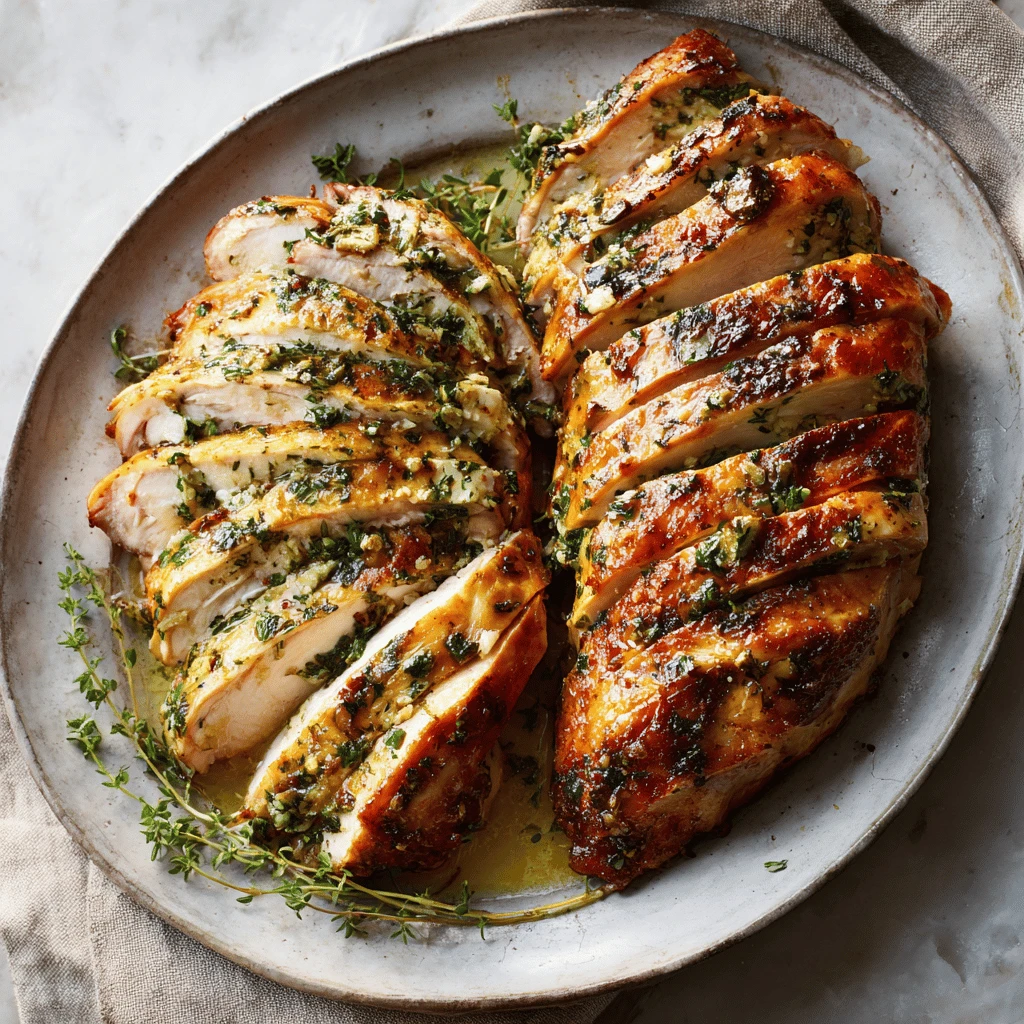
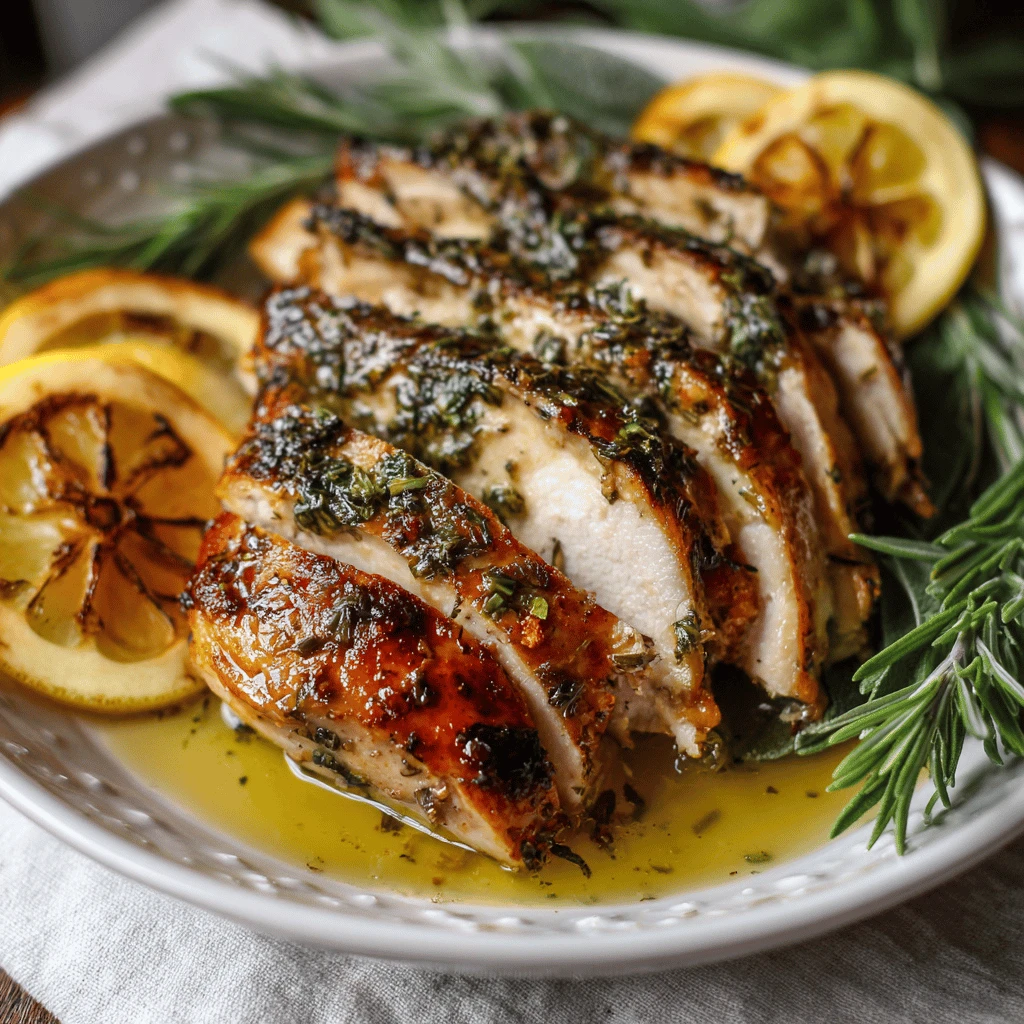
Carving a turkey breast is relatively straightforward. Use a sharp carving knife to slice the breast meat against the grain. This will ensure tender, easy-to-eat slices. Arrange the slices on a platter and garnish with fresh herbs and lemon wedges for an elegant presentation.
Perfect Side Dishes
The bright, herby flavors of the turkey breast pair well with a variety of side dishes. Classic Thanksgiving sides like mashed potatoes, stuffing, cranberry sauce, and green bean casserole are always a hit. Consider adding some lighter, fresher options like roasted Brussels sprouts with balsamic glaze or a fall harvest salad with apples and pecans.
Gravy Options
While the pan juices from the turkey breast can be used to make a simple gravy, you can also enhance the flavor by adding some additional herbs and lemon juice. A creamy gravy made with chicken broth, flour, and cream is another delicious option. Alternatively, you can use prepared gravy to save time.
Troubleshooting and Tips
Even with the best recipe, occasional issues can arise. Here are some common problems and their solutions.
Dry Turkey
If your turkey breast comes out dry, it’s likely due to overcooking. Use a meat thermometer to monitor the internal temperature and avoid cooking it beyond 165°F (74°C). Brining the turkey breast beforehand also helps to retain moisture. Ensure the skin has the butter under it for increased moisture.
Bland Flavor
If the turkey breast lacks flavor, double-check that you’ve used enough herbs and seasoning. Taste the compound butter before applying it to the turkey and adjust the seasoning as needed. Consider adding a dry rub of salt, pepper, and garlic powder to the turkey breast before applying the butter for an extra layer of flavor.
Uneven Cooking
Uneven cooking can occur if the oven temperature is not consistent. Use an oven thermometer to ensure your oven is accurately calibrated. Rotate the roasting pan halfway through cooking to promote even browning. Also, ensure the turkey breast is placed in the center of the oven.
Frequently Asked Questions (FAQ)
- Can I use frozen turkey breast?
Yes, but make sure to thaw it completely in the refrigerator before cooking. This can take several days, depending on the size of the breast.
- How long can I store leftover turkey breast?
Leftover turkey breast can be stored in the refrigerator for up to 3-4 days. Store it in an airtight container to prevent it from drying out.
- Can I make the lemon herb butter ahead of time?
Absolutely! In fact, making the butter ahead of time allows the flavors to meld together even more. Store it in the refrigerator for up to a week or in the freezer for up to a month.
- What if I don’t have all the herbs listed in the recipe?
Feel free to substitute other herbs that you enjoy. Rosemary, thyme, and sage are classic Thanksgiving flavors, but parsley, oregano, or even a touch of tarragon can also work well.
- Can I cook the turkey breast in a slow cooker?
Yes, you can cook the turkey breast in a slow cooker. Place the turkey breast in the slow cooker and add about a cup of chicken broth. Cook on low for 6-8 hours, or until the internal temperature reaches 165°F (74°C).