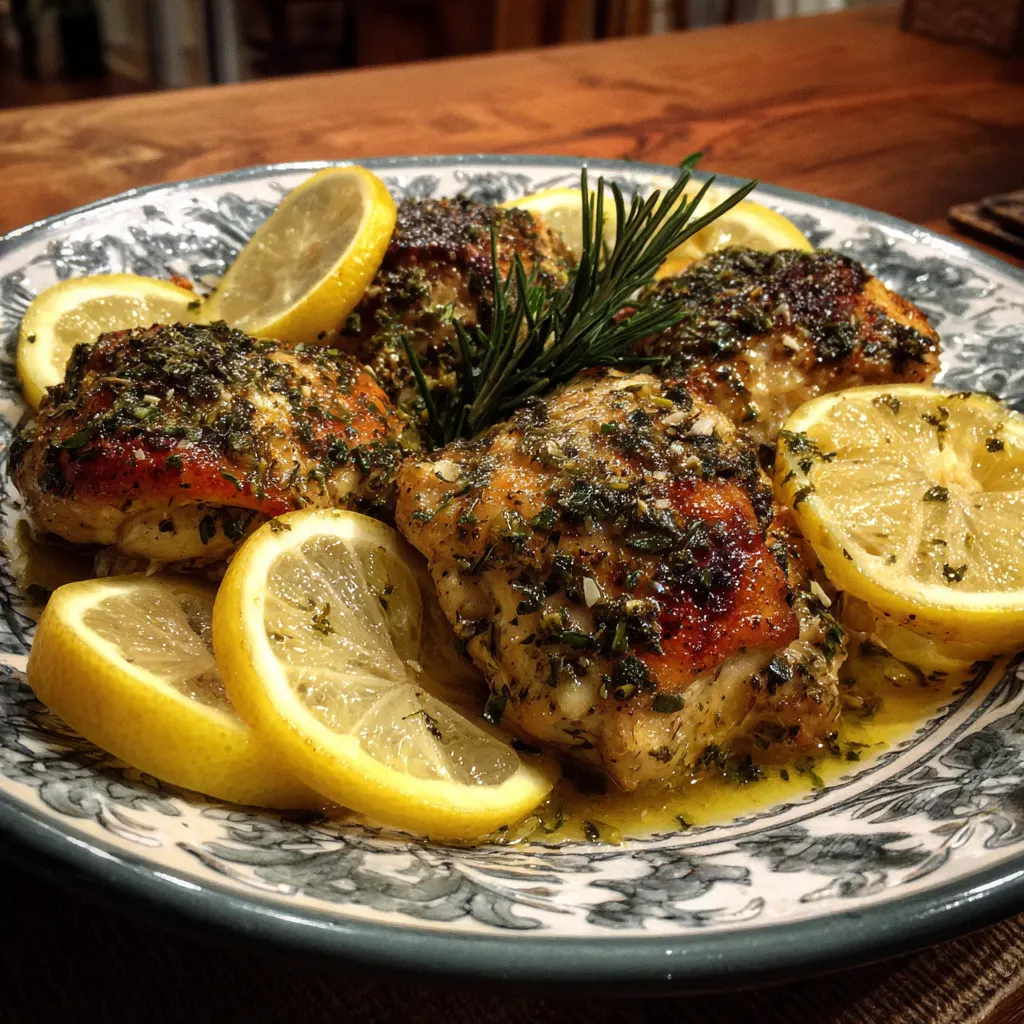
The Ultimate Lemon Herb Chicken: A Simple, Vibrant Weeknight Dinner
Finding a dinner recipe that balances nutrition, flavor, and speed can often feel like an impossible task, but Lemon Herb Chicken is the timeless exception that delivers on every front. This dish is a staple in many households because it relies on simple, pantry-friendly ingredients to create a bright, savory profile that appeals to both picky eaters and gourmet palates alike. Whether you are looking for a high-protein post-workout meal or a sophisticated yet effortless centerpiece for a family gathering, this recipe offers a foolproof way to achieve juicy, aromatic results every single time.
Ingredients
-
Chicken: 1.5 lbs boneless, skinless chicken breasts or thighs (pounded to even thickness).
-
Lemon: 1 large lemon (zested and juiced).
-
Olive Oil: 3 tablespoons extra virgin olive oil.
-
Garlic: 4 cloves minced garlic.
-
Herbs: 1 tablespoon fresh rosemary (chopped), 1 tablespoon fresh thyme (chopped), and 1 teaspoon dried oregano.
-
Seasoning: 1 teaspoon sea salt and ½ teaspoon freshly cracked black pepper.
-
Garnish: Fresh parsley and extra lemon slices for serving.
Step-by-Step Instructions
-
Prepare the Marinade: In a small bowl or a zip-top bag, whisk together the olive oil, lemon juice, lemon zest, minced garlic, rosemary, thyme, oregano, salt, and pepper.
-
Marinate the Chicken: Add the chicken to the mixture, ensuring every piece is thoroughly coated. Let it sit at room temperature for 15–20 minutes, or refrigerate for up to 4 hours for a deeper flavor profile.
-
Sear the Chicken: Heat a large skillet over medium-high heat with a drizzle of oil. Once hot, place the chicken in the pan. Cook for 5–7 minutes per side, depending on thickness, until the exterior is golden brown.
-
Check for Doneness: Ensure the internal temperature reaches 165°F (74°C). If using thick breasts, you can finish them in a 400°F oven for 5 minutes after searing to ensure they remain juicy.
-
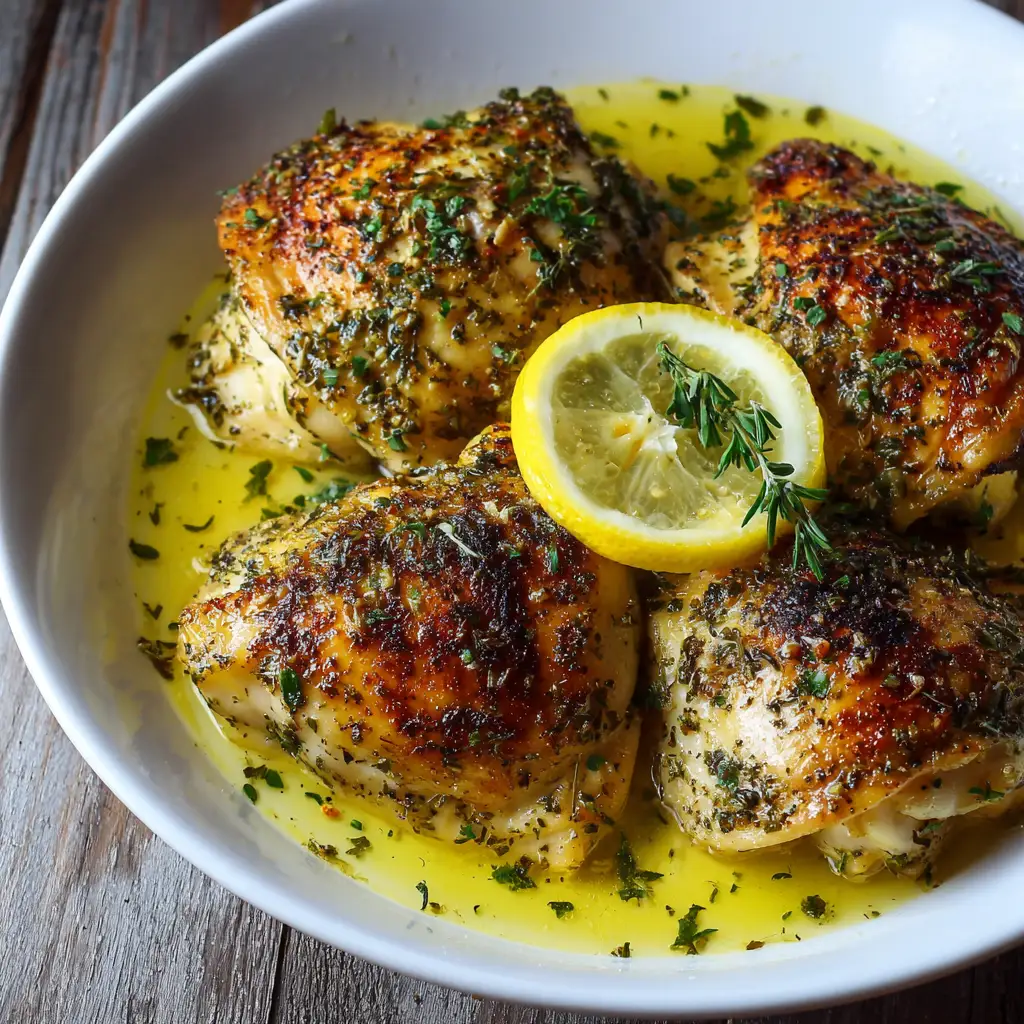
Rest and Serve: Remove the chicken from the heat and let it rest on a cutting board for 5 minutes. This allows the juices to redistribute. Garnish with fresh parsley and serve with additional lemon wedges.
The Secret to Maximum Flavor: Choosing Your Ingredients
The beauty of a lemon herb chicken lies in its simplicity, which means the quality of your ingredients directly impacts the final result. When selecting your citrus, always opt for fresh lemons rather than bottled juice. The zest contains essential oils that provide a floral, aromatic punch that juice alone cannot replicate. If you prefer a more mellow citrus profile, Meyer lemons offer a sweeter, less acidic alternative that pairs beautifully with delicate herbs.
Herbs are the second pillar of this dish. While dried herbs are convenient and work well in a pinch, fresh herbs like rosemary, thyme, and sage provide an earthy depth that elevates the chicken from a basic meal to a restaurant-quality experience. If you are using dried herbs, remember the rule of thumb: use one-third the amount of dried herbs as you would fresh, as their flavor is more concentrated. Garlic also plays a crucial role; using freshly minced cloves rather than the pre-jarred variety ensures a sharp, savory bite that cuts through the richness of the olive oil.
Mastering Cooking Techniques for Success
While the skillet method is the most popular for achieving a golden-brown crust, there are several ways to prepare this dish depending on your schedule and equipment. For those who prefer a “set it and forget it” approach, the sheet pan method is an excellent alternative. By tossing the marinated chicken with sturdy vegetables like bell peppers, zucchini, or baby potatoes, you can create a complete, balanced meal on a single tray. Simply roast at 400°F for about 20–25 minutes.
If you are looking for the healthiest option, the air fryer has become a game-changer for lemon herb chicken. The rapid air circulation mimics the effects of a convection oven, locking in moisture while creating a slightly crisp exterior without the need for excess oil. Regardless of the method you choose, the most important technical step is pounding the chicken to an even thickness. This prevents the thinner ends from drying out while the thicker center finishes cooking, ensuring every bite is tender and succulent.
Perfect Pairings to Elevate Your Plate
To turn your lemon herb chicken into a complete feast, consider sides that complement its bright and savory notes. For a light, Mediterranean-inspired meal, a crisp Greek salad with feta, olives, and cucumbers provides a refreshing contrast to the warm chicken. If you are looking for something more heart-warming, a bed of buttery garlic mashed potatoes or a lemon-infused rice pilaf will soak up any extra juices from the pan, ensuring no flavor goes to waste.
Vegetables are also a natural partner for this dish. Roasted asparagus, sautéed green beans, or charred broccoli rabe add a vibrant color and essential nutrients to the plate. For a lower-carb option, cauliflower rice or a simple arugula salad with a light vinaigrette keeps the focus on the protein while adding plenty of volume. The acidity of the lemon in the chicken makes it particularly compatible with earthy grains like quinoa or farro, which provide a satisfying chew and nutty undertone.

Meal Prep, Storage, and Creative Leftovers
One of the greatest advantages of lemon herb chicken is its versatility as a meal-prep staple. If you are cooking for the week ahead, this chicken holds up remarkably well in the refrigerator for up to four days. To maintain its moisture when reheating, add a splash of water or chicken broth to the container before microwaving, or gently warm it in a covered skillet over low heat. It also freezes well; you can freeze the chicken in its marinade, allowing it to “quick-marinate” as it thaws in the fridge the night before you plan to cook it.
Leftovers offer a world of culinary possibilities beyond the standard dinner plate. Cold, sliced lemon herb chicken is a fantastic addition to a Caesar salad or a grain bowl. You can also shred the meat and use it as a filling for wraps, pita sandwiches, or even a bright, citrusy chicken salad made with Greek yogurt instead of heavy mayo. Because the flavor profile is so clean, it can easily be repurposed into pasta dishes—simply toss the sliced chicken with penne, olive oil, parmesan cheese, and a handful of spinach for a quick and delicious second-day meal.