Mini Caprese Skewers: The Perfect Bite-Sized Snack
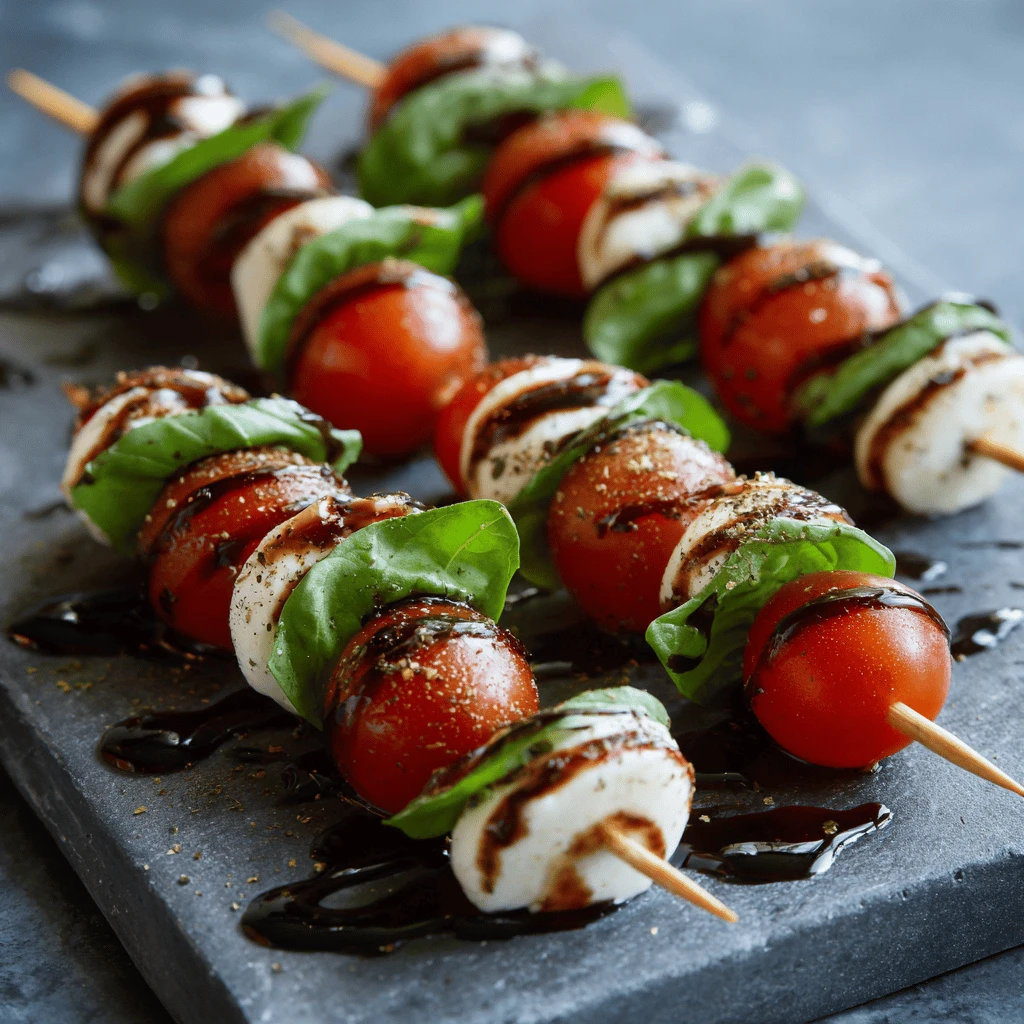
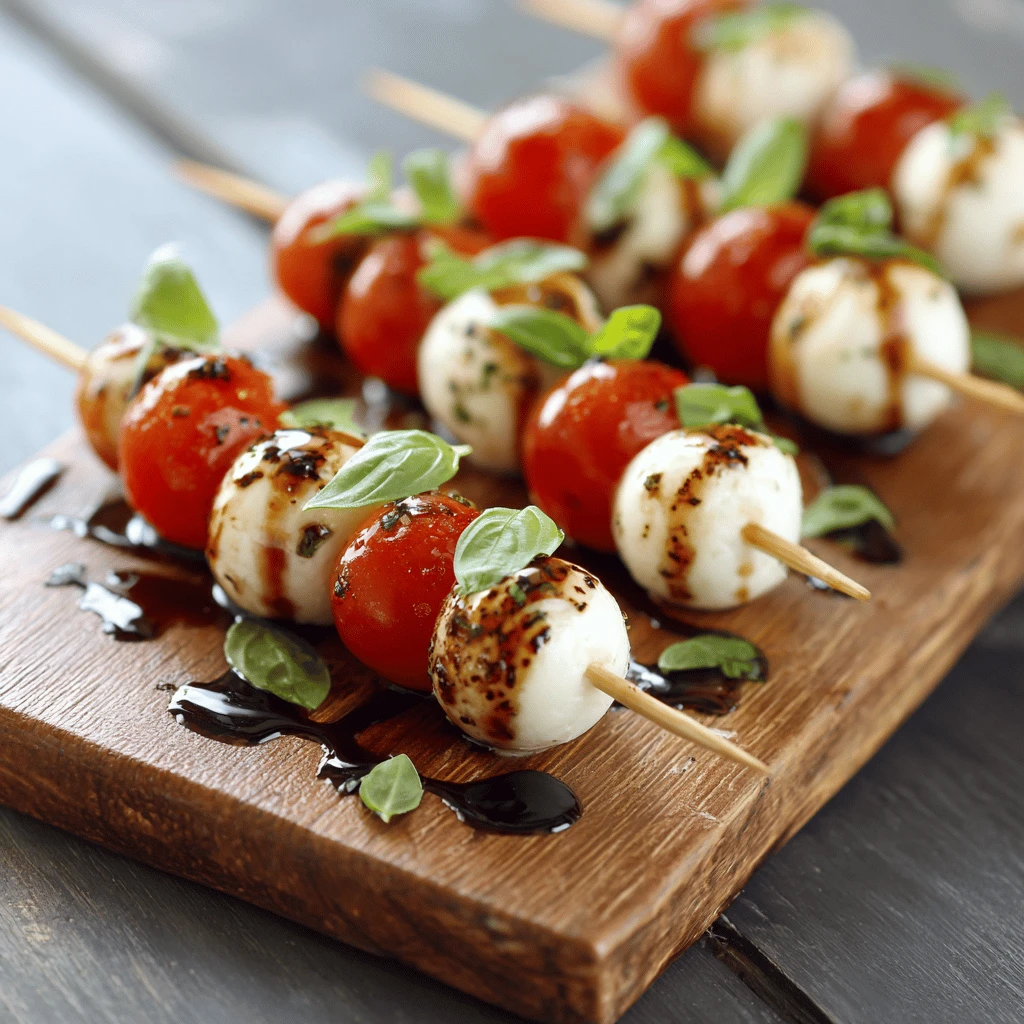
Mini Caprese skewers are the epitome of effortless elegance in the world of snacks and appetizers. Combining the vibrant flavors of fresh mozzarella, juicy cherry tomatoes, and fragrant basil leaves, all drizzled with a balsamic glaze, these little bites are a crowd-pleaser for any occasion. Not only are they delicious and visually appealing, but they are also incredibly easy to prepare, making them the ideal choice for busy hosts and spontaneous gatherings. This guide will walk you through everything you need to know to create the perfect mini Caprese skewers, from selecting the best ingredients to serving them with style.
The Magic of Caprese: A Flavorful Foundation
The beauty of Caprese lies in its simplicity. It’s a celebration of fresh, high-quality ingredients that complement each other perfectly. Understanding the key components and how they interact is crucial for creating skewers that burst with flavor.
Choosing the Perfect Mozzarella
Mozzarella is the star of the show, so selecting the right type is essential. For mini Caprese skewers, fresh mozzarella balls, also known as “bocconcini” or “ciliegine” (meaning “little cherries” in Italian), are ideal. These bite-sized mozzarella balls are perfectly portioned and offer a creamy, delicate flavor that pairs beautifully with the other ingredients.
Avoid using pre-shredded mozzarella or low-moisture mozzarella, as these lack the fresh, milky taste and soft texture that defines a true Caprese. Look for mozzarella that is packed in water or whey, as this helps to maintain its moisture and freshness. Buffalo mozzarella is another excellent option, offering a richer, more complex flavor.
Selecting the Sweetest Cherry Tomatoes
Cherry tomatoes provide a burst of sweetness and acidity that balances the richness of the mozzarella. Opt for ripe, firm cherry tomatoes that are vibrant in color. Heirloom cherry tomatoes, with their diverse colors and flavors, can add an extra touch of elegance to your skewers.
Consider using a variety of colors and sizes of cherry tomatoes for visual appeal. Yellow, orange, and red tomatoes will create a stunning rainbow effect on your platter. Roma tomatoes cut into bite-sized pieces are also a great alternative if cherry tomatoes are unavailable.
The Aromatic Touch of Fresh Basil
Fresh basil leaves provide a fragrant, herbaceous note that ties all the flavors together. Choose bright green, unblemished basil leaves. Avoid basil that is wilted or has brown spots, as this indicates that it is past its prime.
If you’re using larger basil leaves, you can fold or roll them before skewering to create a more compact bite. Alternatively, you can use smaller basil leaves, such as those found in baby basil plants, for a more delicate presentation.
The Finishing Touch: Balsamic Glaze
A drizzle of balsamic glaze adds a touch of sweetness and acidity that elevates the flavor of the Caprese skewers. Balsamic glaze, also known as balsamic reduction, is a concentrated version of balsamic vinegar that has been simmered until it thickens into a syrupy consistency.
You can purchase pre-made balsamic glaze or make your own by simmering balsamic vinegar in a saucepan over low heat until it reduces by about half. Be careful not to over-reduce the vinegar, as it can become too thick and sticky.
Crafting the Perfect Skewer: Assembly and Presentation
Assembling mini Caprese skewers is a simple process, but there are a few tricks to ensure that they look and taste their best.
Choosing the Right Skewers
Select skewers that are the appropriate size for your desired presentation. Shorter skewers, such as cocktail skewers or toothpicks, are ideal for bite-sized appetizers, while longer skewers can be used for a more substantial snack.
Wooden skewers are a classic choice, but bamboo or metal skewers are also good options. If using wooden skewers, soak them in water for at least 30 minutes before assembling the skewers to prevent them from burning if you plan to grill them.
Assembling the Skewers: A Step-by-Step Guide
The order in which you thread the ingredients onto the skewers is up to you, but a common approach is to alternate between mozzarella, tomato, and basil. This creates a visually appealing pattern and ensures that each bite contains a balanced combination of flavors.
1. Start by threading a cherry tomato onto the skewer.
2. Next, add a fresh mozzarella ball.
3. Follow with a fresh basil leaf, folded or rolled if necessary.
4. Repeat the process, alternating between tomato, mozzarella, and basil, until the skewer is full.
5. Leave a small amount of space at the end of the skewer for easy handling.
Presentation is Key: Plating and Garnishing
The way you present your mini Caprese skewers can make a big difference in their appeal. Arrange the skewers on a platter in an attractive pattern, such as a spiral or a fan.
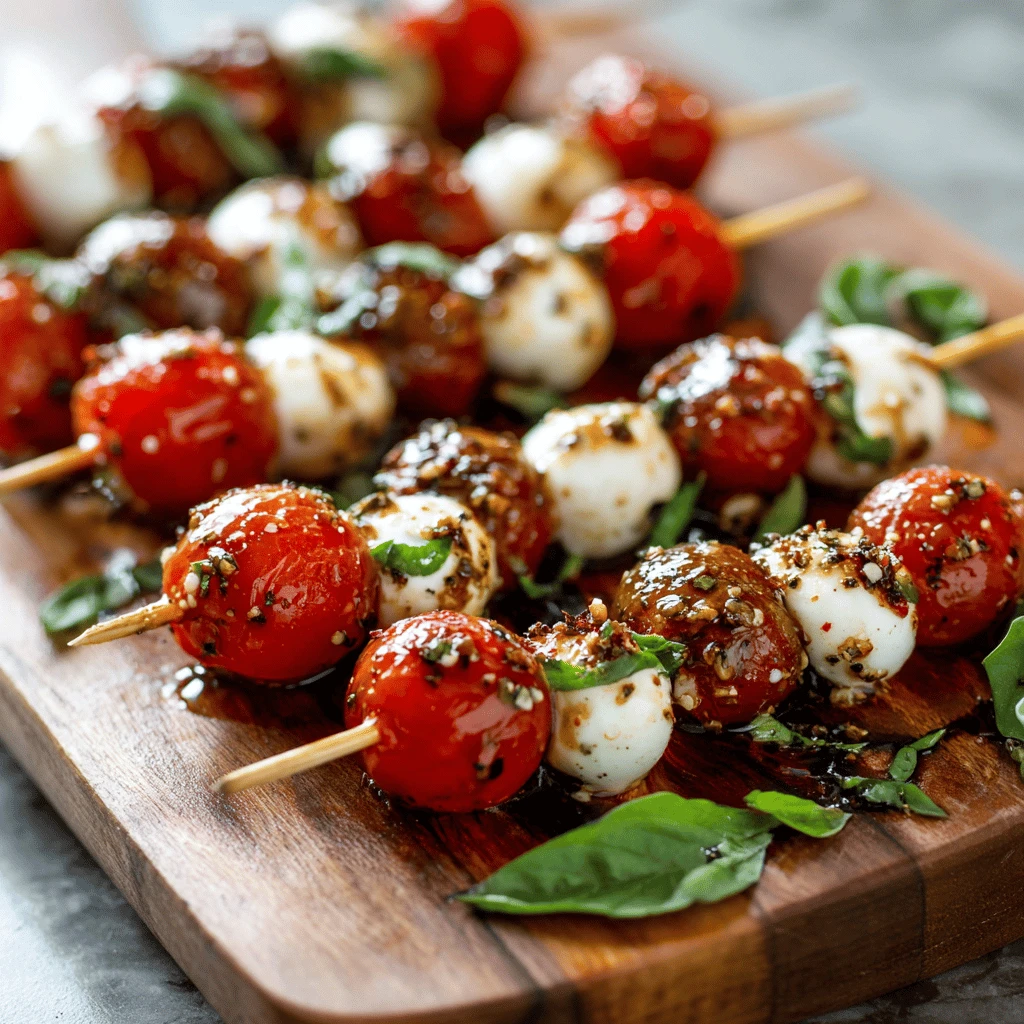
Drizzle the skewers generously with balsamic glaze just before serving. You can also sprinkle them with a pinch of sea salt or freshly ground black pepper for added flavor.
Garnish the platter with fresh basil leaves, a drizzle of extra virgin olive oil, or a sprinkle of toasted pine nuts for an extra touch of elegance.
Beyond the Basics: Variations and Creative Twists
While the classic Caprese combination is delicious on its own, there are many ways to customize and elevate your mini Caprese skewers.
Adding a Touch of Spice: Pesto and Chili Flakes
For a bolder flavor, try adding a smear of pesto to the mozzarella balls or drizzling the skewers with a spicy chili oil. A sprinkle of red pepper flakes can also add a subtle kick.
Grilling for a Smoky Flavor
Grilling the Caprese skewers adds a delicious smoky flavor that complements the other ingredients. Simply brush the skewers with olive oil and grill them over medium heat for a few minutes per side, until the mozzarella is slightly softened and the tomatoes are blistered.
Adding Prosciutto for a Savory Twist
Wrap the mozzarella balls with thin slices of prosciutto before skewering them for a savory twist on the classic Caprese. The salty prosciutto adds a depth of flavor that pairs perfectly with the sweetness of the tomatoes and the creaminess of the mozzarella.
Incorporating Other Vegetables: Cucumber and Olives
Add slices of cucumber or olives to the skewers for added texture and flavor. Kalamata olives, with their briny, earthy flavor, are a particularly good complement to the Caprese ingredients.
Serving and Storing Mini Caprese Skewers
Mini Caprese skewers are best served fresh, as the mozzarella can become rubbery if stored for too long. However, if you need to prepare them in advance, you can assemble the skewers and store them in an airtight container in the refrigerator for up to 24 hours.
Do not add the balsamic glaze until just before serving, as it can cause the basil leaves to wilt.
Serve the skewers as a snack, appetizer, or party food. They are also a great addition to a cheese board or antipasto platter. Pair them with a crisp white wine, such as Pinot Grigio or Sauvignon Blanc, for a truly delightful experience.
FAQ: Your Caprese Skewer Questions Answered
Here are some frequently asked questions about making mini Caprese skewers:
Can I use dried basil instead of fresh basil?
While fresh basil is preferred for its flavor and aroma, you can use dried basil in a pinch. Use about 1/3 the amount of dried basil as you would fresh basil, as dried herbs are more potent.
Can I make Caprese skewers ahead of time?
Yes, you can assemble the skewers up to 24 hours in advance and store them in an airtight container in the refrigerator. However, do not add the balsamic glaze until just before serving.
What is the best way to prevent the mozzarella from sliding off the skewers?
Make sure the mozzarella balls are dry before skewering them. You can also use a small dab of pesto or balsamic glaze to help secure them to the skewer.
Can I grill the Caprese skewers?
Yes, grilling adds a delicious smoky flavor to the skewers. Brush them with olive oil and grill them over medium heat for a few minutes per side, until the mozzarella is slightly softened and the tomatoes are blistered.
What kind of balsamic vinegar should I use for the glaze?
Use a high-quality balsamic vinegar for the best flavor. Look for balsamic vinegar that is aged in wooden barrels, as this imparts a richer, more complex flavor.