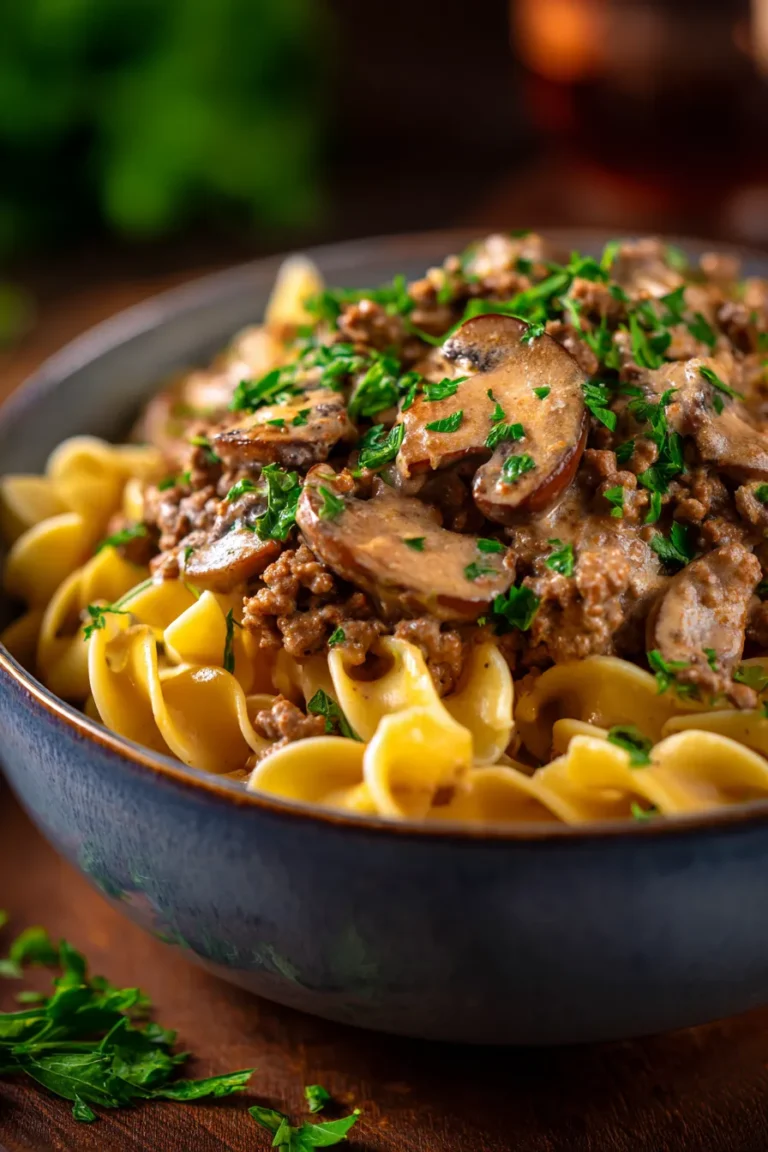
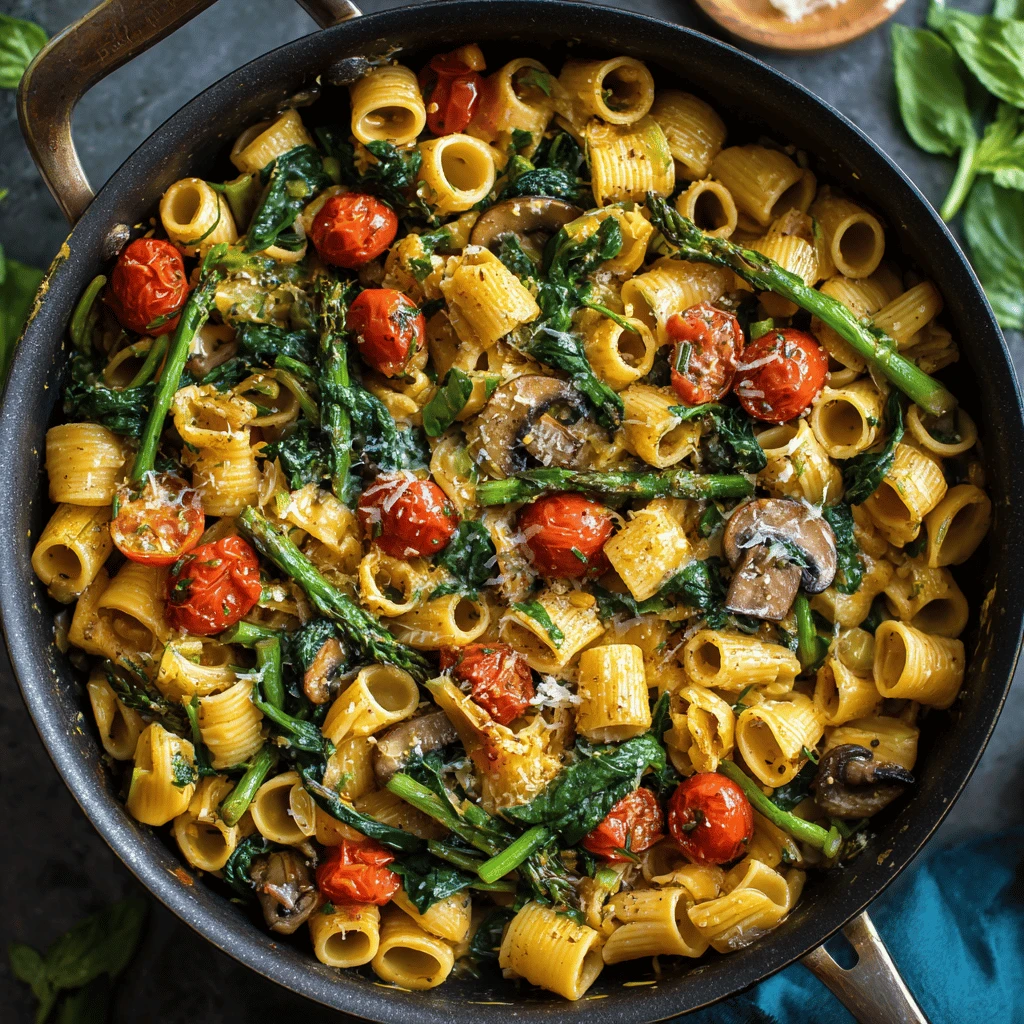
One-Pot Pasta Easy Dinner
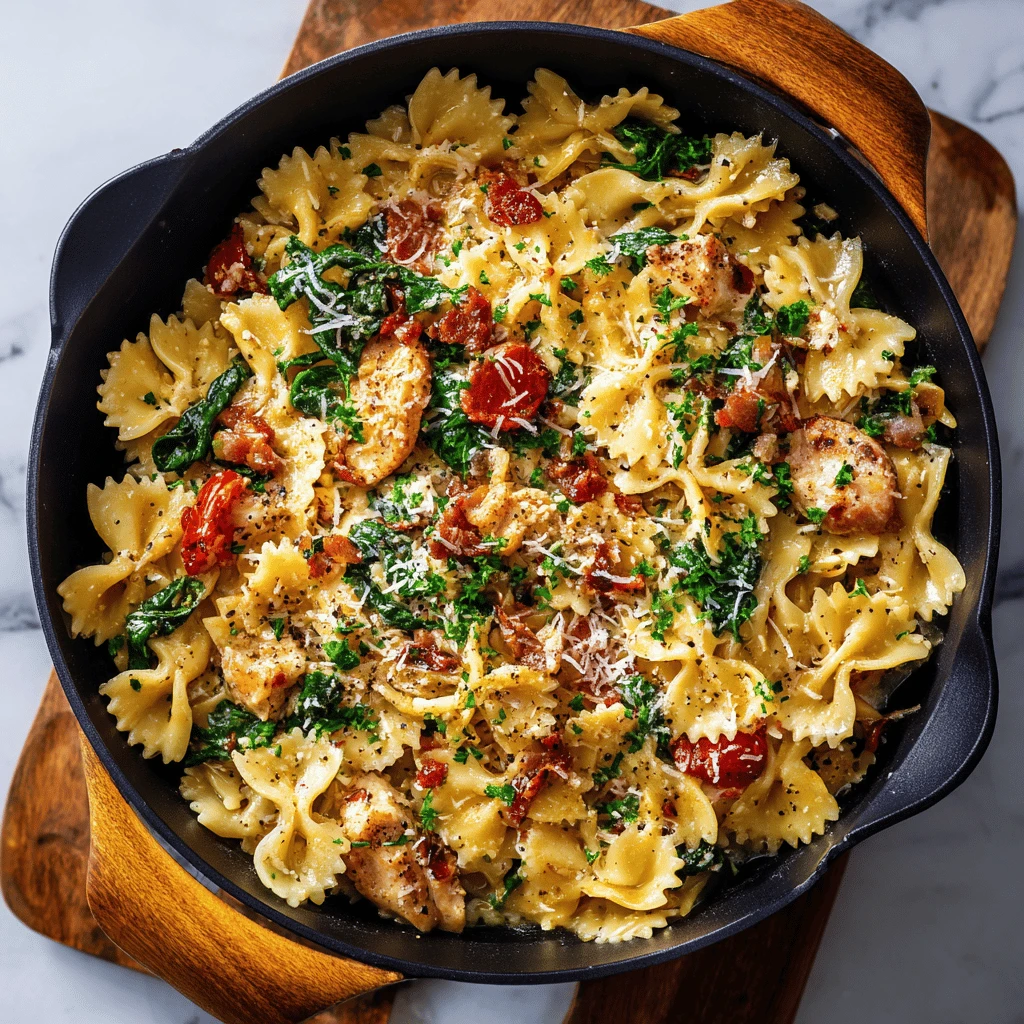
One-pot pasta recipes are a weeknight game-changer. They simplify the cooking process, minimize cleanup, and deliver a satisfying, flavorful meal in under an hour. This guide will walk you through the essentials of creating delicious one-pot pasta dinners, offering tips, variations, and a few tempting recipes to get you started.
Why One-Pot Pasta is a Dinner Winner
The beauty of one-pot pasta lies in its simplicity. All the ingredients, including the pasta, cook together in a single pot. This allows the pasta to absorb the flavors of the sauce as it cooks, creating a richer, more cohesive dish than traditional methods.
Benefits of One-Pot Cooking:
- Less Cleanup: Fewer dishes mean more time to relax after dinner.
- Faster Cooking: Everything cooks together, reducing overall cooking time.
- Enhanced Flavor: Pasta absorbs the sauce, resulting in a more flavorful dish.
- Customizable: Easily adapt recipes to your dietary needs and preferences.
- Budget-Friendly: Often uses inexpensive ingredients, making it an affordable meal option.
Mastering the One-Pot Pasta Technique
While the concept is simple, achieving perfect one-pot pasta requires attention to a few key details:
1. Choosing the Right Pasta:
Long pasta shapes like spaghetti, linguine, and fettuccine work well in one-pot recipes. Smaller shapes, such as penne or rotini, can also be used, but they may require slightly different cooking times. Avoid using delicate pasta like angel hair, which can easily become mushy.
2. Liquid Ratio is Key:
The amount of liquid is crucial for proper cooking. Too little liquid, and the pasta will be undercooked. Too much, and you’ll end up with a watery sauce. A general rule of thumb is to use just enough liquid to cover the pasta and other ingredients. For every pound of pasta, aim for approximately 4 cups of liquid.
3. Ingredient Order Matters:
Add ingredients in layers, starting with those that require the longest cooking time. For example, onions and garlic should be sautéed before adding other vegetables or protein. Pasta is usually added last, along with the liquid.
4. Simmer, Don’t Boil:
A gentle simmer is essential for even cooking. Bring the liquid to a boil, then reduce the heat to a simmer. Stir occasionally to prevent the pasta from sticking to the bottom of the pot.
5. Don’t Overcook:
Keep a close eye on the pasta and test it for doneness a few minutes before the suggested cooking time on the package. The pasta should be al dente, with a slight bite. Remember that it will continue to cook slightly in the residual heat.
One-Pot Pasta Recipe Ideas: From Classic to Creative
The possibilities for one-pot pasta are endless. Here are a few ideas to inspire your culinary adventures:
1. Classic Tomato and Basil:
- Ingredients: Olive oil, garlic, onion, crushed tomatoes, vegetable broth, spaghetti, basil, parmesan cheese.
- Instructions: Sauté garlic and onion in olive oil. Add crushed tomatoes and vegetable broth. Bring to a simmer, then add spaghetti. Cook until pasta is al dente, stirring occasionally. Stir in basil and top with parmesan cheese.
2. Creamy Lemon Chicken:
- Ingredients: Olive oil, chicken breast (cut into pieces), garlic, lemon juice, chicken broth, fettuccine, heavy cream, parmesan cheese, parsley.
- Instructions: Sauté chicken in olive oil until cooked through. Add garlic and lemon juice. Stir in chicken broth and fettuccine. Cook until pasta is al dente, stirring occasionally. Stir in heavy cream, parmesan cheese, and parsley.
3. Spicy Sausage and Peppers:
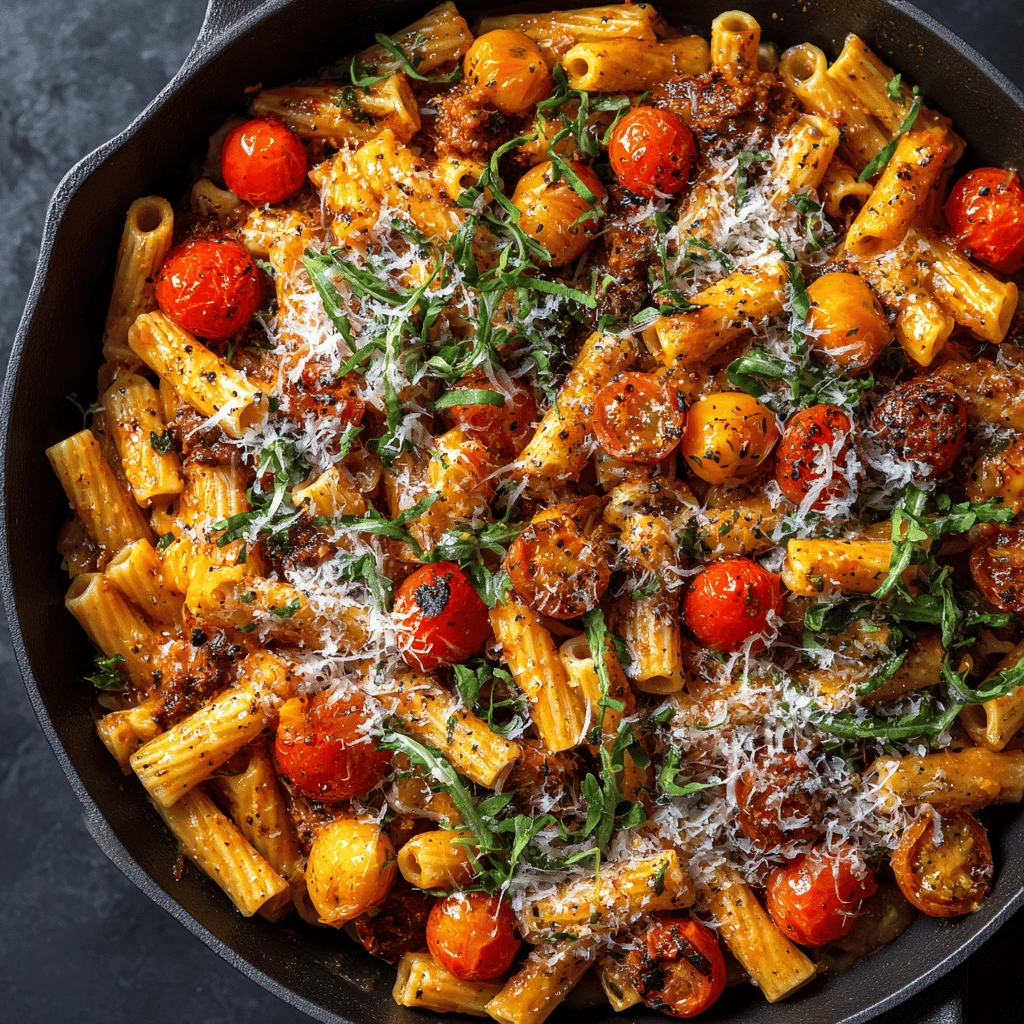
- Ingredients: Olive oil, Italian sausage (removed from casing), bell peppers (sliced), onion, garlic, crushed red pepper flakes, diced tomatoes, chicken broth, penne.
- Instructions: Brown sausage in olive oil. Add bell peppers, onion, and garlic. Cook until softened. Stir in crushed red pepper flakes and diced tomatoes. Add chicken broth and penne. Cook until pasta is al dente, stirring occasionally.
4. Vegan Pesto Pasta:
- Ingredients: Olive oil, garlic, vegetable broth, rotini, spinach, vegan pesto, pine nuts.
- Instructions: Sauté garlic in olive oil. Add vegetable broth and rotini. Cook until pasta is al dente, stirring occasionally. Stir in spinach and vegan pesto. Top with pine nuts.
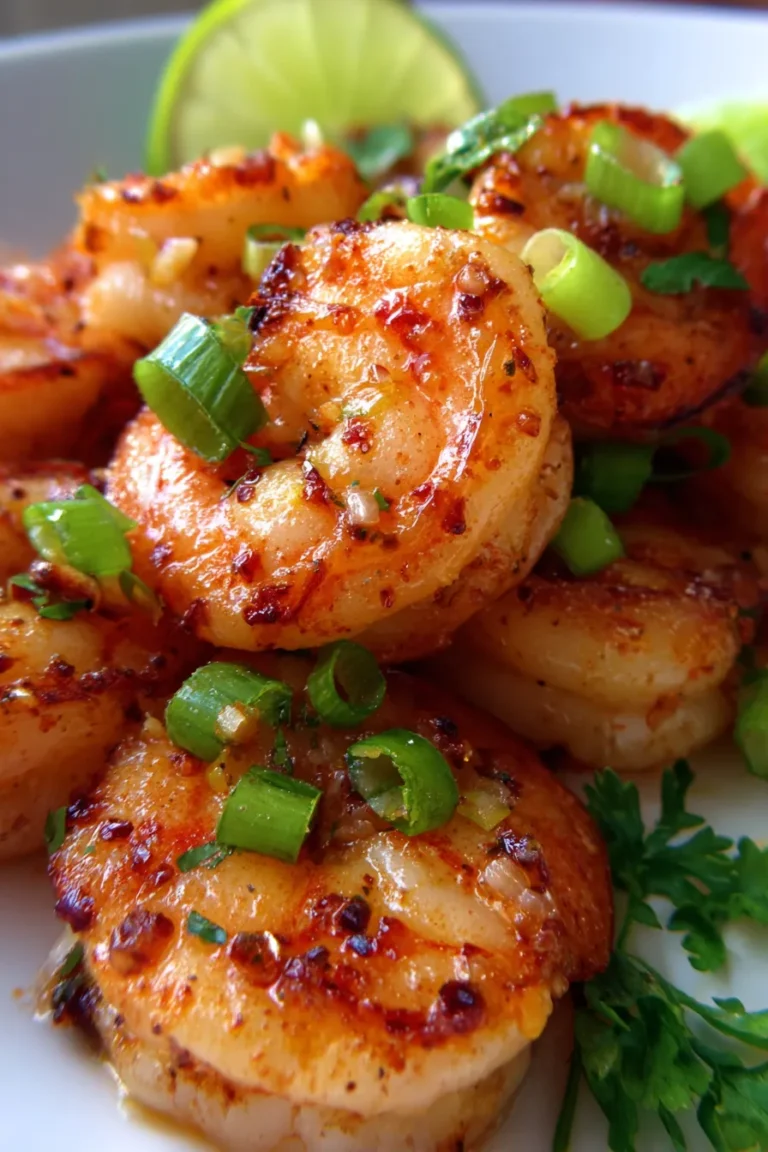
5. Shrimp Scampi One-Pot:
- Ingredients: Olive Oil, Shrimp (peeled and deveined), Garlic, Red Pepper Flakes, Dry White product, Chicken Broth, Linguine, Butter, Lemon Juice, Parsley.
- Instructions: Sauté garlic and red pepper flakes in olive oil. Add shrimp and cook until pink. Deglaze with white product. Add chicken broth and linguine. Cook until pasta is al dente, stirring occasionally. Stir in butter and lemon juice. Garnish with parsley.
Tips and Tricks for One-Pot Pasta Perfection
To ensure success with your one-pot pasta creations, keep these tips in mind:
- Chop Ingredients Finely: This helps them cook evenly and release their flavors quickly.
- Use High-Quality Broth: The broth is a key component of the sauce, so choose a flavorful, high-quality option.
- Don’t Be Afraid to Experiment: One-pot pasta is a great way to use up leftover vegetables or protein. Get creative and try different combinations.
- Adjust Seasoning as Needed: Taste the pasta throughout the cooking process and adjust the seasoning as needed.
- Garnish Generously: A sprinkle of fresh herbs, grated cheese, or a drizzle of olive oil can elevate your one-pot pasta to the next level.
- If the Pasta Sticks: Even with frequent stirring, pasta can stick to the bottom. To remedy this, add a little more liquid and scrape the bottom of the pot gently.
- If the Sauce is Too Thin: If your sauce is too thin after the pasta is cooked, remove the lid and continue to simmer the pasta for a few more minutes, stirring frequently, until the sauce thickens. A cornstarch slurry can also be used as a thickening agent.
- Consider a Dutch Oven: A Dutch oven is an excellent choice for one-pot pasta due to its even heat distribution and ability to retain heat.
Troubleshooting Common One-Pot Pasta Problems
Even with the best intentions, one-pot pasta can sometimes present challenges. Here’s how to address common issues:
- Pasta is Undercooked: Add a little more liquid and continue to simmer until the pasta is al dente.
- Pasta is Overcooked: Unfortunately, there’s no way to salvage overcooked pasta. Be sure to monitor the cooking time carefully in the future.
- Sauce is Too Thick: Add a little more broth or water to thin the sauce.
- Sauce is Too Bland: Add more seasoning, such as salt, pepper, garlic powder, or herbs. A squeeze of lemon juice or a dash of hot sauce can also brighten the flavor.
- The bottom burns: Reduce the heat immediately, add a small amount of water to the pot (carefully), and scrape the bottom gently to loosen any stuck bits. Consider transferring the pasta to a new pot to avoid further burning.
One-Pot Pasta FAQs
Q: What kind of pasta is best for one-pot cooking?
A: Long pasta shapes like spaghetti, linguine, and fettuccine are generally preferred. Penne and rotini also work well. Avoid delicate pasta like angel hair.
Q: How much liquid do I need for one-pot pasta?
A: Use just enough liquid to cover the pasta and other ingredients. A good rule of thumb is approximately 4 cups of liquid per pound of pasta.
Q: Can I use canned tomatoes in one-pot pasta?
A: Yes, canned diced tomatoes, crushed tomatoes, or tomato sauce can all be used.
Q: How do I prevent the pasta from sticking to the bottom of the pot?
A: Stir the pasta frequently throughout the cooking process.
Q: Can I add protein to one-pot pasta?
A: Absolutely! Chicken, sausage, shrimp, or beans can all be added to one-pot pasta. Just be sure to adjust the cooking time accordingly.
Q: Can I make one-pot pasta ahead of time?
A: While one-pot pasta is best served immediately, leftovers can be stored in the refrigerator for up to 3 days. Reheat gently, adding a little broth or water if needed. The pasta may absorb more sauce as it sits.
Q: Is one-pot pasta healthy?
A: One-pot pasta can be a healthy meal, depending on the ingredients you use. Choose whole-wheat pasta, lean protein, and plenty of vegetables. Watch your sodium intake by using low-sodium broth and limiting processed ingredients.