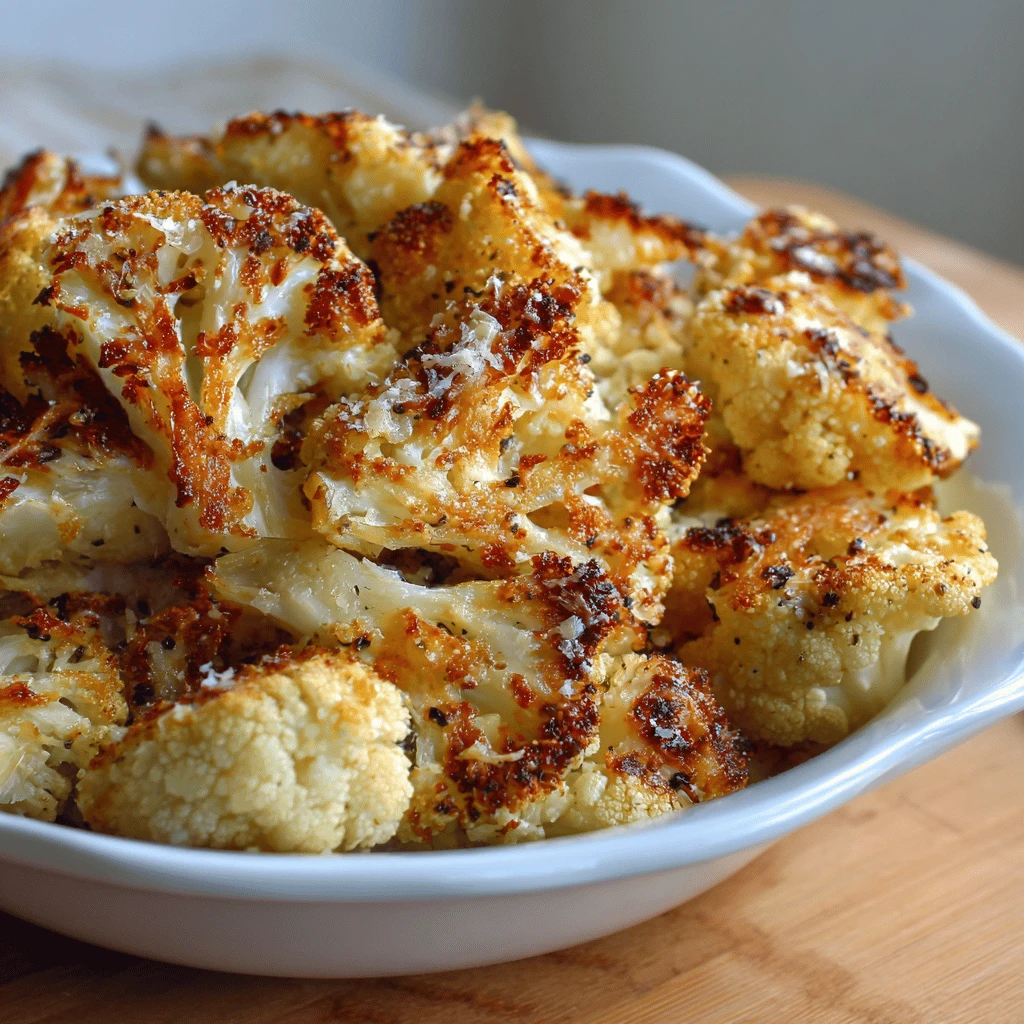
Parmesan Roasted Cauliflower: The Perfect Thanksgiving Dish
Parmesan Roasted Cauliflower is rapidly becoming a Thanksgiving staple, and for good reason. It’s a delicious, healthy, and surprisingly easy-to-prepare side dish that offers a welcome alternative to traditional Thanksgiving fare. It satisfies vegetable cravings, adds a touch of elegance to the table, and is guaranteed to be a crowd-pleaser, even among those who typically shy away from cauliflower. This article explores the nuances of crafting the perfect parmesan roasted cauliflower for your Thanksgiving celebration.
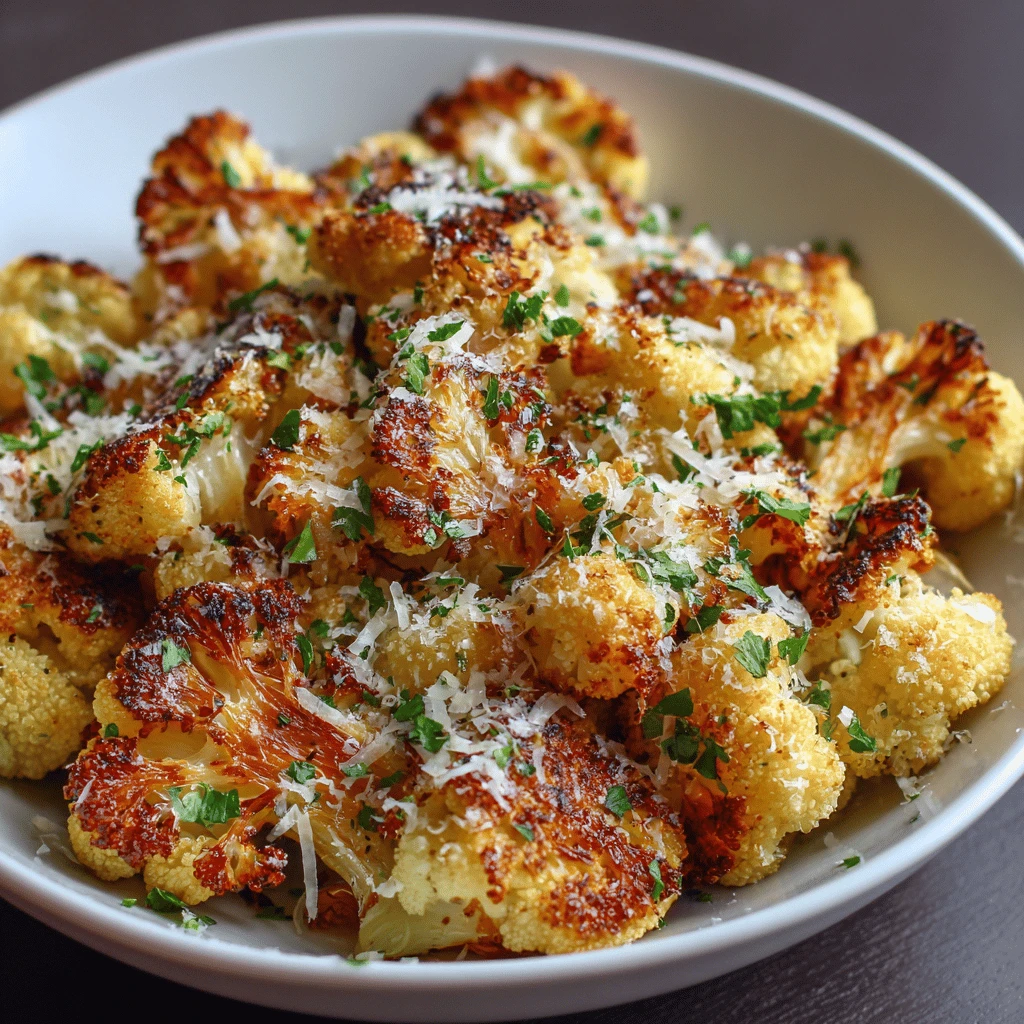
Why Parmesan Roasted Cauliflower is a Thanksgiving Winner
Thanksgiving feasts are often centered around rich, heavy dishes. Parmesan roasted cauliflower provides a lighter, more refreshing option that balances the meal. The roasting process brings out the natural sweetness of the cauliflower, while the parmesan cheese adds a savory, umami-rich flavor that complements the other dishes on the table.
- Healthier Choice: Compared to many Thanksgiving sides laden with butter and cream, roasted cauliflower is a relatively healthy option, packed with vitamins, minerals, and fiber.
- Easy to Prepare: With minimal ingredients and simple steps, this dish can be prepared ahead of time, freeing up valuable oven space on Thanksgiving Day.
- Flavorful and Versatile: The combination of roasted cauliflower and parmesan cheese creates a delightful flavor profile that pairs well with turkey, ham, or vegetarian mains. The dish is easily adaptable to include other seasonings or toppings to suit your taste.
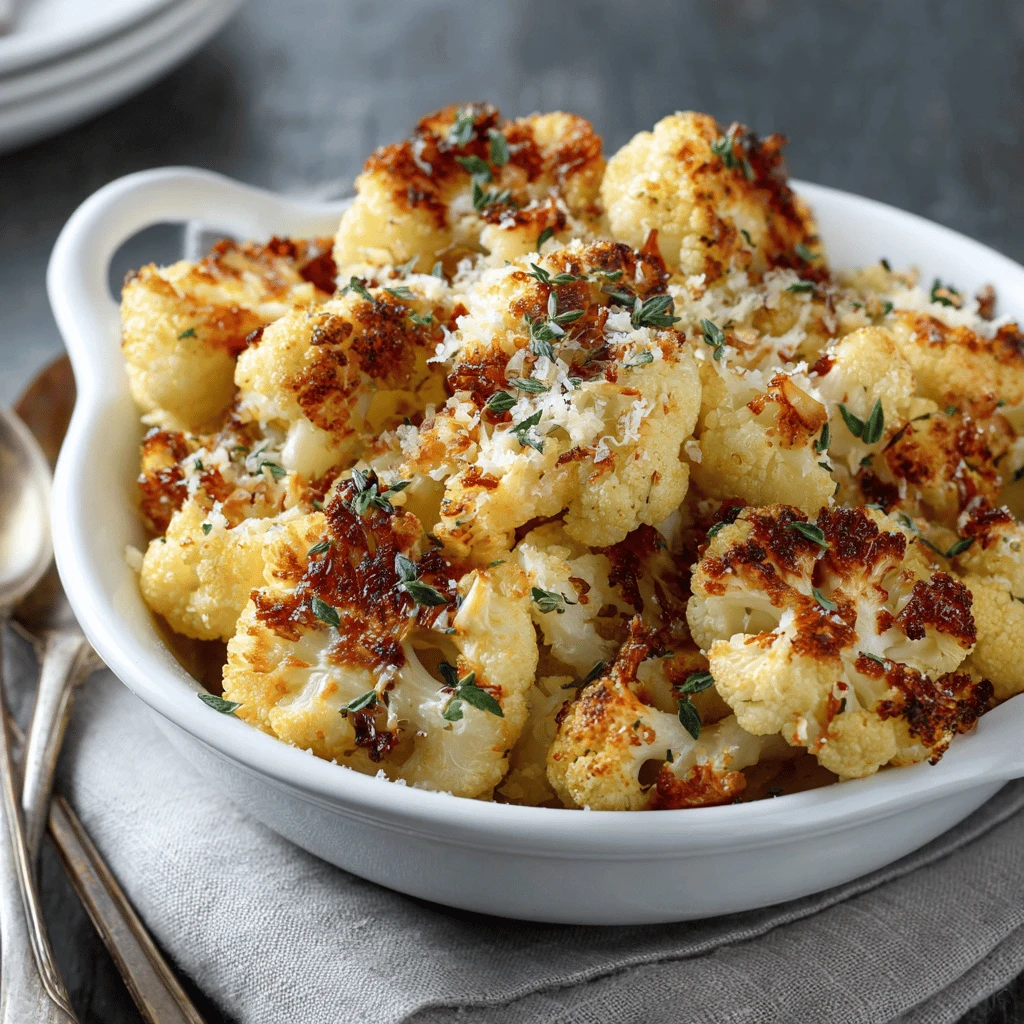
- Visually Appealing: The golden-brown color of the roasted cauliflower, dusted with parmesan, adds a touch of visual appeal to your Thanksgiving spread.
Mastering the Art of Perfectly Roasted Cauliflower
Achieving perfectly roasted cauliflower requires attention to a few key details. It’s more than just throwing cauliflower and cheese in the oven. Let’s break down the critical steps to success.
Selecting the Right Cauliflower
Choosing the right cauliflower is the first step. Look for a head that is firm, heavy for its size, and has tightly packed florets. Avoid cauliflower with blemishes, soft spots, or a strong odor. A slight discoloration on the surface is normal but steer clear of cauliflower that is excessively brown or yellow.
Prepping the Cauliflower for Roasting
Properly preparing the cauliflower is crucial for even roasting.
1. Washing and Drying: Rinse the cauliflower thoroughly under cold water to remove any dirt or debris. Pat it completely dry with paper towels. Moisture is the enemy of crispy, roasted cauliflower.
2. Cutting the Florets: Cut the cauliflower into florets of uniform size. This ensures that they cook evenly. Aim for florets that are about 1-2 inches in size. Smaller florets will cook faster and may burn, while larger florets may not cook through.
3. Tossing with Oil and Seasonings: In a large bowl, toss the cauliflower florets with olive oil, salt, pepper, and any other desired seasonings, such as garlic powder, onion powder, or red pepper flakes. Make sure the florets are evenly coated.
The Roasting Process: Temperature and Timing
The oven temperature and roasting time are critical for achieving perfectly caramelized and tender cauliflower.
- Optimal Temperature: Preheat your oven to 400°F (200°C). This high temperature allows the cauliflower to caramelize and develop a slightly crispy exterior.
- Roasting Time: Spread the cauliflower florets in a single layer on a baking sheet lined with parchment paper. Roast for 20-25 minutes, or until the cauliflower is tender and golden brown, flipping halfway through.
- Parmesan Addition: During the last 5-10 minutes of roasting, sprinkle the parmesan cheese evenly over the cauliflower. Continue roasting until the cheese is melted and lightly browned.
Adding Flavor and Flair: Variations and Adaptations
While the basic parmesan roasted cauliflower recipe is delicious on its own, there are countless ways to customize it to your liking.
Spice it Up
- Red Pepper Flakes: Add a pinch of red pepper flakes to the cauliflower before roasting for a touch of heat.
- Smoked Paprika: A dash of smoked paprika adds a smoky depth of flavor.
- Cayenne Pepper: For a more intense kick, add a pinch of cayenne pepper.
Herbaceous Delights
- Fresh Herbs: Toss the roasted cauliflower with freshly chopped herbs, such as parsley, thyme, or rosemary, after roasting.
- Dried Herbs: Add dried herbs, such as oregano or basil, to the cauliflower before roasting.
- Garlic: Add minced garlic to the cauliflower before roasting for a pungent, aromatic flavor.
Cheesy Variations
- Different Cheeses: Experiment with different types of cheese, such as Pecorino Romano, Asiago, or Gruyere.
- Cheese Blend: Create a cheese blend by combining parmesan with other cheeses.
Creative Toppings
- Breadcrumbs: Sprinkle toasted breadcrumbs over the roasted cauliflower for added texture.
- Pine Nuts: Toasted pine nuts add a nutty flavor and crunchy texture.
- Balsamic Glaze: Drizzle balsamic glaze over the roasted cauliflower for a touch of sweetness and acidity.
Serving and Storing Parmesan Roasted Cauliflower
Parmesan roasted cauliflower is best served immediately after roasting, while it is still warm and crispy. However, it can also be made ahead of time and reheated.
Serving Suggestions
- As a Side Dish: Serve alongside turkey, ham, or vegetarian mains.
- As a Vegetarian Main Course: Serve with a side salad or grain bowl for a light and healthy vegetarian meal.
- As an Appetizer: Serve as a warm appetizer with a dipping sauce, such as ranch or blue cheese dressing.
Storing Leftovers
Store leftover parmesan roasted cauliflower in an airtight container in the refrigerator for up to 3 days.
Reheating Instructions
Reheat the cauliflower in the oven at 350°F (175°C) for 10-15 minutes, or until heated through. You can also reheat it in a skillet over medium heat, stirring occasionally, until heated through. Avoid microwaving, as this can make the cauliflower soggy.
Troubleshooting Common Issues
Even with the best intentions, things can sometimes go awry in the kitchen. Here are some common issues you might encounter when making parmesan roasted cauliflower, and how to fix them.
- Cauliflower is Soggy: Ensure the cauliflower is completely dry before roasting. Don’t overcrowd the pan; use two baking sheets if necessary. Increase the oven temperature slightly.
- Cauliflower is Burning: Lower the oven temperature slightly and check the cauliflower more frequently. Place the baking sheet on a lower rack in the oven.
- Parmesan is Burning: Add the parmesan cheese during the last few minutes of roasting.
- Cauliflower is Undercooked: Increase the roasting time. Make sure the cauliflower florets are evenly sized.
FAQ: Parmesan Roasted Cauliflower for Thanksgiving
Here are some frequently asked questions about making parmesan roasted cauliflower for Thanksgiving.
Can I make this ahead of time?
Yes, you can prep the cauliflower by cutting it into florets and tossing it with oil and seasonings up to a day in advance. Store it in an airtight container in the refrigerator. Add the parmesan cheese just before roasting. You can also roast the cauliflower ahead of time and reheat it before serving.
Can I use frozen cauliflower?
While fresh cauliflower is preferable, you can use frozen cauliflower in a pinch. Thaw the cauliflower completely and pat it dry before roasting. Keep in mind that frozen cauliflower may be slightly softer than fresh cauliflower.
Can I add other vegetables?
Absolutely! Broccoli, Brussels sprouts, and carrots are all great additions to parmesan roasted cauliflower. Add them to the baking sheet along with the cauliflower, adjusting the roasting time as needed.
What if I don’t have parmesan cheese?
You can substitute other hard cheeses, such as Pecorino Romano or Asiago. You can also use a vegetarian parmesan substitute.
Is this recipe gluten-free?
Yes, this recipe is naturally gluten-free.