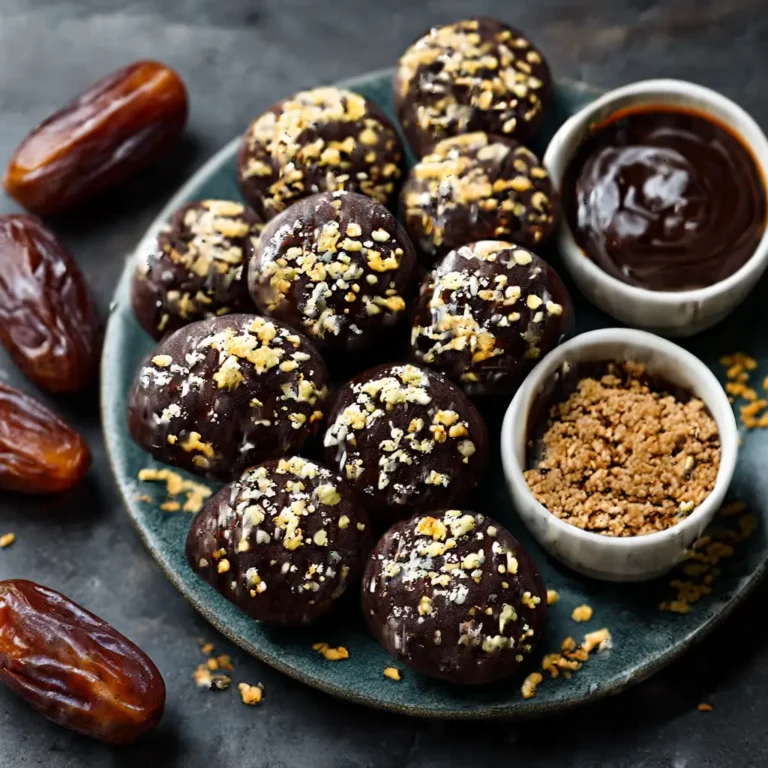
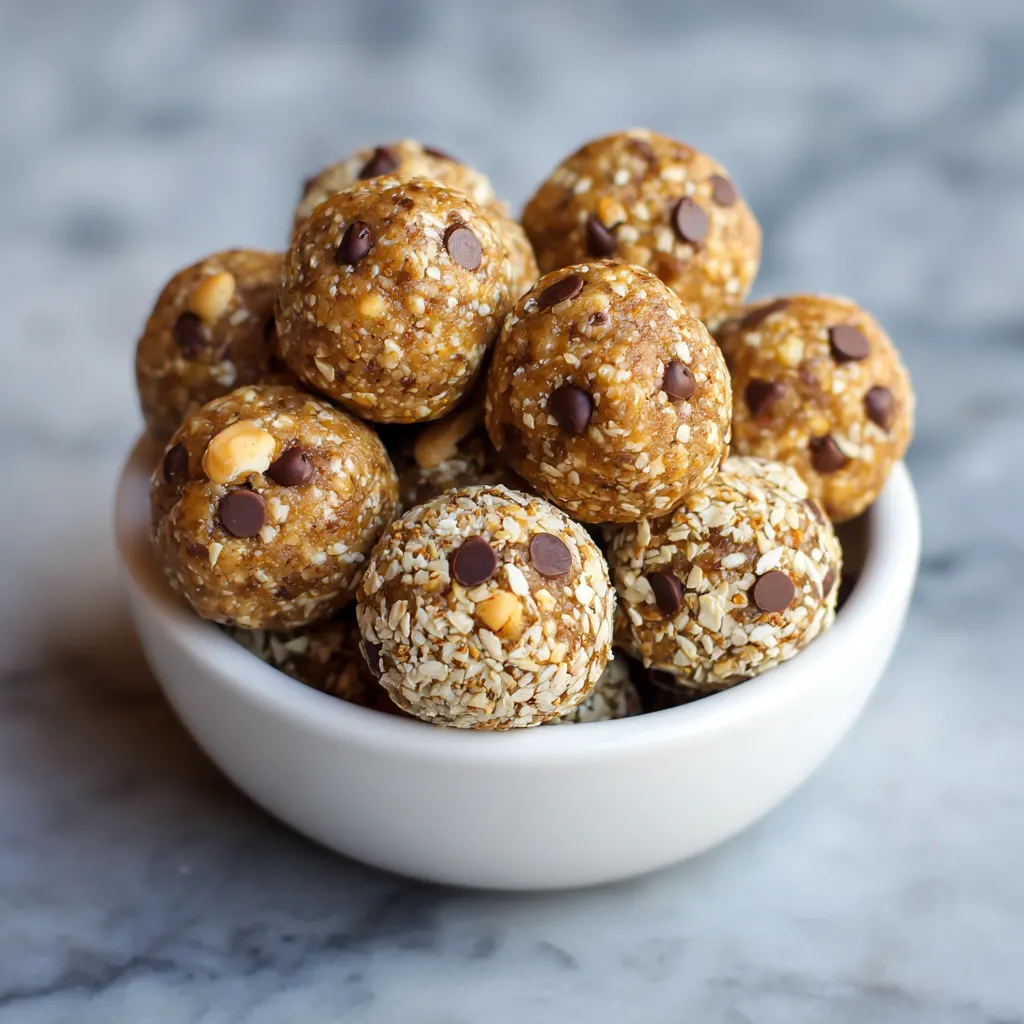
In the quest for convenient, nutritious snacking, the peanut butter energy ball reigns supreme. These no-bake bites are the ultimate solution for combating mid-afternoon slumps or fueling workouts, offering a balanced blend of fiber, protein, and healthy fats in a perfectly portioned size. They are quick to prepare, infinitely customizable, and taste remarkably like dessert, making them a staple in healthy kitchens everywhere. Their popularity stems from their simplicity; combining just a handful of pantry staples yields a dense, chewy, and highly satisfying snack that is naturally sweet and incredibly filling.
The foundation of a great energy ball is a reliable, balanced recipe. Here is a classic, no-fail formula that requires minimal ingredients and prep time.
The Classic Peanut Butter Oatmeal Energy Balls Recipe
Ingredients
-
1 cup (90g) Rolled Oats (Old-fashioned or quick oats)
-
½ cup (128g) Natural Peanut Butter (Creamy, or crunchy if preferred; use a runny variety for best results)
-
⅓ cup (80ml) Liquid Sweetener (Honey or Pure Maple Syrup for vegan option)
-
2 tablespoons Ground Flaxseed (or Chia Seeds/Hemp Seeds)
-
1 teaspoon Vanilla Extract
-
¼ teaspoon Sea Salt (optional, especially if using salted peanut butter)
-
½ cup (80g) Mini Chocolate Chips, Unsweetened Coconut, or other mix-ins (optional)
Step-by-Step Instructions
-
Combine Wet Ingredients: In a medium-sized mixing bowl, add the natural peanut butter, liquid sweetener (honey or maple syrup), and vanilla extract. For easier mixing, you may lightly warm the peanut butter and sweetener together in a microwave-safe bowl for 15-30 seconds until slightly softened and easily stirred.
-
Incorporate Dry Ingredients: Add the rolled oats, ground flaxseed or chia seeds, sea salt, and any optional mix-ins (like mini chocolate chips or coconut) to the wet ingredients.
-
Mix Thoroughly: Stir the mixture vigorously with a spatula or wooden spoon until all the ingredients are fully combined and the dry oats are evenly coated with the wet peanut butter mixture. If the dough is too stiff to stir, use clean hands to work and press the ingredients together until a cohesive dough forms.
-
Chill (Crucial Step): Cover the bowl and refrigerate the dough for 15 to 30 minutes. This allows the oats and seeds to absorb some of the moisture, thickening the mixture and making it much easier to roll without sticking to your hands.
-
Roll and Store: Using a measuring spoon (a tablespoon works well for portion control), scoop the mixture and roll it firmly between your palms into small, uniform balls. Place the finished energy balls on a parchment-lined tray or sheet.
-
Set and Serve: Place the formed balls back in the refrigerator for at least 10 minutes to set completely. Once firm, transfer them to an airtight container for storage.
The Nutritional Powerhouse: Fueling Your Body Naturally
Energy balls are more than just a sweet treat; they are specifically designed to provide sustained fuel, unlike sugary snacks that lead to a rapid spike and crash. Analyzing the core components reveals why they are considered a truly healthy snack.
The primary benefit comes from the strategic macronutrient combination. By merging healthy fats, complex carbohydrates, and plant-based protein, energy balls ensure that your body digests the fuel slowly, leading to prolonged satiety and consistent energy release.
Key Nutrients and Their Benefits:
-
Peanut Butter (Healthy Fats & Protein): Natural peanut butter is rich in monounsaturated and polyunsaturated fats, which are essential for heart health, cell function, and nutrient absorption. The protein content (around 4-6 grams per two balls) contributes to muscle repair and growth, making these perfect pre- or post-workout snacks. Using natural peanut butter with minimal added ingredients (just peanuts and salt) is essential for maximizing these benefits.
-
Rolled Oats (Complex Carbohydrates & Fiber): Oats are a complex carbohydrate, meaning they provide sustained energy over time rather than a quick sugar rush. They are also packed with soluble fiber, specifically beta-glucan, which aids in digestive health, helps lower cholesterol, and contributes significantly to the feeling of fullness.
-
Flaxseed and Chia Seeds (Omega-3s & Fiber): These tiny additions are potent superfoods. Ground flaxseed and chia seeds are excellent sources of anti-inflammatory Omega-3 fatty acids, crucial for brain and heart health. They also swell when exposed to moisture, acting as natural binders while adding a significant boost of dietary fiber and protein.
-
Natural Sweeteners (Trace Minerals): Honey and maple syrup, when used in moderation, are superior to refined white sugar. They act primarily as a binding agent but also provide small amounts of minerals and antioxidants. Dates are another popular binder that replaces refined sugar entirely, boosting the fiber content and providing an intense, caramel-like sweetness.
By focusing on these nutrient-dense ingredients, energy balls offer a caloric density that satisfies hunger and prevents overeating later on, establishing them as a smarter, whole-food alternative to highly processed snack bars.
Customization and Dietary Swaps for Every Lifestyle
One of the greatest advantages of the energy ball format is its versatility. The core recipe is highly adaptable, allowing for easy customization to meet specific dietary needs, allergies, or flavor preferences. This flexibility ensures that virtually anyone can enjoy these nutritious bites.
Adjusting the Base (The Binder and Fiber):
-
Nut-Free Options: For individuals with peanut allergies, sunflower seed butter (Sunbutter) or tahini (sesame paste) can be used as a perfect 1:1 substitute for peanut butter, maintaining the creamy texture and healthy fat content.
-
Gluten-Free Needs: While oats are naturally gluten-free, cross-contamination can occur. Always use certified gluten-free rolled oats to ensure the final product is safe for those with celiac disease or gluten sensitivities.
-
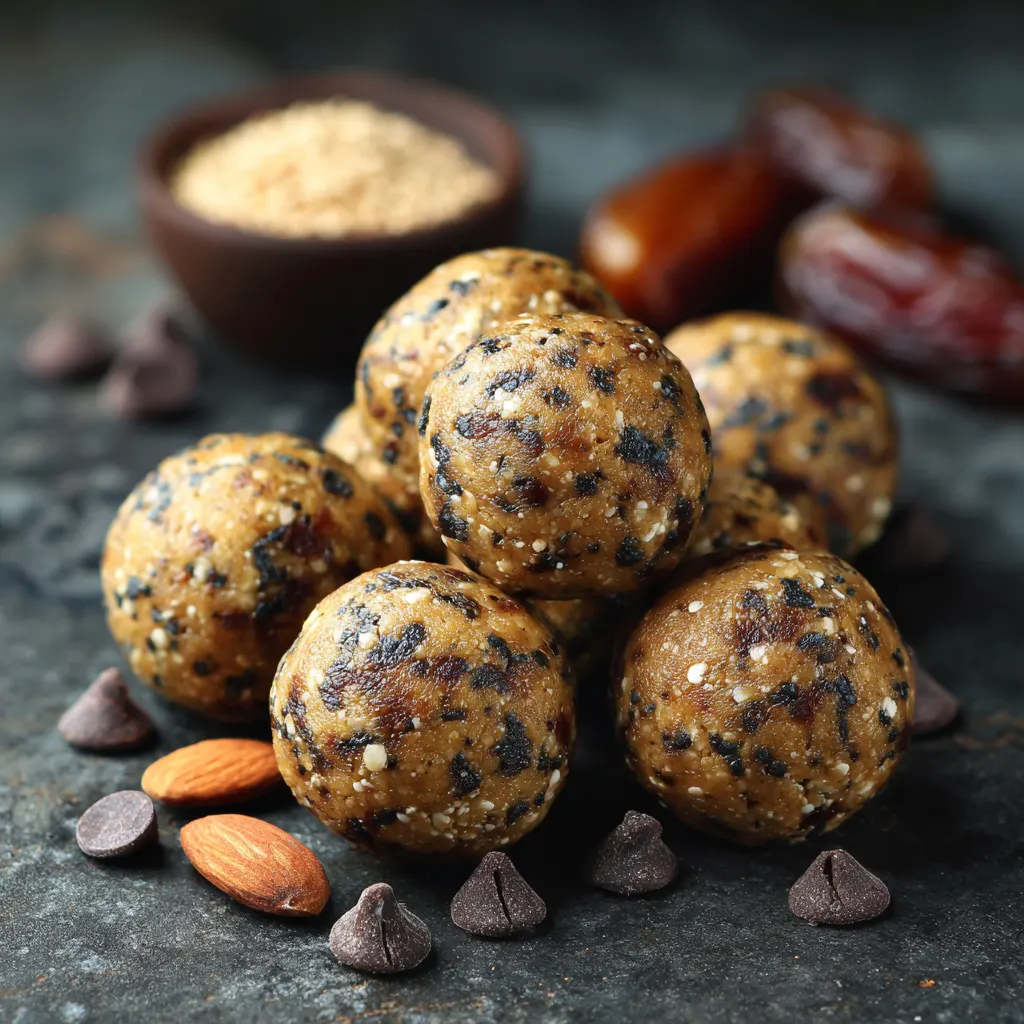
Oats vs. Dates: The classic recipe relies on oats, but many popular variations use Medjool dates (often soaked and processed in a food processor) as the primary base. Dates offer a softer texture, greater fiber content, and natural sweetness without relying on honey or syrup, making the balls completely refined sugar-free.
Flavor and Texture Variations (Mix-Ins):
-
Protein Boost: Adding a scoop of unflavored, vanilla, or chocolate protein powder (whey or plant-based) is an excellent way to increase the protein per serving, enhancing satiety and muscle support. If adding powder, you may need to add a splash of milk (dairy or plant-based) to maintain the correct dough consistency.
-
Spice and Aromatics: Enhance the flavor profile with warm spices. Cinnamon is a favorite pairing with peanut butter, but nutmeg, pumpkin pie spice, or a pinch of cayenne can be used for a unique twist. A small amount of lemon zest or orange zest can provide a bright, fresh flavor.
-
Crunch Factor: Incorporate finely chopped pecans, walnuts, pepitas (pumpkin seeds), or crispy rice cereal for added texture. Rolling the finished balls in crushed freeze-dried fruit, unsweetened cocoa powder, or toasted sesame seeds provides a professional finish and flavor layer.
-
Sweetener Swaps: Honey can be swapped for maple syrup (making the recipe vegan), or brown rice syrup, which is less sweet and lower on the glycemic index.
The ability to swap ingredients like this allows you to manage everything from sugar intake to specific allergens, transforming a single recipe into dozens of diverse, healthy snack options.
Mastering the Art of No-Bake Prep and Perfect Texture
While energy balls are simple to make, achieving the ideal texture—one that is firm enough to hold its shape but soft enough to chew—requires a few key techniques. Troubleshooting common issues is part of mastering the no-bake process.
Tips for a Smooth Mixing Process
-
Temperature Control is Key: Always use natural peanut butter that is runny and at room temperature. If your natural peanut butter has separated (oil on top), stir it thoroughly before measuring. If it’s too thick, gently warm it (and the liquid sweetener) in the microwave for 15-30 seconds. Warming the wet ingredients makes them less viscous and allows them to coat the dry ingredients more uniformly.
-
Process Oats for Texture: If you prefer a texture closer to cookie dough rather than a chewy oat ball, pulse the rolled oats in a food processor or blender for a few seconds until they resemble a coarse flour. This increases the surface area for absorption and results in a smoother, less crumbly bite.
-
Mix in Stages: Combine the wet ingredients first. Then, add the fibrous elements (flaxseed, chia, oats). Finally, fold in delicate mix-ins like chocolate chips or dried fruit to prevent them from being crushed or over-mixed.
Troubleshooting Consistency
-
Too Crumbly/Dry: This usually means there isn’t enough binder. Add moisture slowly, one teaspoon at a time. The best additions are a splash of milk (dairy or plant-based), a few drops of hot water, or a drizzle of extra peanut butter or maple syrup.
-
Too Sticky/Wet: This common issue occurs when the oats haven’t absorbed enough moisture, or too much liquid sweetener was used. The immediate fix is to add dry ingredients. Incorporate an extra tablespoon of ground flaxseed, oat flour, or shredded coconut until the dough is firm enough to roll. Don’t skip the chilling step, as refrigeration is essential for setting the sticky fats.
Rolling Techniques
Use a small portioning scoop or a measuring spoon to ensure all your balls are uniform in size. When rolling, use firm pressure and squeeze the mixture together first to compact it, then roll it smoothly between your palms. If the mixture starts sticking, lightly wet your hands with cold water or dust them with a tiny amount of cocoa powder or oat flour.
Storage Solutions and Smart Snacking Strategies
The final benefit of energy balls is their status as a meal-prep champion. They are designed for batch preparation, allowing you to create a large supply that is readily available throughout the week, helping to maintain healthy eating habits.
Optimal Storage and Shelf Life
-
Refrigeration (The Standard): After rolling, always store the energy balls in an airtight container in the refrigerator. Stored this way, they will maintain their firm texture and freshness for up to 10 to 14 days. Stacking them is fine once they are completely chilled and firm.
-
Freezing (Batch Prep): For long-term storage, freezing is an excellent option. Arrange the freshly rolled balls on a parchment-lined baking sheet and place them in the freezer for about an hour until completely solid. Once frozen, transfer them to a freezer-safe zip-top bag or airtight container. They will last in the freezer for up to 3 to 6 months.
-
Thawing/Serving from Frozen: Energy balls can be eaten straight from the freezer, offering a dense, fudge-like texture. Alternatively, transfer them to the refrigerator the night before, or simply allow them to sit on the counter for 10-15 minutes before consumption.
Integrating Energy Balls into Your Day
The balanced nutritional profile of peanut butter energy balls makes them suitable for various eating occasions:
-
Pre-Workout Fuel: Consume 1-2 balls about 30 minutes before exercise for complex carbohydrates (oats) to provide usable energy during your workout.
-
Post-Workout Recovery: The combination of protein (peanut butter/protein powder) and carbohydrates helps replenish glycogen stores and initiate muscle repair immediately following a workout.
-
Healthy Desk Snack: Keep a container in the office fridge. The protein and fiber help curb hunger and prevent the need for less-healthy vending machine snacks during mid-morning or mid-afternoon slumps.
-
Kid-Friendly Treats: These are excellent additions to lunchboxes as a healthier alternative to cookies. Their dense composition makes them highly resistant to being crushed.
-
Portion Control: Due to their caloric density, aiming for 1 to 2 balls per serving is generally recommended. Their satisfying blend of healthy fats and fiber naturally limits the temptation to consume more than needed.
By utilizing these easy storage and consumption strategies, peanut butter energy balls become the ultimate healthy grab-and-go solution, ensuring that a nutritious, satisfying snack is never more than a few steps away.