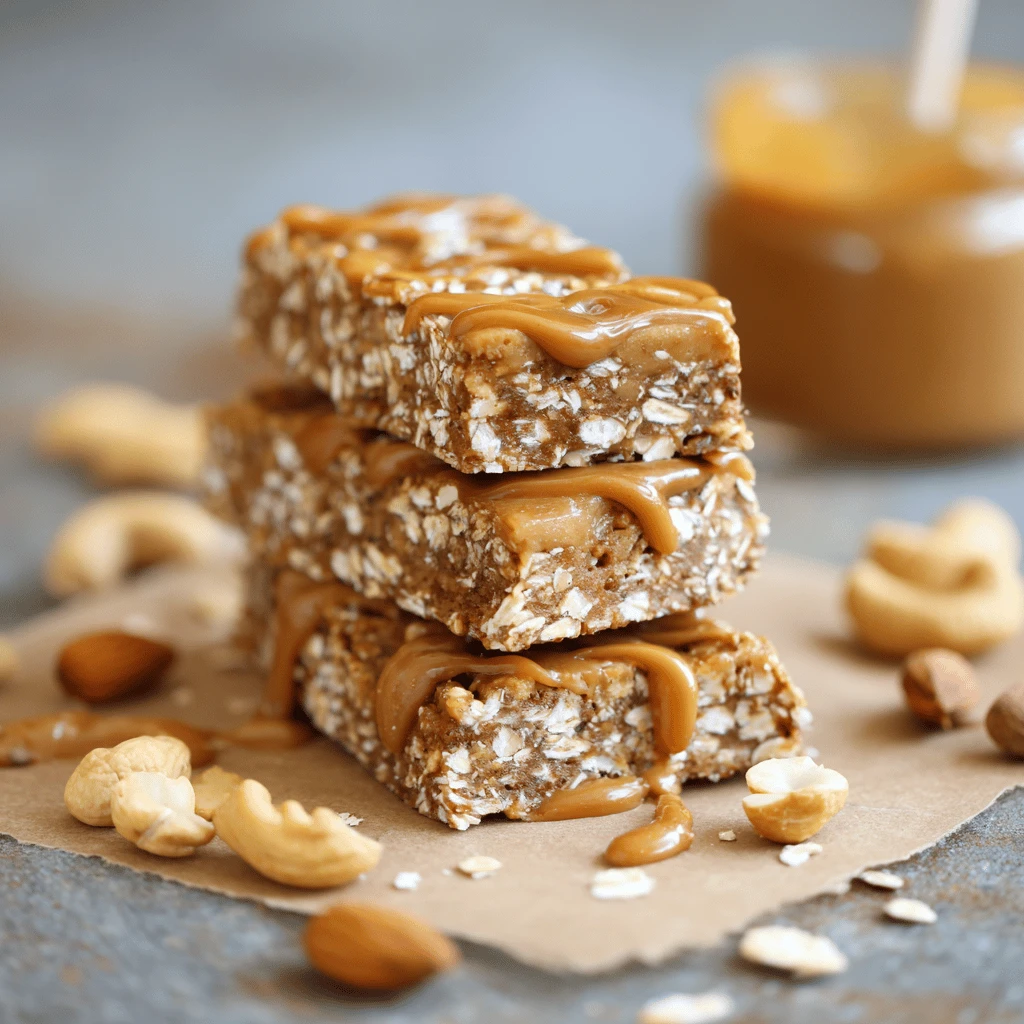
Peanut Butter Oat Bars Snack
Ingredients
- 1 ½ cups rolled oats (not instant)
- ¾ cup peanut butter (creamy or chunky)
- ½ cup honey or maple syrup
- ¼ cup coconut oil, melted
- ¼ cup chopped nuts (optional: peanuts, almonds, walnuts)
- 2 tablespoons chia seeds or flax seeds (optional)
- 1 teaspoon vanilla extract
- ½ teaspoon cinnamon (optional)
- Pinch of salt
Step-by-Step
1. Preheat your oven to 350°F (175°C) if you prefer baked bars. For no-bake bars, skip this step.

2. Prepare an 8×8 inch baking pan by lining it with parchment paper. This will make it easier to remove the bars later.
3. In a large bowl, combine the rolled oats, chopped nuts (if using), chia seeds or flax seeds (if using), cinnamon (if using), and salt.
4. In a separate microwave-safe bowl, combine the peanut butter, honey or maple syrup, and melted coconut oil. Microwave for 30-60 seconds, or until the peanut butter is softened. Stir until smooth.
5. Add the vanilla extract to the peanut butter mixture and stir to combine.
6. Pour the peanut butter mixture over the dry ingredients in the large bowl.
7. Stir well until all of the dry ingredients are completely coated with the peanut butter mixture. Make sure there are no dry patches.
8. Transfer the mixture to the prepared baking pan.
9. Use a spatula or your hands (lightly dampened) to press the mixture firmly and evenly into the pan. The firmer you press, the less crumbly the bars will be.
10. If baking, bake for 15-20 minutes, or until the edges are lightly golden brown.
11. If no-bake, refrigerate for at least 2 hours, or until the bars are firm.
12. Once the bars are set, lift them out of the pan using the parchment paper.
13. Cut the bars into your desired size and shape.
14. Store the peanut butter oat bars in an airtight container at room temperature for up to a week, or in the refrigerator for longer storage.
Understanding the Ingredients
### The Role of Oats
Rolled oats form the foundation of these bars, providing texture and a good source of fiber. Fiber contributes to a feeling of fullness, making these bars a satisfying snack.
Oats are also a complex carbohydrate, offering sustained energy rather than a quick sugar rush. This makes them a healthier option compared to processed snacks.
### Peanut Butter Power
Peanut butter provides not only flavor but also healthy fats and protein. The healthy fats contribute to satiety, while the protein helps with muscle repair and growth.
Choose natural peanut butter for the best nutritional value. Natural peanut butter usually contains only peanuts and salt, avoiding added sugars and unhealthy oils.
### Sweeteners: Honey or Maple Syrup
Honey and maple syrup offer a natural alternative to refined sugar. They both provide sweetness while also containing trace amounts of vitamins and minerals.
Maple syrup has a distinct flavor that complements the peanut butter and oats nicely. Honey offers a slightly different sweetness profile, so choose based on your preference.
### Coconut Oil Considerations
Coconut oil acts as a binding agent and adds a subtle flavor. The oil helps to hold the bars together, preventing them from being too crumbly.
If you don’t like coconut oil, you can substitute it with another melted oil like avocado or canola oil. However, these substitutions may slightly alter the flavor and texture.
### Optional Add-Ins
Nuts, seeds, cinnamon, and vanilla extract add depth and complexity to the flavor profile. Experiment with different combinations to find your favorite.
Adding chopped nuts like peanuts, almonds, or walnuts contributes extra crunch and healthy fats. Chia or flax seeds boost the fiber and omega-3 content.
Customizing Your Oat Bars
### Different Nut Butter Variations
Explore different nut butters beyond peanut butter to change the flavor. Almond butter, cashew butter, or sunflower seed butter are all excellent alternatives.
Each nut butter has a unique flavor profile that will impact the final taste of the bars. Consider the flavor pairing when choosing your preferred nut butter.
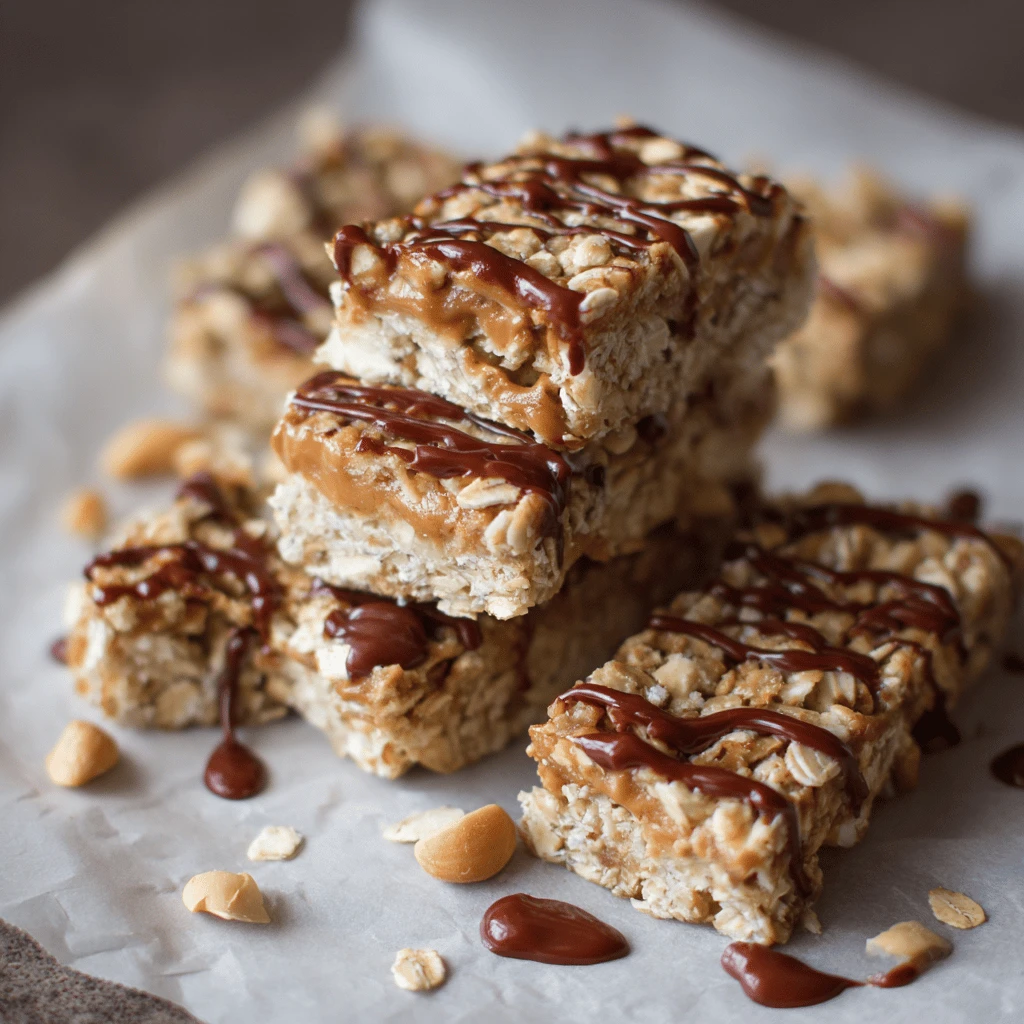
### Adding Chocolate Chips
For a richer, more decadent treat, add chocolate chips. Dark chocolate chips, milk chocolate chips, or white chocolate chips all work well.
Stir the chocolate chips into the oat mixture before pressing it into the pan. You can also sprinkle some on top for a visual appeal.
### Incorporating Dried Fruit
Dried fruit adds sweetness and chewiness to the bars. Raisins, cranberries, chopped apricots, or dates are all great options.
Chop the dried fruit into small pieces before adding it to the oat mixture. This will ensure that it is evenly distributed throughout the bars.
### Gluten-Free Options
To make these bars gluten-free, ensure that you are using certified gluten-free rolled oats. Some oat brands may be processed in facilities that also handle wheat.
Always check the ingredient list and packaging to confirm that the oats are indeed gluten-free if you have a gluten sensitivity or celiac disease.
### Vegan Adaptations
To make these bars vegan, replace the honey with maple syrup or agave nectar. These sweeteners are plant-based and provide a similar level of sweetness.
Ensure that all other ingredients are also vegan-friendly, such as using a plant-based butter or oil instead of dairy butter.
Baking vs. No-Bake: Which is Better?
### The Case for Baking
Baking the oat bars can enhance their texture and flavor. Baking creates a slightly crisper edge and a more cohesive bar.
The heat from the oven helps to meld the ingredients together, resulting in a more unified and less crumbly bar.
### The Convenience of No-Bake
No-bake bars are incredibly convenient and require minimal effort. They are perfect for hot days when you don’t want to turn on the oven.
No-bake bars also tend to be chewier and softer than baked bars. This texture is preferred by many people.
### Nutritional Differences
There are minimal nutritional differences between baked and no-bake oat bars. The cooking process does not significantly alter the nutritional content of the ingredients.
However, baking may slightly reduce the moisture content of the bars, potentially making them slightly denser.
### Choosing the Right Method
The best method for you depends on your preferences and time constraints. If you prefer a crisper bar and don’t mind turning on the oven, baking is a good choice.
If you are looking for a quick and easy snack with a chewier texture, no-bake is the way to go.
### Storing Baked vs. No-Bake
Both baked and no-bake oat bars should be stored in an airtight container. Baked bars can typically be stored at room temperature for up to a week.
No-bake bars are best stored in the refrigerator, especially if you live in a warm climate. This will help them to maintain their shape and prevent them from becoming too soft.
Health Benefits of Peanut Butter Oat Bars
### Fiber for Digestive Health
Oats are a rich source of fiber, which is essential for healthy digestion. Fiber helps to regulate bowel movements and prevent constipation.
Fiber also contributes to a feeling of fullness, which can help with weight management. It slows down the absorption of sugar, preventing blood sugar spikes.
### Protein for Muscle Repair
Peanut butter is a good source of protein, which is important for muscle repair and growth. Protein also plays a role in hormone production and immune function.
Including protein in your snacks can help you feel more satisfied and prevent cravings. This can be beneficial for weight loss or maintenance.
### Healthy Fats for Heart Health
Peanut butter contains healthy monounsaturated and polyunsaturated fats, which are beneficial for heart health. These fats can help to lower cholesterol levels.
Choose natural peanut butter to avoid unhealthy trans fats and added sugars. Natural peanut butter typically contains only peanuts and salt.
### Energy-Boosting Snack
Peanut butter oat bars provide a sustained release of energy, making them an ideal snack for athletes or anyone who needs a boost. The complex carbohydrates in oats and the healthy fats in peanut butter provide a slow and steady source of fuel.
Avoid sugary snacks that cause a rapid spike and crash in blood sugar levels. Opt for peanut butter oat bars for a more balanced and sustainable energy source.
### Nutrient-Rich Ingredients
Oats, peanut butter, and other optional ingredients like nuts and seeds are packed with essential vitamins and minerals. These nutrients contribute to overall health and well-being.
Including a variety of nutrient-rich foods in your diet is important for maintaining optimal health and preventing deficiencies.
Tips for Perfect Peanut Butter Oat Bars
### Measuring Ingredients Accurately
Accurate measurements are crucial for the success of any recipe. Use measuring cups and spoons to ensure that you are using the correct amount of each ingredient.
Too much or too little of certain ingredients can affect the texture and flavor of the bars. For example, too much honey can make the bars too sticky.
### Pressing the Mixture Firmly
Press the oat mixture firmly and evenly into the prepared pan. This will help the bars to hold together and prevent them from being too crumbly.
Use a spatula or your hands (lightly dampened) to press the mixture down. You can also use the bottom of a measuring cup or a rolling pin.
### Cooling Completely Before Cutting
Allow the bars to cool completely before cutting them into squares or rectangles. This will allow the bars to firm up and prevent them from crumbling.
If you are short on time, you can place the bars in the refrigerator to speed up the cooling process.
### Storing Properly
Store the peanut butter oat bars in an airtight container to prevent them from drying out. You can store them at room temperature for up to a week, or in the refrigerator for longer storage.
If you are storing the bars in the refrigerator, they may become slightly firmer. Allow them to sit at room temperature for a few minutes before serving to soften them up.
### Experimenting with Flavors
Don’t be afraid to experiment with different flavors and add-ins. Try adding different types of nuts, seeds, dried fruit, or chocolate chips.
You can also experiment with different spices, such as cinnamon, nutmeg, or ginger. The possibilities are endless.
FAQ About Peanut Butter Oat Bars
Can I use instant oats instead of rolled oats?
While rolled oats are preferred for their texture and fiber content, you can use quick oats in a pinch. The texture will be slightly different, resulting in a chewier bar.
Avoid using instant oats, as they tend to become mushy and lack the desirable texture.
How long do these bars last?
Peanut butter oat bars typically last for up to a week at room temperature in an airtight container. For extended storage, keep them refrigerated for up to two weeks.
Freezing the bars is also an option for longer preservation; they can be frozen for up to two months. Thaw them in the refrigerator before enjoying.
Can I make these bars without coconut oil?
Yes, you can substitute the coconut oil with other oils like melted butter (if not vegan), canola oil, or avocado oil. You could also use applesauce for a lower fat option, but this will change the texture.
Note that the flavor and texture of the bars may slightly differ depending on the substitute used.
Are these bars a healthy snack option?
Yes, peanut butter oat bars can be a healthy snack option when made with wholesome ingredients. They provide fiber, protein, and healthy fats, offering sustained energy.
However, be mindful of the sweetener content and choose natural sweeteners like honey or maple syrup in moderation.
Can I add protein powder to these bars?
Yes, you can add protein powder to these bars for an extra protein boost. Add about ¼ to ½ cup of your favorite protein powder to the dry ingredients.
You may need to adjust the amount of liquid (honey or maple syrup) to achieve the desired consistency.